
 Chemistry
From the archive
Periodic Table Series: Element 17 — Chlorine
Chlorine, a highly toxic gas, protects people against waterborne diseases every day. Using chlorine to disinfect tap water is effective and relatively inexpensive…
Follow a topic across several articles and connect ideas as you read.
ChemistryChlorine, a highly toxic gas, protects people against waterborne diseases every day. Using chlorine to disinfect tap water is effective and relatively inexpensive…
 Chemistry
The English name zirconium comes from zircon, a natural gemstone that can rival diamond…
 Chemistry
Neptunium was the first artificially synthesized transuranium element—an element with an atomic number greater than 92—to be discovered, laying a foundation for the modern periodic table and the actinide series…
 Chemistry
In 1871, Mendeleev had already predicted germanium’s existence. Fourteen years later, the German chemist Winkler discovered this “silicon-like element,” germanium, while analyzing argyrodite, and subsequently prepared it by heating germanium sulfide with hydrogen…
 Chemistry
Humans knew about lead as early as 7000 years ago. Lead is mentioned in the Book of Exodus in the Bible. As early as ancient Roman times, Rome had lead drainage pipes…
 Chemistry
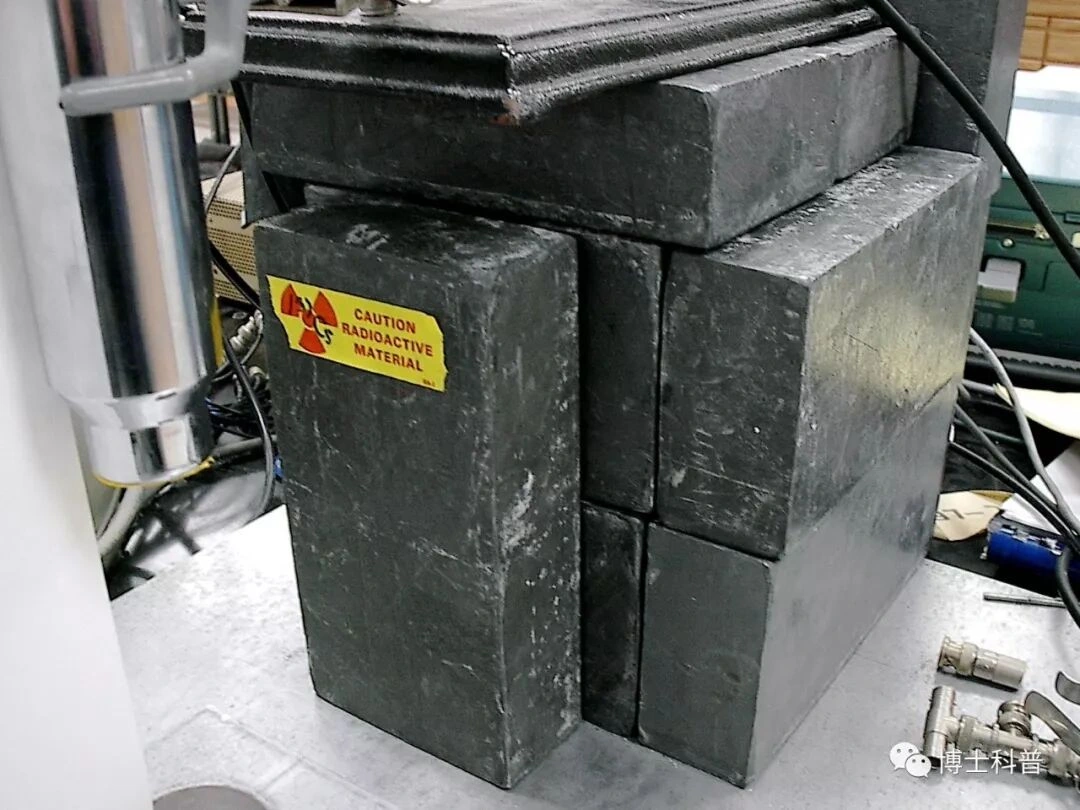
Radium was the fourth radioactive element discovered in human history. Its English name, Radium, derives from a Latin word associated with rays…
 Chemistry
If a reaction amplifies tiny molecular differences, why might it not measure them accurately? A study involving a Nobel laureate helps explain the gap between “detecting” and “measuring accurately.”
 Physics
The laser was a major invention of the twentieth century, called the “fastest knife,” the “most precise ruler” and the “brightest light”…
 Physics
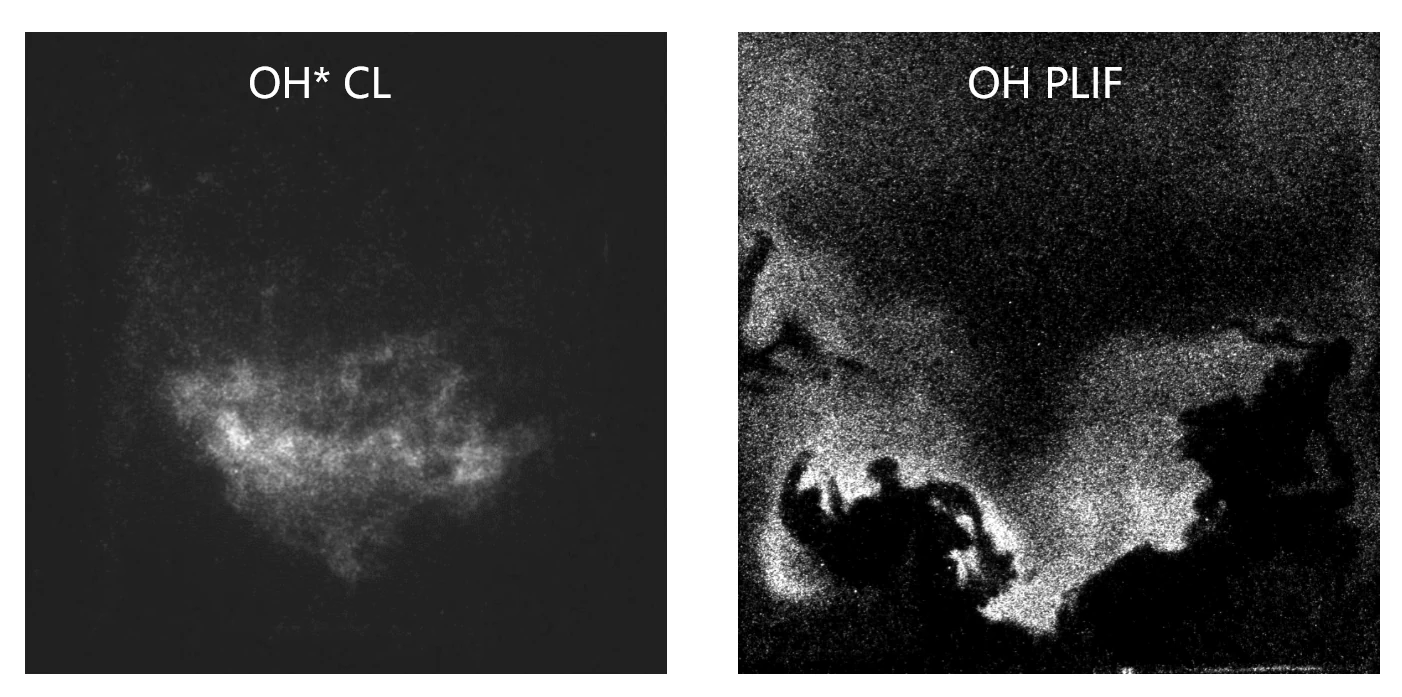
How can fluorescence reveal flow and combustion when a laser illuminates a tiny region? 严浩 introduces the principles of laser-induced fluorescence, velocity measurements, and two-dimensional flow visualization.
 Physics
If someone asked me to name an invention as important as the wheel, I would say “the airfoil” without hesitation. In its narrower sense, an airfoil is the cross-sectional shape of an aircraft wing. This design brings mechanics and aesthetics together to make the most of modern aircraft performance…
 Life sciences
The domestic silkworm is a silk-producing insect in the order Lepidoptera and family Bombycidae. It mainly eats mulberry leaves and is also called the mulberry silkworm. Its endearing and delicate appearance has earned it the affectionate Chinese nickname “silkworm baby.” Growing mulberries, raising silkworms, reeling silk, and weaving silk fabrics were early inventions of ancient Chinese working people…
 Life sciences
In vitro diagnostics (IVD) mainly obtains clinical diagnostic information by testing urine, sweat, blood, saliva and tissue fluids. It provides scientific evidence for disease prevention and diagnosis and is vital to healthcare systems…
 Life sciences
Dopamine is a neurotransmitter that can undergo oxidative self-polymerization under certain conditions to form polydopamine. As early as 2007, the Messersmith group reported that polydopamine could form a shell on almost any solid material surface…
 Life sciences
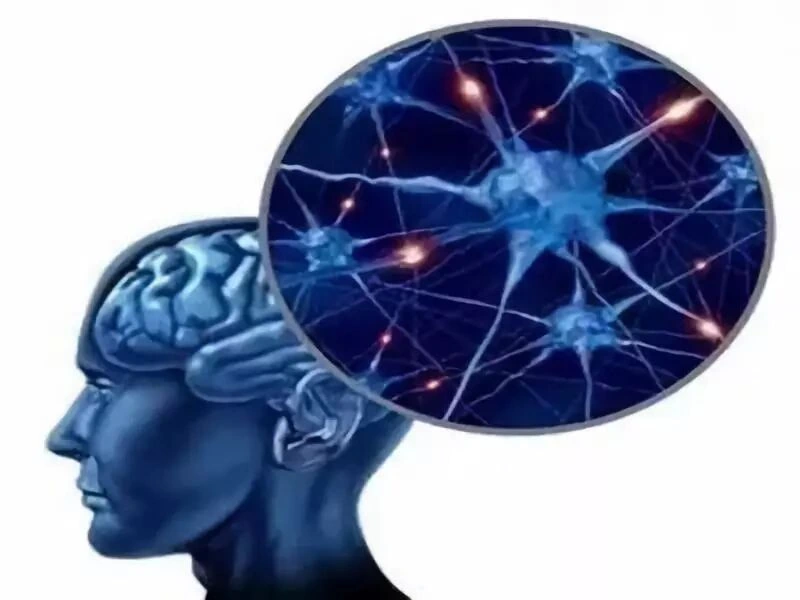
Memory is like a dusty magic box. It may look small, yet it holds our joys, anger, sorrows, and pleasures, recording the lives we have lived. But have you ever considered that seemingly real and reliable memories may be self-deceiving illusions?
 Life sciences
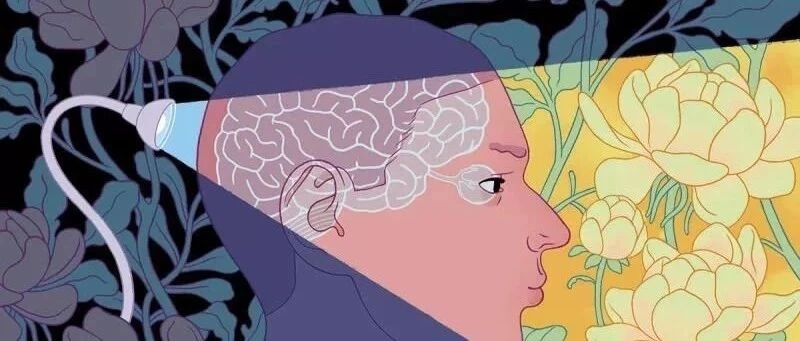
How Do We “Survive Adversity”? Optogenetics Reveals Learning in Adversity! 陈善平 / 刘楠, Shenzhen Institutes of Advanced Technology, Chinese Academy of Sciences / MIT McGovern Joint Institute for Brain Cognition and Brain Disorders. Keywords: emotions, learning ability, optogenetics. Many readers have probably watched Discovery Channel’s reality television program Man vs. Wild. In each episode, British adventurer Bear Grylls demonstrates how to escape extremely harsh environments such as deserts, swamps, forests, and canyons. In the program, Bear…
 Life sciences
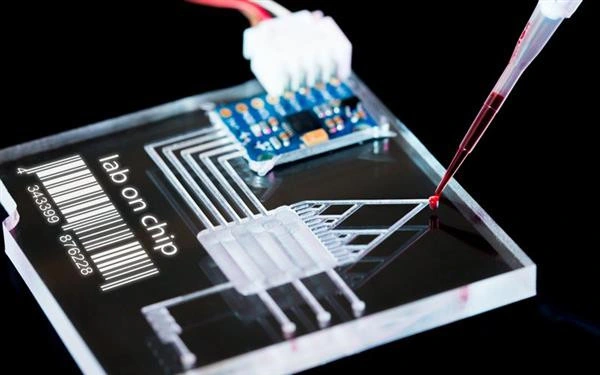
Microfluidics is a technology for controlling, manipulating and analysing complex fluids at microscopic scales. It emerged in the early 1990s as an interdisciplinary field combining physics, chemistry, biology, medicine and manufacturing engineering. As the name suggests, “micro” refers to small dimensions and high precision: fluids can be observed and manipulated over scales from a few micrometres to several hundred micrometres. The “fluid” being studied may be a solution, blood, a gas or even a supercritical fluid…