
English translation of the original Chinese article. Publication dates and the extent of recovered text are preserved. Figures retain their original labels. Read the Chinese original.
Shenzhen Institutes of Advanced Technology, Chinese Academy of Sciences
Keywords: memory, illusions, vision
Do you remember the flavor of the first lollipop you ate as a child?
Do you remember which clothes you liked wearing most as a child?
Memory is like a dusty magic box. It may look small, yet it holds our joys, anger, sorrows, and pleasures, recording the lives we have lived.
But have you ever considered that seemingly real and reliable memories may be self-deceiving illusions?
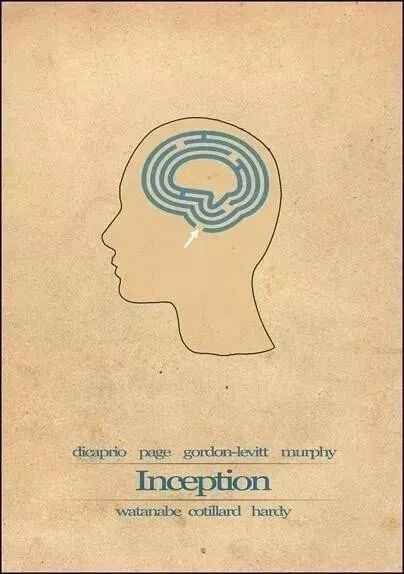
Could false information be implanted into our memories from outside, as in the film Inception, without our being aware of it at all?
Figure 1: A poster for the film Inception.
1. A Wrongful Conviction Caused by False MemoriesOn January 18, 1991, a murder took place in a poor neighborhood in California. A son playing outside with five friends witnessed someone in a car on the street shoot and kill his father, who was standing at the entrance to their home.
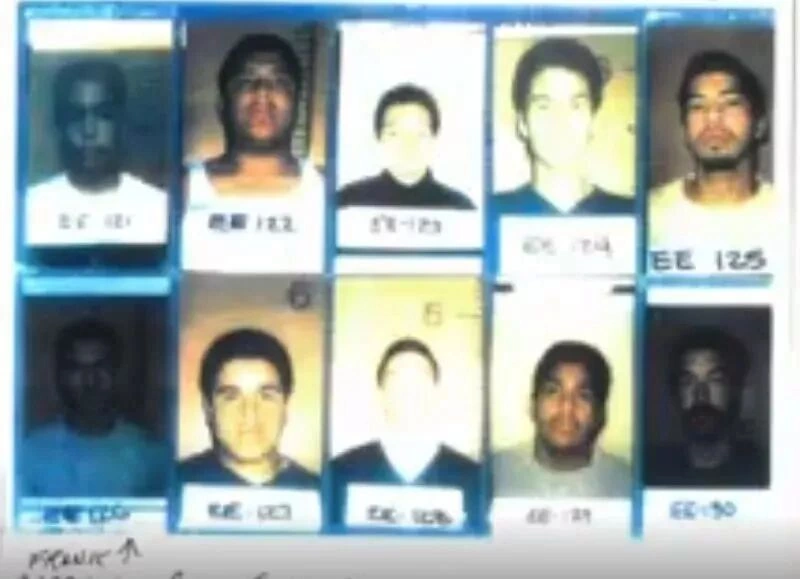
The police quickly investigated, identified several suspects, and asked the six young witnesses to identify the shooter from several sets of photographs. All six identified Francisco Carrillo. The case seemed straightforward, the evidence conclusive, and the trial fair. As a result, the 17-year-old Francisco Carrillo was convicted of murder and sent to prison.
Figure 2: A photographic lineup of suspects.
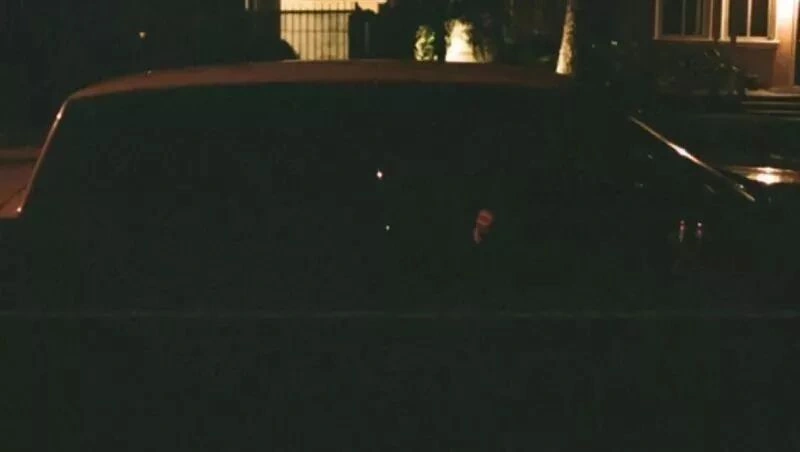
In 2013, described here as 21 years after the murder, forensic psychologist Scott Fraser found that this was clearly a wrongful conviction: under the lighting conditions at the scene, the six young people could not have clearly seen—or even seen at all—the perpetrator’s face.
Figure 3: Experts reconstruct the scene inside the car at the time of the crime.
Before the crime, the six young people had had no contact with Francisco Carrillo and did not know him. He simply lived three or four blocks from the scene. Various reconstructions by the experts were sufficient to demonstrate that, at the time of the crime, the six could not have clearly seen the face of anyone in the car. Through the efforts of the expert team led by Scott Fraser, the wrongful murder conviction was finally overturned, and Francisco Carrillo went on to live a happy life.
If that was the case, why were the six young witnesses who testified in court so certain that they remembered seeing the killer’s face and that Francisco Carrillo was the killer? Reports of the case show that the victim’s son was the first to identify him. His initial words, however, were that it looked like this person, while the other five friends said they could not remember clearly or recall it.
At the trial, however, the six young people testified individually and all confidently stated that they remembered seeing the killer’s face clearly, identifying Francisco Carrillo as the perpetrator.
What, then, went wrong? Clearly, the six eyewitnesses’ memories were mistaken. After learning that the victim’s son thought Francisco Carrillo looked like the killer, the other five friends’ brains unconsciously filled in his face in the otherwise dark interior of the car. They then suggested to themselves and reinforced the idea that the killer they remembered seeing was Francisco Carrillo.
Memories inadvertently implanted in five eyewitnesses thus led to an innocent young man being convicted of murder.
In the United States, and indeed throughout the world, countless wrongful convictions have resulted from erroneous eyewitness memories. Although rapid advances in modern technology mean that video recordings, audio recordings, DNA testing, and other forensic techniques can help police establish the truth, eyewitness testimony still holds an important place in court.
Such cases of memories being implanted or modified by external information are not exceptional. Even well-trained soldiers experience similar effects. At a training camp for one branch of the US military, simulated capture and harsh interrogation and torture by enemy forces are a required part of training. Follow-up research showed that, despite seeing their tormentor’s face clearly at close range for as long as 30 minutes, soldiers subjected to this intense ordeal often selected a photograph of the wrong interrogator after answering leading questions following the simulated interrogation.
Why does the brain form such confused memories, and why can genuine memories be modified? Before answering, let us look at how visual memories are formed.
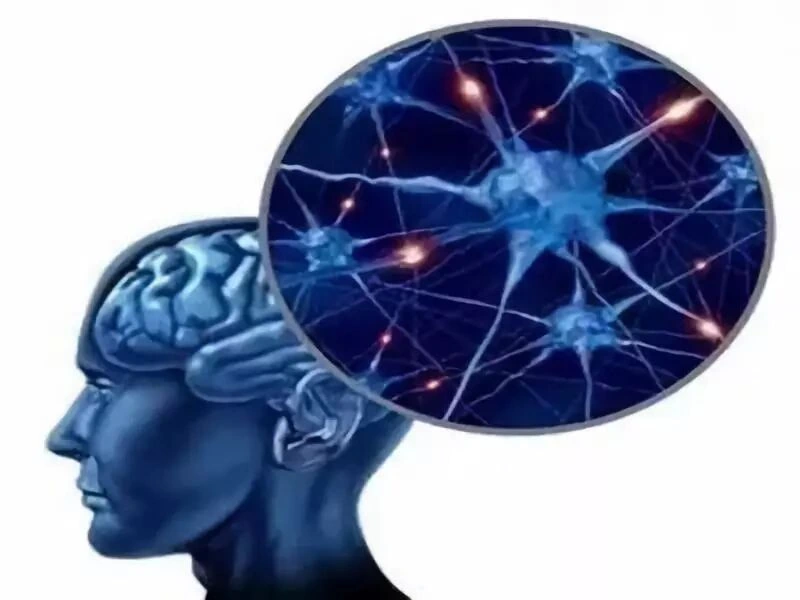
2. How the Brain Stores Visual MemoriesOur brains contain many thousands of neurons, and the process of memory depends on their electrical activity to encode and store information.
Figure 4: Electrical activity of neurons in the brain.
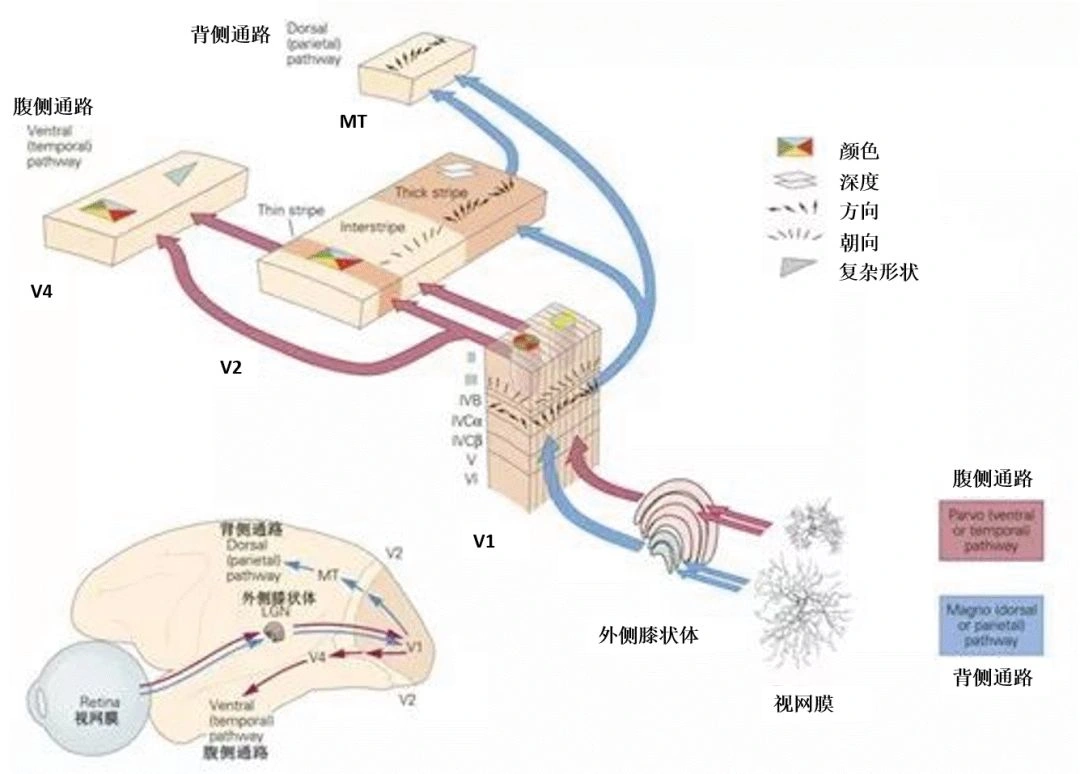
When a fleeting scene from the outside world is projected onto the retina, some retinal cells convert light signals into electrical signals—a photoelectric conversion. After processing by other retinal cells, these signals travel to the lateral geniculate body in the brain, then to the visual cortex for further processing and integration, creating vision. Once electrical signals reach the primary visual cortex at the back of the brain from the lateral geniculate body, neurons there fire in response to fine details of the image. Each neuron records the scene rather like a pixel in a digital image. Connections among different neurons’ electrical activities help us record that scene.
The primary visual cortex receives information from the lateral geniculate body and sends it through V2 and V3 to V4, V5, and higher brain regions. Cortical information processing occurs along two parallel pathways: the ventral pathway, including V1, V2, and V4, mainly processes object shape, color, and related information; the dorsal pathway, including V1, V2, and V5, mainly perceives motion and related information.
Figure 5: A schematic of the visual information pathways.
Information about the scene does not stop there. Visual information passes from the primary visual cortex to neurons in higher visual areas. Only after further processing does it reach the medial temporal lobe—the hippocampus and surrounding cortex. The hippocampus helps turn this information into short-term or long-term memories.
This is only one pathway through which visual information entering the brain becomes a memory. Under normal physiological conditions, there are two visual information pathways. One is the cortical visual pathway described above, chiefly responsible for fine processing and intelligent recognition of external visual stimuli. The other is a subcortical visual pathway belonging to evolutionarily older limbic structures: superior colliculus (SC) → pulvinar (Pulv) → amygdala (AMG). It is closely associated with processing emotional visual information. Episodic memories may therefore be stored not only in the hippocampus but also in regions such as the amygdala.
3. Your Memory Is Not DependableIt is easy to see that, as external information travels from the eyes to the hippocampus and becomes an episodic memory, the visual cortex must process patterns, object contours, colors, and other features. This processing varies from person to person and contains clear elements of personal emotion. On a school outing in spring, for example, most students may remember the bright sunshine and cool breeze fondly, but for you, feeling unwell, it may be a nightmare of a memory.
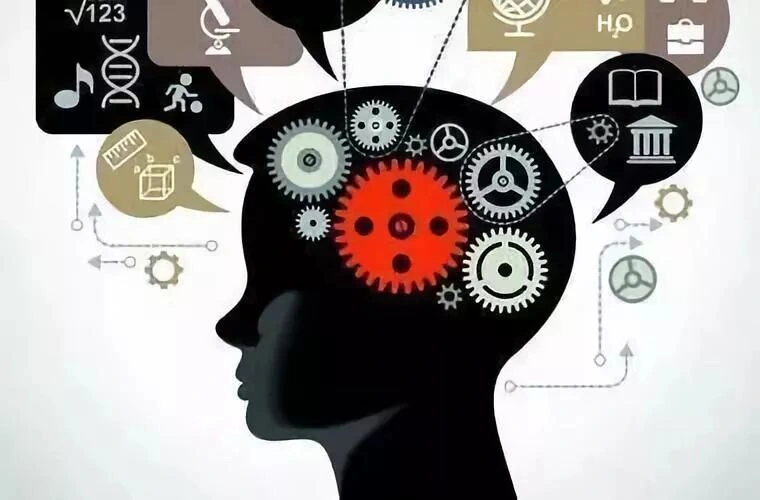
Figure 6: Memory storage is dynamic.
An individual’s memories clearly change or are modified under the influence of their own sensory and perceptual input. This shows that memories we regard as highly reliable are not necessarily so true to reality. Whether something happened a second ago or in a school scene ten years ago, those memories are stored in our brains through a dynamic process. Because memory is plastic, incoming information from outside can quietly change it at any time. These dynamic memories are like dreams: with excitatory activity in neurons of the prefrontal cortex, all kinds of strange, fantastical images can appear in our brains.
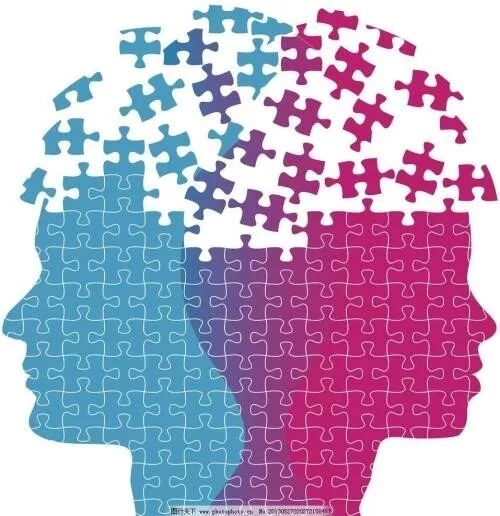
Episodic memories are not stored unchanged in one fixed brain region; they are distributed among different neurons in different regions. When we recall a particular scene, many neurons must become excited and generate electrical activity together for the complete image to appear in our minds. Disease or death in any one group of neurons can affect reconstruction of the scene or even change the information in the remembered image. If an episodic memory is a jigsaw puzzle, the relevant neurons are its small pieces. Missing pieces mean that some information in the overall image will also be missing.
Figure 7: The jigsaw puzzle of memory.
Our brains have another interesting memory function: they automatically fill in gaps. Suppose you walk through a small wood to a friend’s house. When your friend asks where you came through, your brain immediately shows you a woodland path. If your friend then asks whether you saw the apple tree in front of the house, your clever brain rapidly and unconsciously supplies an image of an apple tree and stores it, whether or not you noticed one before entering.
Our brains continually process and modify memories unconsciously as our emotions and values change. The external information we encounter can also mislead and distort memory. Using technology—for example, notes, photographs, and video—to record the course of our lives is therefore an objective and reliable approach.
*This article represents the authors’ personal views and does not represent the views of this website. Other media, websites, or individuals reusing or republishing it must acknowledge the source and assume responsibility for copyright and other legal matters. Authors who do not wish to have their work republished, or who wish to discuss remuneration or other republication matters, should contact us.
Illustrations from the matching WeChat article
The following illustrations were recovered from the matching article retained in the WeChat account and restored in their original order.
Additional illustrations were recovered from the matching article retained in the WeChat account and collected after the main text; the archived text and existing editorial corrections are retained.