Historical drug-development article: The manuscript concerns discussion of ibuprofen in late 2022 and its earlier development. Historical prices, market descriptions, and anecdotes retain their original context. The original publication date remains unverified; this is not current personal medication guidance.
One Tablet of Ibuprofen, Ten Years of Development
The manuscript recounts that one morning, British scientist Stewart Adams woke with a splitting headache after drinking the previous evening. He was about to attend an important medical conference and give a talk. To make sure it went smoothly, he took a newly developed drug, cautiously choosing a dose of 600 milligrams … This is a historical account of self-testing; the specific year remains unverified, and 600 milligrams is not a dose recommended by this article.
This was not the first time Adams had taken a newly developed drug himself: he firmly believed that before other people took it, he should be the first. What he had not expected was that these 600 milligrams would effectively relieve his headache.
The drug had a familiar name: ibuprofen. It entered the British prescription market in 1969 and the U.S. prescription market in 1974. This was one of the happiest moments of Adams’s life!
In this issue, let us explore the history of the much-discussed fever reducer and pain reliever ibuprofen! It can relieve fever and pain; it is not a drug that directly eliminates the coronavirus.
A grassroots worker’s long road to advancement
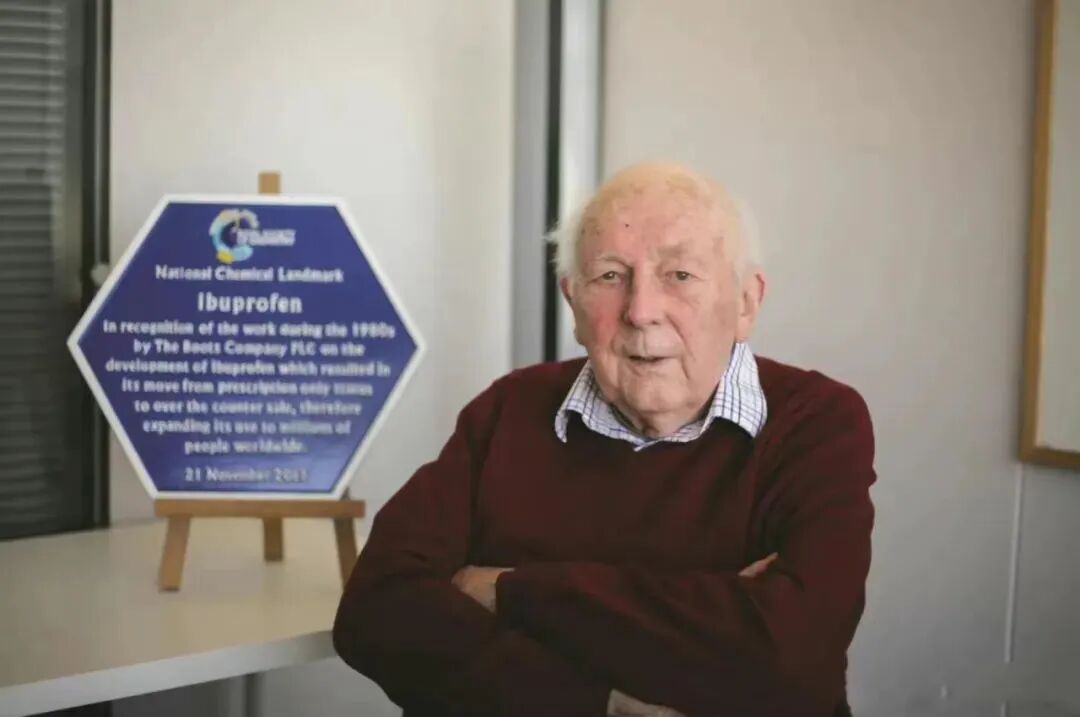
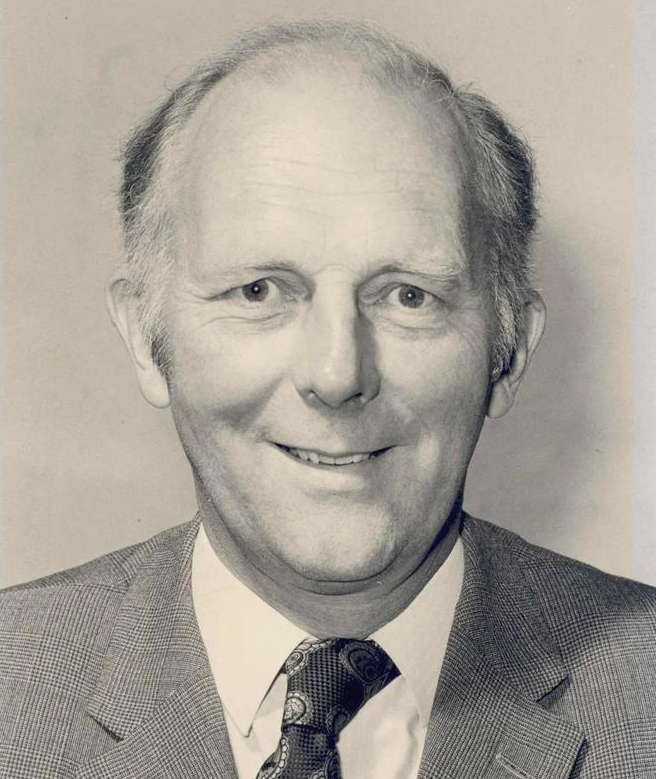
Stewart Adams was born in 1923 in the rural village of Byfield in Northamptonshire, eastern England. His father drove trains and his mother chaired the local branch of the Women’s Institute. He was the fourth of five children.
His family was not wealthy, so at sixteen he left school to spend three years as an apprentice at a Boots branch in the Nottingham area. Boots was a traditional chain of pharmacies and beauty shops, and he trained there as a pharmacist.
But Adams was less interested in selling drugs than in making them, and was drawn to pharmaceutical science. He hoped to achieve something in that field.

With funding from Boots, Adams fulfilled his wish to study at the University of Nottingham. He graduated in 1945 and returned to the company to conduct research.
He was now a researcher rather than a dispensing pharmacist, taking part in the penicillin project. This also exempted him from military service, as the recruiting authorities considered drug research more important than fighting.
In 1950, wanting to study drugs in greater depth, Adams returned to university. With a scholarship from the Royal Pharmaceutical Society, he entered the University of Leeds to pursue a PhD in pharmacology.
After completing his studies in 1952, Adams returned to Boots. At thirty, he was full of energy and creativity. This ambitious pharmacist from a modest background was about to begin the research that would bring him to the peak of his career: finding a nonsteroidal anti-inflammatory drug that could replace aspirin for patients with rheumatoid arthritis.

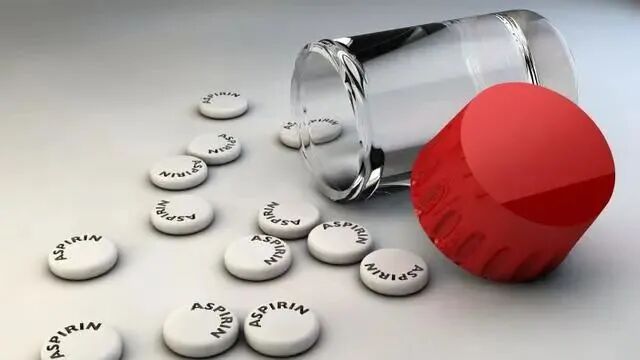
Aspirin, one of the oldest and most widely used classic drugs, was introduced on 6 March 1899 and derived from a substance found in willow bark. Chemist Charles Gerhardt first synthesized acetylsalicylic acid, today’s aspirin, in 1853.
Aspirin offered a simple, effective, and economical way to extend lives and reduce deaths from heart attacks. Yet controversy over its clinical use has never ceased. Historically, relatively high doses were often needed for anti-inflammatory use, but that does not apply to every use. Adverse effects can include allergies, bleeding, and indigestion.
In the 1950s, aspirin gradually fell out of favour in Britain and around the world. Countless companies dreamed of being first to invent a “superdrug” to replace it.
Boots, where Adams worked, was one of them. The young Adams may not have imagined how long the task would take. His love of drug development kept him going.
Ten years of research, a hangover, and a turning point
Drug development never happens overnight. With the help of two able colleagues—chemist Dr. John Nicholson and technician Colin Burrows—Adams’s team devoted a full decade to the project.
In a laboratory on the outskirts of Nottingham, Adams and his team worked with laboratory mice every day, synthesizing nearly a thousand compounds over six years.
Four compounds reached the final clinical-trial stage but were abandoned because they still caused adverse effects. The team had not yet found a drug more effective and safer than aspirin.
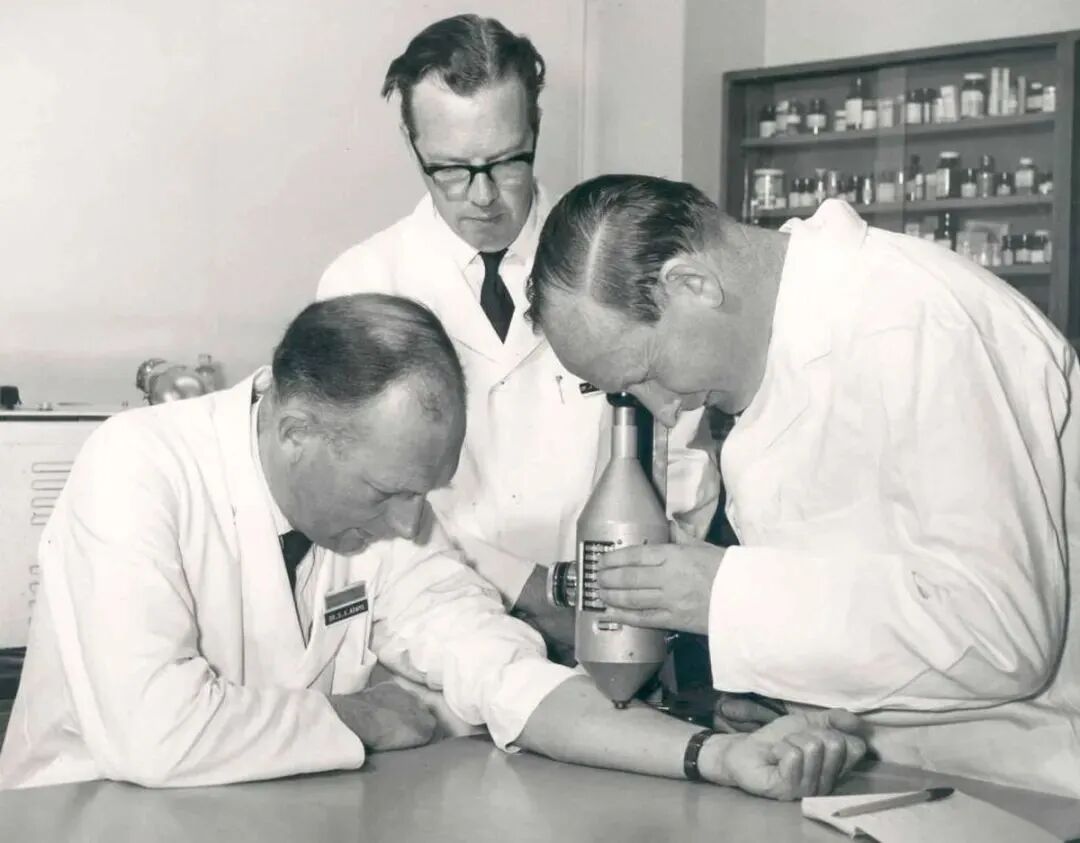
The manuscript states that at the end of 1959, the team began a different approach: radioactive-tracer research. It explains the earlier compounds’ adverse effects in terms of their uptake by tissues throughout the body.
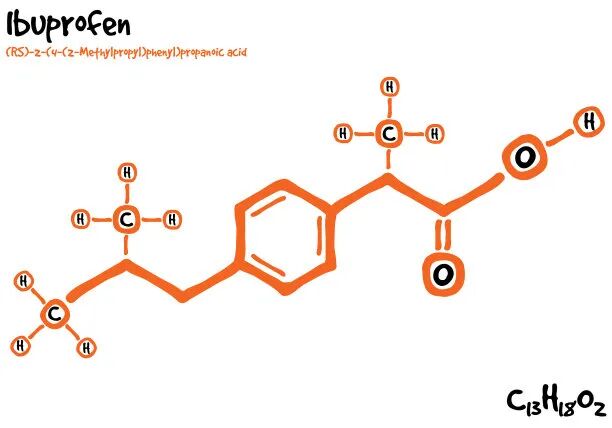
The manuscript summarizes the team’s structural modifications as “changing acetic acid to propionic acid,” but this does not establish that ibuprofen has fewer adverse effects because “only a small fraction is absorbed.” Formal drug information states that ibuprofen is rapidly absorbed through the gastrointestinal tract. The relationships among structural changes, distribution in the body, efficacy, and adverse effects cannot be reduced to that single explanation.
Ibuprofen is a propionic-acid derivative, chemically described as 2-(4-isobutylphenyl)propionic acid. The manuscript describes its analgesic effect as “more than three times that of aspirin,” but specifies neither the experimental model nor the doses; this cannot be treated as a fixed potency ratio for every patient. Ibuprofen has analgesic, anti-inflammatory, and antipyretic effects, together with adverse effects and restrictions on use.
By a fortunate coincidence, ibuprofen’s success was linked to Adams’s hangover. Believing that he should be the first test subject for a new drug, he took 600 milligrams of the p-isobutylphenylpropionic-acid compound one morning when he awoke with a severe headache. Its effect exceeded his expectations!
This was not his first experiment on himself. Recalling the episode, he remained grateful for the attempt: “Trying these drugs was important, and I am glad I was the first person to take ibuprofen.”
It was an encouraging finding. The team immediately pursued the corresponding research, and the compound soon passed clinical testing.
In 1961, Boots applied for a patent on ibuprofen. Its invention made substantial profits for Boots, helping transform a chain of pharmacies into a world-famous pharmaceutical group.
Adams loses money: The unreimbursed £1
The manuscript summarizes Adams and his colleagues’ path to ibuprofen as a “ten-year development journey” from 1952 to 1962. Boots’s historical account dates the project’s beginning to 1953 and the British prescription launch to 1969, approximately 16 years apart. Discovery, patent filing, clinical testing, and market launch are different milestones.
Although ibuprofen brought Boots substantial returns, a 2019 Washington Post report stated that Adams and his development partners did not earn a penny from the patent.
The reason was straightforward: inventing ibuprofen was part of Adams’s employment. The intellectual property belonged to Boots, and Adams and his colleagues retained only credit as inventors.
Ironically, Adams may have been the only person to lose money on ibuprofen! Boots never reimbursed the £1 patent-application fee—although perhaps Adams himself simply forgot to submit the receipt.
Obtaining a patent did not mean ibuprofen could immediately enter the market. Boots worked for a full seven years to secure permission to sell it.
It was not until 1969 that ibuprofen was licensed in Britain as a prescription drug for rheumatic disease. In 1974, the United States also approved prescription sale, and Upjohn in Kalamazoo, Michigan, began selling it that year under the brand name Motrin.
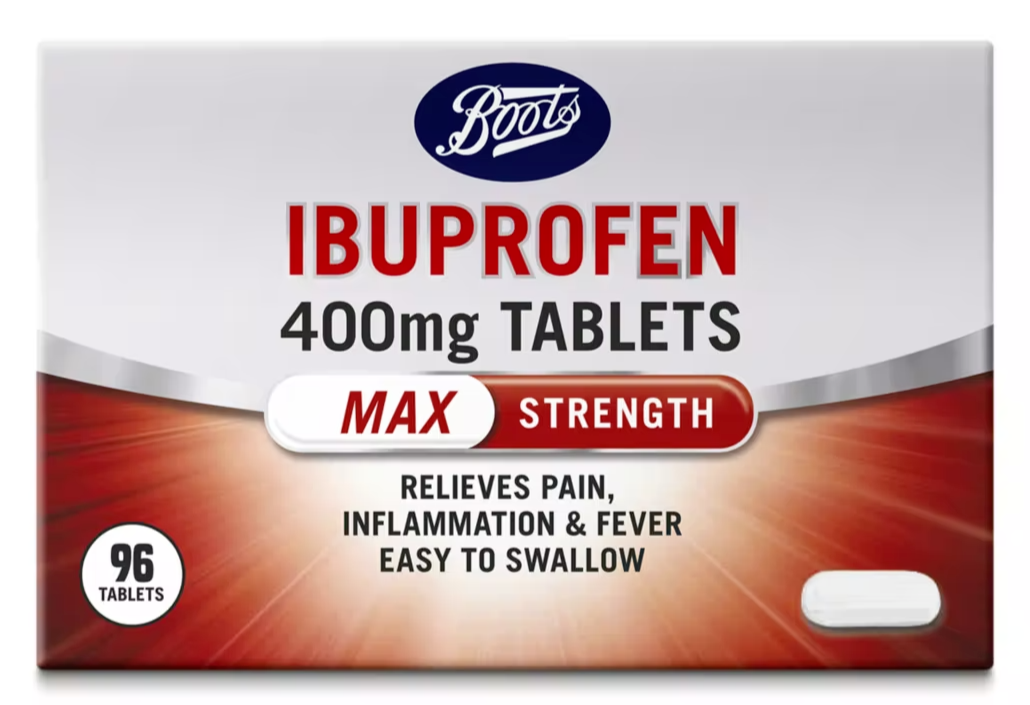
In 1983 and 1984 respectively, after assessment of appropriate doses and labeling restrictions, ibuprofen was approved for nonprescription sale in Britain and the United States. As an inexpensive pain reliever and fever reducer, it soon became popular worldwide!
In the 1990s, global ibuprofen sales exceeded US$1 billion, making it the first antipyretic analgesic with sales above that threshold.
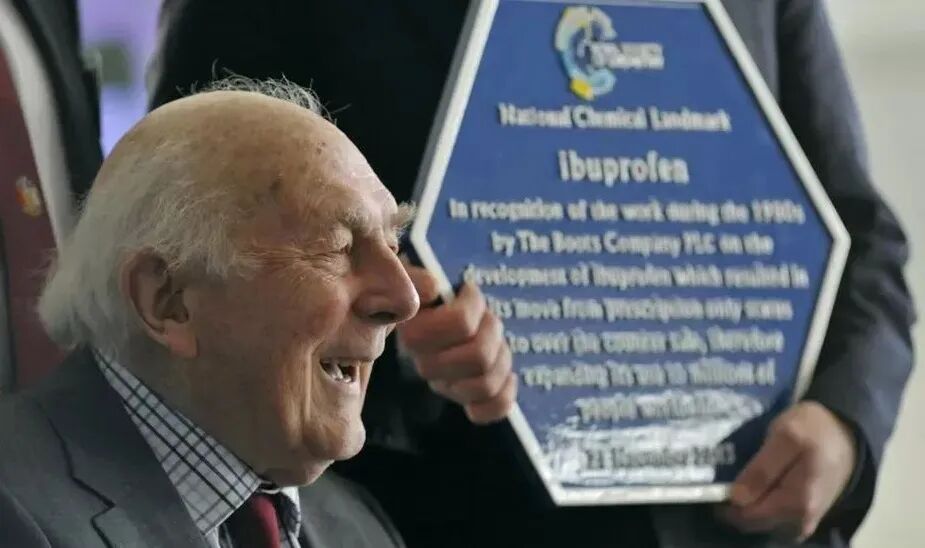
In 1987, Adams received an Order of the British Empire honour from the Queen in recognition of his achievements. In 2007, The Guardian ranked him twenty-sixth on its list of “50 men who really understand women,” because ibuprofen helps relieve menstrual pain.
A plaque outside the team’s former laboratory, now Nottingham’s biotechnology park, honours the research of Dr. Stewart Adams and Dr. John Nicholson and thanks them for the discovery that relieved countless patients’ pain.
Ibuprofen brands, each with its own flair
Recently, the release of China’s “new ten measures,” combined with accounts from people recovering from COVID-19 on major platforms, has made ibuprofen an internet sensation. In just days, online and offline shops no longer had the little red figure stretching, striking its flamboyant pose, and holding its head high.
Although ibuprofen brought Boots substantial profits, its patent has expired and manufacturers are entitled to produce it. China is currently the world’s largest producer and exporter of ibuprofen active pharmaceutical ingredient, accounting for one-third of global output.
The first sustained-release ibuprofen capsules to enter China came from GlaxoSmithKline. Their familiar brand is Fenbid, with the little red figure doing exercises as the registered trademark on the packaging.
China’s food and drug regulator designated it the original reference product for other sustained-release ibuprofen capsules.
In the late 1970s, Shandong Xinhua Pharmaceutical and Southwest Synthetic Pharmaceutical began trial production of ibuprofen in China. The number of licensed producers subsequently grew. According to the national drug regulator’s website, more than 500 enterprises now have ibuprofen approvals, including several companies listed on the A-share market.
Listed companies such as Xinhua Pharmaceutical and North China Pharmaceutical produce ibuprofen tablets. Low production costs and modest entry barriers make competition intense. Many manufacturers use distinctive packaging for brand promotion; as of the manuscript, there were 56 design patents for ibuprofen packaging.
But a point worth remembering: a generic drug is not a counterfeit! Legitimate generics are products supported by policy and market developments, lawful and compliant. Consumers must nevertheless check approval information, active ingredients, dosage form, and labeling; being a generic does not remove restrictions on use.
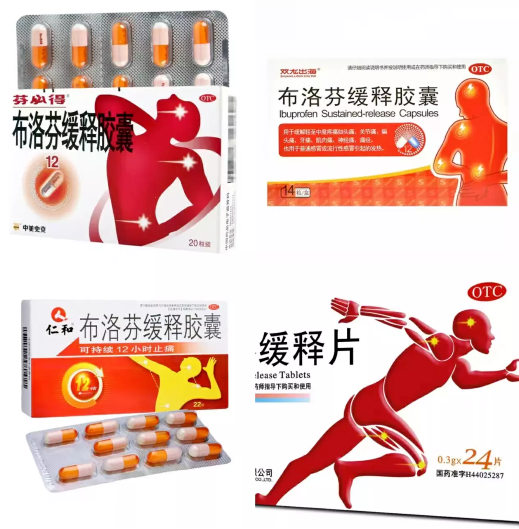
Dazzling branding, little figures striking different poses, and numerous ibuprofen products leave consumers spoilt for choice. What differences in effect are there between products with different names and poses?
A figure’s pose, muscle markings, or stars on a box are branding or illustrations of uses. They do not mean that the same oral ibuprofen is targeted to a particular body part. Products should be assessed by their active ingredients, dosage form, strength, approved uses, and labeling. Different formulations may affect release characteristics, but a packaging pose does not determine where the drug principally works.
Consumers cannot judge which ibuprofen “fits” the location of their pain from a packaging figure’s pose. Selection should follow labeling and guidance from a clinician or pharmacist. Stockpiling medicine is inadvisable; rational purchasing is wiser.

Perhaps it is a little disappointing: behind ibuprofen’s emergence as a fever reducer and pain reliever lies no grand, stirring, or tear-jerking tale. Adams, an employee of Boots, was not a saint who gave up millions solely to benefit humanity.
But that cannot diminish his achievement! From a modest background, Adams pursued his dream through action, changed his prospects through further study, and persisted for ten years to develop a “superdrug” that could replace aspirin.
Adams, a diligent working man, was not born great. His passion enabled achievement, and his perseverance brought success!
Some material in this article comes from the internet. Please contact us for removal in the event of infringement.
Editorial note
Using the Adams interview, Boots records, and formal drug labels, minimum migration corrections address the British launch in 1969, patent filing in 1961, the distinction between project and launch dates, and the mistaken claims of “safety through low absorption” and “pain relief targeted by packaging illustrations.” The 600-milligram hangover self-test remains a historical account, with its specific year unverified and no dose recommendation implied. Fever and pain relief are not equivalent to antiviral treatment.
Supporting references
Interview with Adams about ibuprofen’s discovery (2012)
Boots: Stewart Adams and development/launch milestones
Royal Society of Chemistry: Ibuprofen chemical landmark
Formal prescription label: Ibuprofen absorption and pharmacology
Formal OTC drug label: Uses and restrictions
Sources and editorial history
Restored from a complete historical article exported from the PhDSciNet Official Account.
Editorial revision: Using the Adams interview, Boots records, and formal drug labels, minimum migration corrections address the British launch in 1969, patent filing in 1961, the distinction between project and launch dates, and the mistaken claims of “safety through low absorption” and “pain relief targeted by packaging illustrations.” The 600-milligram hangover self-test remains a historical account, with its specific year unverified and no dose recommendation implied. Fever and pain relief are not equivalent to antiviral treatment.