
English translation of the original Chinese article. Publication dates and the extent of recovered text are preserved. Figures retain their original labels. Read the Chinese original.
Element 9, fluorine, is extremely reactive and can react with almost every element. Its compounds are found throughout our lives, including in nonstick pans and toothpaste.
1 What Kind of Element Is Fluorine?
PhDSciNet answers: Fluorine is an extremely reactive element and a very strong oxidizing agent. It reacts with almost all elements, including some noble gases, to form fluorine compounds. It is element 9 in the periodic table, a Group VIIA halogen, with an atomic weight of 18.998. Its elemental form is fluorine gas (F2), a pale-yellow, highly toxic gas. At one atmosphere, its melting point is −219.67 °C and its boiling point is −188.11 °C.
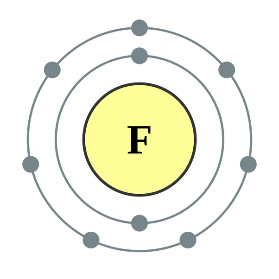
Figure 1: A schematic of a fluorine atom
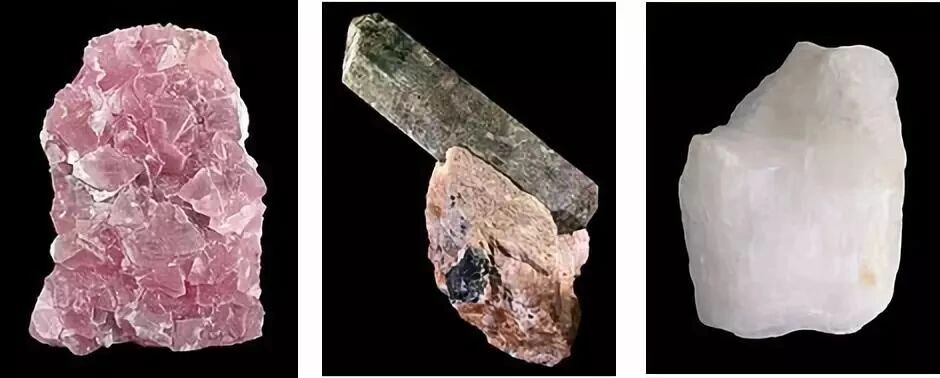
In nature, fluorine mainly occurs in minerals such as fluorite, fluorapatite, and cryolite.
Figure 2: Fluorine-containing ores
2 What Is the Remarkable Material Teflon?
PhDSciNet answers: The reactivity of an elemental substance and the stability of a particular compound are different questions; the latter cannot be directly inferred from the former. Among fluorine compounds, polytetrafluoroethylene (PTFE), also known as Teflon, is a material with relatively high chemical stability.
Teflon has properties including corrosion resistance, low friction, nonstick behavior, and good electrical insulation. When used correctly for its intended purpose without overheating, PTFE coatings are relatively stable. They cannot, however, be described broadly as impervious to heat or completely harmless: decomposition from overheating can release harmful gases.
The nonstick pans we use achieve their “nonstick” behavior through Teflon’s low friction coefficient and resistance to adhesion. It is also an ideal coating for the inner surfaces of water pipes. The thread-seal tape used to seal pipe joints is a polytetrafluoroethylene film.

Figure 3: Uses of Teflon: nonstick-pan coating (left) and thread-seal tape (right)
3 Fluorine and Teeth
PhDSciNet answers: We know that fluorides such as sodium fluoride or amine fluorides are added to toothpaste. What does fluorine have to do with dental health? During development, fluorine accumulates in bones and teeth, helping strengthen enamel. During brushing, fluoride ions can replace hydroxyl groups in the tooth mineral hydroxyapatite, converting it into very hard fluorapatite and inhibiting acid-producing bacteria, thereby preventing tooth decay. In addition to being added to toothpaste and mouthwash, fluoride is also added in certain amounts to everyday drinking water to help strengthen teeth.
Excessive fluoride intake, however, causes dental fluorosis. During enamel development, excess fluoride damages enamel-forming cells, producing spots, yellowing, and rough tooth surfaces, and making the teeth more susceptible to defects.
4 Dangerous Hydrofluoric Acid
PhDSciNet answers: Hydrofluoric acid is an aqueous solution of hydrogen fluoride. Because the bond between hydrogen and fluorine atoms is strong, it does not fully ionize in water, so low-concentration hydrofluoric acid is theoretically a weak acid. Nevertheless, it is highly corrosive and highly toxic. It reacts with calcium and magnesium ions, affecting organs whose functions depend on these ions. Without prompt treatment, it can cause severe damage to the heart, liver, kidneys, and nervous system.
Nineteenth-century research on fluorine cost several experimenters their lives; they became known as the “fluorine martyrs.” Moissan successfully isolated elemental fluorine in 1886 and received the Nobel Prize in Chemistry in 1906 for his research and isolation of fluorine and his work on the electric furnace. He died on February 20, 1907, after receiving the prize.
References
1. Editorial group of The Story of Chemical Elements. The Story of Chemical Elements (Youth Science Museum series). China Publishing Group, World Book Publishing Company. Kindle Edition.
2. Theodore Gray (United States). The Elements: A Visual Exploration of Every Known Atom in the Universe (color collector’s edition, Chinese edition). Posts & Telecom Press.
3. Wikipedia: Fluorine
4. Baidu Baike: Fluorine
5. Wikipedia: Hydrofluoric acid
6. Baidu Baike: Hydrofluoric acid
7. Wikipedia: Fluorite (cover image)
Additional References
- Royal Society of Chemistry: Properties of fluorine
- Nobel: Official facts about Henri Moissan
- German Federal Institute for Risk Assessment: Normal use of PTFE and risks from overheating
The text was recovered from the matching article retained in the WeChat account, with the original website’s publication record retained. The old WeChat promotional layout has been removed. Available original illustrations have been restored.
Editorial revision note: Recovery revision dated 2026-10-10: Corrected melting and boiling points and the history of Moissan receiving the prize during his lifetime; distinguished reactivity from product stability; and specified the conditions for normal PTFE use in accordance with the official assessment.


