Historical translation and compilation: This account reviews science stories from 2021, with the original English credited to Joe Spring in Smithsonian. The complete compilation actually retained by the Boke account, including its original English passages, is preserved here; it is not an unabridged reprint of the magazine article. The original WeChat publication date remains unverified. Forecasts and medical figures retain their2021 context.
Ten Scientific Breakthroughs of 2021 Not to Miss
What important scientific discoveries and achievements of 2021 deserve to be remembered?
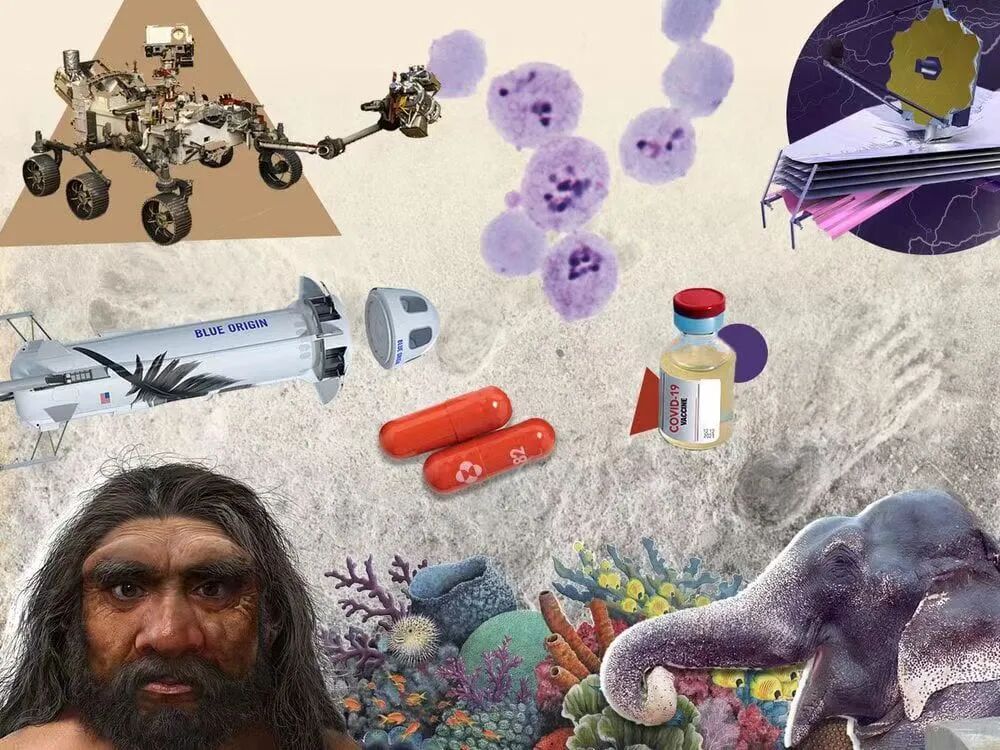
During the year, NASA and private companies achieved new firsts in space; scientists uncovered more evidence of early humans; researchers documented climate change's effects on everything from coral reefs to birds; and COVID-19 again dominated science coverage as scientists confronted new viral variants …
Looking back over the year, Smithsonian magazine reviewed ten significant science stories of 2021. In this issue, let us follow its account and appreciate the human insight behind the year's scientific achievements!
COVID vaccine rollouts face obstacles
Last year the biggest science story of the year was that scientists developed two mRNA Covid vaccines in record time. This year the biggest Covid story is the difficulty in rolling out those vaccines from Pfizer and Moderna, and another from Johnson & Johnson. As of this writing on December 21, roughly 73 percent of the U.S. population has received one dose, and roughly 61 percent of the U.S. population has been fully vaccinated. An incomplete rollout allowed for a deadly summer surge, driven by the highly contagious Delta variant.
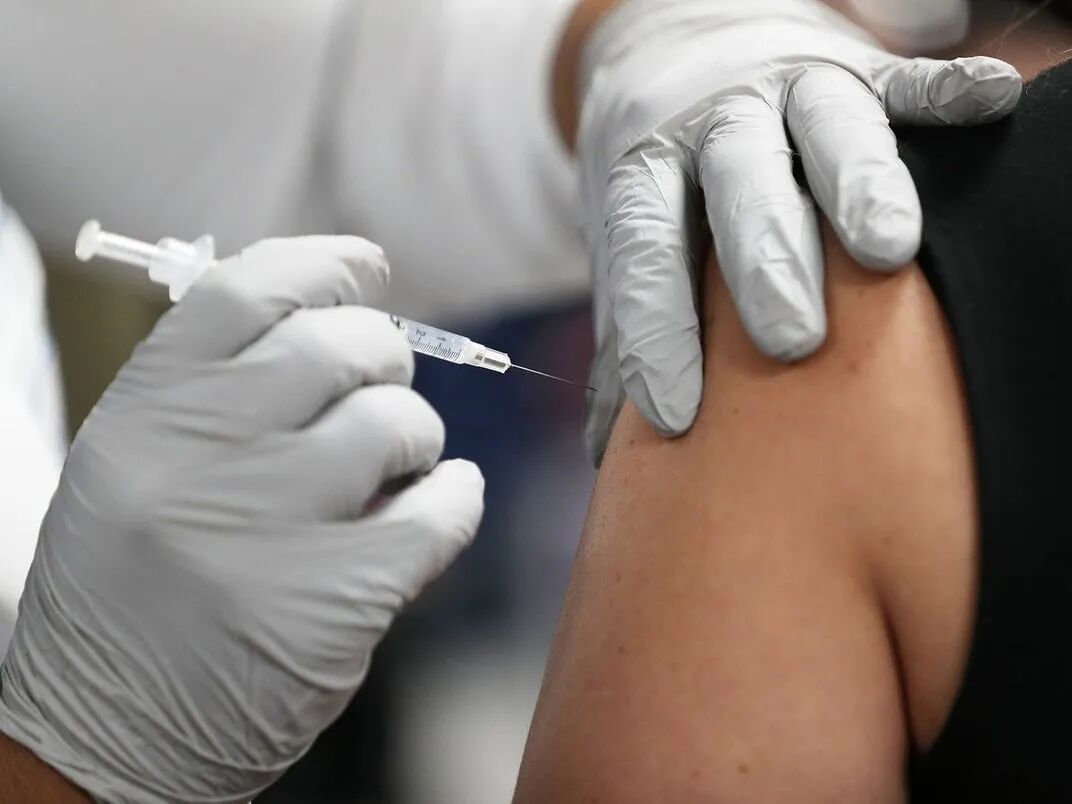
Experts pointed out that vaccination rates lagged due to widespread disinformation and misinformation campaigns. Luckily, by November, U.S. health officials had authorized emergency use of the Pfizer vaccine for children as young as five, providing another barrier against the deadly disease’s spread, and Covid rates declined. But in much of the rest of the world, the wall is severely lacking where populations haven’t been given decent access to the vaccine. The FDA authorization date was October 29, 2021.
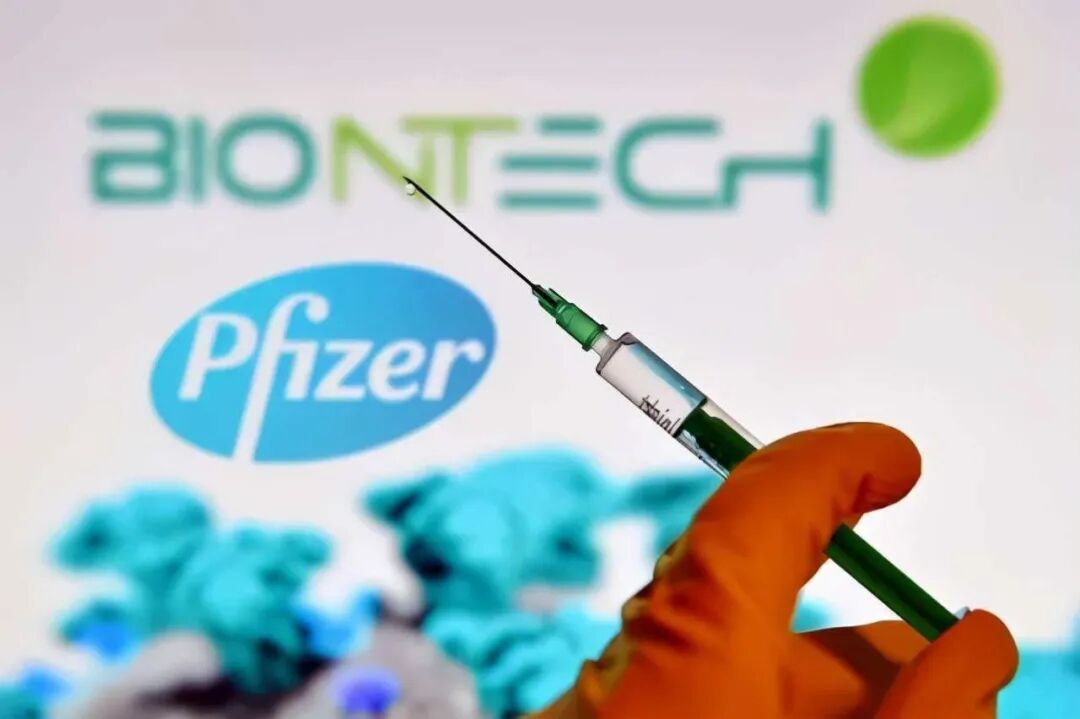
Only 8 percent of individuals in low-income countries have received at least one dose of the vaccine, and a WHO Africa report from this fall said that on that continent, less than 10 percent of countries would hit the goal of vaccinating at least 40 percent of their citizens by the end of the year. The holes in vaccination coverage will allow the virus to continue to kill a large number of individuals, and allow an environment where possibly other dangerous variants can emerge.
Scientists achieved several firsts on Mars
NASA took a huge step forward in exploring the Red Planet after the rover Perseverance landed safely on Mars in February. Scientists outfitted the vehicle with an ultralight helicopter that successfully flew in the thin Martian atmosphere, a toaster-sized device called MOXIE that successfully converted carbon dioxide to oxygen, and sampling elements that successfully collected rocks from the planet’s floor.
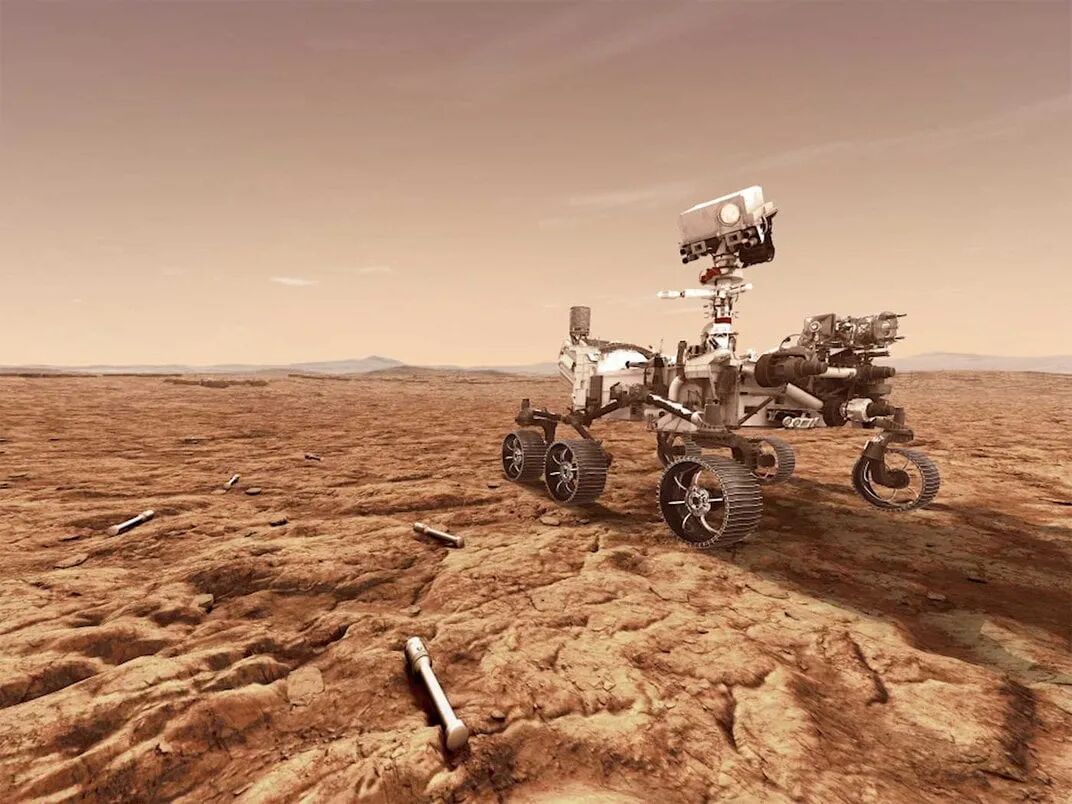
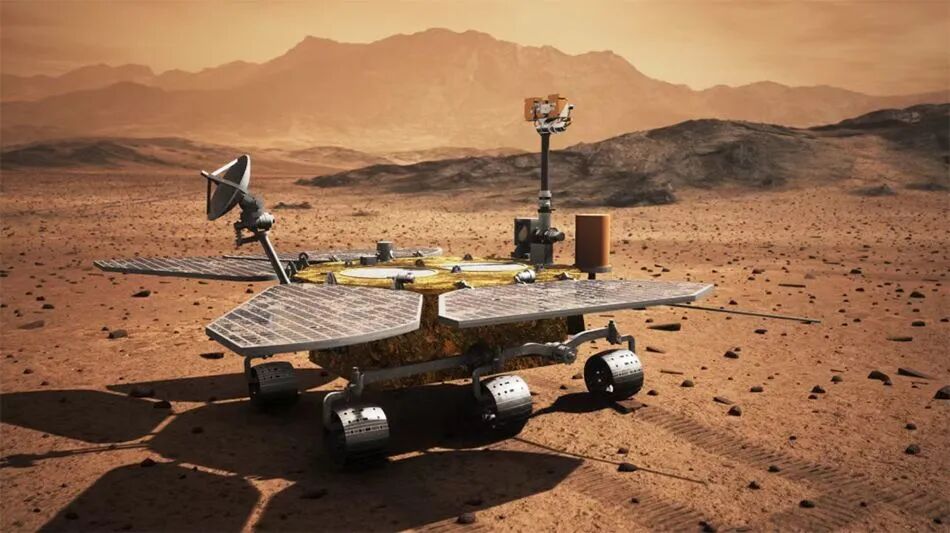
In addition to the rover’s triumphs, other countries notched major firsts too. The United Arab Emirates Hope space probe successfully entered orbit around the planet and is studying the Martian atmosphere and weather. China’s Zhurong rover landed on Mars in May and is exploring the planet’s geology and looking for signs of water. With these ongoing missions, scientists around the world are learning more and more about what the planet is like and how we might better explore it.
“Dragon Man”: A newly proposed human lineage
After the fossil was discovered at a construction site in China nearly 90 years ago, a family hid it until a farmer gave it to a university museum in 2018. Since then, scientists in China pored over the skull—analyzing its features, conducting uranium series dating, and using X-ray fluorescence to compare it to other fossils—before declaring it a new species of archaic human. They dubbed the discovery Homo longi, or “Dragon Man.” The skull had a large cranium capable of holding a big brain, a thick brow and almost square eye sockets—details scientists used to differentiate it from other Homo species.
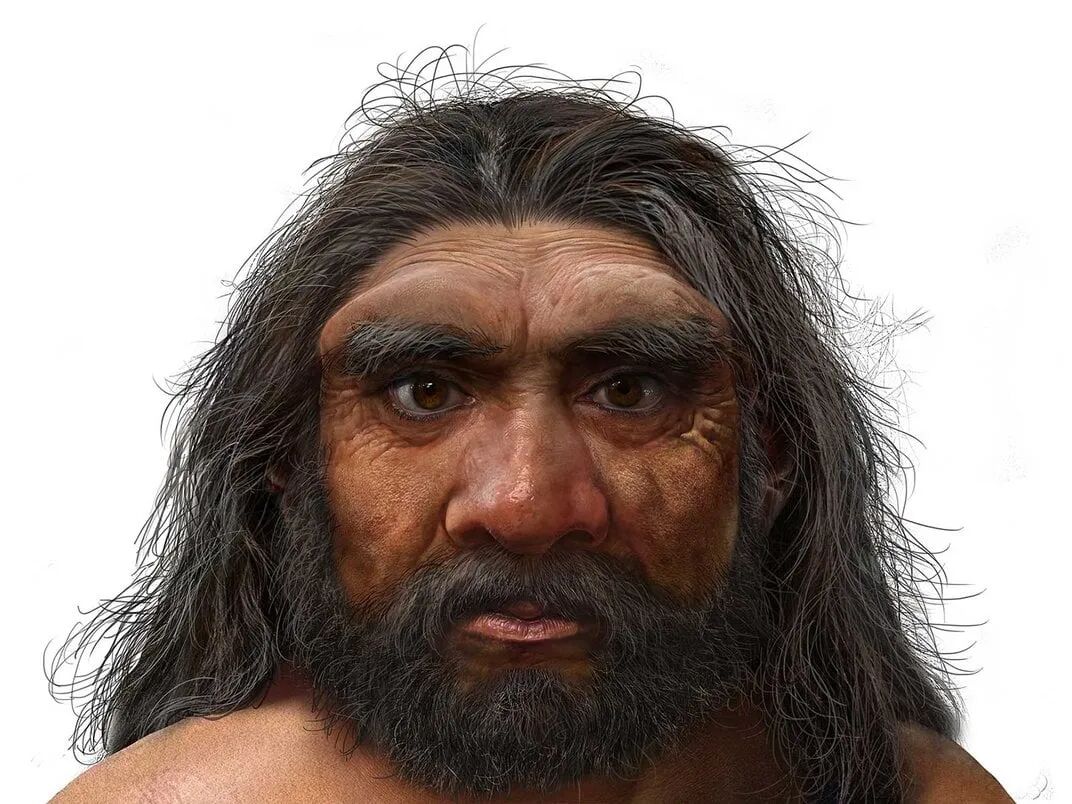
Some scientists questioned whether the find warranted designation as a new species. “It’s exciting because it is a really interesting cranium, and it does have some things to say about human evolution and what’s going on in Asia.But it’s also disappointing that it’s 90 years out from discovery, and it is just an isolated cranium, and you’re not quite sure exactly how old it is. Other scientists supported the new species designation, and so the debate continues, and likely will until more fossils are discovered that help to fill in the holes of human history.

Climate change is damaging coral reefs
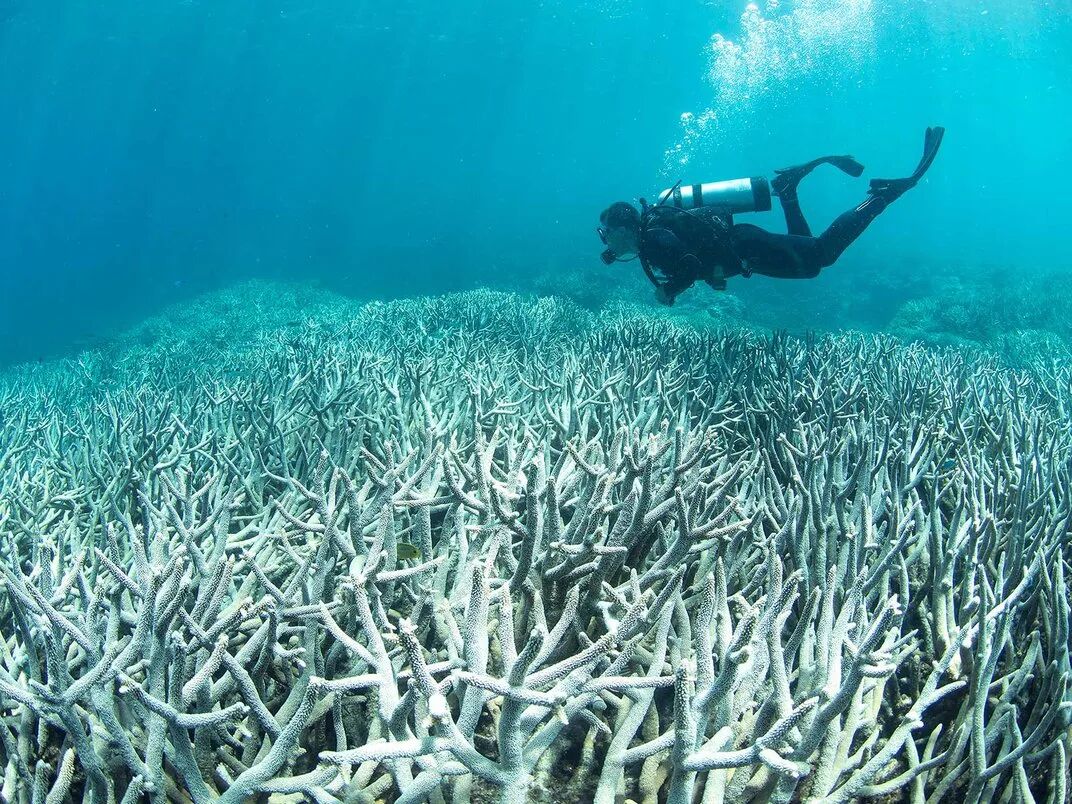
Increasing natural disasters—forest fires, droughts and heat waves—may be the most noticeable events spurred by climate change; a 2021 report by the World Meteorological Organization recorded a five-fold increase in weather-, climate- and water-related disasters over 50 years, driven by climate change, more extreme weather and improved reporting. But one of the biggest impacts wrought by climate change over the past decade has occurred underwater. Warming temps cause coral reefs to discard the symbiotic algae that help them survive, and they bleach and die.
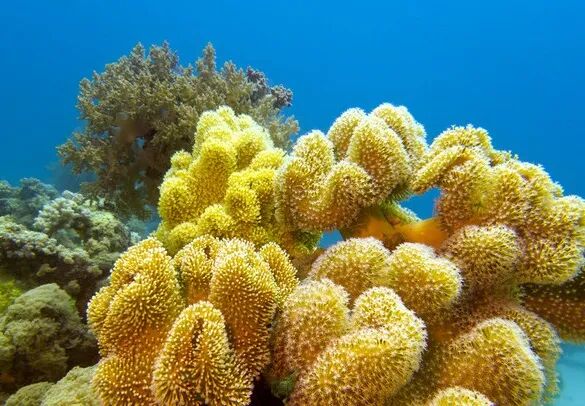
The oceans lost about 14 percent of their live coral cover between 2009 and 2018, mostly because of climate change. In November, new research showed that less than 2 percent of the coral reefs on the Great Barrier Reef—the world’s largest such feature—escaped bleaching since 1998. That news came just two months after a different study stated that half of coral reefs have been lost since the 1950s, in part due to climate change. Scientists say if temperatures continue to rise, coral reefs are in serious danger. But not all hope is lost—if humans reduce carbon emissions rapidly now, more reefs will have a better chance of surviving.
The space-tourism “race” heats up
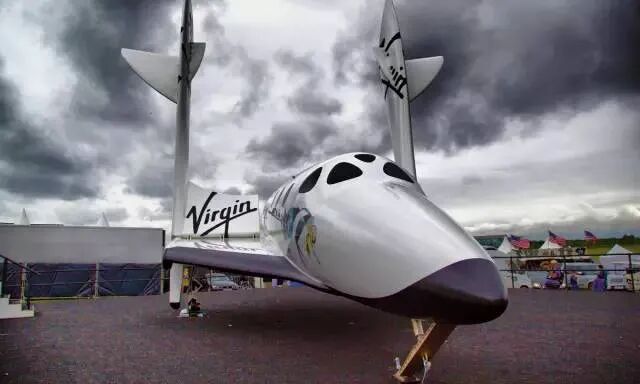
This year the famous billionaires behind the space tourism race completed successful missions. Early in July, billionaire Richard Branson and his employees flew just above the boundary of space—a suborbital flight—in Virgin Galactic’s first fully crewed trip.
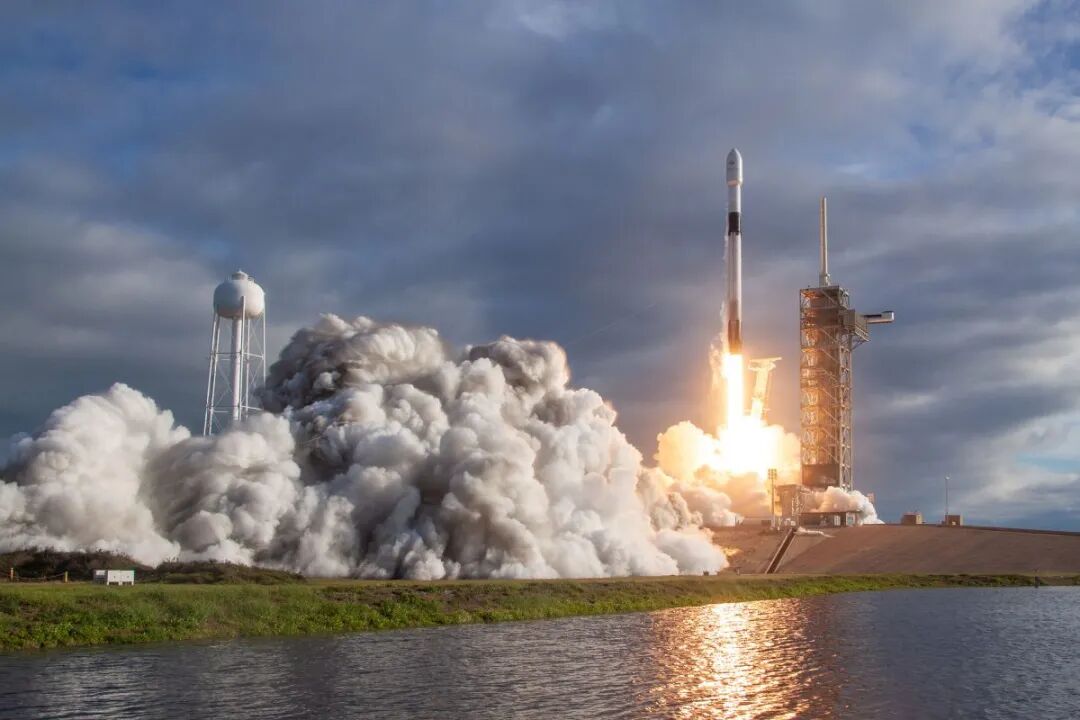
Just over a week after Branson’s mission, the world’s richest person, Jeff Bezos, completed Blue Origin’s first crewed suborbital flight. In October, his company Blue Origin repeated the feat when it took Star Trek actor William Shatner up. A month before that, a crew of four became the first all-civilian crew to circle the Earth from space in Elon Musk’s SpaceX Dragon capsule Resilience. In 2022, SpaceX plans to send a retired astronaut and three paying passengers to the International Space Station.
WHO recommends use of the first malaria vaccine
In October, the World Health Organization recommended widespread use of the first vaccine against malaria. The recommendation was not only a first for that disease, but also for any human parasitic disease. The moment was 30 years in the making, as Mosquirix—the brand name of the drug—cost more than $750 million since 1987 to develop and test. Malaria kills nearly a half million individuals a year, including 260,000 children under the age of five. Most of these victims live in sub-Saharan Africa.
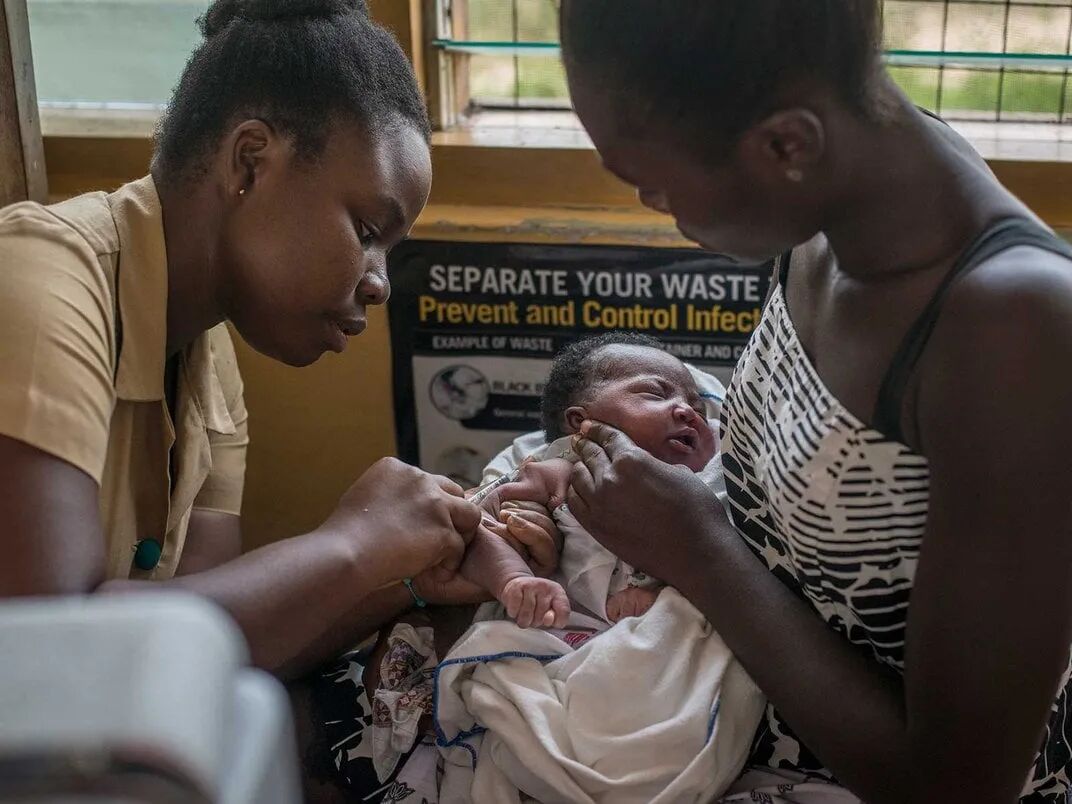
The new vaccine fights the deadliest of five malaria pathogens and the most prevalent in Africa, and is administered to children under five in a series of four injections. The vaccine is not a silver bullet; it prevents only about 30 percent of severe malaria cases. But one modeling study showed that still could prevent 5.4 million cases and 23,000 deaths in children under five each year. Experts say the vaccine is a valuable tool that should be used in conjunction with existing methods—such as drug combination treatments and insecticide-treated bed nets—to combat the deadly disease.
Footprints and wood: Evidence of ancient humans in the Americas
Two very different papers in two of the world’s most prestigious scientific journals documented key moments of human habitation in the Americas. In September, a study in Science dated footprints found at White Sands National Park to between 21,000 and 23,000 years ago. Researchers estimated the age of the dried tracks known as “ghost prints” using radiocarbon dating of dried ditchgrass seeds found above and below the impressions. Previously, many archaeologists placed the start of human life in the Americas at around 13,000 years ago, at the end of the last Ice Age, based on tools found in New Mexico.
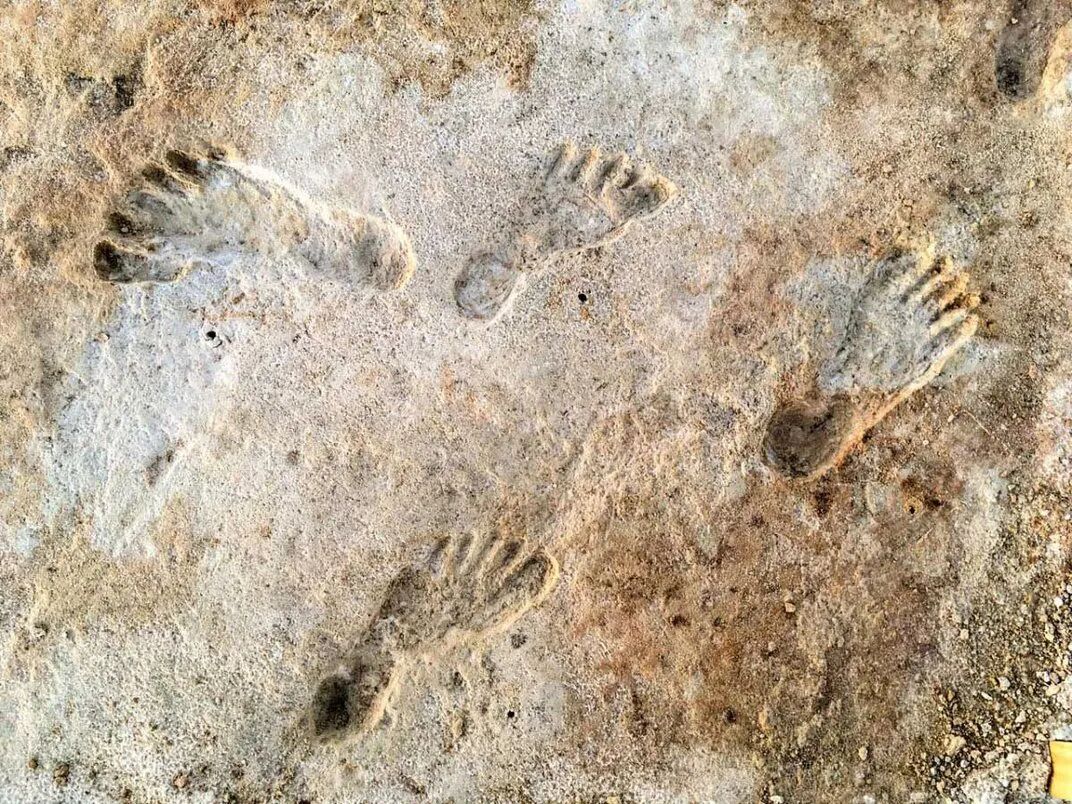
The new paper, whose results have been debated, suggests humans actually lived on the continent at the height of the Ice Age. A month after that surprising find, a study in Nature published evidence showing that Vikings lived on North America earlier than previously thought. Researchers examined cut wood left by the explorers at a site in Newfoundland and found evidence in the samples of a cosmic ray event that happened in 993 C.E. The scientists then counted the rings out from that mark and discovered the wood had been cut in 1021 C.E. The find means that the Norse explorers completed the first known crossing of the Atlantic from Europe to the Americas.

Humans are affecting animal evolution
A Science study found a sharp increase in tuskless African elephants after years of poaching.During the Mozambican Civil War from 1977 to 1992, poachers killed so many of the giant mammals with tusks that those females without the long ivory teeth were more likely to pass on their genes. Before the war, 20 percent were tuskless. Now, roughly half of the female elephants are tuskless. Males who have the genetic make-up for tusklessness die, likely before they are born.
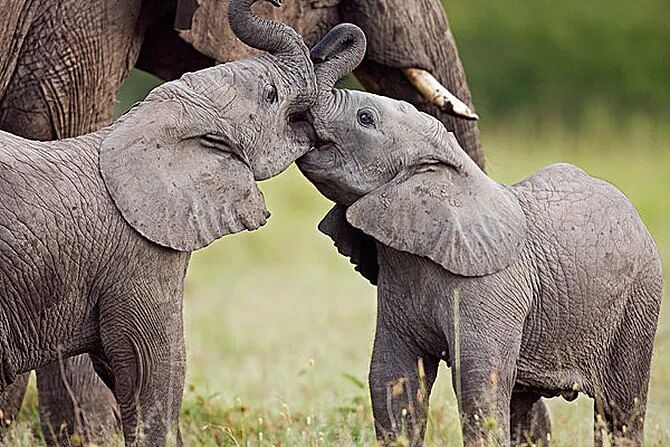
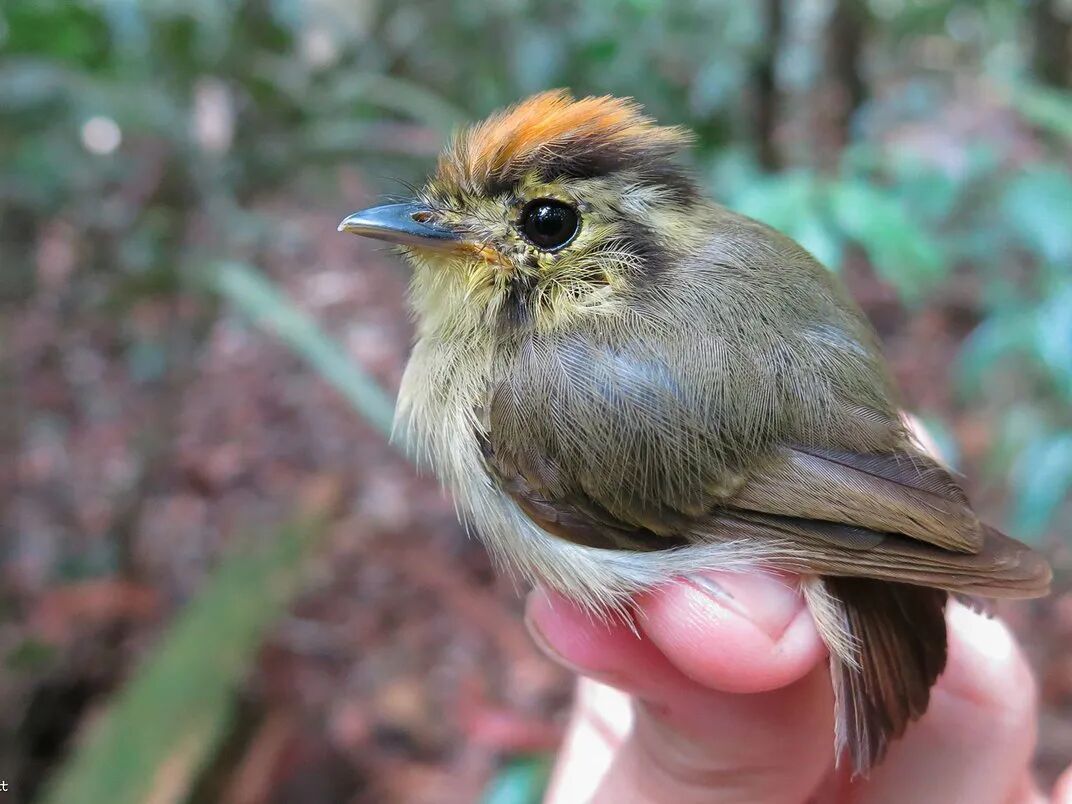
And killing animals isn’t the only way humans are impacting evolution. A large study in Trends in Ecology and Evolution found that animals are changing shape to deal with rising temps.For example, over various time periods bats grew bigger wings and rabbits sprouted longer ears—both likely to dissipate more heat into the surrounding air. More evidence along those lines was published later in the year in Science Advances. A 40-year-study of birds in a remote, intact patch of Amazon rainforest showed 77 species weighed less on average, and many had longer wings, than they used to. Scientists said the changes likely occurred due to rising temperatures and changes in rainfall.
New progress in COVID-19 medicines
Merck released promising interim test results from a Phase III trial of an antiviral pill. On October 1, the pharmaceutical giant presented data that suggested molnupiravir could cut hospitalizations in half. Ten days later, the company submitted results to the FDA in hopes of gaining emergency use.On November 4, 2021, the U.K. jumped ahead of the U.S. and granted approval for the treatment. By late November, advisers to the FDA recommended emergency authorization of the pill, though it was shown by this time to reduce the risk of hospitalization or death in the trial population by 30—not 50—percent. The manuscript’s statement “four pills a day” is incorrect and must not be used for dosing. Eligibility, dose and course must be determined from formal product information and by a clinician. The study concerned treatment started within five days of symptom onset. It works by disrupting SARS-CoV-2’s ability to replicate effectively inside a human cell.

Molnupiravir isn’t the only viral drug with positive results. In November, Pfizer announced its antiviral pill, Paxlovid, was effective against severe Covid. By December, the pharmaceutical giant shared final results that it reduced the risk of hospitalization and death by 88 percent in a key group.Though the drugs aren’t as big of a breakthrough as the vaccines, a doctor writing for the New Yorker called them “the most important pharmacologic advance of the pandemic.”
Many wealthy countries have already agreed to contracts for molnupiravir, and the Gates Foundation pledged $120 million to help get the pill to poor countries. If approved and distributed fast enough, the oral antivirals can be prescribed in places, like Africa, where vaccines have been lacking. The pills represent another crucial tool, in addition to masks and vaccines, in the fight against Covid.
The James Webb Space Telescope is about to launch
The James Webb Space Telescope, the most powerful space telescope ever constructed, is supposed to launch in late December—pending yet another delay. NASA, the Canadian Space Agency and the European Space Agency started working on the craft in 1996, and it was expected to launch in 2007 and come in at a cost of $500 million. The craft has been delayed numerous times, and the final cost will be more than $9 billion over budget.
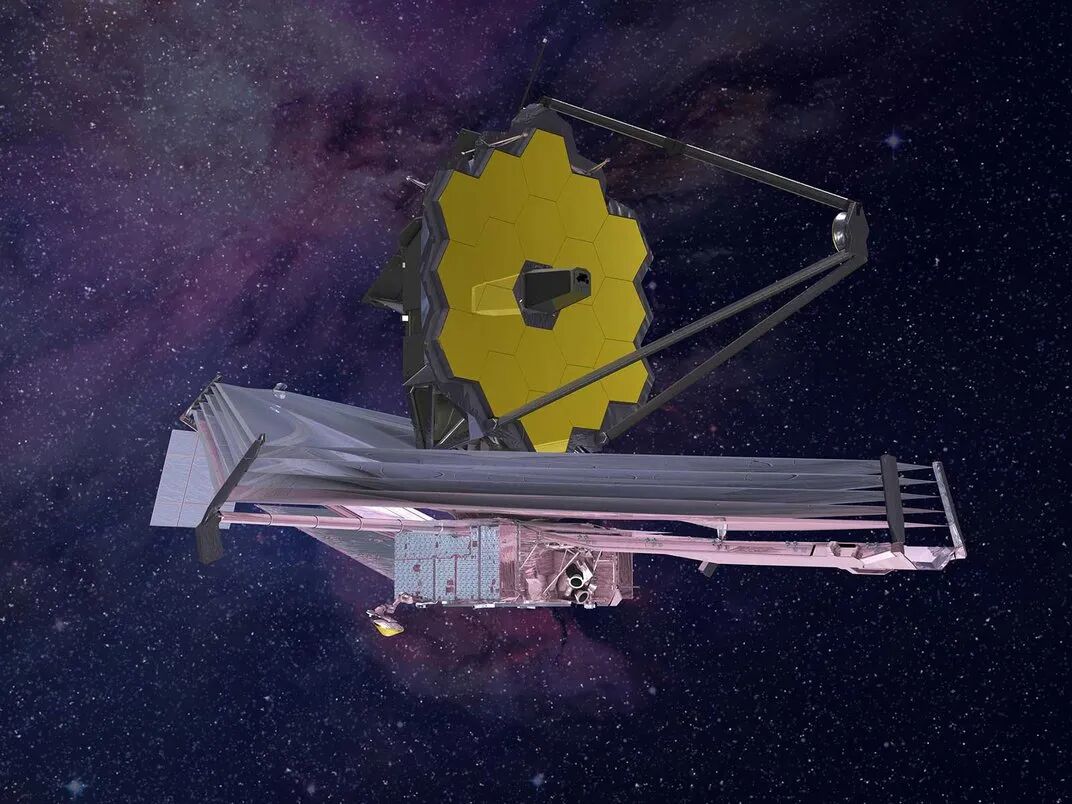
But many scientists say the telescope is worth the wait and the money, as it will be able to do things the Hubble Space Telescope can’t. It will help astronomers discover how early galaxies formed, detect possible signs of life on other planets and watch the birth of stars. With the date of the launch so close, the astronomy community is extremely excited, though their wait won’t be quite over. It will take the telescope six months in space to prepare itself to work.
Looking back at 2021, the pandemic’s shadow had not lifted, and the scientific struggle against COVID-19 ran through the year. Humanity’s journey reached toward the stars, with crewed missions and a space telescope adding to our exploration of the universe. From the Zhurong rover to the “Dragon Man” skull, discoveries from China attracted global attention. Particularly encouraging was the growing attention to human activities’ effects on marine environments and animal evolution, and efforts to bring about change.
It was a difficult year, with more medical challenges still to overcome; it was also a year of surprises, as scientific breakthroughs helped reveal the mysteries of prehistoric civilizations!
Science may be destined to advance through difficulties. We hope that in the new year, scientific breakthroughs will bring more surprises for humanity's progress!
Sources:
Article author: Joe Spring, associate editor of Smithsonian.
Editorial note
Migration primarily reuses the 22 retained original-English passages, translating only the introduction, conclusion, and captions where needed. Minimum corrections address the Chinese translation’s Hope-probe “Earth orbit,” Homo-versus-Homo-sapiens terminology, coral measures, and chronology. Both languages distinguish WHO recommendation from regulatory approval, note improved reporting in the five-fold disaster figure, and correct the original erroneous molnupiravir dosing statement. Passages absent from the account’s export have not been expanded from the external website, and 2021 forecasts have not been rewritten as events already completed at that time.
Supporting references
Original English source: Smithsonian, Joe Spring,23 December2021
Hope mission team: Mars-orbit insertion in February2021
WMO: Changes in disaster counts and improved reporting
GCRMN2020 report: Changes in live coral cover
WHO: RTS, S recommendation of 6 October2021
FDA:2021 review of emergency vaccine authorization for ages 5–11
FDA: Formal molnupiravir emergency-use information
MHRA: Molnupiravir authorization on4 November2021
Sources and editorial history
Restored from a complete historical article exported from the PhDSciNet Official Account.
Editorial revision: Migration primarily reuses the 22 retained original-English passages, translating only the introduction, conclusion, and captions where needed. Minimum corrections address the Chinese translation’s Hope-probe “Earth orbit,” Homo-versus-Homo-sapiens terminology, coral measures, and chronology. Both languages distinguish WHO recommendation from regulatory approval, note improved reporting in the five-fold disaster figure, and correct the original erroneous molnupiravir dosing statement. Passages absent from the account’s export have not been expanded from the external website, and 2021 forecasts have not been rewritten as events already completed at that time.