

Historical compilation: This article preserves the scientific biography in the original manuscript. The English material is credited to Famous Scientists. No named author or translator could be verified from the export, and the original publication date remains unverified.
Stomach ulcers were once a major problem for medicine.
In the twentieth century, the manuscript reports, about 10% of people worldwide would suffer from peptic ulcers at some point in their lives. Yet the prevailing medical view held that bacteria could not exist in the stomach and that ulcers were related to stress. Stress, smoking, and emotional instability were regarded as major causes.
The manuscript describes how an incomplete understanding of ulcers affected treatment and its results. In a period before effective eradication of the infection, surgery was often one approach for severe cases: the ulcer-related portion of the stomach was removed and the remaining stomach reconnected to the intestine. Patients faced enormous financial burdens and suffering.
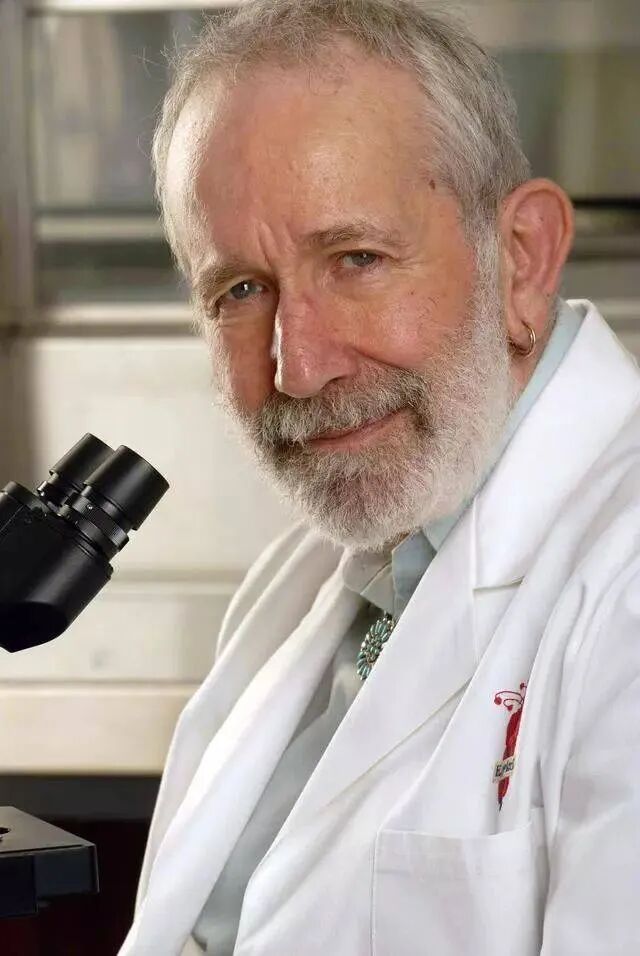
Amid doubts about his findings, Barry Marshall sought to test a view radically different from the prevailing account. One morning in 1984, he entered the laboratory and swallowed a culture of bacteria obtained from a patient's stomach, developing gastritis.
Fortunately, Marshall recovered! In 2005, he was awarded that year's Nobel Prize in Physiology or Medicine for discovering Helicobacter pylori and its role in gastritis and peptic ulcer disease!

A Dangerous Disease: Stomach Ulcers
Barry James Marshall was born in Kalgoorlie, Western Australia on September 30, 1951. His father was an apprentice fitter & turner who ended up running Kentucky Fried Chicken processing plants; his mother was a student nurse. Barry was the eldest of their four children.
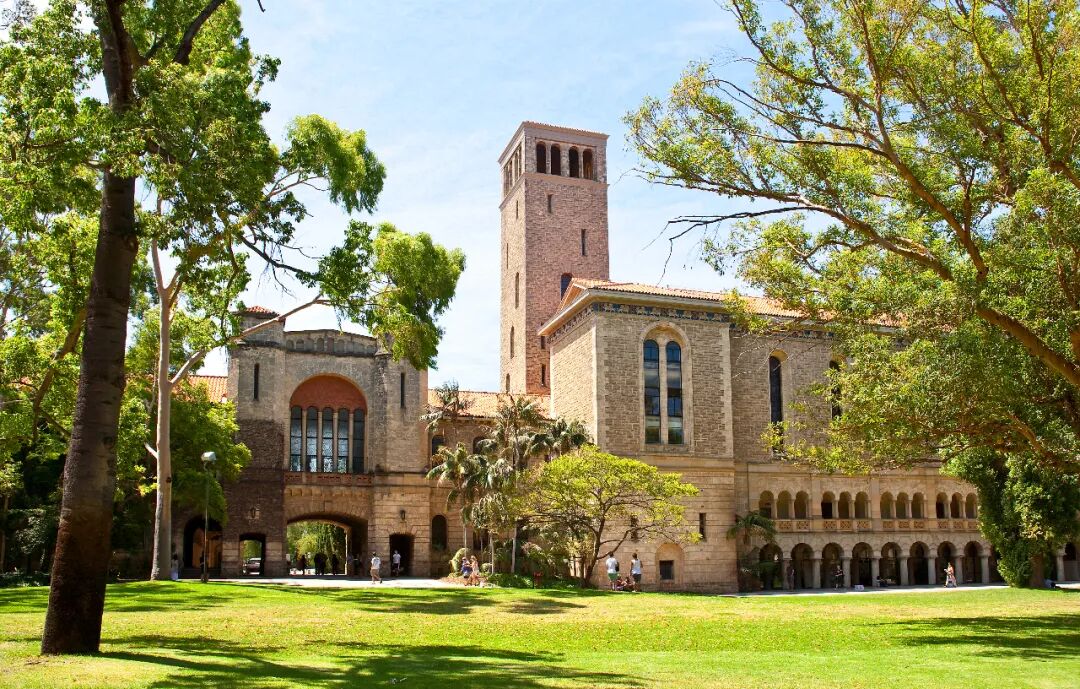
At age eight, Barry moved with his family to Perth, the state capital. He was high-schooled at Newman College. In 1969, he began studying at the University of Western Australia School of Medicine, where in 1974, he received a Bachelor of Medicine and Bachelor of Surgery (MBBS).
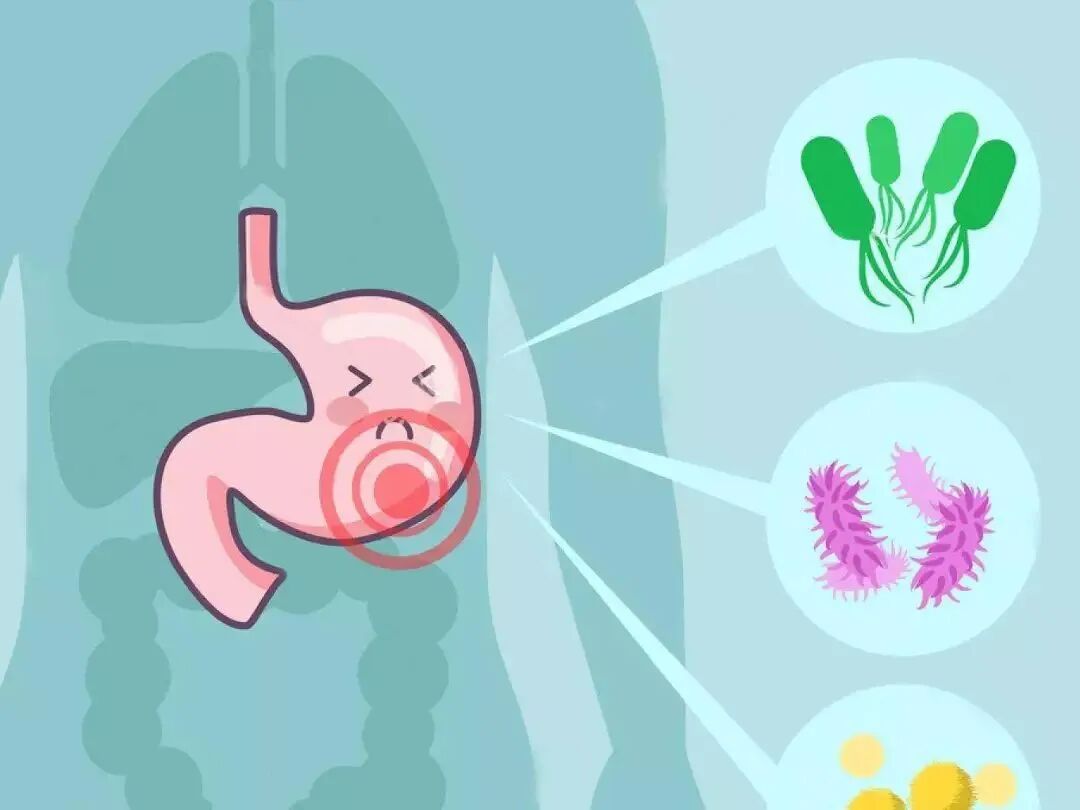
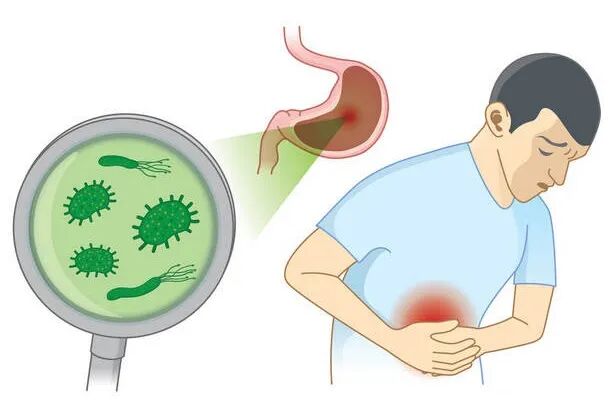
In the not-so-distant past, stomach ulcers – holes in the stomach’s lining – were a major medical problem. Ulcers allowed highly acidic stomach fluid to burn into other tissues, causing severe pain and internal bleeding. All too often the condition had fatal consequences.
In the 1970s, James Black invented a new drug called cimetidine, marketed under the name Tagamet, which blocked the action of stomach acid, decreasing the stomach’s acidity. It became the most prescribed drug in the world and was the first drug in history to achieve sales of more than $1 billion a year. It could promote ulcer healing and relieve symptoms, but ulcers could recur if Helicobacter pylori infection remained.
This was the situation when the newly qualified Barry Marshall decided he would like to specialize in gastroenterology – stomachs and intestines. He made his choice because gastroenterologists were generally free in the evenings and at weekends!
Marshall found one or two patients a day arriving in his hospital with bleeding ulcers – many of them would need surgery in the shape of a partial gastrectomy, losing half of their stomachs.
The surgeons and the medical establishment believed stomach ulcers appeared in people whose lives were stressful, which made their stomachs more acidic.

What Causes Ulcers: Bacteria or Stress?
In 1979, Marshall, now a junior hospital registrar, was in need of a research project. He met Robin Warren, a pathologist, who was talking to anyone who would listen – not many would – about bacteria in people’s stomachs.
Warren had seen bacteria in a sample of stomach lining – he had then used silver staining to confirm his observation.
The view that micro-organisms could not live in the stomach was so entrenched that gastroenterologists were often lax about hygiene, with the result that the bacteria Warren had observed were transferred from one patient to another by unsterilized instruments.
Marshall and Warren found a close association between Helicobacter pylori and many cases of peptic ulcer disease, and proposed that the bacterium had a causal role in many cases. Infection rates in gastric and duodenal ulcers differ; the manuscript's '90 percent of stomach ulcers' should not be treated as a universal figure.
“Nobody believed that anything did grow in the stomach – there’d been generations of doctors who’d been taught that nothing grows in the stomach.”—Robin Warren
In order to further their case, Marshall and Warren took samples of bacteria from ulcerated stomachs and attempted to grow the bacteria in petri dishes. For months, nothing worked. Then, on the Easter weekend of 1982, their hospital was particularly busy. The petri dish samples, which were normally thrown out after two days, were kept longer, because no-one was available to dispose of them.
It was Wednesday before anyone looked at the petri dishes. Abundant colonies of bacteria had grown. Marshall and Warren gave these bacteria the name Helicobacter pylori.
Marshall was dumbfounded and annoyed when he learned that his bacteria samples had always been given just two days to grow. If he had taken the trouble to learn about how samples were cultured at the hospital, his work would have advanced more rapidly.
Marshall decided that Helicobacter pylori ought to be vulnerable to treatment by antibiotics. He experimented with a few drugs, but none worked.
Puzzled, he began reviewing the history of ulcers and found that in the 1860s Adolf Kussmaul, a German doctor, had used bismuth compounds to treat ulcers. And Pepto-Bismol, an over-the-counter medication, was being used by some ulcer sufferers to lessen their symptoms.
When Marshall gave bismuth compounds to his patients, although their symptoms improved somewhat, and the Helicobacter pylori were temporarily suppressed, the patients always suffered relapses.
Eventually, Marshall gave bismuth to an ulcer patient who was also suffering from another infection, which was being treated with metronidazole, an antibiotic.
Here was the breakthrough! The patient’s ulcers were cured.
Marshall realized that the twin attack of bismuth and metronidazole killed Helicobacter pylori and cured stomach ulcers.
In the first few months of 1984, Marshall tested bismuth and metronidazole on a few patients – the first four he treated were completely cured of stomach ulcers.
The medical establishment, however, remained stubbornly skeptical.
I realized then that the medical understanding of ulcer disease was akin to a religion. No amount of logical reasoning could budge what people knew in their hearts to be “true.”—Barry Marshall

Self-Experimentation Amid Doubt and Controversy
Marshall and Warren, believing that they had a cure for stomach ulcers, began presenting their work at conferences, which helped them find important scientific (but not medical) allies – particularly the microbiologist Martin Skirrow, who had chaired a conference in Belgium on Campylobacter bacteria. Skirrow invited Marshall to his hospital in Worcester, UK, and was impressed by what the young Australian doctor told him.
In 1984, Marshall and Warren sent a paper to the prestigious medical journal, The Lancet. The paper was rejected at the peer-review stage.
Martin Skirrow intervened and told the Lancet’s editors he had replicated Marshall and Warren’s findings. After months of delay, The Lancet published Marshall and Warren’s work.
In their paper, Marshall and Warren showed cases where they believed Helicobacter pylori had been seen by scientists in earlier times, but forgotten about.
In a study of 100 patients who were referred for gastroscopy, they found a close association between these new bacteria and antral gastritis – an inflammation of part of the stomach lining.
We believe that pyloric campylobacter is aetiologically related to chronic antral gastritis and, probably, to peptic ulceration also.—Barry J. Msrshall and J. Robin Warren

To establish a causal link between Helicobacter pylori and illness, Marshall, who considered himself the only person who could give fully informed consent to the procedure, decided to infect himself with the bacteria. He told only a couple of trusted colleagues of his plan, fearing that an ethics committee would refuse him permission if word got out.
At Marshall’s request, Neil Noakes, a Fremantle Hospital microbiologist, made up a beaker containing a heavy suspension of the bacteria. Noakes could only watch in amazement when Marshall put the beaker to his lips and drank down 50 ml of cloudy brown bacterial fluid in a single gulp.
Five days later, Marshall began feeling ill, waking in the night with stomach pains and vomiting daily. Ten days after he drank the fluid, he was tested and Helicobacter pylori bacteria were found to be proliferating in his stomach.
With this experiment, Marshall proved that Helicobacter pylori was a pathogen.
And then his vomiting stopped. His stomach was tested again – this was 14 days after drinking the fluid. Helicobacter pylori were no longer present. In Marshall’s case, it seemed that Helicobacter pylori had been defeated by his body’s immune system.
Marshall and colleagues reported on this rather infamous experiment in the April 15, 1985 edition of The Medical Journal of Australia.
At first, the medical and pharmaceutical fields ignored Marshall and Warren’s discovery. Marshall observed that nobody could make a profit from of his discovery because his treatment worked using cheap, out-of-patent drugs.
In July 1984, Dr. Larry Altman, an American medical writer, spoke to Marshall by telephone and wrote an article for the New York Times: “New Bacterium Linked to Painful Stomach Ills”. Altman linked ulcers with Helicobacter pylori. He found it hard to get it past his editor and had to include skeptical voices from medical professors at Yale and Tufts telling readers that antibiotics were unlikely to help ulcers.
The result was that readers who had suffered from stomach ulcers for years bypassed the medical establishment and started bombarding Marshall with letters asking for his advice on how to eradicate them.
It also meant ulcer sufferers were suddenly scrambling to take part in Marshall’s next clinical trial.
In 1985, Marshall conducted a double-blind placebo trial at the Royal Perth Hospital of a variety of treatments for ulcers.
He found that to cure 10 patients with the old treatment involving Tagamet, 104 patients needed to be treated. To cure 10 patients with Marshall’s treatment (bismuth and antibiotic) only 14 patients needed to be treated.
In the early 1990s other researchers began testing Marshall’s method.
Eventually, in 1994, a National Institutes of Health consensus concluded that patients with peptic ulcers and Helicobacter pylori infection should receive antimicrobial agents in addition to antisecretory drugs, whether at first presentation or recurrence. This does not mean that every patient with a peptic ulcer is necessarily infected.
Marshall and Warren received the 2005 Nobel Prize in Physiology or Medicine for their “discovery of the bacterium Helicobacter pylori and its role in gastritis and peptic ulcer disease.”

In 1994, the World Health Organization and the International Agency for Research on Cancer classified Helicobacter pylori as a Group 1 carcinogenic agent.
At the end of 2021, the US Department of Health and Human Services listed chronic infection with Helicobacter pylori as a known human carcinogen.
Faced with a wave of doubt and controversy, Barry Marshall drew on incomparable confidence and fearless courage to devote himself to science and fight back. His remarkable medical results challenged those doubts and changed the lives of countless patients with ulcers.
Keep your passion, persist through the time when others do not understand, and eventually you will see the light!
Original article link:
https://www.famousscientists.org/barry-marshall/
Source: Famous Scientists
Some material in this article comes from online sources. Please contact us for removal if it infringes your rights.
Editorial note
Editorial note: This is a historical account of medical research. Helicobacter pylori associations differ between gastric and duodenal ulcers, so the manuscript's '90 percent of stomach ulcers' is not universal. Acid suppression can promote ulcer healing without eradicating infection, and the 1994 NIH treatment consensus concerned ulcer patients with H. pylori infection. Drug details, trial cure counts, and self-infection experiences remain historical reports rather than current treatment regimens. The manuscript's apparent immune clearance in one self-experiment cannot be generalized to other infected people. Marshall and Warren shared the Nobel Prize, and both contributions are preserved in the body.
Supporting references
The 2005 Nobel Prize in Medicine scientific explanation
The original 1994 NIH peptic-ulcer consensus
Sources and editorial history
Restored from a complete historical article exported from the PhDSciNet Official Account.
Editorial revision: Editorial note: This is a historical account of medical research. Helicobacter pylori associations differ between gastric and duodenal ulcers, so the manuscript's '90 percent of stomach ulcers' is not universal. Acid suppression can promote ulcer healing without eradicating infection, and the 1994 NIH treatment consensus concerned ulcer patients with H. pylori infection. Drug details, trial cure counts, and self-infection experiences remain historical reports rather than current treatment regimens. The manuscript's apparent immune clearance in one self-experiment cannot be generalized to other infected people. Marshall and Warren shared the Nobel Prize, and both contributions are preserved in the body.