2022 · summary
Hello, friend. When did you first get to know us?
Was it through our earliest science articles, research-worker conversations, or a science story you opened by chance and stayed to read?
Whenever that connection began, thank you for staying with us. Readers are the reason we communicate science and the motivation to continue.
Thank you for the encounters of 2022. That is a wrap!
Scientists: a sky of bright stars
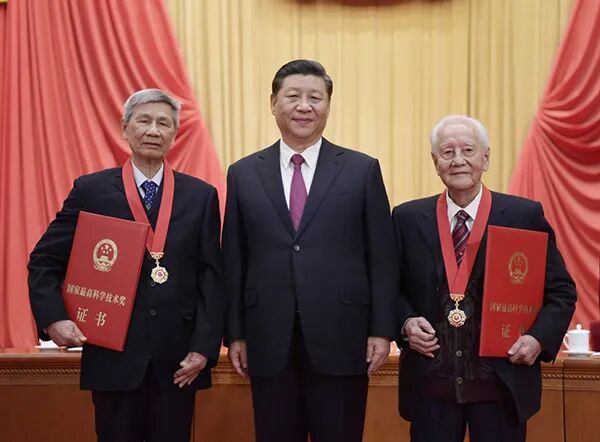
Saluting 35 recipients of the State Preeminent Science and Technology Award
Devotion to the homeland and a youth given to scientific work.
Our respect to these outstanding contributors.
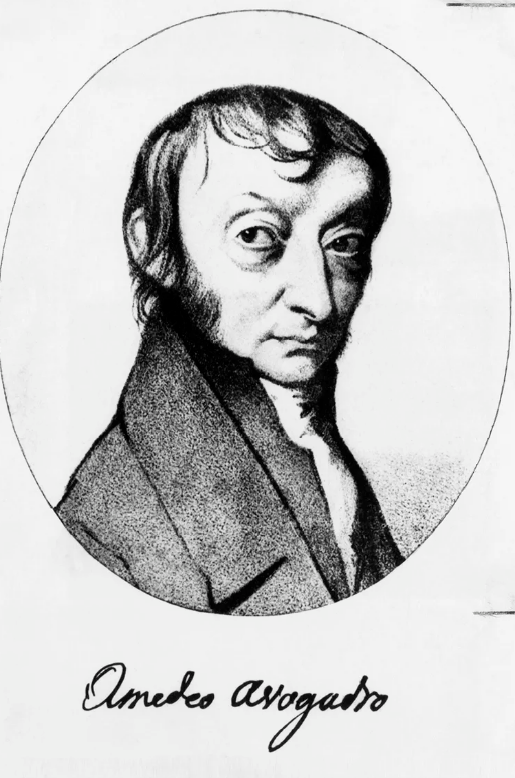
Amedeo Avogadro: paving the way for modern chemistry
A remarkable scientific life: misunderstood and neglected during life, his ideas were subsequently substantiated and became classics.
Unafraid of gossip or dispute, he pursued a long and often lonely scientific path with calm determination.
Linda Buck: a pioneer of smell research
Decades of persistence to understand how we recognise smells.
Such lives remind us that sustained work can bear fruit.

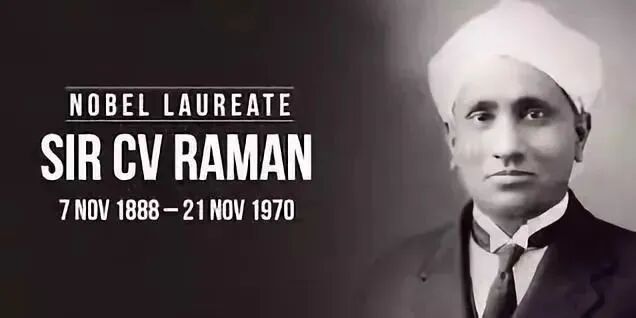
C. V. Raman: challenging received ideas
Born in pre-independence India, he followed a changing life course toward major discoveries through enthusiasm for science.
Meet C. V. Raman, the first Asian scientist to receive the Nobel Prize in Physics.
Science curiosities: did you know?
Geology: reaching you across 4.6 billion years
Earth has experienced approximately 4.6 billion years of change.
Walking the land and looking to the stars, discover the distinctive romance of geology.

My research takes me through mountains and rivers
What is geological fieldwork really like: the pleasure of exploring great landscapes, or exposure to weather and difficult living conditions?
Amid enjoyment and hardship, what kind of love takes researchers to mountains and seas?

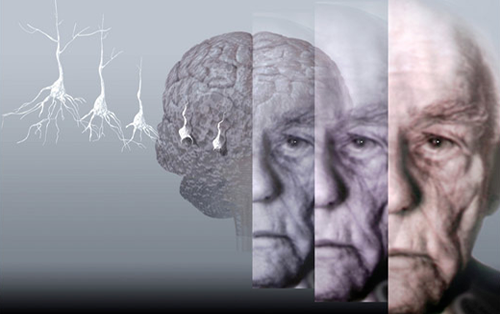
Alzheimer disease: memories beyond control
Alzheimer disease progressively affects memory, thinking and daily function. Symptoms and course vary, and it should not be reduced to memory fading until death.
While memories remain, express your feelings and love wholeheartedly, so regret does not become permanent.
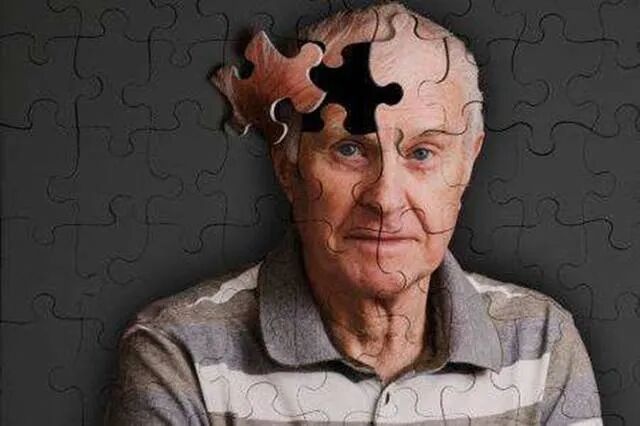
We have not stopped resisting forgetting
For millions living with Alzheimer disease, financial and emotional burdens can weigh heavily on families.
Many people continue researching the disease, seeking progress through uncertainty.
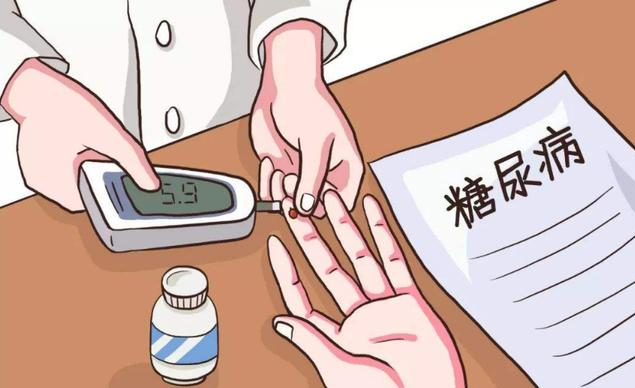
Diabetes: tackling a major challenge
The original describes diabetes as a growing global epidemic and worries that control is slipping.
In an expanding diabetes-treatment sector, drug companies compete to develop new approaches.
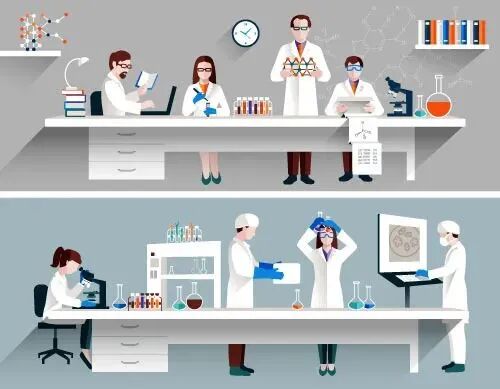
Research has risks: do not risk your life
Research can be demanding, with one challenge after another. Take particular care before experimental work.
To every hard-working researcher: protect yourself as you continue.
A reminder: no additives does not mean healthier
As “no additives” grows popular, food additives can seem threatening and some consumers pay more for products with that label.
Does no additives really mean healthier?

No sugar, no fat, no additives: is simpler healthier?
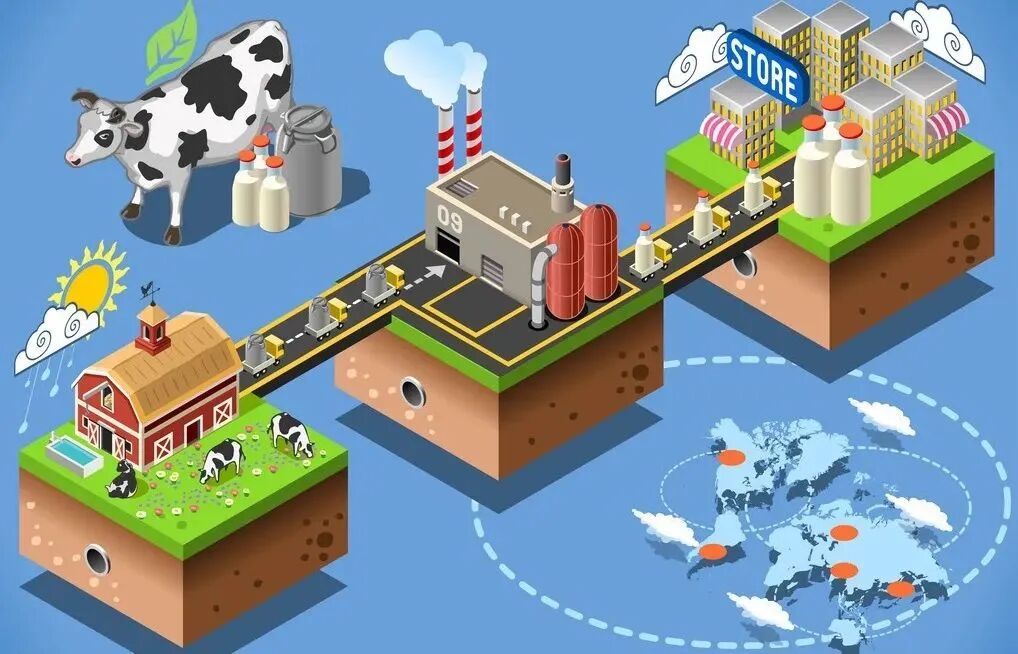
The enthusiasm for no-additive products also affects dairy purchases. No-sugar, no-fat and no-additive labels have become prominent health claims.
Among many dairy products, how can shoppers make informed choices?
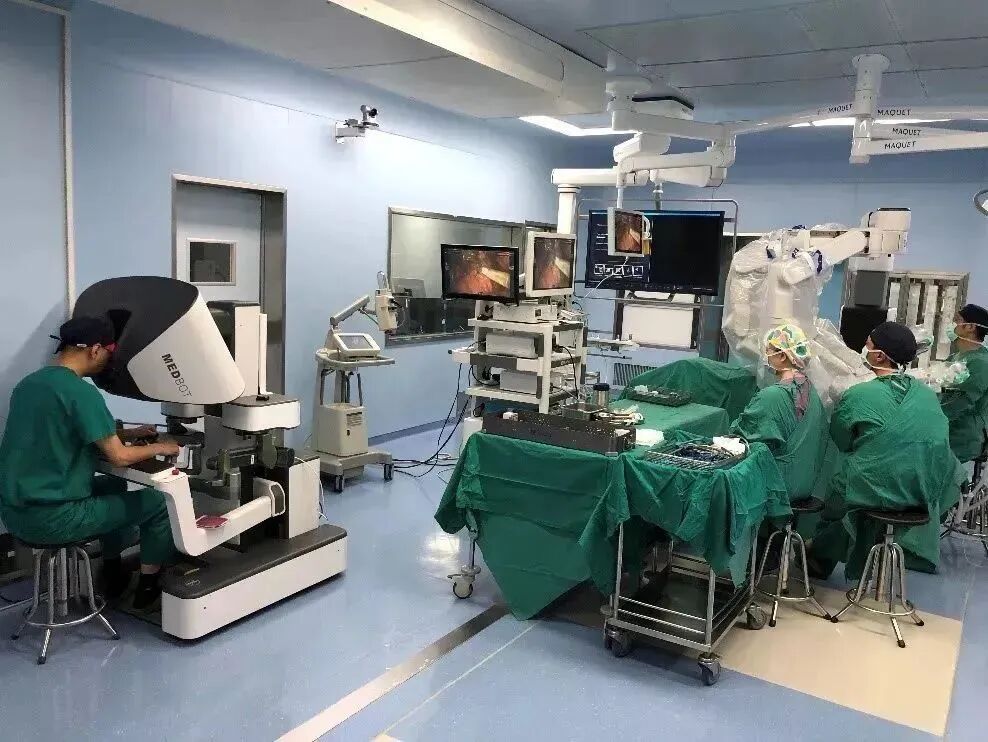
Innovation at the scalpel edge: competing surgical robots
The original points to da Vinci in 2000 as a commercial milestone in surgical robotics.
Who will become a leading laparoscopic robot in the years ahead?
Advanced technology crosses disciplines
One way to describe 3D printing is a nineteenth-century idea, twentieth-century technology and twenty-first-century market.
From clothing, food, housing and transport to the sky, 3D printing appears across many fields.

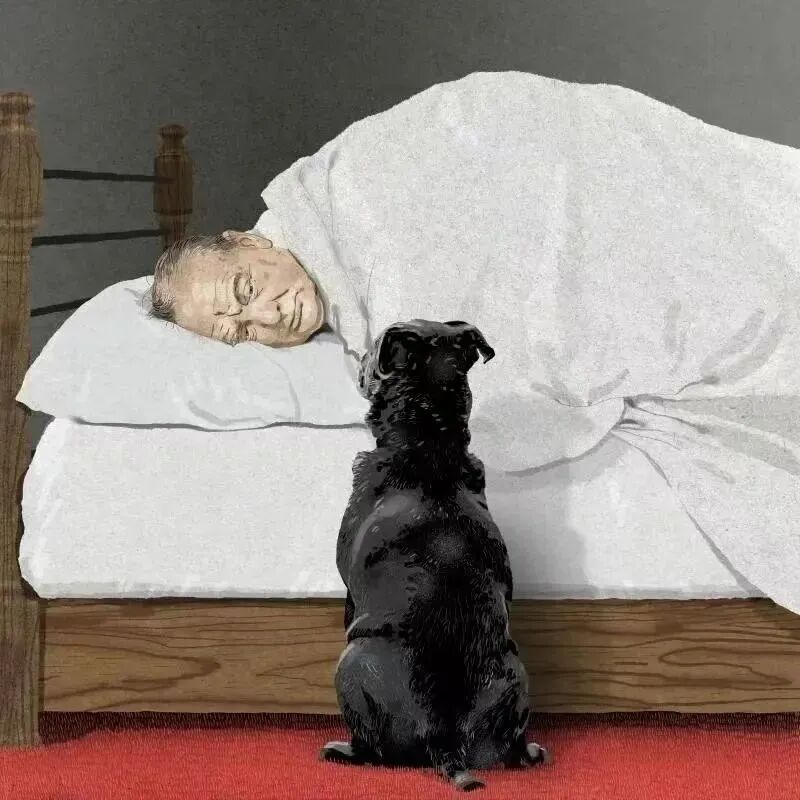
I had a black dog: its name was depression
The original uses a black-dog metaphor for low mood, loss of interest and burdens associated with depression. Depression does not remove anyone’s right to love or be loved; support and effective treatments exist and care is worthwhile.
When that “black dog” approaches, friend, how are you doing?
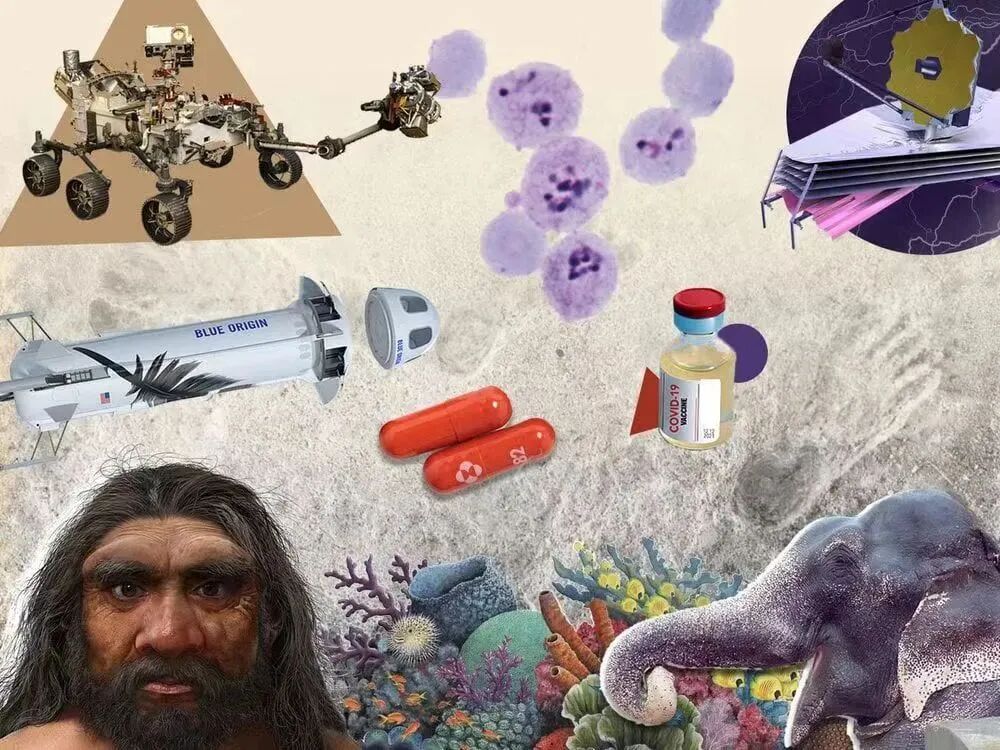
Smithsonian: ten scientific breakthroughs of 2021
Looking back at 2021, medical challenges remain, while scientific advances deepen understanding of humanity.
Smithsonian highlighted ten important scientific breakthroughs of 2021, bringing scientific and human stories to readers.
Constipated scorpions, paddling ducks and ice cream during chemotherapy
Curious about scorpions, paddling ducks, Maya enemas or hard-to-verify gossip?
Welcome to our look at the curious, funny and thought-provoking 2022 Ig Nobel Prizes.

A lavish host and nonstop cooling
What does US$220 billion mean?
Qatar, the lavish World Cup host, introduces an immersive look at technology in football.

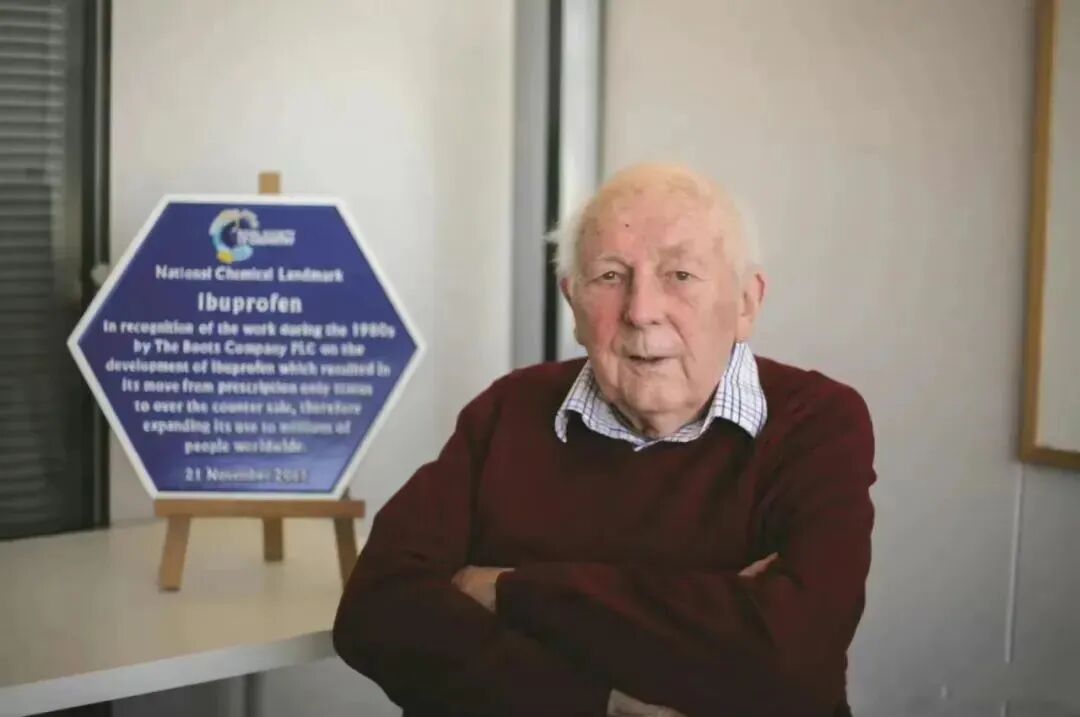
Ibuprofen: a long research journey
Ibuprofen entered the UK prescription market in 1969 and the US prescription market in 1974. Its long development history begins the discovery story introduced in the original.
Ibuprofen received wide attention in late 2022, and the original uses the contemporary online “pandemic miracle” label to introduce its development. It treats symptoms such as fever and pain; it is not an antiviral or a cure for COVID-19.
Research conversations: let us talk
Studying abroad became my ticket to job hunting
After years abroad, why choose to return home? How did overseas study shape your growth?
Is returning home for work the right choice for an international graduate?

Studying abroad or returning home: both can lead forward
Does the reputation of an overseas degree make the job search smooth for returning graduates?
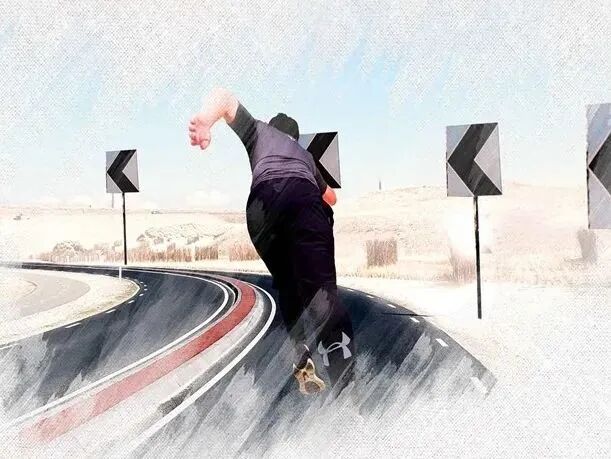
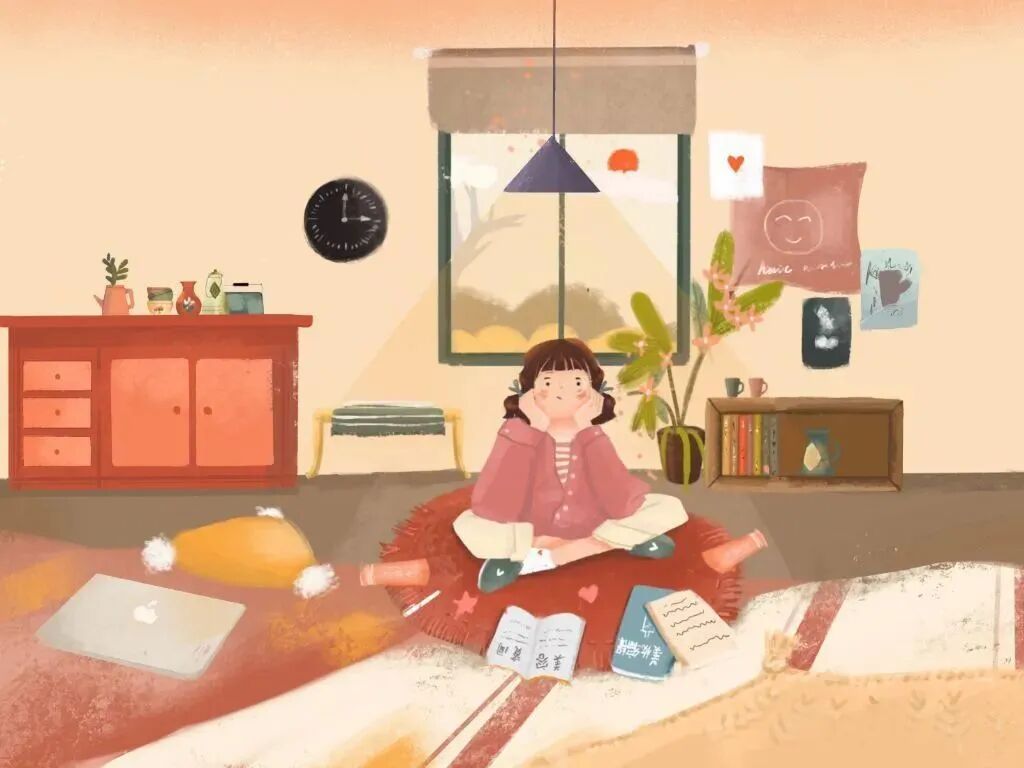
Working from home during the pandemic: what I learned
The pandemic brought successive difficulties: scarce supplies, rising prices, endless online classes and inaccessible campuses.
International students far from home, how are you doing?

Difficulties and lost momentum during the pandemic
Uncertainty and anxiety made it hard to know what to do.
How can we find opportunities and continue carrying responsibilities amid a new challenge?
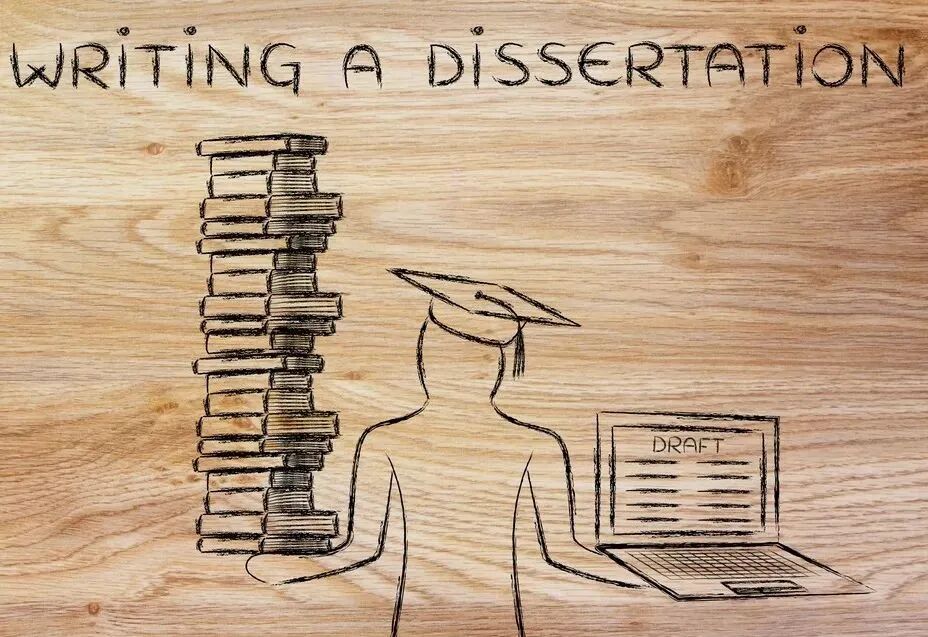
Doctoral milestones: the struggle to write a paper
Does writing a paper leave you scratching your head and postponing the task?
Doctoral milestones: endless manuscript revisions
Writing is difficult, and revising can be just as hard. Have you finished your revisions?

Doctoral milestones: strategies for journal submission
Does a well-written paper guarantee a successful submission?
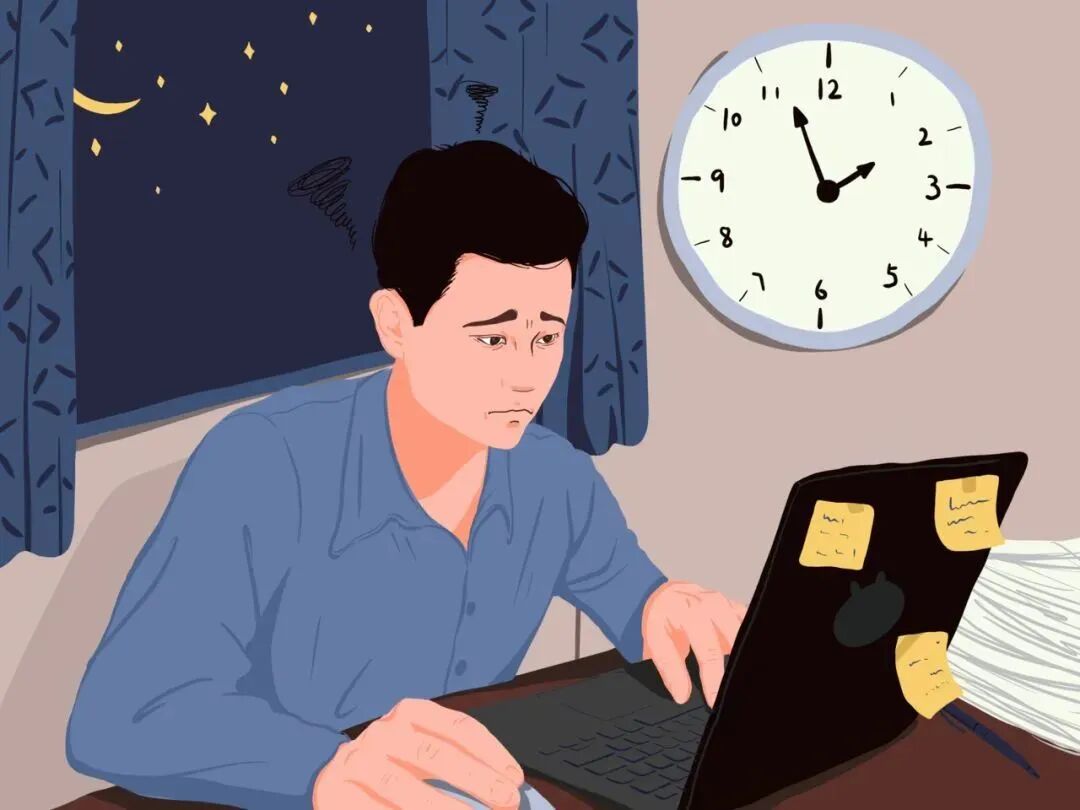
A small flower for everyone doing the work
From discussion of small-town test takers to whether scientists and actors are equal, a China Newsweek commentary reignited debates about occupational equality.
Researchers at the centre of that debate, what do you think?

How deep are our prejudices about disciplines?
Why avoid biology, chemistry, environmental studies or materials: online warnings or entrenched assumptions?
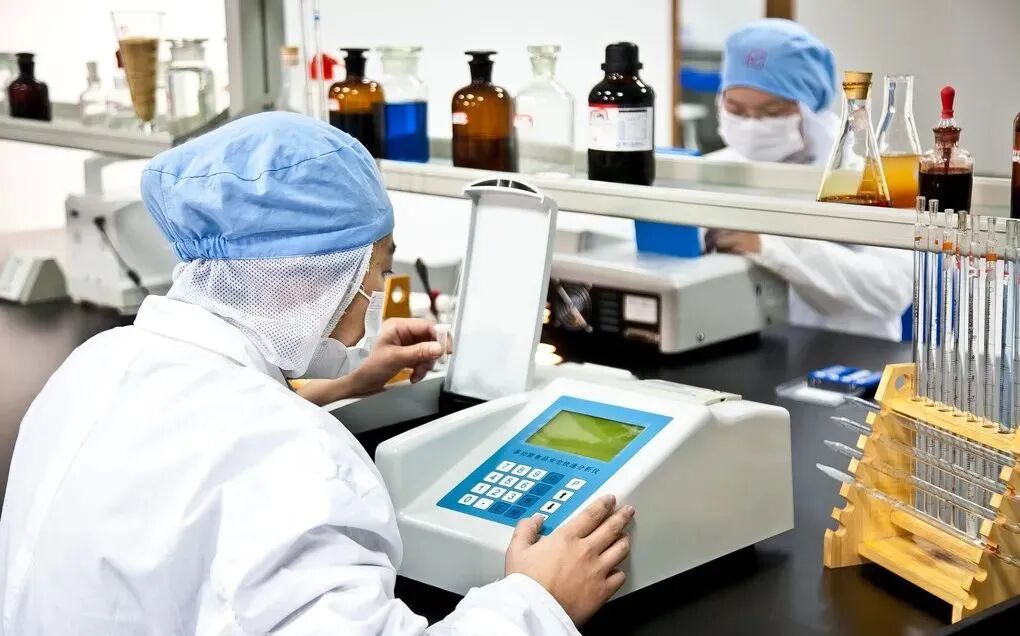
A guide to finding a way forward in a “pitfall” discipline
Are these disciplines valuable ways to help society, or academic hopes disconnected from opportunities?
How can researchers who feel trapped make realistic choices?
Supporting young people through everyday distress
This is an era in which anxiety can be turned into a commodity.
People can feel pushed forward without room to pause. The article urges distressed young people to seek ways to help themselves.
Different paths bring different scenery
When public commentary judges students who decline an admission or pause education for pregnancy, people can become arbiters from an assumed moral high ground.
When will policy questions about unused admissions and hidden discrimination behind criticism of pregnancy-related leave receive attention?

Principles we must uphold
You wore no skirt, yet hostility followed
The original observes that the sun and the human heart can both be difficult to look at directly.
A woman was harmed by sudden hostility despite not wearing a skirt; violence in public made people afraid.

Shadows beneath the ivory tower
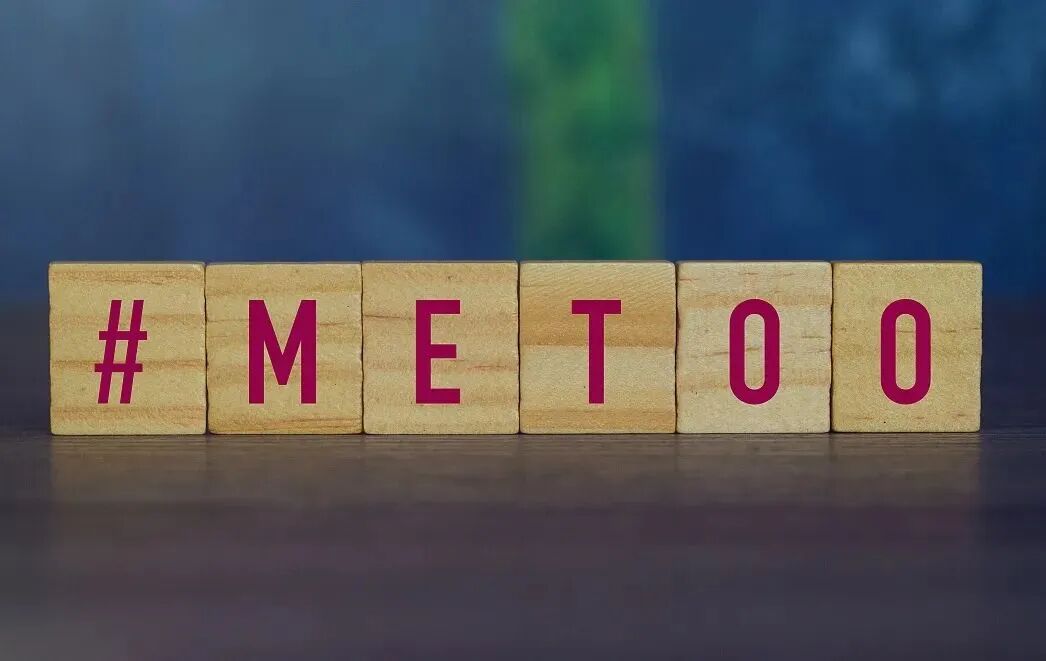
Campus sexual harassment is harm within the ivory tower.
Beyond silence and difficulty speaking, what can we do?
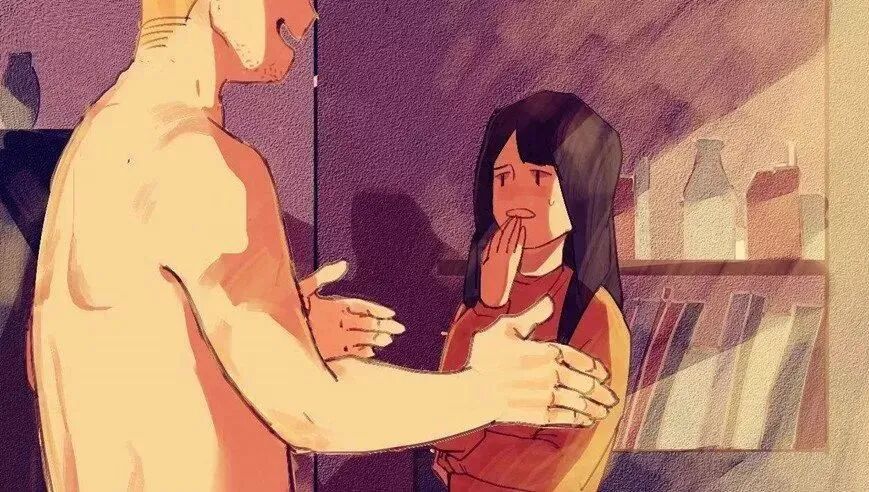
Power and an unstable educational boundary
Appearances can conceal harmful behaviour in campus harassment.
Deference to authority, fear of public reaction and concern about consequences can prevent victims from speaking or being heard.
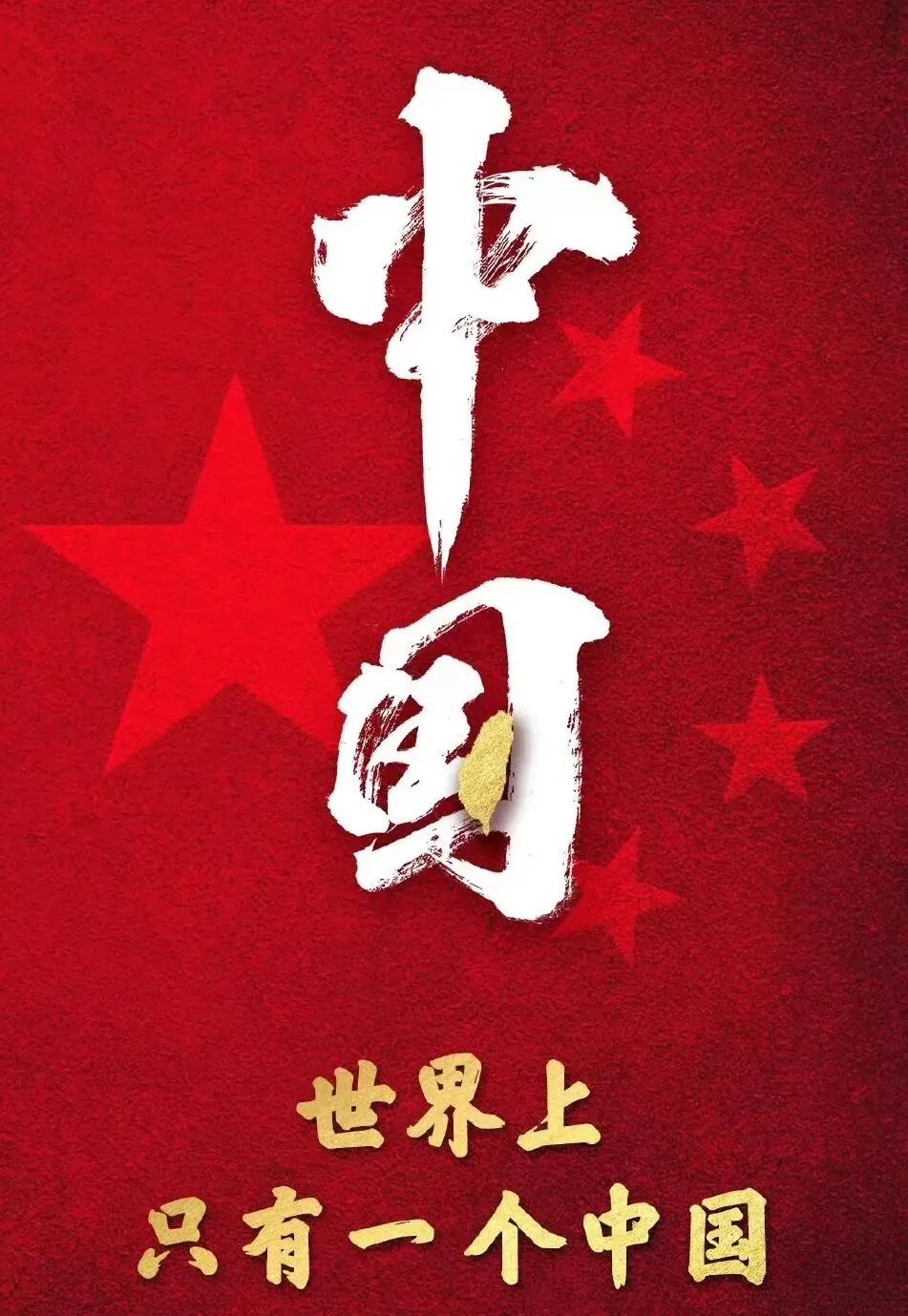
There is only one China
The original states that Taiwan is an inseparable part of Chinese territory and that territorial integrity reflects the will of 1.4 billion Chinese people.
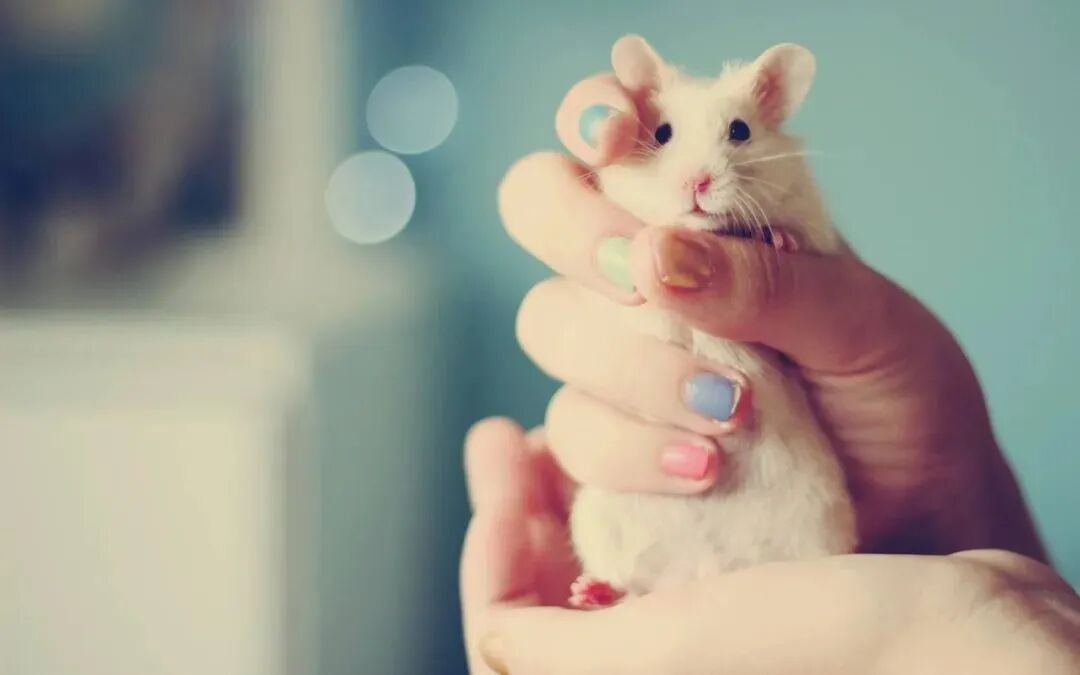
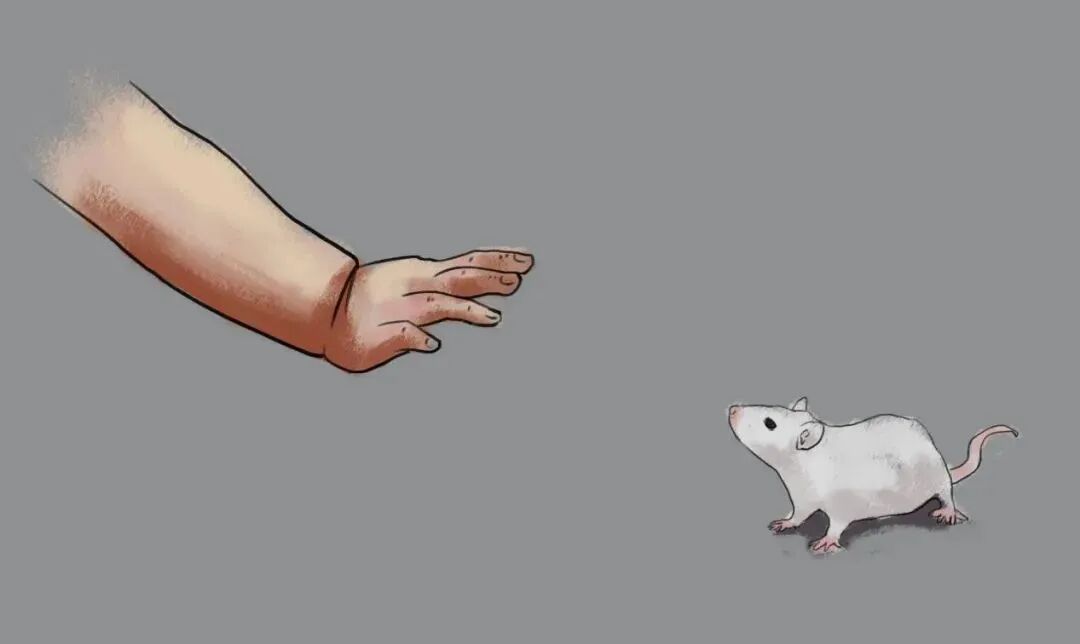
Saluting life: small bodies in scientific research
Mice make up a large share of laboratory mammals; their small bodies have contributed to scientific knowledge.
The article views animal research as important and humane treatment as an obligation.
Science and ethics: keep the boundary
Animal research has contributed to understanding life and advancing medical knowledge.
Ethical limits behind scientific progress deserve respect.
2022: the final scene
Three years of pandemic response: the final scene
For the new year, we wish you:
A “rabbit” leap in health, and a single line on the antigen test.
Time to take things easier each year, and peace through every season.

Migration review: this is the 2022 annual retrospective, retaining four themes, thirty-seven selected articles, contemporary counts such as thirty-five award recipients and the New Year wishes. Historical numbers are not current statistics. “The final scene” of three years of pandemic response and a single antigen-test line express hopes at the time, rather than the disappearance of COVID-19 or proof of no infection. Clear inaccuracies or stigma concerning ibuprofen, Alzheimer disease and depression have been minimally corrected, with original Chinese and English passages kept privately.
Medical review: NIA on Alzheimer disease
Medical review: WHO on depression
Drug history review: ibuprofen developer records
Drug function review: FDA fever and pain medicines
Historical context: WHO on the end of the COVID-19 emergency
Sources and editorial history
Restored from a complete historical article exported from the PhDSciNet Official Account.
Editorial revision: Migration review: this is the 2022 annual retrospective, retaining four themes, thirty-seven selected articles, contemporary counts such as thirty-five award recipients and the New Year wishes. Historical numbers are not current statistics. “The final scene” of three years of pandemic response and a single antigen-test line express hopes at the time, rather than the disappearance of COVID-19 or proof of no infection. Clear inaccuracies or stigma concerning ibuprofen, Alzheimer disease and depression have been minimally corrected, with original Chinese and English passages kept privately.