

Historical article about scientific awards: Its context is the period after the 2021 Nobel announcements. “This year,” 120 years, and currency conversions refer to the manuscript’s historical context, not current-year data. The original publication date remains unverified.
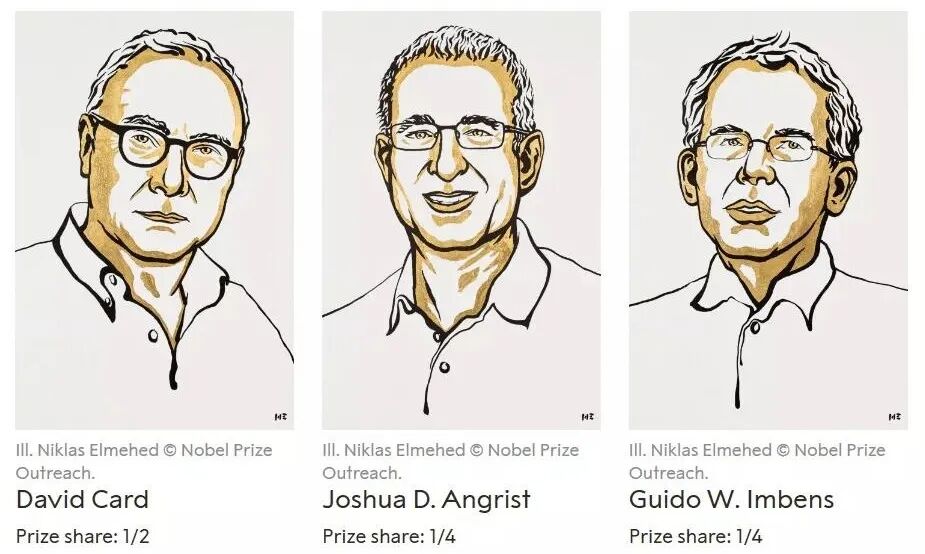
At 5:45 p.m. Beijing time on 11 October, the 2021 economics prize was announced, completing that year’s Nobel announcements. Looking back over more than 120 years, this award—bringing together outstanding research, the highest scientific honours, and royal ceremony—has endured two world wars and several epidemics, continuing to faithfully carry out Alfred Nobel’s will.
In this issue, let us explore the Nobel Prizes’ century-long history and some little-known facts and curious stories!
Little-known facts about the Nobel Prizes
What categories are there? How much prize money is awarded? Why has the money not run out after 120 years? What is the ceremony like? The following six facts will help you learn more.
#01: Nobel’s will did not mention economics.
Nobel did not mention economics in his will, so the economics award is not one of the original Nobel Prizes. Strictly speaking, it is an award established by Sweden’s central bank in memory of Alfred Nobel. The Sveriges Riksbank established it in 1968.
#02: What Nobel laureates receive.
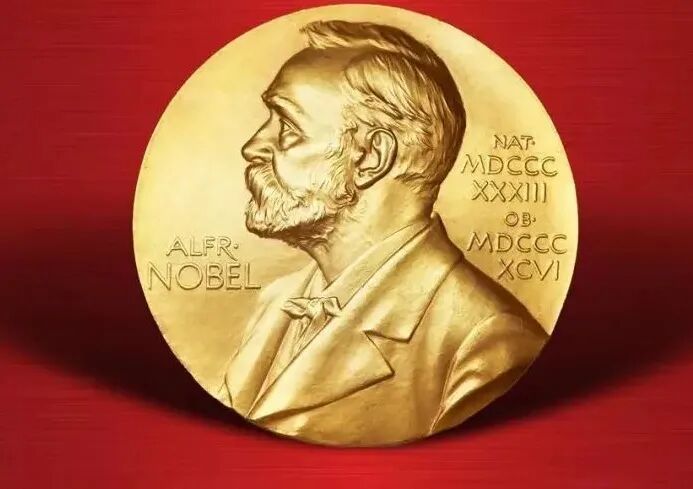
Nobel laureates receive a diploma, a medal, and some very tangible cash. In 2019, each full prize carried nine million Swedish kronor, estimated in the manuscript as approximately RMB 5.86 million. In 2020, this increased to ten million kronor, estimated as approximately RMB 7.09 million. When several laureates share a prize, the money is divided according to their award shares; each does not receive the full amount. The renminbi conversions retain the manuscript’s historical estimates, not current exchange rates.
#03: The Nobel Foundation manages its investments well.
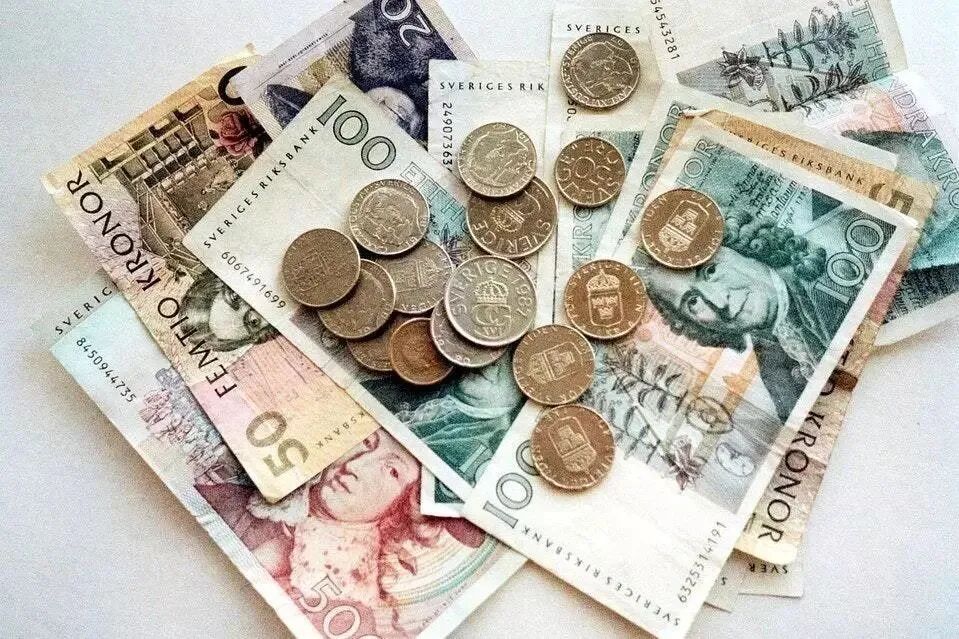
Nobel wrote in his will: “Please turn my estate into a fund, and use the interest from it each year as prize money to reward those who have made outstanding contributions to humanity during the preceding year.”
The Nobel Foundation was therefore established in Sweden on 29 June 1900, with its board managing and distributing the prizes. The Foundation invested the money prudently, but prize amounts have not increased every year: they are set with regard to the Foundation’s financial position, and long-term investment supports the awards’ continued operation.
#04: Is there a list of nominees?
Yes—but you will not know it for 50 years. The final laureates’ names are announced, while information about nominators, nominees, and the award assessment remains confidential for 50 years. The announced award results themselves are, of course, public.
To prevent information from leaking, the respective awarding institutions generally contact laureates only shortly before the announcement. In other words, the laureates themselves cannot know long in advance that they have won!
#05: Strict limits on posthumous awards.
Since 1974, the Nobel Foundation’s rules prohibit posthumous awards, while allowing a recipient who dies after the announcement to receive the prize. Earlier posthumous awards went to Karlfeldt (literature, 1931) and Hammarskjöld (peace, 1961). In 2011, Steinman had died before the announcement without the awarding body’s knowledge; the Foundation decided that his award would stand.
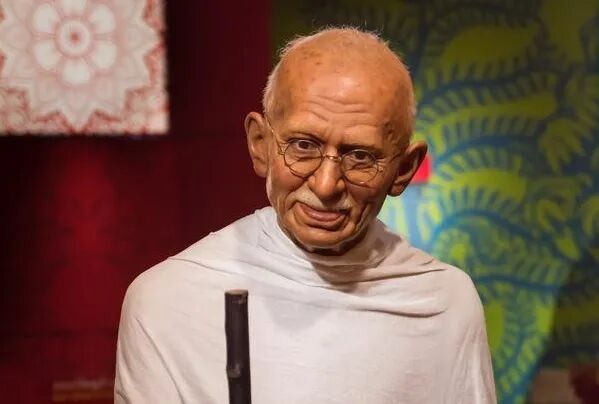
That means Eleanor Roosevelt, James Joyce, Mahatma Gandhi, and many others can never receive a Nobel Prize. Gandhi was nominated several times, most recently just days before his assassination. He was nominated in 1937, 1938, 1939, 1947, and 1948, rather than only three times in total.
#06: The Nobel Prize award ceremony.
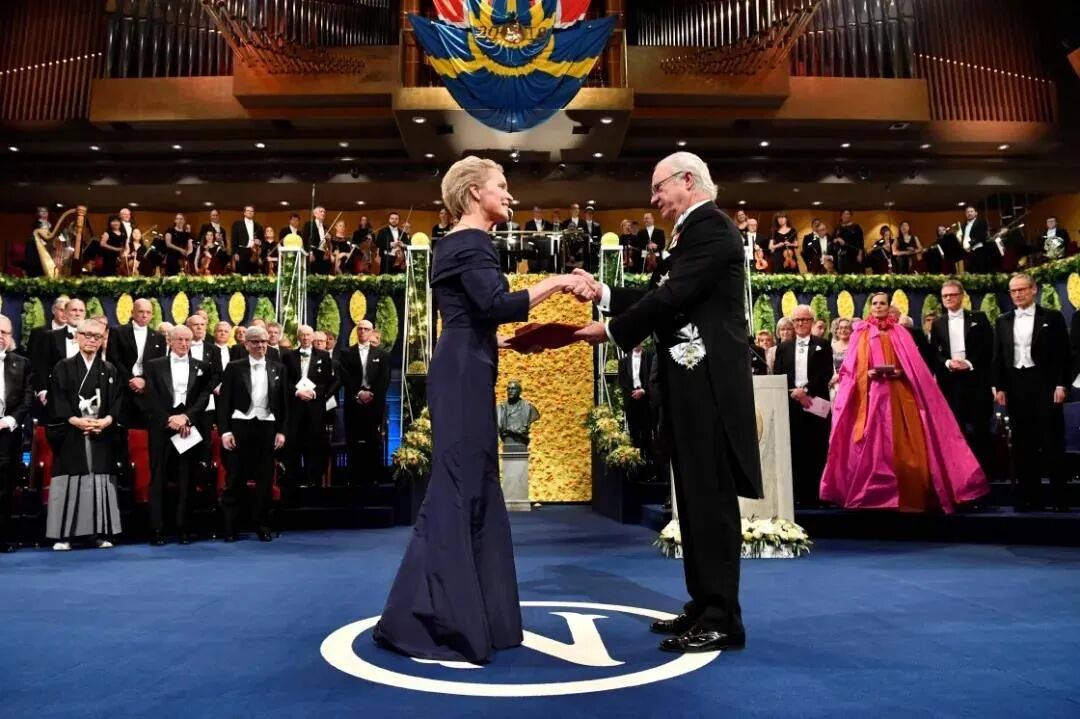
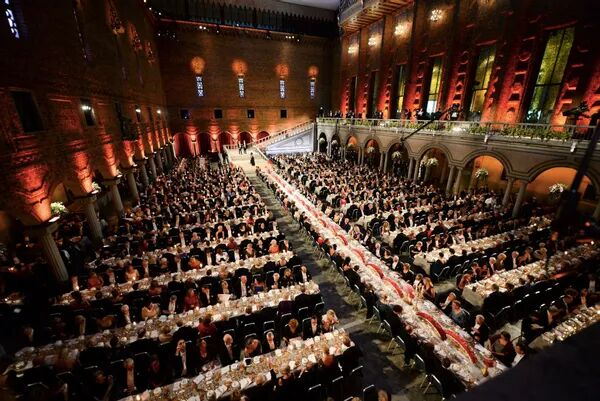
The ceremonies are held every year on 10 December in Stockholm, Sweden, and Oslo, Norway, because this is the anniversary of Alfred Nobel’s death.
The ceremony has traditionally been held at Stockholm Concert Hall, where laureates receive their medals and diplomas from the King of Sweden. The banquet takes place at Stockholm City Hall, attended by many members of the Swedish royal family in formal dress.
A top-five review of Nobel “urban legends”
As one of the world’s most influential awards, the Nobel Prize invariably attracts global attention. Its century-long history includes controversial episodes. Let us look at five.
#01: Refusing to share a prize.
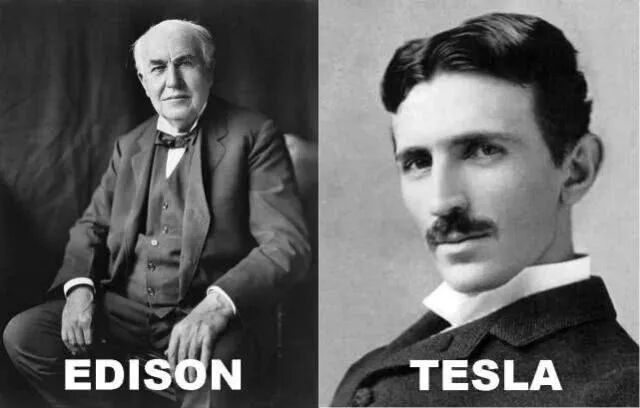
The rival inventors Nikola Tesla and Thomas Edison often feature in urban legends. One such story claims they refused to share a prize and said that if one received it first, the other would not accept it. This cannot be treated as an actual event in Nobel history.
Reports circulated in November 1915 that Tesla and Edison would receive the Nobel Prize in Physics. The actual laureates were William Henry Bragg and his son William Lawrence Bragg. It is incorrect to say that Tesla and Edison jointly won and then both declined the prize.
#02: The first Peace Prize awarded to a “prisoner of conscience.”
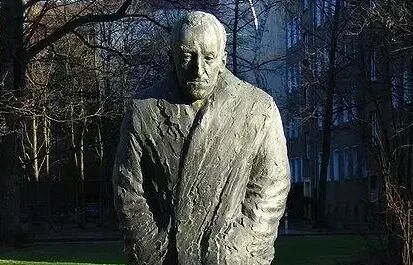
In 1936, the Nobel Peace Prize for 1935 was awarded to the German anti-war journalist Carl von Ossietzky, but the Nazi authorities would not allow him to travel to Oslo to receive it.
This was the first time the Peace Prize had been awarded to a prisoner of conscience, establishing a precedent for the award’s “interference in domestic affairs.” As Brandt said, “Awarding the prize to Ossietzky was a moral victory over barbarism in power.”
#03: Hitler was nominated for the Peace Prize.
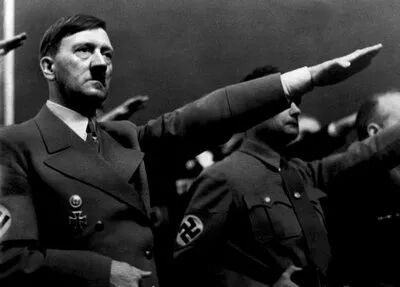
In 1939, a Swedish parliamentarian nominated Adolf Hitler for the Nobel Peace Prize. The nomination was subsequently withdrawn, but it still prompted widespread international controversy.
#04: A Peace Prize laureate was accused of falsehood.
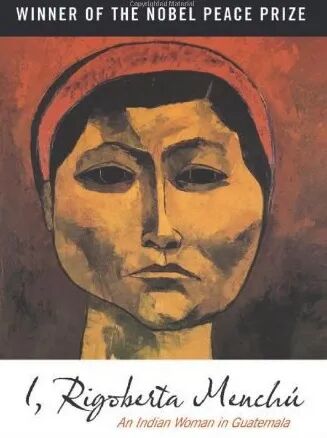
In 1999, writer David Stoll alleged that the 1992 Peace Prize laureate Rigoberta Menchú had lied in her autobiography. The Nobel Committee did not revoke her prize, because Stoll’s “complaint” was unrelated to the award.
#05: Gore received the Peace Prize.
In 2007, amid disapproval from the scientific community, former U.S. Vice President Al Gore received the Nobel Peace Prize for raising awareness of global climate change. Critics said Gore was not a scientist and did not understand climate change.

Nobel laureates who declined a prize or did not attend the ceremony in person
Given the Nobel Prize’s enormous influence and substantial prize money, most laureates regard it as the highest honour of their lives. Some, however, have declined this much-coveted award.
#01: Sartre: Declining all official honours.
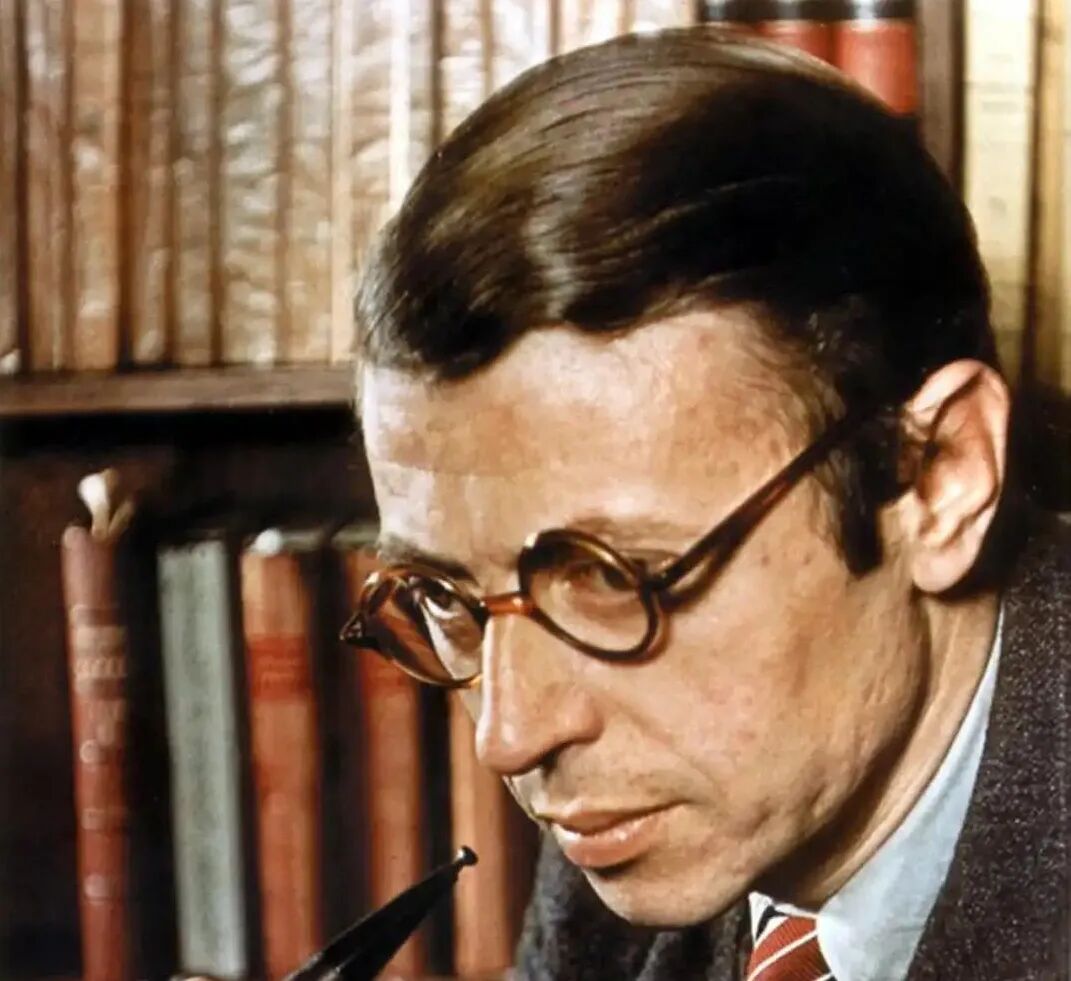
On 22 October 1964, the Swedish Academy formally announced that it was awarding that year’s Nobel Prize in Literature to Sartre for his body of work, rather than solely for The Words. The citation stated that his work, filled with the spirit of freedom and the quest for truth, had exerted a profound influence on the age.
Yet this writer with unusual ideas immediately issued a statement to the world declining the honour. His reason was straightforward: he declined all official honours. He believed his past accomplishments had already “gone with the wind,” and that only “the future attracted him.”
#02: Jelinek: The award brought despair, not happiness.
The 2004 Nobel Prize in Literature went to the Austrian writer Elfriede Jelinek. The citation praised the musical rhythm of her novels and plays and the extraordinary, passionate language through which her work revealed entrenched social attitudes and the absurdity of their constraining power.
Jelinek nevertheless did not travel to Stockholm for the ceremony for health reasons. She accepted the award and delivered her Nobel Lecture by prerecorded video. The manuscript reports that on learning she had received such a lofty honour, she felt “not happiness, but despair.”

#03: Lê Đức Thọ: Peace had not yet come to Vietnam.
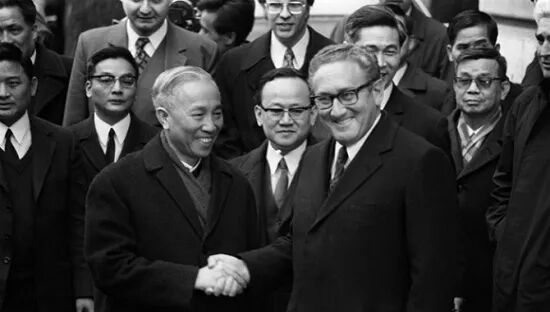
From 1970, Lê Đức Thọ held repeated secret talks with U.S. National Security Adviser Henry Kissinger, leading to the Paris peace discussions of 27 January 1973 concerning a ceasefire between the two Vietnams.
In 1973, the Nobel Peace Prize went to North Vietnamese leader Lê Đức Thọ and U.S. Secretary of State Kissinger, provoking widespread international criticism. Two Nobel Committee members resigned. Lê Đức Thọ declined the prize, saying that peace had not yet been achieved in Vietnam.
The amusing and thought-provoking Ig Nobel Prizes
The Ig Nobel Prizes are a humorous imitation of the Nobel Prizes, selecting research that “first makes people laugh, then makes them think.” The chosen scientific work must be unusual and encourage interest in science, medicine, and technology. Each look at the winning studies seems to add to one’s collection of strange knowledge!
#01: Medicine: A blocked nose? An orgasm might help.
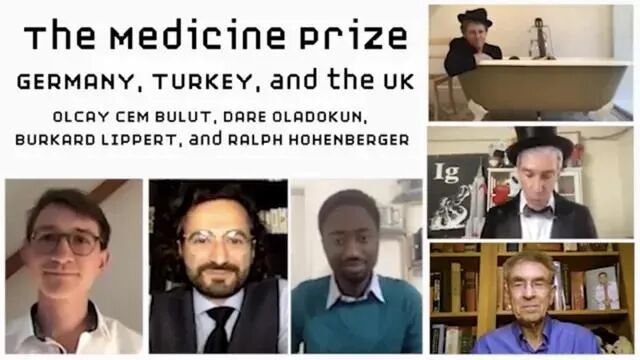
This year’s medicine prize went to scientists Olcay Cem Bulut, Dare Oladokun, Burkard Lippert, and Ralph Hohenberger from Germany, Turkey, and the United Kingdom. Their small study observed that in participants with nasal obstruction, improvement in nasal breathing after orgasm could be comparable to a decongestant spray for approximately 60 minutes; this was not proof of a lasting treatment or a general substitute for medication.
#02: Biology: Cats do more than just meow.
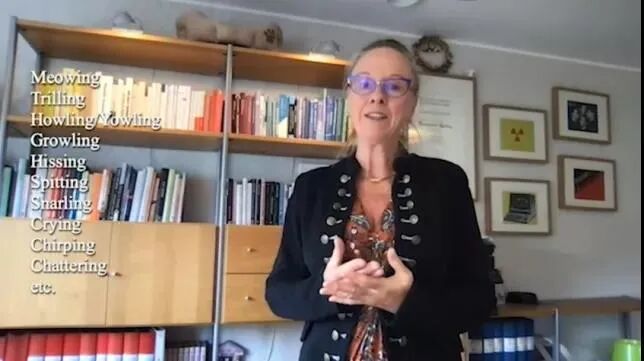
This year’s biology prize was shared by Sweden’s Susanne Schötz, Robert Eklund, and Joost van de Weijer for studying variations in cat vocalizations during cat–human communication. The manuscript jokingly calls her an expert in “cat language,” able to listen to and analyze cat sounds. That does not mean every sound has been translated into a definite emotion; her acceptance speech was certainly overflowing with cats.
#03: Entomology: How to remove cockroaches efficiently from submarines.
The entomology winners were John Mulrennan and fellow researchers at the U.S. Navy’s disease-vector control institute, who studied how to kill cockroaches in submarines.
Mulrennan and his colleagues conducted a controlled experiment using eight submarines. They concluded that dichlorvos achieved an initial cockroach kill rate of over 97% aboard submarines.

#04: Chemistry: Air can reflect people’s emotions.
German scientist Jörg Wicker used proton-transfer-reaction mass spectrometry to measure the air in cinemas and found that it reflected the audience’s emotional ups and downs.
When people watch a film, their breathing and heart rate change with fear, anger, tension, and other emotions, changing the metabolites they exhale. Among these, carbon dioxide and isoprene varied particularly noticeably with the plot, reaching peaks during tense scenes.

#05: Peace: A beard is the best facial defence.
This year’s Peace Prize went to U.S. scientists Ethan Beseris, Steven Naleway, and David Carrier, who tested the hypothesis that humans evolved beards to protect themselves from punches to the face.
They tested impacts on a bone-analogue material covered with sheep skin. Fully furred samples absorbed 37% more total energy than plucked samples. This was not a direct measurement of human beards or protection in real fights.

#06: Transportation: The most comfortable and efficient way to transport rhinoceroses.

The transportation prize was one of the most heartwarming honours at this Ig Nobel ceremony. The winners were scientists from Namibia, South Africa, Tanzania, Zimbabwe, Brazil, the United Kingdom, and the United States, recognized for evaluating methods of transporting endangered black rhinoceroses.
The study briefly compared suspension by the feet with lateral recumbency in 12 immobilized black rhinoceroses. About ten minutes of suspension did not impair pulmonary function more than lateral recumbency, and some gas-exchange measurements improved slightly. Both postures nevertheless involved substantial hypoxemia and hypercapnia, and the biological significance of the small differences was unknown. This does not establish that hanging upside down is always “most comfortable” or that breathing becomes entirely unobstructed.
According to Nobel’s 1895 will, the prizes recognize those who confer “the greatest benefit on humanity” in their fields. Over a century, nearly a thousand laureates from different countries and backgrounds have contributed in their own fields, bringing excellent research together and igniting still brighter scientific sparks.
Nobel established the fund with the 31 million Swedish kronor he left behind. That historical nominal sum cannot be equated directly with today’s purchasing power. The Foundation has managed it for 120 years, benefiting generations of outstanding individuals and organizations. Small research, academic, and literary questions gather and germinate here, bringing together the world’s wisdom to build a great undertaking that benefits all humanity!
Wealth may one day vanish, but humanity’s pursuit of truth will never stop!
*Material in this article comes from the internet. Please contact us for removal in the event of infringement.
Editorial note
Migration preserves the complete historical narrative and all 20 original captions. Minimum corrections based on official Nobel materials address shared prize money, exceptions to posthumous-award rules, the Braggs’ 1915 award and the Tesla/Edison rumour, Menchú’s award category, Ossietzky’s award year, and Jelinek’s acceptance without attending in person. The Ig Nobel studies of nasal breathing, sheep-skin impact protection, and suspended rhinoceroses retain their respective samples and conditions rather than becoming treatment or practical recommendations.
Supporting references
Historical Nobel prize-money table (including 2019)
Official 2020 physics prize amount and shares
Official Nobel facts: Posthumous awards and award rules
William Henry Bragg’s 1915 award record
Official Peace Prize facts: Nominations, Gandhi, and the satirical 1939 nomination
Menchú’s 1992 Peace Prize and lecture
Ossietzky: The 1935 prize awarded in 1936
Sartre’s 1964 literature award
Jelinek’s prerecorded 2004 Nobel Lecture
Official 2021 Ig Nobel winners
Original study of sexual activity and nasal breathing
Original sheep-skin impact-protection study
Original brief posture comparison in 12 black rhinoceroses
Sources and editorial history
Restored from a complete historical article exported from the PhDSciNet Official Account.
Editorial revision: Migration preserves the complete historical narrative and all 20 original captions. Minimum corrections based on official Nobel materials address shared prize money, exceptions to posthumous-award rules, the Braggs’ 1915 award and the Tesla/Edison rumour, Menchú’s award category, Ossietzky’s award year, and Jelinek’s acceptance without attending in person. The Ig Nobel studies of nasal breathing, sheep-skin impact protection, and suspended rhinoceroses retain their respective samples and conditions rather than becoming treatment or practical recommendations.