Historical material: The following preserves the original context, personal views, and discussion; necessary revisions are identified separately.
This article preserves historical descriptions of mindfulness services and consumer products. It is not a current product comparison, buying recommendation, or clinical guide. Business figures, prices, and features reflect statements made in the original at the time.
What Can Help Young People Who Feel Low Every Day?
This is an age that seems eager to sell us anxiety. Endless '996' work schedules and competition everywhere push us forward in the current of the times. Yet how long has it been since we stopped to visit our own inner world?
The Persian poet Rumi wrote of the soul resting in the grass, beyond a world too crowded to discuss. The world is so large and life so long; a brief pause and some rest for the mind may help us move forward.
Young people carrying heavy burdens: perhaps it is time to relieve some of the pressure on your mind.
#1 Feeling Low Online: The Arrival of Mindfulness Meditation
#01: Low Mood and Anxiety among Young People
A study published in The Lancet in 2021 estimated that, in 2020, the COVID-19 pandemic increased the global prevalence of major depressive disorder and anxiety disorders by approximately 28% and 26%, respectively, relative to a modeled scenario without the pandemic. These are estimates concerning the pandemic's first year, rather than a claim that cases increased by those amounts throughout 2020–2021. The pandemic brought substantial demand for mental health services and greater attention to these issues.
The original cites a survey suggesting that younger respondents had lower mental health scores, that anxiety levels among 18–25-year-olds were higher than in other age groups, and that nearly 70% of young respondents experienced some degree of anxiety. It also describes depression as a major concern for young people. The export does not provide enough information about the survey's sample or methods to treat these findings as population-wide prevalence estimates.
WHO's Global Health Estimates for 2019 listed suicide as the fourth leading cause of death among 15–19-year-olds worldwide. This refers to deaths by suicide; suicidal thoughts, plans, and nonfatal attempts are not themselves categories of causes of death.
What is happening to young people who seem to feel low every day?

In the original's view, young people's anxiety, unhappiness, loss of a sense of value, or social fears are connected with the prolonged isolation of the pandemic, an uncertain future, and an age eager to sell anxiety. These are observations about a social context, not a claim that every individual's symptoms have the same cause.
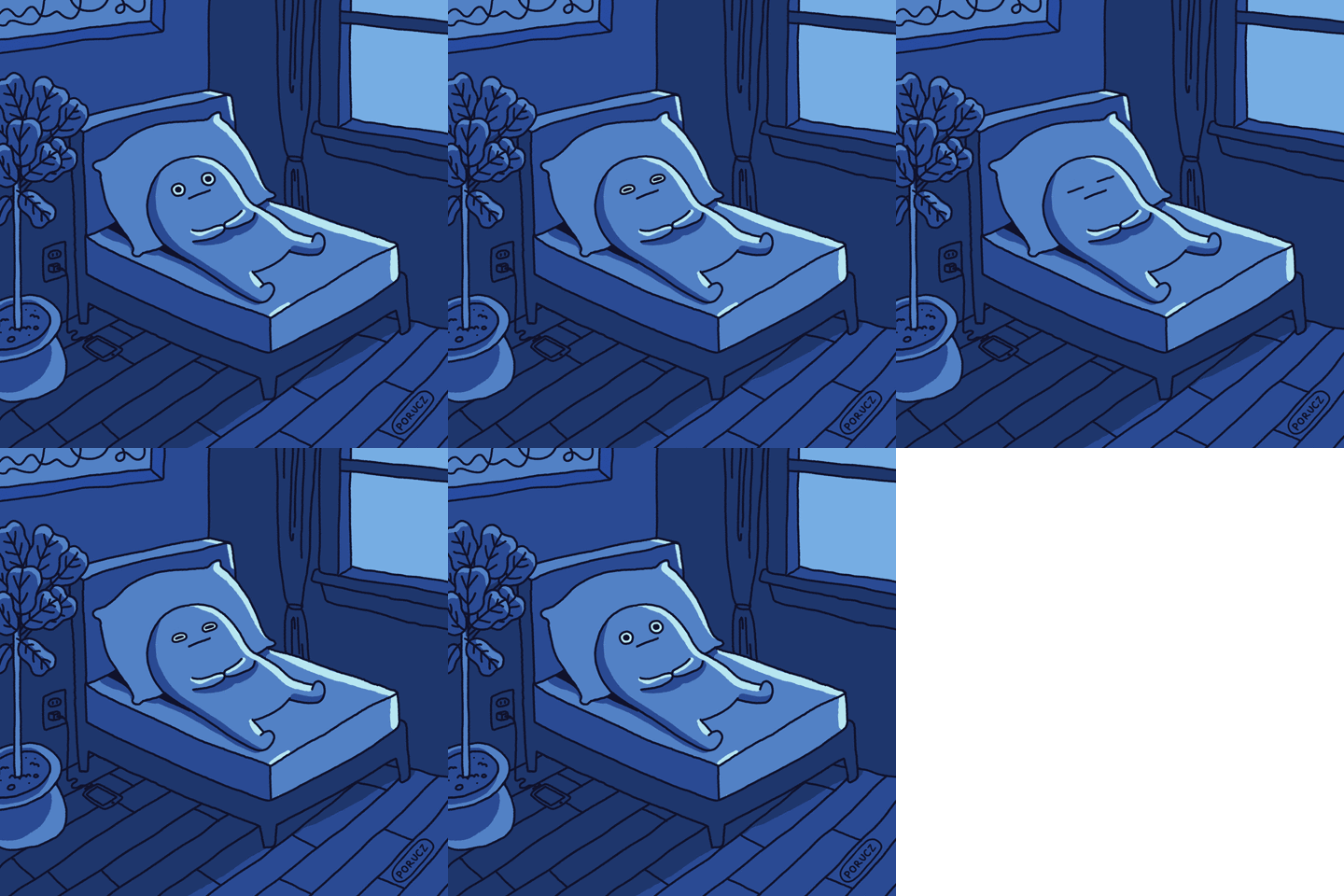
On another sleepless, anxious night, do you pick up your phone, get drawn into motivational platitudes and articles selling anxiety, and fall into another seemingly endless cycle of feeling low?

#02: Learn to Press Pause and Begin with the Mind
Meditation is a broad term. Many practices have roots in religious traditions, including Buddhist seated meditation and Chan practice, as well as breathing practices associated with yoga. One widely known form is mindfulness meditation.
In 1979, Jon Kabat-Zinn established the Stress Reduction Clinic at the University of Massachusetts Medical School and developed mindfulness-based stress reduction, or MBSR. This program adapted mindfulness practice for a secular medical setting. It does not mean that all meditation ceased to be religious, or that meditation became a universally rapid and effective self-help treatment.

If exercise trains the body, mindfulness meditation can be understood metaphorically as training the mind to live with stress. The original observes that more young people troubled by stress, anxiety, and poor sleep were willing to pay for meditation-related services.
A 2004 study involving University of Wisconsin researchers found differences in the amplitude and synchrony of gamma-band EEG activity during meditation between long-term practitioners and controls. Its analysis included activity in the 25–42 Hz band. This does not establish that ordinary people have a fixed 25–40 Hz 'brain frequency' or that meditators universally exceed 80 Hz, nor does it directly demonstrate faster reactions or guaranteed improvements in intelligence.
A 2005 study involving Harvard-affiliated researchers found that some cortical regions associated with attention and sensory processing were thicker in a small group of experienced meditators than in matched controls, with some differences more pronounced in older participants. These are associations from a small study, not proof that meditation makes every 50-year-old brain equivalent to a 25-year-old brain or reverses brain aging.
Meditation and mindfulness have been studied for stress, anxiety, depression, and sleep problems, but outcomes differ between practices and individuals. The claim that the FDA formally approved 'meditation therapy' in the early 1980s could not be verified and is not retained. Meditation should not be presented as a universally approved treatment or a substitute for needed medical care.
Video 1: The original refers to a TED talk by a Harvard Medical School professor; the exported document does not contain the video itself.
#2 Meditation Apps: A Phone That Fits Better with Sleep
#01: Calm—a Prominent Meditation App
The original introduces Calm as a paid subscription app focused on mental well-being, founded in 2012 by Alex Tew and Michael Acton Smith and based in San Francisco. It describes features including meditation, sleep content, light music, gentle movement, expert classes, and scenario-based exercises, designed to support relaxation. These features are not a guarantee of treatment for anxiety or insomnia.
The original reports that Calm's revenue reached US$150 million in 2018 and that it gained an average of 75,000 new users a day. These historical business figures have not been independently verified from the export. The original argues that the pandemic increased the company's appeal to investors: researchers had warned of psychological harm, and young people facing mental health difficulties might become potential users.
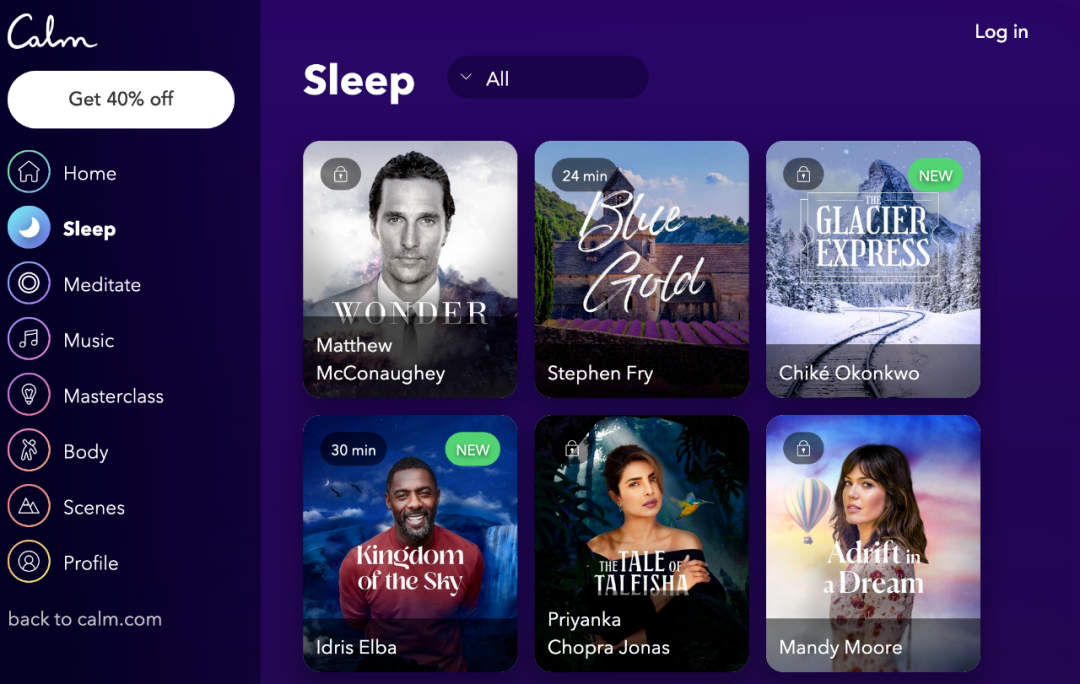
The original describes 2020 as a year of rapid growth for Calm amid the pandemic, economic instability, and social unrest. It reports more than 100 million downloads worldwide, over 4 million paying subscribers, a US$75 million Series C financing round, and a valuation above US$2 billion. These are the manuscript's historical figures, not independently verified current company data.
The original describes Calm's growth from an initial five-person team and a simple app offering brief breathing and meditation exercises into a prominent mental well-being business. In its account, the company aimed to move beyond addressing problems toward personal growth, improve its services, and broaden its audience to sustain growth. These are the original's descriptions of the company and its aims, rather than a claim that a few minutes of practice restores calm for every user.
#02: Headspace—a Sleep Journey for a Weary Mind
The original introduces Headspace as a U.S.-based company founded in 2010. Co-founder Andy Puddicombe studied meditation in several countries. According to Headspace's own biography, he was ordained as a Tibetan Buddhist monk in northern India, rather than in Tibet. After returning to Britain, he met co-founder Rich Pierson, and together they created Headspace with the aim of using mindfulness and meditation to help people manage stress and improve their lives.
The original describes Headspace as initially serving customers through in-person meditation events, then launching an app of the same name in 2012 as online services developed. It describes two parts of the service at that time: Sleep content and a Library of guided mindfulness and meditation courses.
In the Sleep section described in the original, subscribers could access relaxing music, immersive soundscapes, sleep stories, and guided sleep meditations. The Library section offered a range of mindfulness meditation exercises.
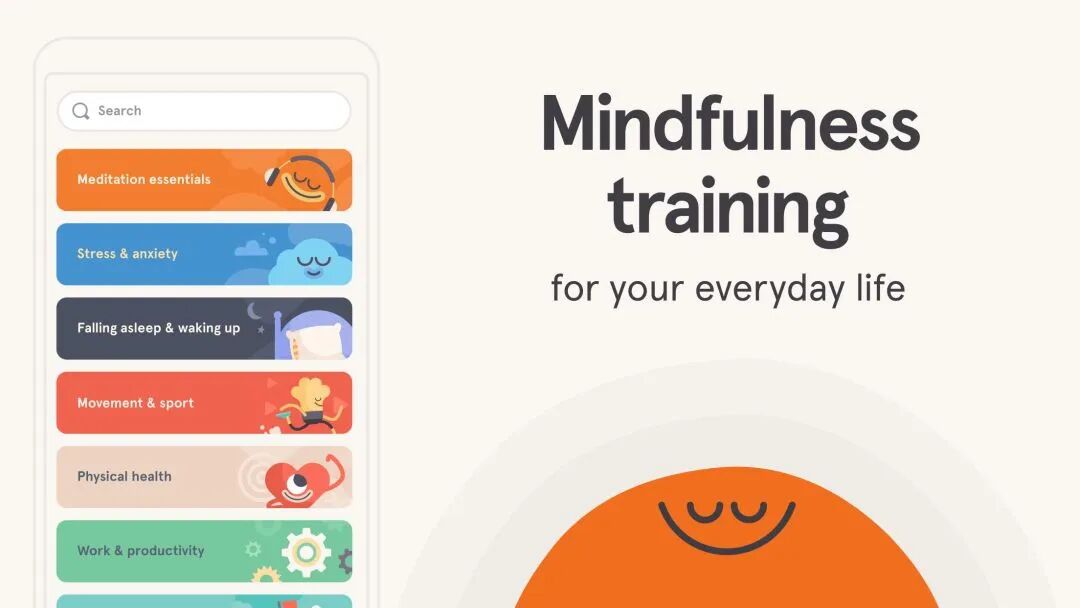
Compared with Calm, the original describes Headspace's courses as more gamified, using rewards and encouragement to help users move toward goals and remain engaged. It also describes a freemium model, offering some guided meditation courses free to attract potential users, spark interest, and make it easier to begin. This reflects the product comparison in the original, rather than an assessment of all current versions.
The original reports that Headspace received US$93 million in Series C financing in 2020, including US$40 million in debt and US$53 million in equity. It further reports total financing of US$168 million, over 2 million paying users, and partnerships with more than 600 companies, presenting it as a challenger to Calm. These are historical claims from the manuscript and have not been independently verified as current business figures.

#03: Tide—a Different Approach to Sleep
The original introduces Tide as a Chinese mindfulness app founded in 2016. It brings natural sounds such as rain, waves, and forests into everyday activities involving concentration, stress relief, relaxation, and sleep, aiming to offer a peaceful experience amid a fast-paced urban life.
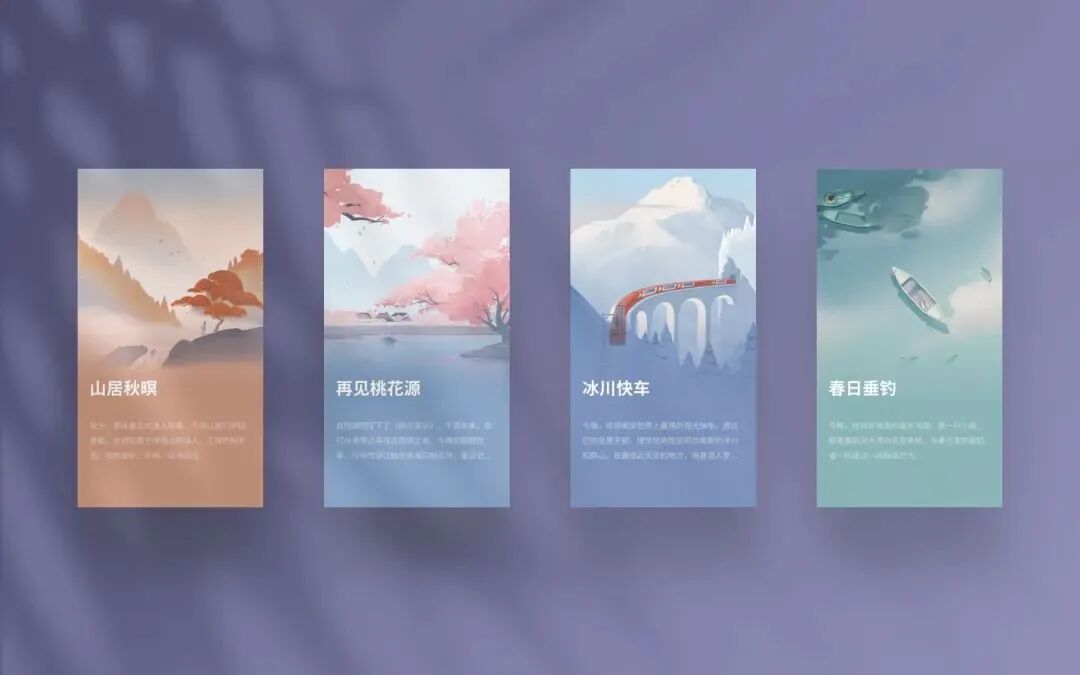
One feature the original praises is Tide's use of minimalist aesthetics from art and design in an online product. It describes a calm, unburdened experience: a quiet place among the many noisy things on a phone.

The original describes Tide's product philosophy as using sound to create a natural setting for rest. Its Yoga Nidra guided meditation series encourages users to shift their attention toward bodily sensations, using the image of cloudy water settling. This is a description of the experience the product seeks to offer, not proof that it substantially improves deep sleep or makes every user wake refreshed and confident.
Alongside the Yoga Nidra series, the original describes Tide as drawing inspiration from nature, travel, art, and traditional culture. It combines relaxation techniques, immersive nature sounds, and a soothing voice, inviting users to imagine traveling somewhere they have long wanted to visit and resting through a slow sequence of sounds and scenes.
The original reports that Tide announced a pre-Series A financing round of nearly 10 million in 2019, without specifying the currency in this paragraph. It also reports nearly 10 million users across more than 120 countries. These are historical claims from the manuscript, not verified current figures. Its closing hope is that more people might choose to fall asleep accompanied by Tide.
#3 Recharging the Mind: A Different Experience
#01: The Muse Headband—Learning about the Brain
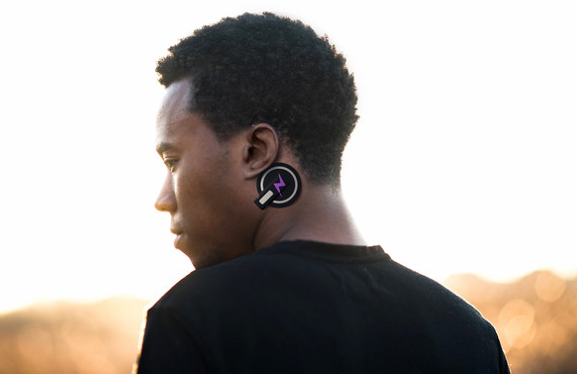
The original introduces the Muse headband as a neuroscience-based product for learning meditation, launched in 2014 by its Canadian parent company, Interaxon.
In the original's description, the Muse headband collects EEG signals and uses an app to provide sound feedback: more active patterns may be accompanied by storm-like sounds, and patterns the product interprets as calmer by waves or birdsong. This is the product's feedback mechanism, rather than direct mind reading or a medical determination of whether someone is relaxed. Signals and interpretations can be affected by movement and other factors.
Video 2: The Muse headband; the original export does not contain the video itself.
The original also describes sleep-related features, including EEG-based sleep insights, visualized sleep stages, sleeping-position tracking, and personalized sleep-efficiency scores. These consumer features should not be equated with a clinical sleep assessment.
The original says that Muse met safety-testing and certification requirements in Canada, the United States, and Europe, but the export does not identify the specific certifications. Such a statement should not be interpreted as authorization to diagnose or treat depression. It lists historical website prices of US$249.99 for Muse 2 and US$349.99 for Muse S, which adds sleep analysis. These are not verified current prices or a recommendation to buy either product.
#02: Thync Wearables—Electronic Pulses and Mood
The original describes Thync as a company founded in 2011 and based in Silicon Valley, with more than 20 patents in neural stimulation and related applications. It says the company's wearable was designed to help people calm themselves in stressful lives. These are historical company and product descriptions, rather than evidence of clinical effectiveness.
The original presents a claim that pressing a button produces whole-body relaxation within one minute, like meditation or a massage, during a 45-minute session. No verifiable study supporting that fixed effect is supplied here; it should be understood as the original's account of product marketing, not an assured user outcome.
The original describes two intended modes, one for alertness and one for relaxation. Placement instructions for electrical stimulation are not reproduced, and the claim that the device can replace medication for depression is removed. Descriptions of a product's aims do not establish that it treats depression, nor should they prompt readers to stop treatment or attempt unsupervised electrical stimulation.
#03: The Resonate Meditation Mask—a Technology-Based Experience
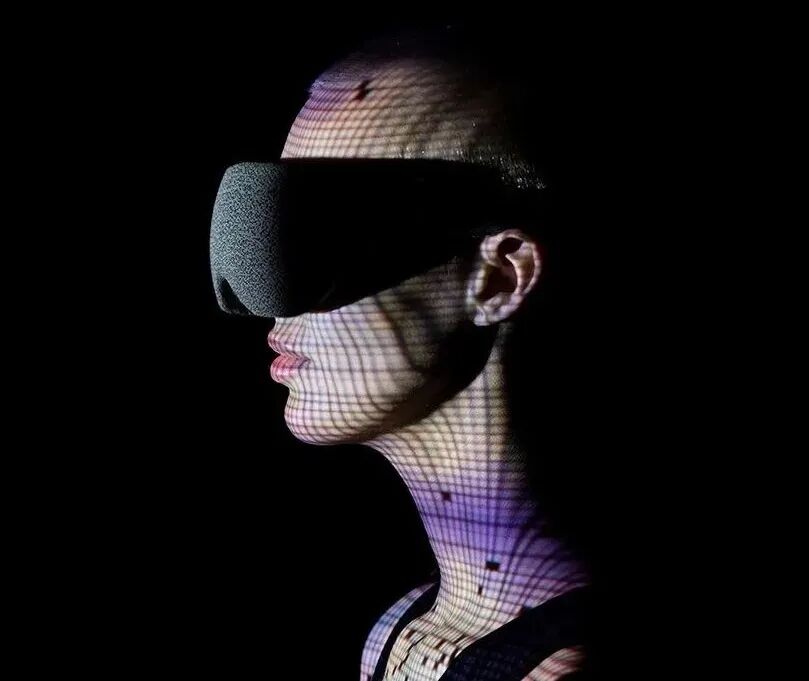
The original introduces a meditation mask designed by LAYER for U.S. startup Resonate. The head-worn device contains an LED matrix and is intended to provide a guided meditation experience. It says the device was introduced at the 2021 Miami design fair; this is a historical design description.
The original describes Resonate as combining meditation-related ideas with vibration, sound, and light, using the concept of neural entrainment. Claims that 15 minutes a day is as effective as antidepressant medication, or that a single 20-minute session reduces stress and anxiety by 51%, lack verifiable supporting studies in the export and are not retained as treatment findings.
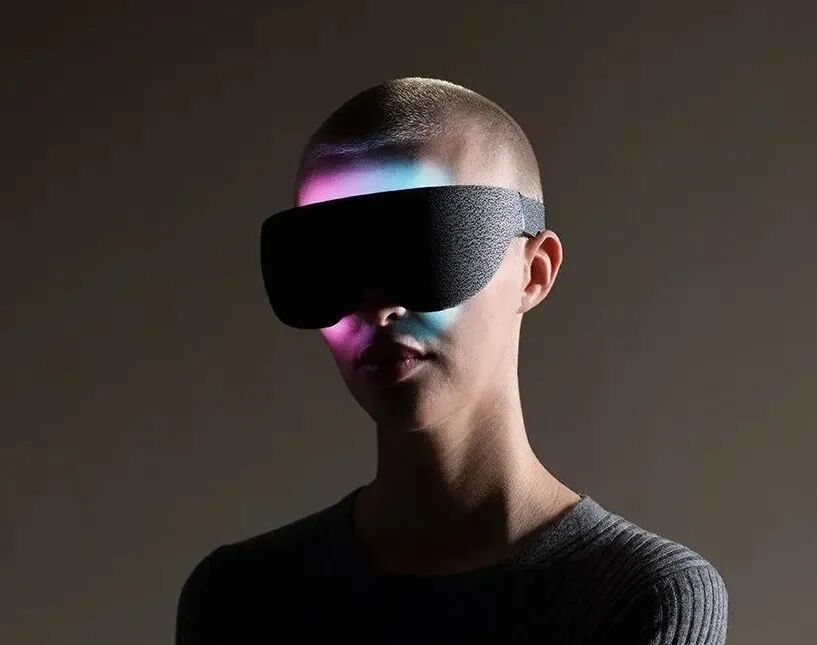
The original describes a shell shaped to fit the face, with an LED matrix inside a futuristic-looking interior. It says that natural imagery is converted into changing organic patterns during a session described as lasting 20 minutes. Claims that these patterns automatically synchronize with a user's biological rhythms or rapidly produce deep meditation are not established here; the passage is retained as a description of the product's design, rather than a clinical effect.
The original presents Resonate as an experience intended for busy workers and newcomers to meditation. Whether it is comfortable or helpful varies between individuals, and it cannot be said to lead everyone quickly into meditation.
#4 A Difficult Fit in the Chinese Market?
#01: Religious Origins and Secular Forms of Meditation
Sleep difficulties can occur with anxiety and depression, but also have many other causes; they are not a specific or universal sign of either disorder. The original cites the 2021 Exercise and Sleep White Paper as reporting over 300 million people in China with sleep problems and nearly one-third falling asleep after 1 a.m. These are historical reported figures whose population and methods have not been independently established here. Given substantial demand related to sleep, the original asks what obstacles meditation apps faced in China.
The original argues that some people associate meditation strongly with religion, contributing to its limited reach in the domestic market at the time. Buddhist meditation, Daoist seated practices, and Christian prayer have different traditions; they cannot simply be equated. Some modern mindfulness programs use a secular framework, but this does not mean every form of meditation is independent of religion.
Rather than generalizing about what most religions seek, it is more accurate to say that secular mindfulness programs can be practiced without adopting a particular faith. They can offer ways to observe one's own experience and train attention. Individual practices and traditions differ, and happiness or calm is not guaranteed.
If stress from life or work is troubling you, you may wish to explore a mindfulness practice that suits you as one possible way to take a break. It is optional rather than necessary for everyone, and persistent or serious symptoms should not be addressed solely through meditation or an app.
#02: The Difficulty of Talking about Depression and Mental Illness
Online, we often see expressions of low mood, unhappiness, depression, and pessimism. In everyday life, however, people are often reluctant to speak about these feelings.
The original argues that one important reason is a lack of widely shared knowledge and professional understanding of mental health. Labels such as 'oversensitive,' 'escaping reality,' or 'crazy' misrepresent mental illness, leading some people to conceal their difficulties and endure them instead of seeking professional help and opportunities to express themselves.

As society and the market economy develop and life accelerates, the original describes a feeling of being carried along without somewhere to relieve stress. Many people may have felt low or anxious for various reasons, yet find it hard to explain, fear being seen as having a problem, or do not want parents and friends to see them struggling. Enduring in silence can make it harder to obtain support, although not everyone who does so will develop an illness.
#03: For Everyone Feeling Low Right Now
On a difficult, sleepless night, if it feels suitable, you might take a brief rest and imagine warm sunlight or a place where you feel comfortable. A meditation app can be one optional aid, but buying a device is not necessary, and consumer products are not a guarantee of treatment. Do not use the original's electrical-stimulation descriptions as instructions for self-treatment. Rest and appropriate support can both matter, especially when distress persists.
Feelings can accumulate when they are repeatedly pushed aside. The original compares this with a cupboard filling up until its contents spill out. This metaphor expresses the importance of attending to emotions, but it does not mean that every episode of crying results from suppressed anger or that distress is a person's fault for managing feelings incorrectly.
Finding timely and suitable ways to express feelings and obtain support can be a way to care for ourselves.

Taking manageable actions may help some people regain structure, but depression and anxiety have complex contributing factors. They should not be explained as merely 'thinking too much and doing too little,' laziness, or insufficient willpower. The internet can intensify aspirations, and a gap between hoped-for futures and present circumstances can feel difficult. Encouragement to act should not replace an understanding of real difficulties or needed care.
We can say no to platitudes that sell fear and anxiety, let go of empty grand plans, remain modest, follow our conscience, bring some order to life, and look for worthwhile or interesting things to keep doing. Even a small effort may help us find direction: doing our best at one thing can reveal a possible way forward when we feel lost. This is encouragement, not a guarantee that effort alone removes anxiety.

Small troubles can feel too trivial to mention, yet painful when they accumulate, until sadness arrives suddenly and intensely on a sleepless night.
If adult pride makes it hard to speak, perhaps begin by making peace with yourself and finding a way to express what you feel. Meditation is one optional practice. You can recognize life's difficulties and still love life.
This article is dedicated to everyone who has spent a sleepless night.
The original states that its source materials came from the internet and asks for removal if rights have been infringed. This statement does not itself establish permission to reuse individual images.
Restoration review, 2026-10-10: All sections, product introductions, and closing reflections are retained. The pandemic statistics, suicide cause-of-death category, MBSR’s 1979 origin, and the limited findings of EEG and cortical studies are corrected directly. Unverified FDA approval, device-treatment equivalence, and assured effects are removed, along with electrical-stimulation placement instructions. Depression is not attributed to insufficient willpower. Business data and marketing descriptions are explicitly historical and attributed. The original export and paragraph-level differences remain private.
Supplementary references
- The Lancet (2021): Estimated depressive and anxiety disorder burden in 2020 due to COVID-19
- WHO: Suicide worldwide in 2019—Global Health Estimates
- UMass Medical School: The Stress Reduction Clinic and mindfulness origins in 1979
- Lutz et al. (2004): Long-term meditators self-induce high-amplitude gamma synchrony during mental practice
- Lazar et al. (2005): Meditation experience is associated with increased cortical thickness
- NCCIH: Meditation and Mindfulness—Effectiveness and Safety
- Headspace: Official biography of Andy Puddicombe
- NIMH: Depression and treatment
Sources and editorial history
Restored from a complete historical article exported from the PhDSciNet Official Account.
Editorial revision: Restoration review, 2026-10-10: All sections, product introductions, and closing reflections are retained. The pandemic statistics, suicide cause-of-death category, MBSR’s 1979 origin, and the limited findings of EEG and cortical studies are corrected directly. Unverified FDA approval, device-treatment equivalence, and assured effects are removed, along with electrical-stimulation placement instructions. Depression is not attributed to insufficient willpower. Business data and marketing descriptions are explicitly historical and attributed. The original export and paragraph-level differences remain private.