Research has risks: take care before starting work
Who has seen both the stars at three in the morning and the dawn at five?
Research workers certainly have. Endless papers and experiments can consume late nights, hair and patience; behind the data are fatigue and tears.
However hard the work or competition, keep experimental safety in view. Use energy and intellect, without risking your life.

Researchers under intellectual and physical pressure
The original reports a chemistry-laboratory fire at Southern University of Science and Technology on 23 July 2021. A postdoctoral researcher ran out with burning hair, continued helping put out the fire and was taken to hospital, where minor burns were treated.
Fortunately, the fire was contained with assistance from others. If it had spread or caused an explosion, the consequences could have been much worse.

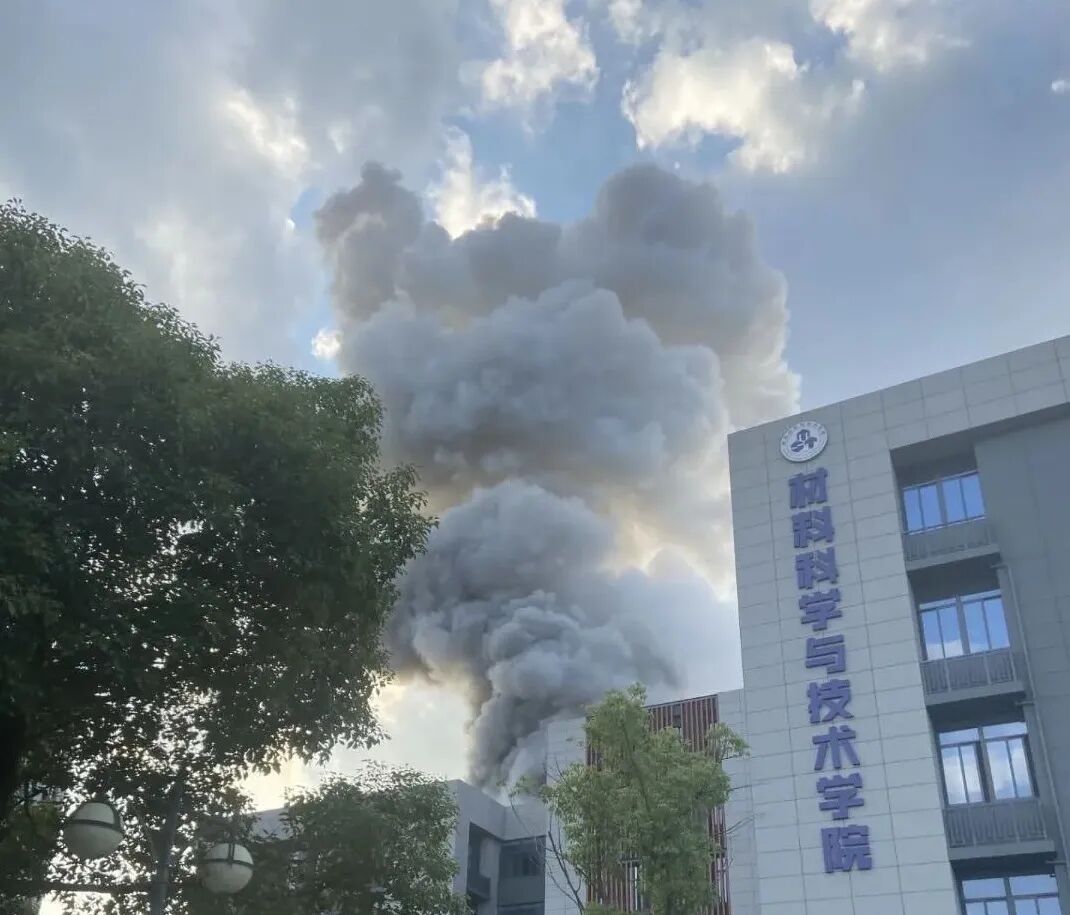
The original reports a laboratory deflagration at the Jiangjun Road campus of Nanjing University of Aeronautics and Astronautics on 24 October 2021, with two deaths and nine injuries.
It refers to reported images of a rising mushroom-shaped cloud as an indication of the incident scale.
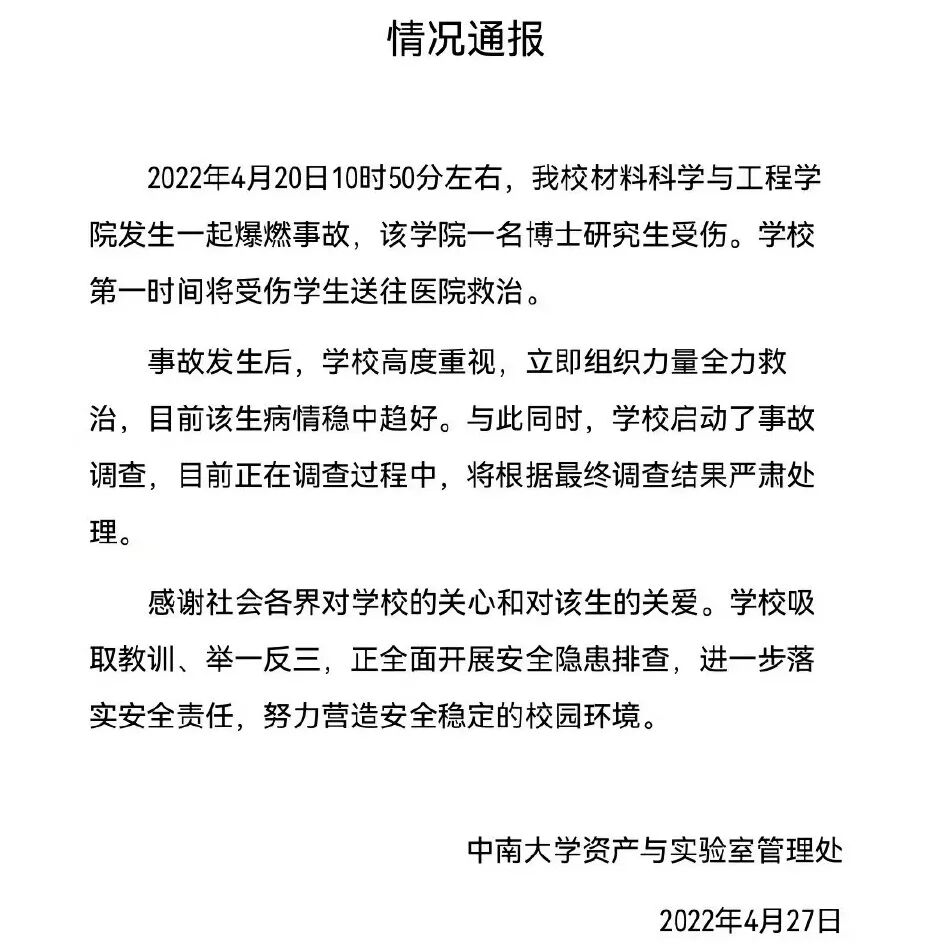
It next describes a laboratory deflagration at Central South University on 20 April, approximately six months later.
The original cites online accounts of a Central South University doctoral student injured in the incident. The claimed burn percentage and airway or oesophageal injury were not confirmed by the primary materials available for this review and are not repeated as facts or identifying medical details. University and responsible-authority notices should guide incident reporting.
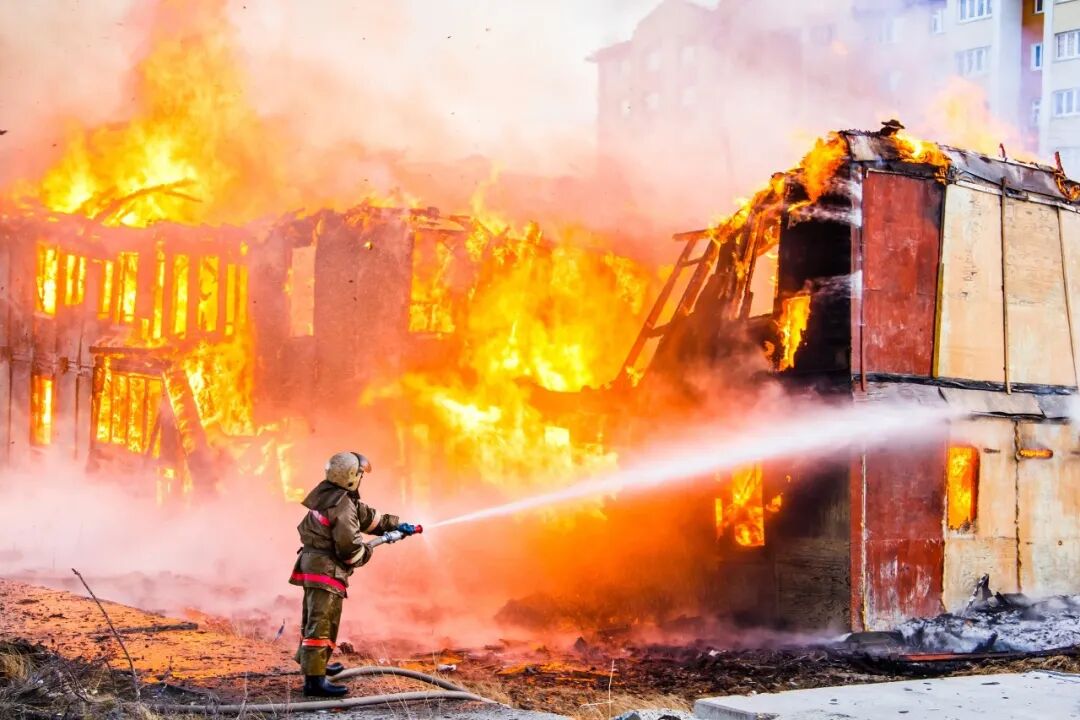
How do laboratory explosions happen?
01: Types of laboratory safety incidents
Fire can result from forgotten power supplies, overheated equipment, ignition of combustible material, ageing or overloaded wiring, carelessly discarded cigarette ends and other causes.
Common heating equipment such as alcohol burners, drying ovens, electric furnaces and soldering irons requires careful use.
Explosions can follow unsafe procedures or releases of flammable and explosive materials from ageing equipment.
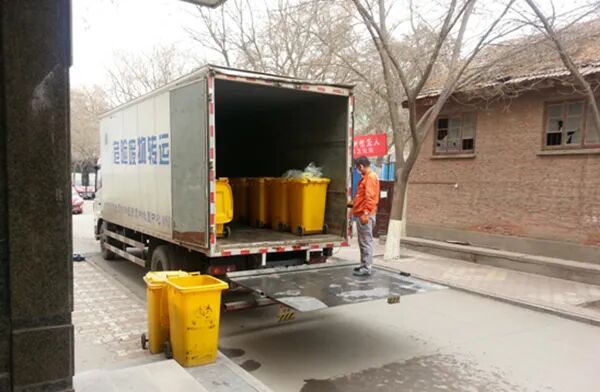
Some biological waste may contain infectious agents; mixed chemical or radioactive waste carries additional hazards. Not all biological waste contains every category. Consequences depend on the agent, exposure and controls, and require risk assessment and biosafety procedures.
Poisoning can follow eating contaminated food in a laboratory, toxic leaks, failed ventilation, poor material management, or untreated wastewater escaping from blocked or damaged pipes.
Chemical laboratories holding reagents and highly toxic substances need particular care.
02: Use hazardous chemicals carefully and store them appropriately
Chemical packaging should be clean and dry, with intact, clear labels accurately identifying the contents.
Label prepared reagents with their name or identifier, preparer and date. Do not use damaged glassware such as cylinders, tubes or pipettes to hold reagents.
Keep chemicals in authorised rooms or designated areas rather than casually moving them between laboratories. Return remaining chemicals to appropriate storage after experiments.
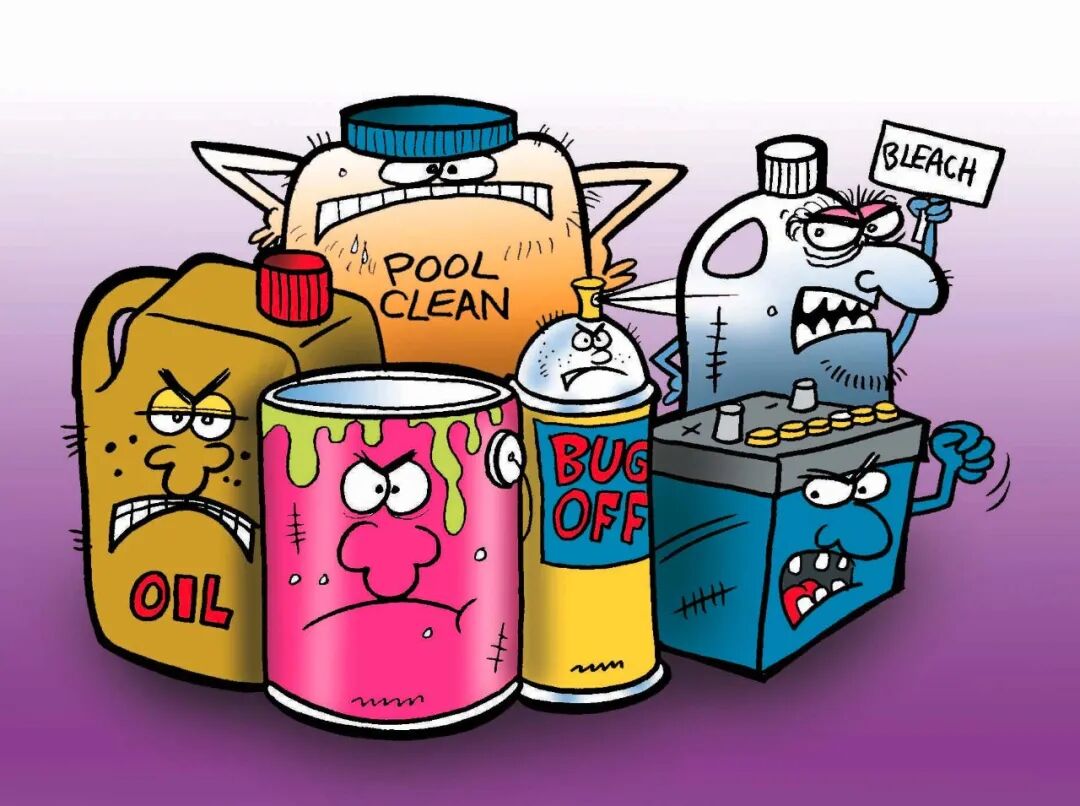
Store chemicals according to their properties in appropriate separate areas. Do not mix incompatible chemicals or leave them outdoors without suitable authorised storage.
The original cautions against long-term laboratory storage of highly toxic substances, requires controlled chemicals to follow category-specific rules, calls for clear signs and quantity limits, and recommends suitable gas detectors and alarms.
Storage should provide appropriate ventilation, thermal protection, light control and security. Keep solvents away from heat and ignition sources, manage volatile chemicals with appropriate ventilation and keep reagent containers closed.
Oxidisers, organic peroxides, flammables and water-reactive materials require segregation using their SDS and compatibility information. Oxidisers generally need separation from combustibles and reducing agents; the unclear instruction to avoid every other oxidiser is not a universal storage rule.
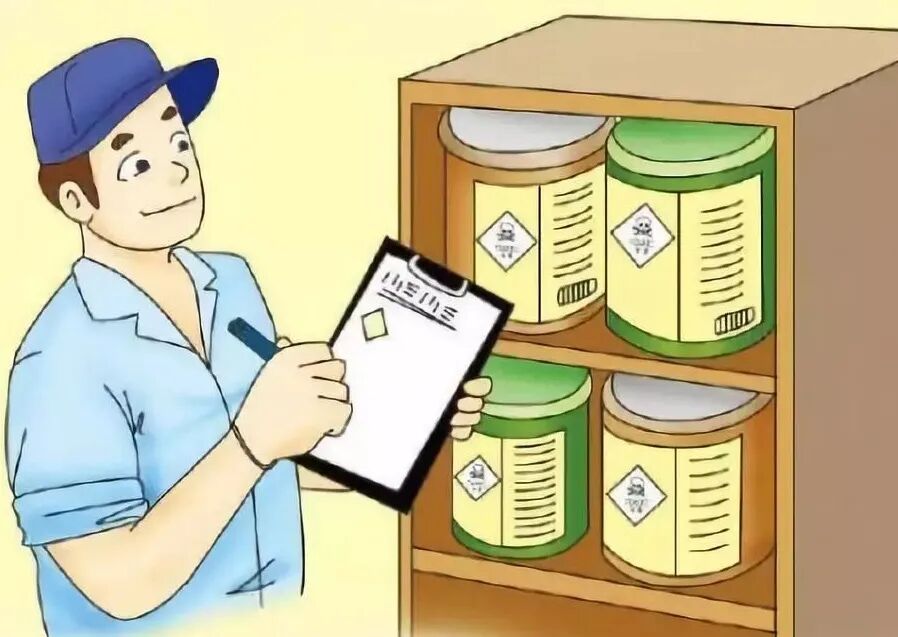
Collect hazardous waste by compatible categories in designated locations with assigned management and qualified disposal arrangements. Do not pour hazardous chemical waste down drains or treat it as ordinary rubbish.
Incorrect disposal can cause fires, explosions, pollution and harm to health.
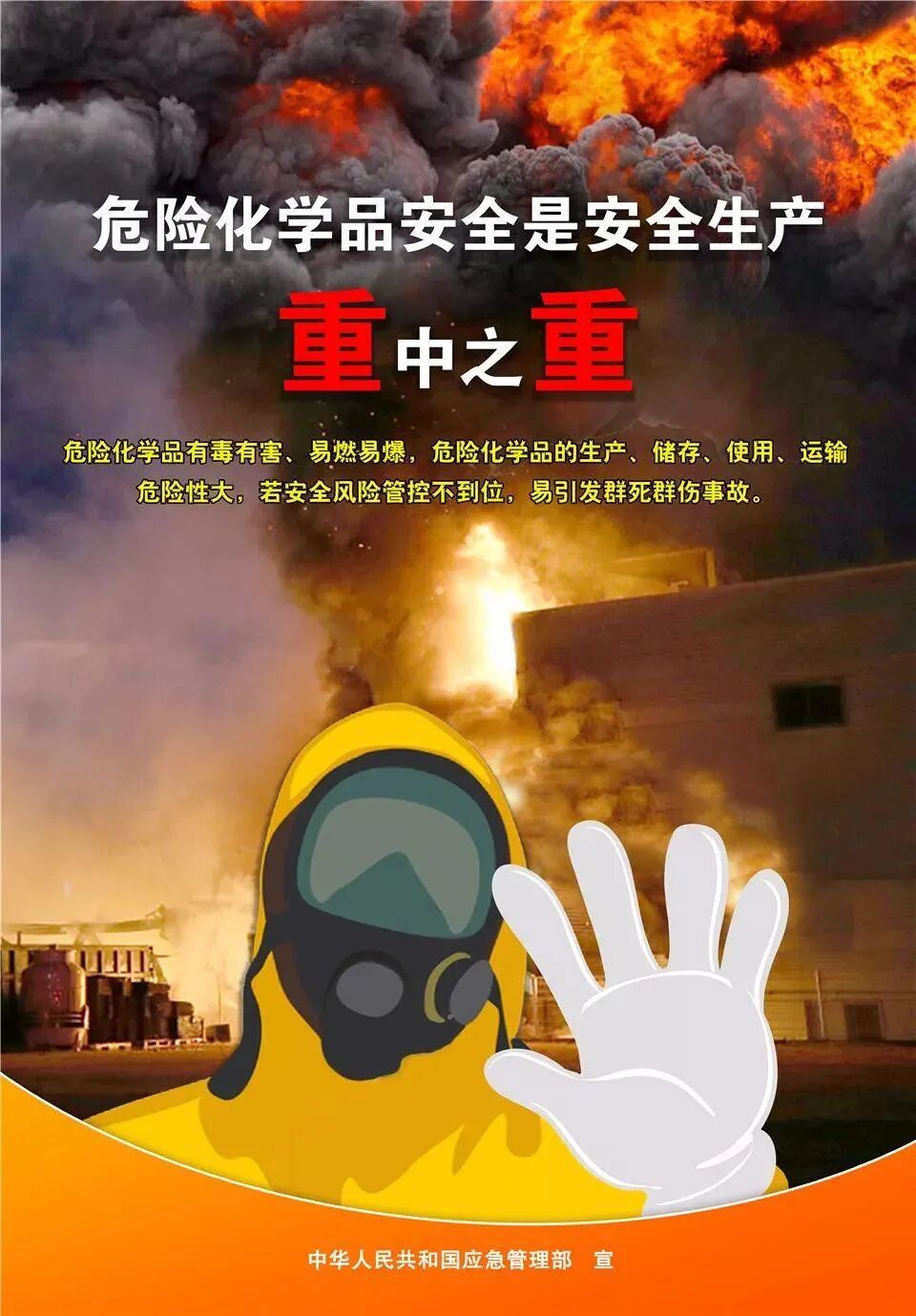
Research has risks: remain attentive
01: Laboratory protection reminders
Follow local safety rules and equipment procedures. Before starting, discuss hazards with supervisors, colleagues and safety personnel, and learn emergency routes, equipment locations and authorised use.
Monitor experiments as required. Before leaving, check water, electricity and gas controls and return equipment and cables appropriately, following the procedure for any authorised unattended operation.
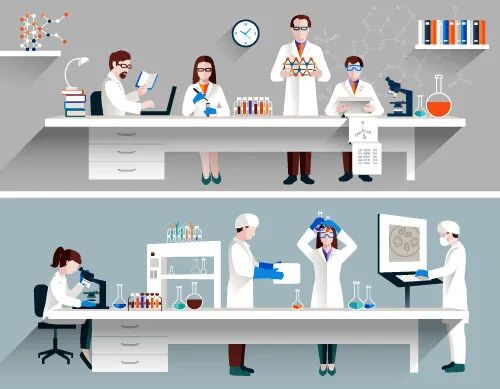
Read the safety data sheet (SDS, formerly MSDS) sections on hazards, first aid, firefighting, storage and protection, together with laboratory training and task-specific procedures.
Use suitable eye and face protection for hazardous reagents, harmful radiation or glassworking, according to the specific task.
Select gloves for the chemical, concentration, contact duration and manufacturer compatibility data. Disposable polyethylene or medical latex must not be assumed suitable for solvents, and generic rubber gloves are not a universal long-contact option. No glove material remains impermeable to every chemical indefinitely.
Wear suitable laboratory clothing to prevent skin and clothing contamination. Do not carry contaminated laboratory coats into public areas.

02: Emergency response requires care
Raise the alarm, alert others and evacuate under the emergency plan. Initial firefighting is an option only for trained, authorised people when the fire is small, the agent suitable and an escape route safe. If uncertain, evacuate. In China, report fires through 119.
Water solubility does not make water a safe recommendation for ethanol or acetone fires; streams can spread burning liquid. Blankets, foam, dry powder or other agents must be selected through the SDS, fire classification and emergency plan, rather than a short list of solvent names.
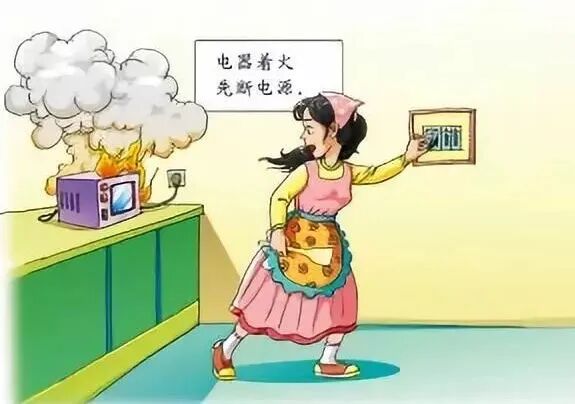
Isolate electrical power only when authorised and possible without approaching danger. Do not risk exposure to disconnect equipment or improvise firefighting. For burning clothing, follow training, stop moving, use an appropriate emergency shower or stop-drop-roll response, and seek rescue and medical care rather than continue firefighting.
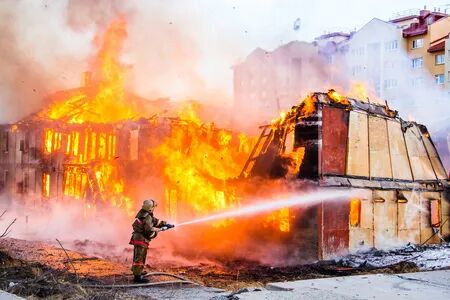
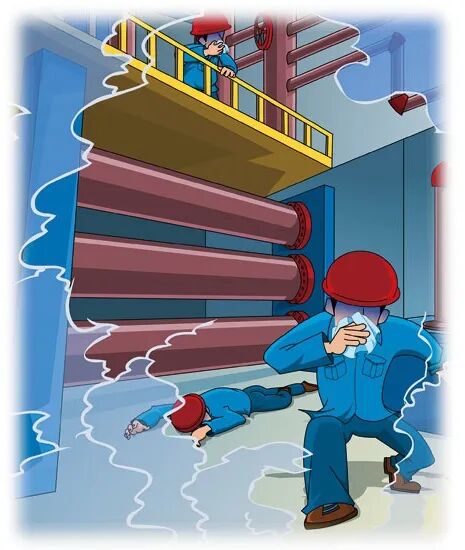
Following an explosion, evacuate through safe exits. Only isolate electrical or pipeline supplies if it can be done safely and under the emergency plan.
Inhalation, ingestion and skin or eye exposure require different responses. Protect rescuers and follow the substance SDS and professional instructions. Eye or skin exposure commonly requires prompt eyewash or emergency-shower use, with substance-specific requirements. Ingestion requires immediate professional advice, rather than washing as a substitute for medical care.
After chemical ingestion, do not induce vomiting, use milk or neutralising agents, or force large amounts of water without professional advice. Contact emergency or poison specialists promptly with the substance name, SDS and exposure details. Unprotected people must not enter a toxic atmosphere to rescue others; trained rescuers should follow emergency guidance for resuscitation.
For a large hazardous-chemical or toxic-gas release, contact the responsible emergency specialists rather than improvise a clean-up.
Can every chemical fire be put out with water?
Although water is familiar in firefighting, it is unsuitable for some laboratory fires. Understand the material-specific hazards rather than assume it is always safe.
01: Laboratory chemical fires
Distinguish the fuel from associated chemical hazards. Reactive metals such as potassium or sodium and some metal powders may react with water and need specialised agents. Acids are generally not fuels, but heat, splashing or incompatibility can worsen danger. These are not one interchangeable class of chemical fire.
Some carbides and hydrides react with water and may release heat or flammable gases, so their fire response must avoid incompatible agents.
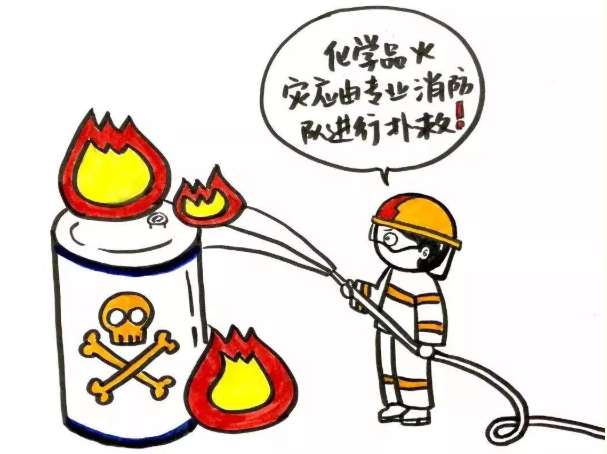
02: Alkali-metal and carbide fires
Potassium and sodium are alkali metals; zinc is not. Fires involving reactive metals or some metal powders require material-compatible specialised agents. Water and ordinary extinguishers are not universal responses.
Calcium carbide reacts with water, releasing heat and flammable acetylene. Water can therefore worsen a fire involving it.
03: Fires involving sulfuric, nitric or hydrochloric acid
Water contacting concentrated acids can cause heat and splashing; acids may also react dangerously with nearby combustible or incompatible materials.
Trained specialists must assess incidents involving acids. Whether water spray is suitable for cooling or firefighting depends on conditions; laboratory workers should not treat the original water-spray suggestion as a universal operating instruction.
04: Petrol and electrical fires
Because petrol floats on water, an unsuitable water stream can spread burning fuel. The original recommends foam, carbon dioxide or dry-powder extinguishers.
Alarm and evacuation come first for electrical fires; power may be isolated when safe and authorised. Any extinguishing agent must be rated for energised equipment; do not use water or ordinary foam. Follow equipment-specific training for distance and operation rather than a universal two-metre rule.
Papers and experiments can make research feel relentless. Missing data and faulty equipment create pressure, and rushing can lead to mistakes. Lost data matters less than an accident: never let urgency displace safety.
Research workers, take care of yourselves as you continue.
Some material in this article was sourced online; please contact us regarding any infringement.
Migration review: the full discussion of research pressure, incidents and safety responsibility is preserved. Official occupational-safety sources informed corrections to solvent firefighting, ingestion neutralisation or milk, generic rubber gloves and fixed electrical-fire distances. Original passages and their English translations remain only in the private audit. Historical incidents were not all independently verified, and unconfirmed personal injury details are not repeated. This article does not replace laboratory SDS, training or emergency plans.
Safety review: CCOHS chemical-exposure first aid
Safety review: CCOHS chemical glove selection
Safety review: OSHA laboratory safety guidance
Sources and editorial history
Restored from a complete historical article exported from the PhDSciNet Official Account.
Editorial revision: Migration review: the full discussion of research pressure, incidents and safety responsibility is preserved. Official occupational-safety sources informed corrections to solvent firefighting, ingestion neutralisation or milk, generic rubber gloves and fixed electrical-fire distances. Original passages and their English translations remain only in the private audit. Historical incidents were not all independently verified, and unconfirmed personal injury details are not repeated. This article does not replace laboratory SDS, training or emergency plans.