Historical material: The following preserves the original context, personal views, and discussion; necessary revisions are identified separately.
Historical discussion note: Original Guardian aliases and the discussion of harassment are retained, with unverified institution-specific allegations de-identified. Definitions, evidence, and procedures depend on applicable law. Safety, autonomy, and support come first; silence, personality, or appearance do not make someone responsible for another person's conduct.
Shadows beneath the Ivory Tower: Darkness Close to Home
The more sharply the world divides something into black and white, the more likely it is to go wrong.—Fang Si-chi's First Love Paradise
The original cited more than sixty publicly reported university-teacher harassment cases since 2014, calling them only part of a larger problem. The count and time period are historical claims in the manuscript, not a newly verified current total.
The original referred to graduate students' complaints and accounts from more than one institution. University, school, date, and location combinations that could identify people are removed here. These are allegations discussed in the source, not findings independently established by this website.
The discussion asks when institutions will provide clear procedures and protection. The original claims about a lack of investigation or suspension are not verified descriptions of current cases.
Figure 1: The institutional-response screenshot remains private
#1 Endurance should not be demanded; silence is not consent
Endurance is not a virtue. Calling it a virtue can be how a hypocritical world maintains a distorted order; anger can be a virtue.
Part 1: This is not necessarily a joke—recognize possible harassment
Guardian Julie: Whether words, gestures, or touch, something that makes you uncomfortable deserves attention.
Guardian Doug: Unwanted sexual touching, sexual teasing, or degrading sexual suggestions can fall within sexual harassment. An uncomfortable interaction is a reason to seek support, but its legal classification depends on the facts; not every unusual gesture automatically establishes harassment.

Guardian Jela: As a student, I would be concerned about overly intimate messages, excessive physical closeness in private, or intrusive interest in a student's personal life. The context and unwanted sexual nature matter; ordinary concern alone does not automatically establish a legal violation.
Guardian Wenxi: Sexual conduct that goes against a person's wishes and crosses their psychological boundaries can be sexual harassment.
Guardian Anna: Students should take their feelings seriously rather than assume they are oversensitive. Early support and clear boundaries, where safe, can help.
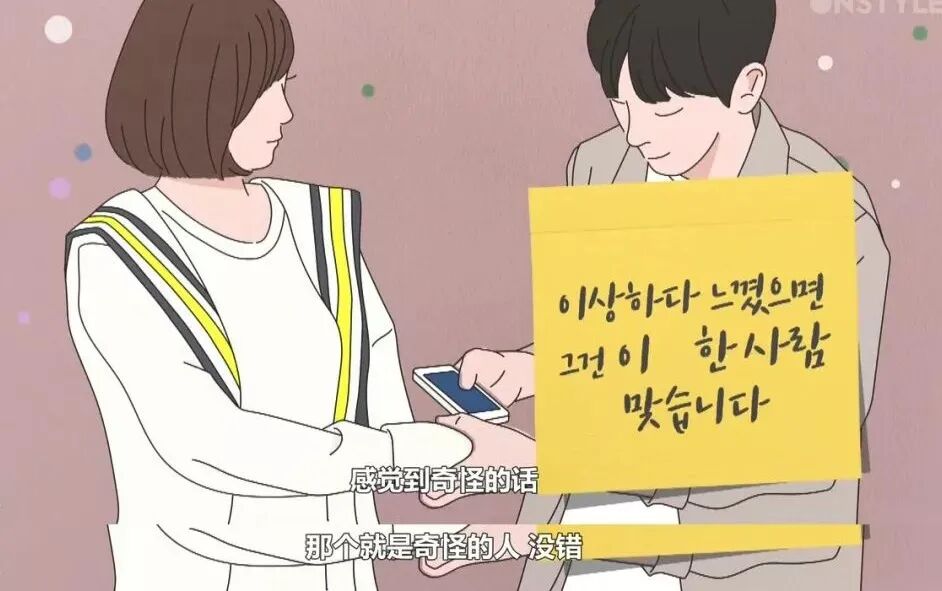
Guardian Winnie: I would be alert to repeated late-night private office meetings that turn to sensitive nonacademic topics, supposedly accidental but unwanted touching, or repeated comments on a student's appearance or body.
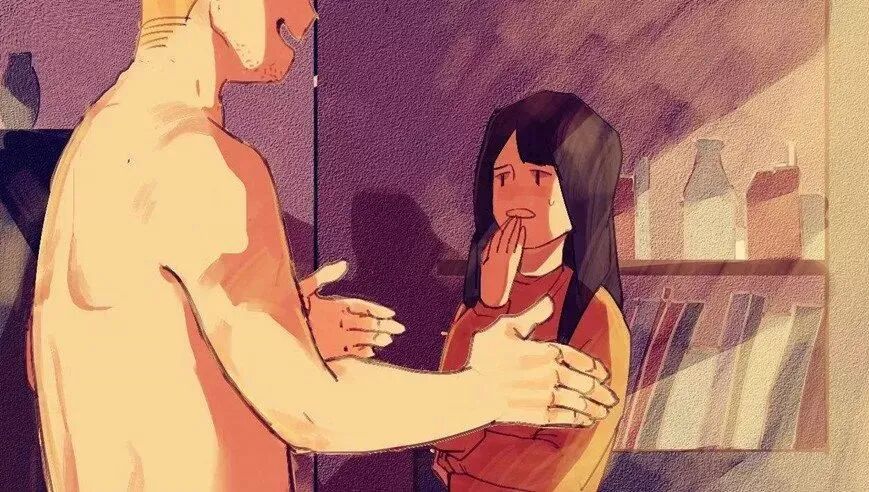
Part 2: Kindness is not weakness, and responsibility lies with the person who harasses
Guardian Doug: The original response suggested that shy or quiet people might be targeted. That is the contributor's view, not a basis for blaming a person's personality. Introversion, silence, or difficulty responding does not mean consent.
Guardian Jela: The original discussed how someone may gradually test boundaries. Fear, freezing, or an inability to respond immediately is understandable and does not give permission to continue. Responsibility remains with the person engaging in unwanted conduct; express boundaries or seek help only in ways that are safe for you.
Guardian Winnie: The original proposed appearance, a quiet personality, and limited social resources as factors a harasser might exploit. They are not established necessary conditions or a checklist identifying victims. Power differences and barriers to complaining deserve attention, but responsibility must not be shifted to a person's looks, personality, or background.
Guardian Duffy: The original suggested that some perpetrators deliberately gather personal information and exploit isolation or lack of support. That is a perspective in the discussion, not proof that every incident follows the same pattern. People deserve protection regardless of whether they speak out.

#2 Do not let shame trap you
Such a sensitive child will not speak because it feels too dirty. Self-respect can become a needle that hurts; here, it stitches her mouth shut.
Part 1: When harassment threatens dignity and study
Guardian Jela: Protect yourself first. Preserve existing information when safe, but do not wait until evidence seems complete before seeking support or reporting concerns. Authorities assess facts through procedures; a report does not guarantee immediate punishment.
Guardian Winnie: If you feel threatened, prioritize getting to safety and obtaining support. Do not stay, provoke, or prolong contact just to collect a recording. Keep existing messages or other records securely when safe, seek appropriate legal advice, and use institutional or relevant-authority channels.
Guardian Doug: Where safe, retain relevant information, approach an appropriate department, and discuss changing supervisors. If the response is inadequate, other channels can be considered with attention to privacy, safety, and applicable law rather than an automatic public-exposure sequence.
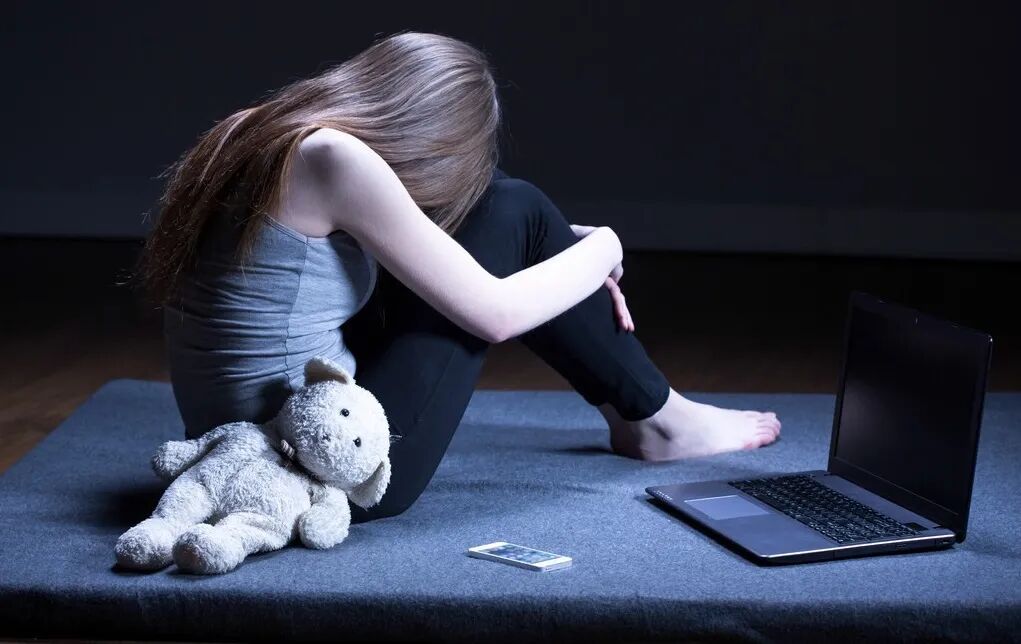
Guardian Wenxi: Where safe, expressing a clear boundary can help. Supervisor–student and workplace relationships have responsibilities and limits. But someone unable to confront the person still deserves protection; preventing harassment is not solely the affected person's job.
In a difficult situation, support and lawful records can matter. A degree should not require enduring harm, but choices about study or reporting belong to the person affected. Public shaming is not guaranteed accountability and should not replace fair procedures.
Guardian Julie: Put your own physical and psychological safety first. Once safe, speak with people you trust, such as family, friends, or teachers. Distance or avoiding contact may help where suitable, but the right response depends on your situation and support.
Guardian Anna: Some students are frightened and do not want a public dispute. That is understandable. Nobody should be pressured to pursue a particular response.
If safer company or avoiding private contact helps, it can be one option. But having a partner—or pretending to have one—is neither required nor a reliable prevention strategy. Harassment should stop regardless of relationship status.
Changing groups, temporary leave, institutional protection, or other arrangements may be considered with support. Leaving a degree is not the only solution and should not be prescribed universally; the person's wishes, safety, and practical needs matter.
Whether someone wants to make a complaint or simply protect themselves, safely retaining existing information may preserve options for later.

Part 2: Lawfully preserved evidence can support protection
Guardian Jela: Messages, audio, video, and other records may be evidence. Their admissibility and weight depend on lawful collection, authenticity, relevance, and the applicable procedure; no type automatically establishes the whole case.
Guardian Doug: Harassment can be difficult to establish, especially where records are limited. Safely preserve existing information if possible, but do not deliberately expose yourself to another incident to obtain evidence.
Guardian Anna: Electronic communications may be evidence under applicable rules. Recording lawfully and safely depends on the jurisdiction and circumstances; it should not be an instruction to secretly record every encounter or remain alone with someone you fear.
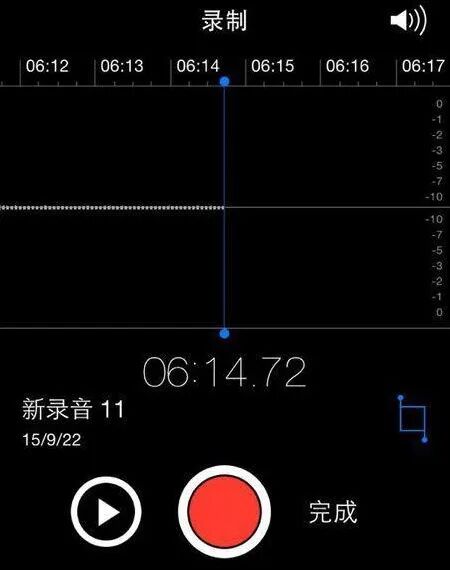
Guardian Wenxi: The original commented that a public account contained much emotion and description but limited supporting material. That does not establish that the account is false or that a person must already hold publicly accepted proof before requesting protection or an investigation.
Harassment's hidden nature can make evidence difficult to obtain. Existing emails, messages, images, audio, or video, together with institutional duties, role descriptions, and conduct rules, may help assessment. Those materials still need lawful and contextual review.
Guardian Winnie: Video, audio, and text may each be useful. The original suggestions to lure someone to cameras, prolong unwanted contact, or induce further conduct are removed. Preserve already available lawful records and ask appropriate professionals about further collection, without creating a new safety risk.
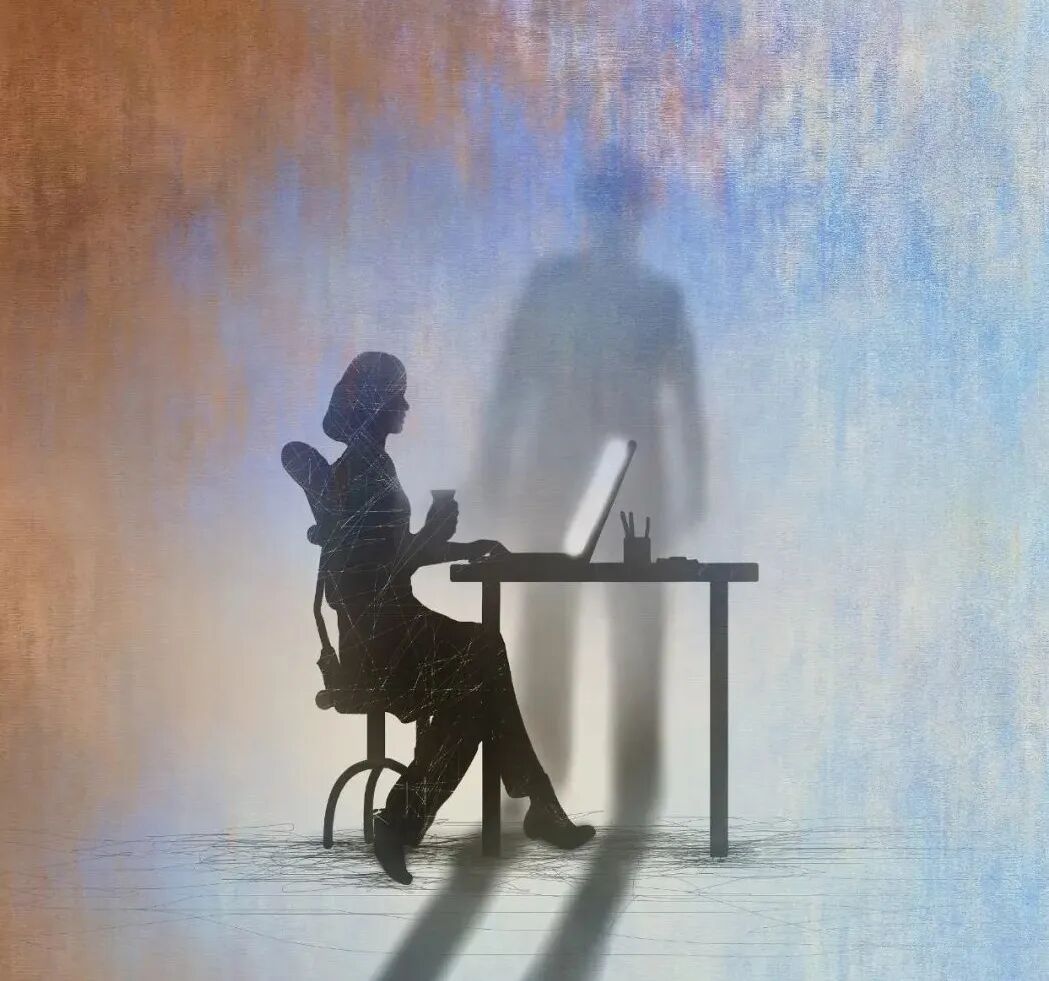
Guardian Poppy: Several evidence-related points deserve consideration:
First, existing admissions, apologies, recordings, messages, and other original materials may assist assessment. Keep them intact and backed up where safe. They are not automatically decisive, and coercing or provoking an admission is not an evidence-collection recommendation.
Second, witnesses may help establish events. Their weight depends on the individual account and corroboration, not a universal rule that testimony is always weaker than every other type of evidence.
Third, reporting promptly where appropriate can help document concerns and allow investigation. Reporting itself does not independently prove that harassment happened, and an authority's record or interview still needs proper assessment.
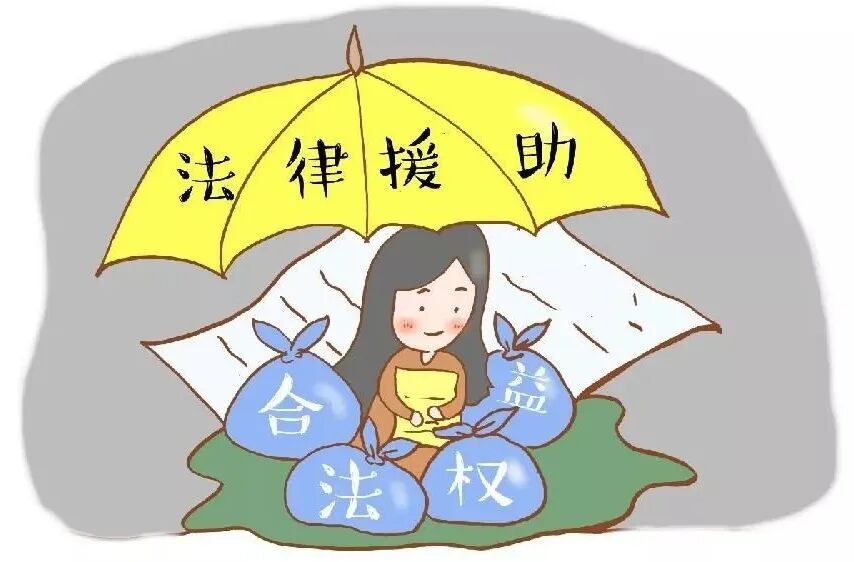
Fang Si-chi's First Love Paradise describes how sexual taboo can make a person subjected to rape feel at fault, and how that guilt can draw her back to the perpetrator.
In the Taiwanese film Sex Appeal, the mother of a harassed student asks whether she seduced the teacher or wanted to become his lover. The original uses this scene to criticize blame directed at victims.
The original also described a complainant's extreme distress. This restoration does not repeat wording threatening death, but retains the call for protection and support without identifying her institution.
In the face of harassment, we need responses beyond silence, acceptance, and embarrassment—for those harmed and for all of us.
The original manuscript credits images to the internet and requests contact for removal if they infringe rights.
Restoration revision, 2026-10-10: All speakers and discussion topics are retained. Institution-specific allegations are de-identified and their response screenshot removed. Corrections address inducing or prolonging dangerous contact to gather evidence, needing complete evidence before seeking support, reporting itself proving facts, and universal evidence-weight claims. Personality, appearance, or silence are not treated as victim responsibility. Originals and differences remain private.
Supplementary references
- PRC Civil Code, Article1010: Sexual Harassment and Institutional Responsibilities
- Supreme People's Court: Civil Evidence and Electronic Data
- WHO: Safety and Support for Survivors of Violence
- WHO: Nonjudgmental Listening and Respect for Autonomy
Sources and editorial history
Restored from a complete historical article exported from the PhDSciNet Official Account.
Editorial revision: Restoration revision, 2026-10-10: All speakers and discussion topics are retained. Institution-specific allegations are de-identified and their response screenshot removed. Corrections address inducing or prolonging dangerous contact to gather evidence, needing complete evidence before seeking support, reporting itself proving facts, and universal evidence-weight claims. Personality, appearance, or silence are not treated as victim responsibility. Originals and differences remain private.