Historical material: The following preserves the original context, personal views, and discussion; necessary revisions are identified separately.
Historical discussion note: Original Guardian aliases, differing views, and institutional criticism are retained; unverified institution-specific allegations are de-identified. Assessments of reputation, power, and responses are contributors' perspectives. Harassment is not equivalent to mental illness, and not every incident is a crime. Responsibility and sanctions depend on facts and applicable procedures.
Under Unequal Power: The Fragile Boundaries of Education
Appearances do not reveal character—a frightening aspect of harassment in universities.
Deep-rooted authority and a cultivated, reassuring manner can make a teacher seem unquestionable to students under academic pressure, isolated, and lacking support. Faith in authority, fear of public judgment, and concerns about propriety can make people experiencing harassment afraid to speak.
Harassment may be more widespread than people see, while many affected people remain silent.
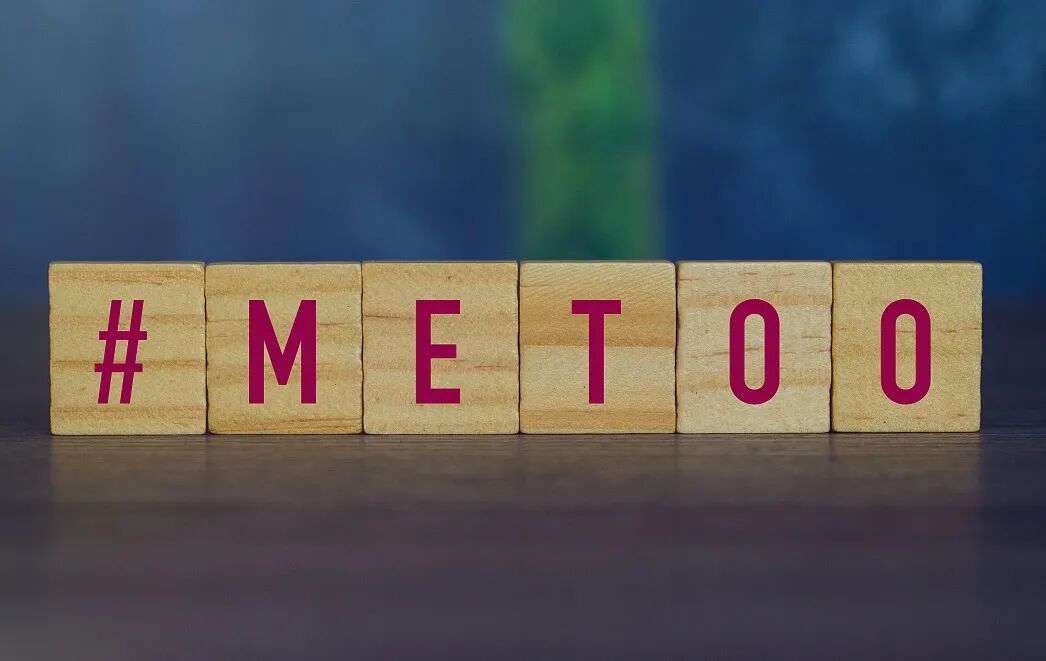
#1 Maintaining educational boundaries under unequal power
Traditional ethical systems can contain unequal expectations in relationships between rulers and subjects, parents and children, or teachers and students.
Part 1: Character matters in an educator
Guardian Doug: Supervisors should consider transparent meeting arrangements—for example, an open door where suitable. Protection and professional boundaries matter for students of any sex; avoiding all contact with another sex is not a universal solution.
Guardian Anna: I think supervisors should be professional and direct, without treating gender as the basis of the teacher–student relationship.
Guardian Winnie: I favor avoiding isolated late-night meetings and unrelated intimate topics, and keeping meeting arrangements transparent where appropriate. Such safeguards should fit the context and protect all students, rather than assume that harassment only occurs between different sexes.
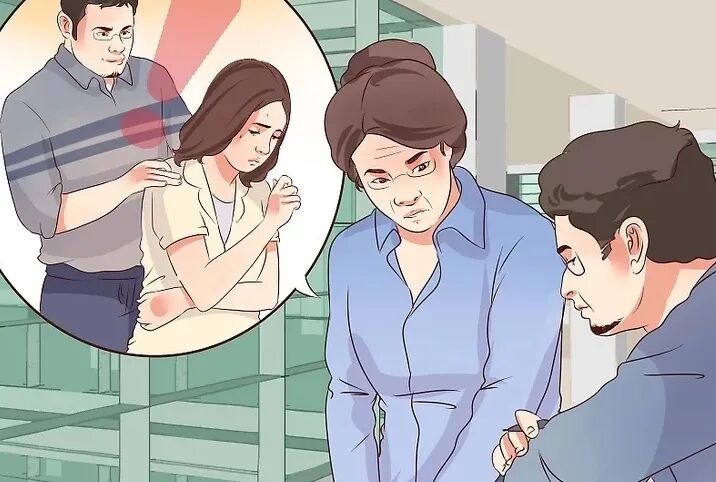
Guardian Jela: Teaching and supporting students should be the first task. A supervisor should do their job responsibly rather than intrude into private life. Where students face personal or psychological difficulties, the supervisor can help them obtain appropriate support.
Guardian Julie: I have not been a supervisor, but our teaching-assistant training gave clear rules: no romantic relationships with students, avoid contacting them during weekends or rest periods, and speak in an open office or a spacious public place. Those were the rules described in my training context.

Part 2: Authority and moral pressure can make people silent
Guardian Julie: I think hiring should include appropriate assessment of professional conduct, but no pre-employment personality test can guarantee that harassment will not happen. Continuing oversight and accessible complaints also matter.
Guardian Jela: Supervisors can hold power over rewards, evaluations, progress, and graduation. Where that power is abused, a student may fear consequences and remain silent, try to keep the peace, or feel unlucky. That is why the imbalance needs attention.
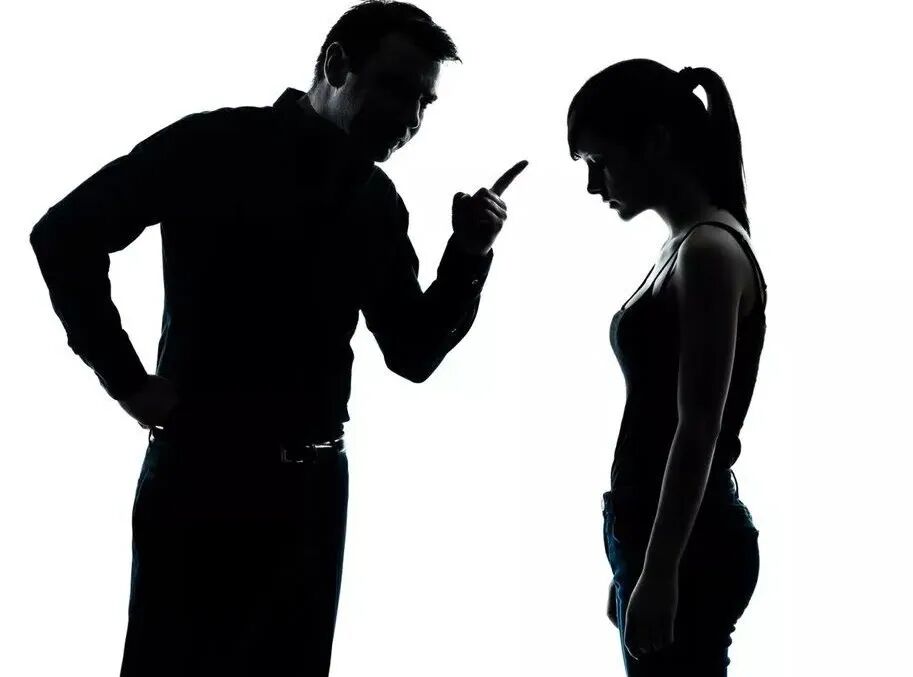
Guardian Doug: Power can be a strong intoxicant. When someone controls students' opportunities, some supervisors may cross boundaries gradually and escalate if they find that misconduct has no consequences.
I think someone willing to behave that way may have poor moral judgment and feel little guilt.
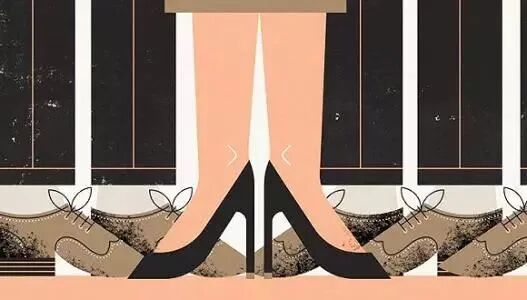
Guardian Winnie: I think several factors may be involved:
First, character. A high degree does not guarantee good conduct. Some people may be good at study, research, or opportunism without treating others well.
Second, the original response speculated that long-term academic pressure could distort personality. That is not an established medical explanation for harassment, nor an excuse. Harassment must not be equated with mental illness or described as a necessary release of pent-up desires.
Third, expanding power. Supervisors can have considerable influence over students' opportunities, and a person may redirect pressures from above towards someone with less power. That does not mean a supervisor has lawful absolute control or that every pressured person behaves this way.
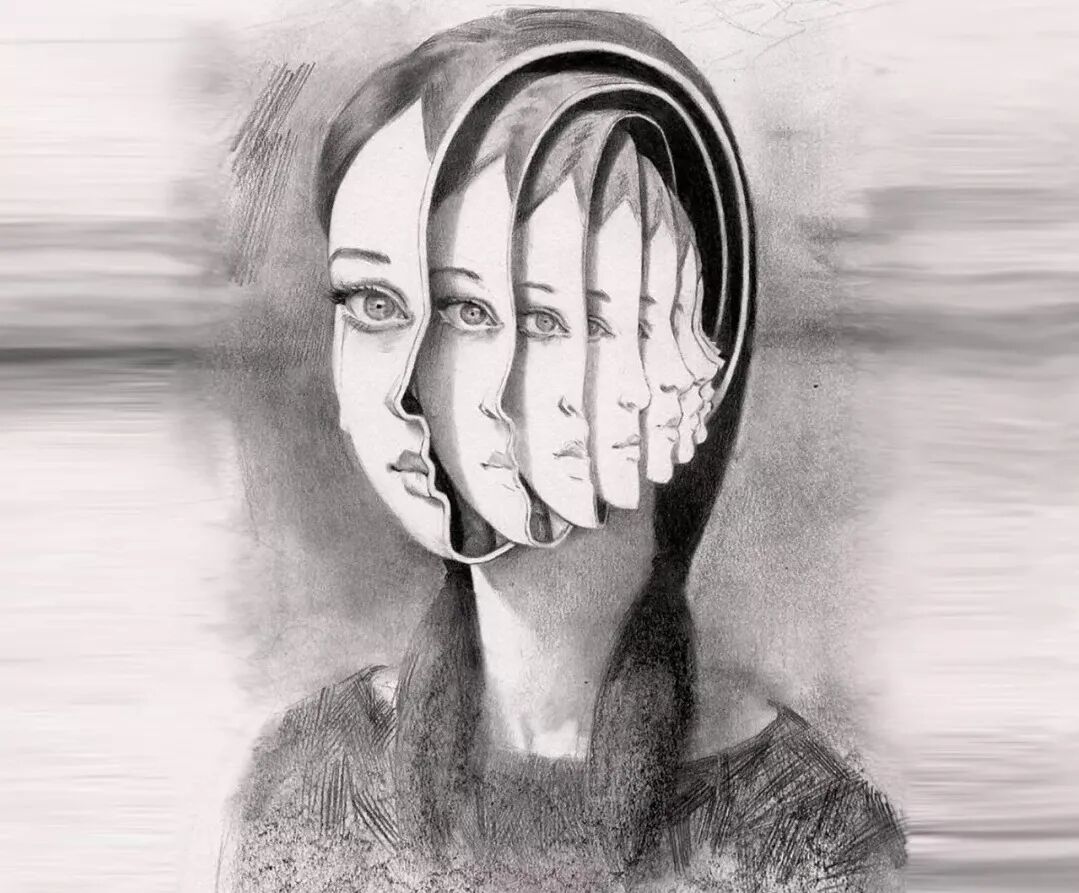
#2 Institutional silence can add to harm
The problem involves not only people acting without restraint and people unable to speak, but also mocking bystanders and a society that can become accustomed to harassment.
Part 1: What can make institutions fail to prevent harassment?
Guardian Anna: I worry that concern for reputation can discourage a school from responding. If an institution conceals a problem instead of addressing it fairly, I would be saddened. A particular institution is not identified in this unverified historical discussion.
Guardian Jela: Sometimes institutions may care more about reputation and worry that a public scandal damages their image. Where the person involved has status or a strong research background, I worry about protection within a hierarchy.
Guardian Doug: Concealing an incident may seem to preserve reputation, but acknowledging problems and responding firmly can better restore trust. The misconduct of a minority should be addressed seriously so students feel safer.
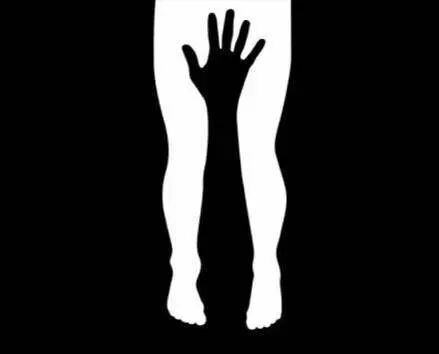
Guardian Winnie: My concern is that leaders may prioritize reputational damage rather than students' rights. I regard that as a deeply troubling possibility, not a verified account of every university's response.
I worry that close relationships between supervisors and leaders can lead to concealment, intimidation, delay, minimizing an incident, or pressure for a private settlement.
Insufficient consequences also matter. If someone sees earlier misconduct go unpunished and believes the benefit outweighs the risk, they may become more willing to act.

Guardian Julie: I worry that a school may protect a teacher first because teachers are central to it. That concern is not proof that every school necessarily does so. The original also noted that some schools announce an investigation promptly.
Guardian Wenxi: The response discussed in the source did not make me feel that the institution was necessarily concealing facts. The complainant's account was painful, but a lack of publicly shown material does not establish that no evidence exists, and an account itself needs fair assessment.
An institution should not decide guilt simply from public anger, nor protect a teacher regardless of the facts. It should investigate fairly, preserve information, and explain its procedures. An appropriate response can support both fairness and students' rights.
Whatever the eventual findings, timely, sincere psychological support and humane care for the student are urgently important alongside the investigation.

Part 2: Institutions should respond, while affected people retain choice
Guardian Jela: We still need more responsible, transparent, and convincing oversight and resolution mechanisms. Silence can arise from fear or self-protection; it is not consent and should not be blamed for the occurrence of harassment.
People may seek institutional protection and, where appropriate, report to police. Harassment can involve civil or disciplinary responsibility, and some conduct can be criminal. The applicable procedure depends on the facts; not all harassment is automatically a crime.
Guardian Winnie: Repeated reports and disappointing outcomes make me question whether institutional responses are adequate. Social media becoming an informal courtroom is a sad sign of those concerns.
The original argued for police or judicial involvement and very severe consequences, including a lifelong mark and destruction of future career prospects. That is a strong policy position, not a statement of existing legal penalties. Actual investigations, sanctions, and institutional duties must follow applicable law and fair procedures; schools also have responsibilities and cannot simply avoid them.

Guardian Julie: I do not know the eventual penalties in most reported cases, but I expect misconduct can harm someone's reputation and standing.
More importantly, institutions should oversee professional conduct before and during employment and provide accessible complaint and counseling services. Psychological assessments alone are not a way to certify character or predict harassment.
Guardian Doug: I feel that harassment can be hard to assess and that some responses appear to seek a compromise rather than address it adequately. Campus cases can be particularly difficult.
I favor stronger oversight and meaningful consequences when facts are established. Suspension, dismissal, or other sanctions need to fit the evidence, seriousness, and applicable procedure. Conduct that may be criminal also requires the relevant legal process.

Guardian Anna: I think schools need a designated body and clear procedures for handling harassment, rather than treating reports as isolated exceptions.
First, provide concrete training for teachers and students. The original used recurring training in some overseas institutions as an example that could be considered locally.
Second, students with concerns should have a confidential channel staffed by trained people. Procedures should specify whom to contact and what measures apply to students, supervisors, and the institution at different stages.
Third, there should be clear support for safely and lawfully preserving information and protecting rights, including where conduct may violate the law.
When social media becomes a courtroom, it may show that people feel they lack better channels. Relying on public opinion instead of proper processes is troubling. I think effective access to justice is part of preventing repeat harm.
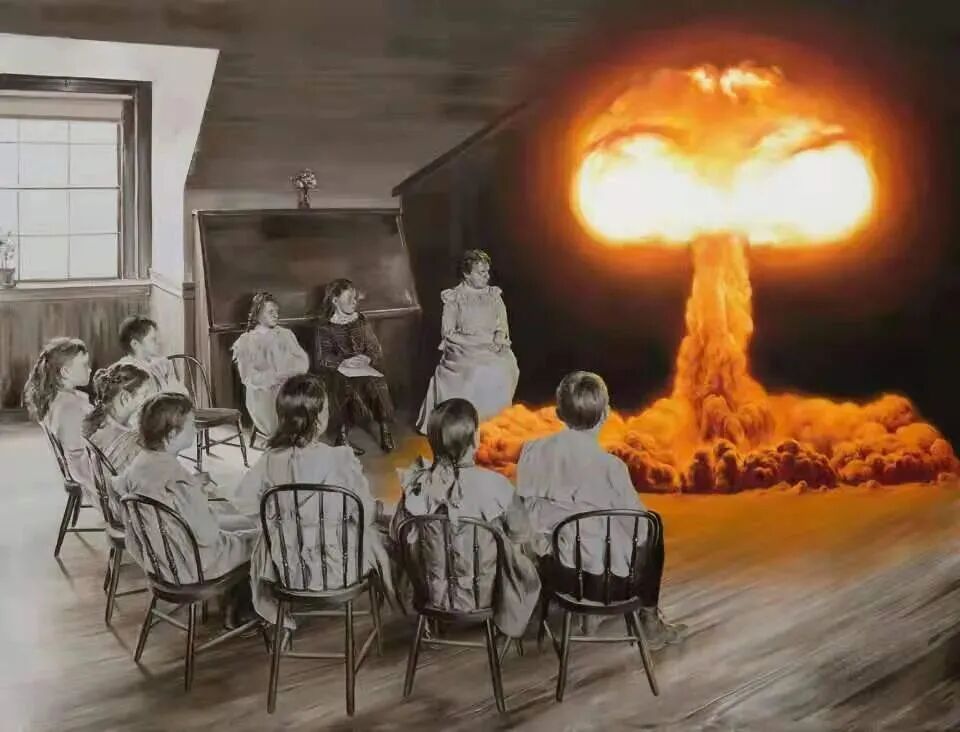
Guardian Wenxi: People affected by campus misconduct often bear the greatest pressure. Power, traditional values, shaming appearance or sexuality, and extreme gender positions can distract from the issue.
I find one-size-fits-all responses discouraging and worry when authorities seem more interested in quieting a dispute than finding facts. An independent compliance body or appropriately qualified external authorities can help ensure a fair investigation, depending on the circumstances.
The hidden nature of harassment makes evidence difficult to gather. Unequal student–teacher relationships can leave individuals with little influence, so some turn to social media to be heard and gain attention. From their perspective, it may be a last resort; from an institution's perspective, it can also create scrutiny. I want different voices to be heard, without the process being misused.
Individual awareness can rise quickly, while changes in institutions and social attitudes take time. Keep working towards them.

The original ended by relaying an institution's statement that a special group had completed an initial inquiry, a professional-conduct body was undertaking a fuller investigation, and the school would cooperate with police. Identifying institution, date, and unit combinations are removed; this does not establish the eventual result or current status.
The film Sex Appeal includes a line about believing change is possible, though it will not be easy and truth can be painful. It calls for refusing indifference and for a judgment that awakens those pretending to sleep.
We hope for better educational oversight, more effective anti-harassment protection, improved understanding of sexuality, and a less hostile public environment, helping those harmed and prompting people to respond.
The original manuscript credits images to the internet and requests contact for removal if they infringe rights.
Restoration revision, 2026-10-10: The full discussion and aliases are retained, with unverified school and case identifiers removed. Corrections address pressure or mental illness as an explanation for harassment, lack of public material meaning no evidence, every incident being criminal, and automatic universal sanctions. Strong original policy views about accountability remain. Originals and differences are private.
Supplementary references
- PRC Civil Code, Article1010: Civil and Institutional Responsibilities
- Supreme People's Court: Evidence Assessment and Electronic Data
- WHO: Safety, Autonomy, and Support for Survivors
Sources and editorial history
Restored from a complete historical article exported from the PhDSciNet Official Account.
Editorial revision: Restoration revision, 2026-10-10: The full discussion and aliases are retained, with unverified school and case identifiers removed. Corrections address pressure or mental illness as an explanation for harassment, lack of public material meaning no evidence, every incident being criminal, and automatic universal sanctions. Strong original policy views about accountability remain. Originals and differences are private.