Historical material: The following preserves the original context, personal views, and discussion; necessary revisions are identified separately.
Restoration note: This historical article discusses understanding depression and research around 2022. Clear medical errors have been corrected. Remembrance is preserved while final messages, specific methods, locations, and related illustrations are removed. Research or commercial descriptions do not replace diagnosis or establish an approved human treatment.
I Have a Black Dog, and Its Name Is Depression
The original article remembered the young online writer Zoufan, whose death in 2012 prompted people to talk about depression. This restoration does not reproduce her final message or details of the death; it preserves the concern for people experiencing emotional pain.
Ten years later, the original described more than a million comments beneath Zoufan's posts, including young people sharing loneliness and asking to be heard. That count is a historical statement in the manuscript, not a current verified total.
When depression's black dog approaches, my friend, how are you doing?
#1 I do not know why I feel so sad
You are not weak: Depression deserves care
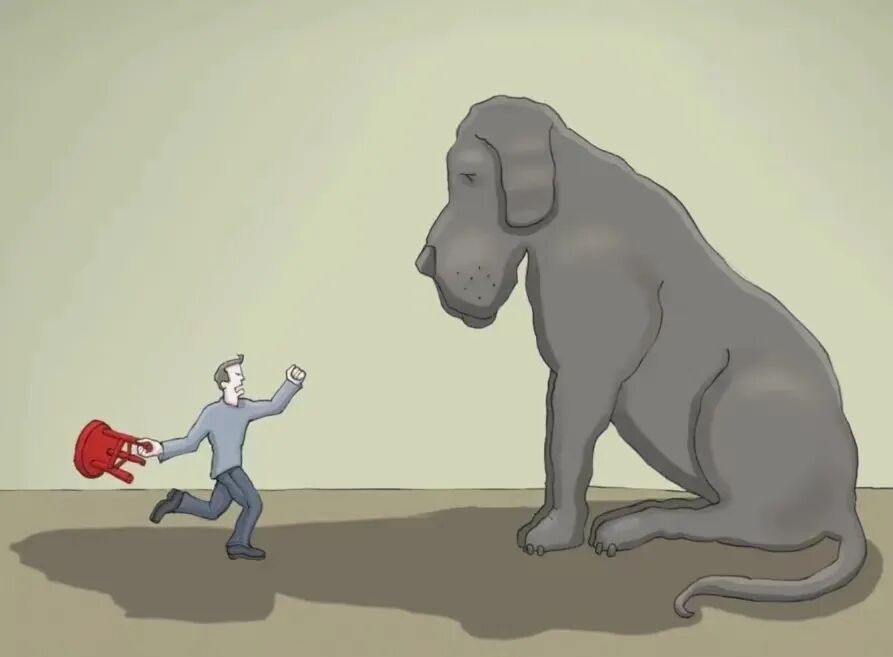
The black-dog metaphor has been used to describe depression and appears in public information shared by WHO. The original connected it to Winston Churchill, but this article does not retrospectively diagnose him or establish seasonal symptoms from an unattributed quotation.
Depression should not be described as a contest a person wins or loses. It can be serious, but effective treatment and support are available; a historical public figure's political achievements do not determine their mental-health experience.
Figure 2: A metaphor for the burden of depression
The original also mourned a young writer who died in 2016. His achievements do not explain his death, and this restoration omits the final-message quotations, specific method, and location details.
The discussion raises concern about young people's pressure and mental health. A death cannot be confidently attributed to publicity, one stressor, or a diagnosis from a brief account; compassion and appropriate support matter.
Figure 3: Concern for young people's mental health
The original remembered another young woman who died, expressing sorrow for her distress. Details that could sensationalize the death or describe its method and setting have been removed.
Final-message quotations are not reproduced. They should not be used to suggest that someone had no other possibilities, or to reconstruct a clinical cause from a public account.
Figure 4: Pain deserves attention, and support remains possible
Part 2: Depression is more than unhappiness—it is an illness
Depression is a common mental disorder and an important public-health concern. The original cited a global estimate above 350 million and a prediction about disease burden in 2030. Those should not be treated as current verified figures or a certain future ranking. Population estimates depend on year and methods, and depression is treatable.
The original cited a 2022 Chinese depression report estimating 95 million people, roughly one in fifteen, with 80% unrecognized and 90% without professional treatment. These are historical claims in the manuscript, not independently verified current estimates here. The unverified twenty-fold suicide-risk comparison is not reproduced. Depression can increase suicide risk, but an individual's course cannot be predicted by a blanket multiplier.
The original referred to an October 2021 Ministry of Education response to a proposal on adolescent depression prevention, mentioning screening within student health examinations. This records the policy discussion cited at the time, not verification that every school currently implements a particular screening program.
Calling depression a cold of the mind is only a metaphor. There is no need for shame or concealment, but it should not minimize a potentially serious illness. Acknowledging the problem and seeking an appropriate professional assessment can help.
#2 A history of understanding depression
Part 1: Can sadness be an illness?
The original described harsh historical responses to mental distress, including deprivation, bloodletting, beatings, and supernatural explanations in parts of medieval Europe. Such accounts should not be treated as a uniform treatment history for every place or era. They illustrate how misunderstanding could harm people.
Classical writings linked melancholy with exceptional achievement; that does not mean Aristotle lived during the Renaissance. Later artists and thinkers, including Michelangelo, Leonardo da Vinci, and Newton, were discussed through the language of melancholy. This does not establish modern clinical diagnoses for them. Milton's Il Penseroso welcomed holy melancholy as a poetic theme.
By the seventeenth century, some explanations invoked physical processes, such as bodily fibers or blood supply. These were historical theories, not established modern mechanisms of depression.

The original described how symptoms such as low mood, poor appetite, sleeplessness, and chest discomfort were often discussed under neurasthenia in China before the 1980s, especially where no clear organic disorder was identified. This is historical diagnostic context, not a way to diagnose those symptoms today.
DSM-III, the third edition of the American diagnostic manual, was published in 1980 and introduced more explicit diagnostic criteria. The changing classification helped distinguish depressive, anxiety, and other disorders; it was not simply the invention of depression to replace a single older label.
In a study published in 1982, Arthur Kleinman reassessed one hundred patients diagnosed with neurasthenia in a Chinese clinic; eighty-seven met DSM-III criteria for major depressive disorder. This finding concerned that particular clinical sample, not all patients in China.

Part 2: Exploring the brain and depression
Researchers have investigated genetic influences and pathways involving serotonin, dopamine, neurotrophic factors, and brain-derived neurotrophic factor. Early candidate-gene discussions are not a settled explanation: depression involves complex genetic, biological, environmental, and psychological influences.
It is too simple to say that suppressed serotonin automatically causes depression or suppressed dopamine removes all goals and achievement. These signaling systems are part of broader circuits, and their relationship with symptoms is complex.
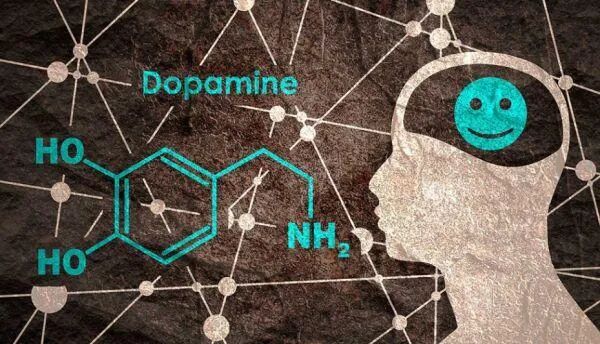
Studies investigate associations between depression and brain structure or function, including the prefrontal cortex, amygdala, and hippocampus. Associations in groups do not establish a single inevitable change or a direct cause in every individual.
Some imaging studies report differences in prefrontal measures between groups. It is not established that every patient's prefrontal cortex is greatly reduced, or that such a scan alone explains emotions, judgment, or appetite.
Researchers also study amygdala activity in emotional processing. Its activity and size do not change in one uniform way in every person with depression, and everyday distress cannot be diagnosed from a general description of that brain region.
Differences in hippocampal measures have also been investigated, alongside memory and learning. They should not be described as inevitable shrinkage caused by depression in every patient, or as a complete explanation of emotional regulation.
#3 Artificial intelligence: Exploring ways to recognize depression
Part 1: Studying voice and gait
Detecting possible depression-related patterns in speech is a research idea. Speaking requires complex nervous-system control, and some features may be associated with mental-health changes. A voice recording alone does not establish a diagnosis.
The original described Ellipsis's work on voice-based screening. Such systems analyze speech samples to estimate features associated with depression or anxiety. A company's description of a product does not by itself establish diagnostic accuracy, superiority, or suitability for an individual.
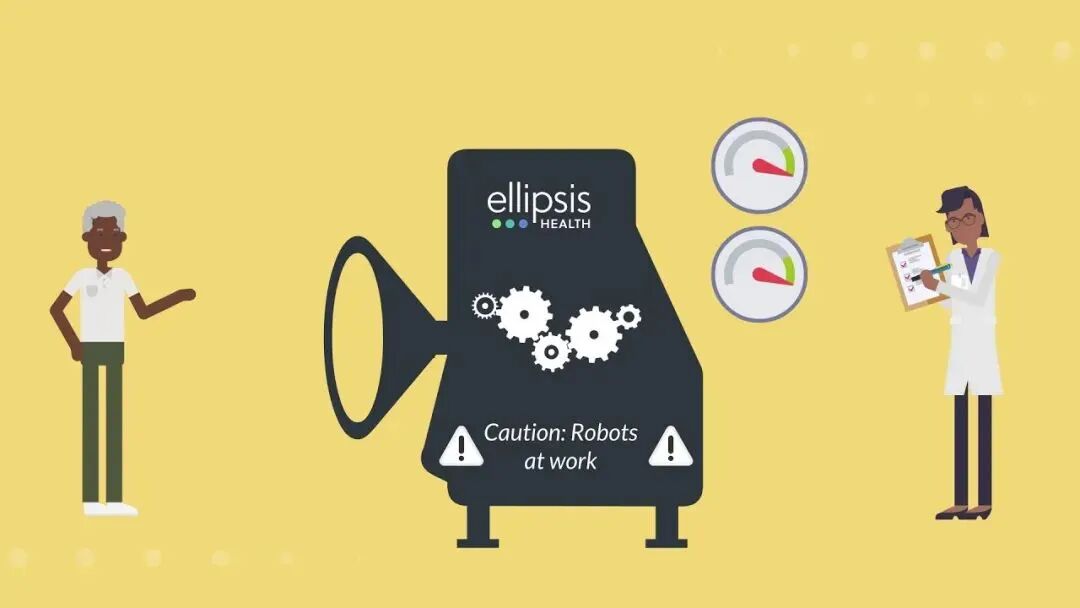
The original also discussed the startup Sonde Health as another voice-analysis developer.
Its described aim was to analyze acoustic features such as pauses, pitch, and timbre without relying on speech content, exploring possible physical and mental-health indicators. Claims about detecting deterioration or suicide risk require appropriate validation; an app should not be portrayed as reliably diagnosing such risks from a voice alone.
Gait has also been investigated. Some studies compare movement, posture, and walking speed between groups with and without depression. Those patterns can vary and are not a universal sign of illness.
Machine-learning research may identify useful patterns in particular datasets. That does not establish that automatic gait-based diagnosis is generally effective or ready to replace a clinical assessment.
Part 2: Studying social-media language
A 2018 PNAS study analyzed Facebook language from a sample of 683 patients and examined associations with depression documented in medical records. It compared language from affected participants with controls, including a five-control matching approach. Its results suggest possible screening signals in that dataset, not a reliable diagnosis from anyone's posts.
The study found associations with words expressing negative emotions, including themes of failure, pain, crying, and preoccupation. Such words alone do not mean that a person has depression.

Predicting Depression via Social Media studied Twitter users who reported a depression diagnosis. Researchers examined earlier social engagement, emotional language, linguistic style, social networks, and references to antidepressant medication, developing a statistical risk classifier.
The study explored useful predictive signals; it did not establish that a classifier is interchangeable with clinical diagnosis. Performance in a selected research sample does not guarantee accurate prediction for every person or population.

Other researchers examined whether features of Instagram photographs were associated with a history of depression.
A study by researchers affiliated with Harvard and the University of Vermont collected 43,950 photographs from 166 users, seventy-one of whom reported a history of depression—not seventy-one photographs. It examined colors, metadata, and face-related features. Participants consented to data collection; this is not permission to secretly diagnose people from their images.
In the dataset, photographs posted by participants with a depression history tended to be darker, grayer, and bluer, with different posting and filter patterns. These group associations are not a rule that a particular color or filter reveals someone's illness.

Part 3: Project Amber and EEG research
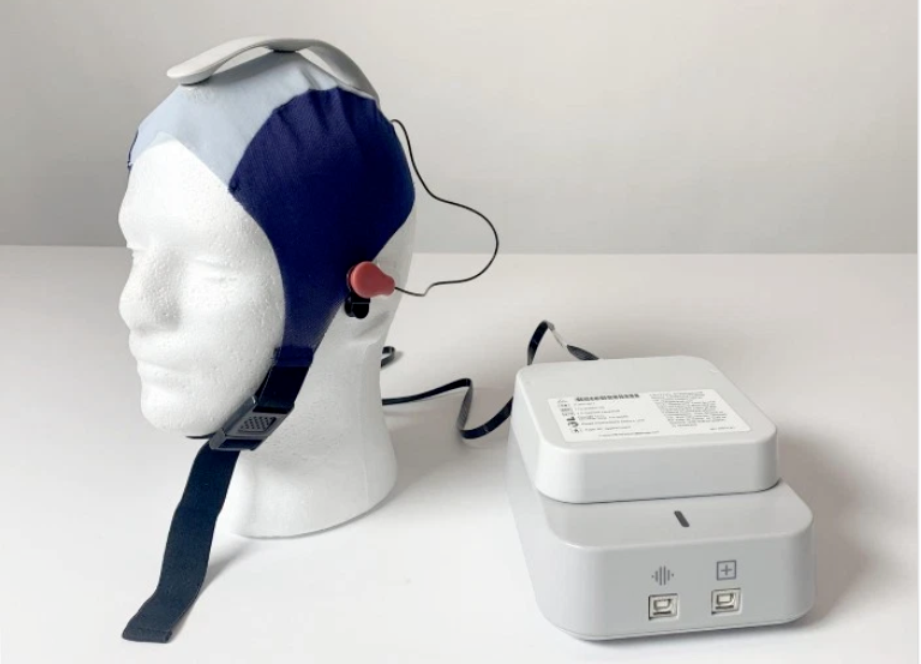
Project Amber explored machine learning with EEG data to find mental-health-related features. Over three years, the team developed a portable research-grade system and methods to extract usable signal representations from individual EEG trials. Prediction of clinical labels was a proof of concept, not an established treatment or standalone diagnostic test.
The team concluded that a single biomarker for depression was unlikely and ended its work at X in 2020, sharing hardware designs and research tools openly. The goal was for researchers, clinicians, technical specialists, and people with lived experience to build on the work, not to announce that the diagnostic problem had been solved.
#4 New technologies and depression-treatment research
Part 1: SAINT neuromodulation
The original cited a September 6, 2022 company announcement about SAINT. FDA records show a September 1, 2022 510(k) clearance for the Magnus system with SAINT technology, for adults with major depressive disorder who had not achieved satisfactory improvement from antidepressant medication in the current episode. It is a prescription system used by trained medical professionals, not a cure for every patient.
SAINT uses structural and functional MRI information to identify an individualized target for noninvasive repetitive magnetic stimulation. This helps guide treatment; it does not guarantee the best possible outcome for every individual.
A randomized, double-blind trial reported promising results for a personalized stimulation approach. Such a finding supports further assessment and appropriate clinical use within its indication; dramatic wording should not be mistaken for guaranteed rapid or lasting benefit.
Existing antidepressant treatment helps many people, but response varies and some need another approach. The original blanket claim that only one third can reach remission is not established for all patients and treatment stages. Neuromodulation adds options rather than proving that all other care has reached a dead end.
Part 2: A six-year research project and a candidate compound in Science
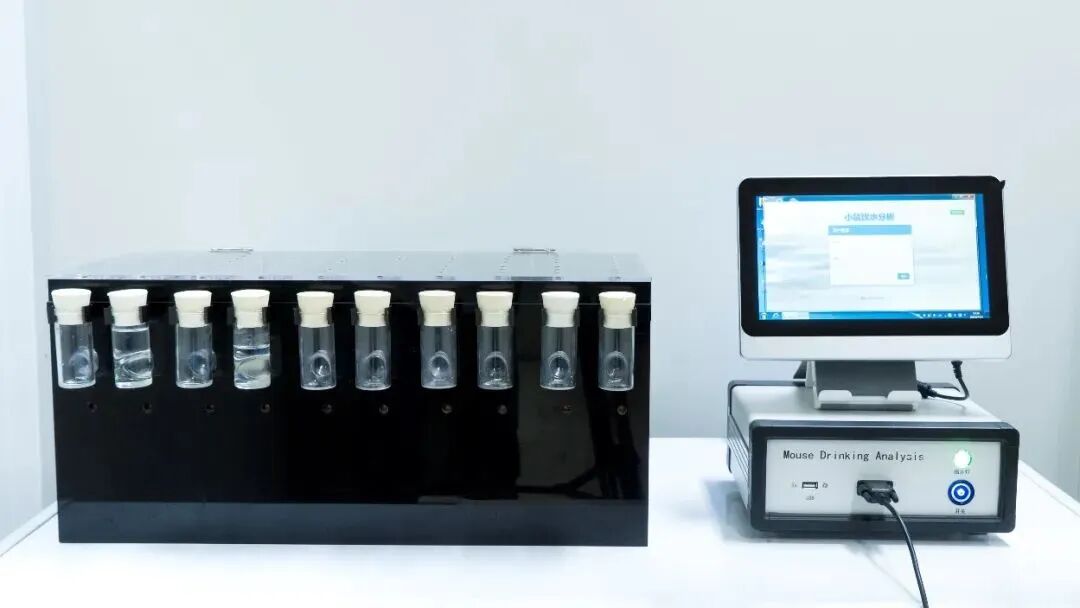
A Science paper published on October 28, 2022 described disrupting the SERT–nNOS interaction and a small-molecule candidate, ZZL-7. Antidepressant-like effects appeared about two hours after treatment in mouse experiments. That is not evidence that an approved human medicine acts in two hours. Its possible clinical use requires further safety and effectiveness research.
The original celebrated the research team, described all authors as coming from China, and called it Nanjing Medical University's first Science paper as the first corresponding institution. Those institutional statements were not independently verified here. It described a difficult research journey, expressing hope for treatment development rather than proof that the candidate has become an effective treatment for patients.
Part 3: Head-worn direct-current stimulation
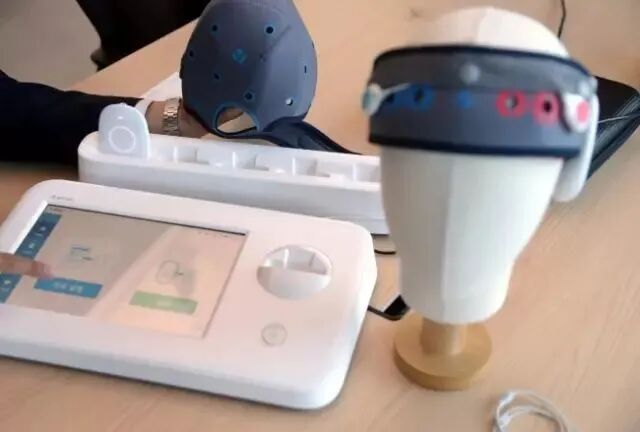
Transcranial direct current stimulation, or tDCS, uses low-intensity electrical currents to influence brain activity. It is not accurately explained as simply changing brain waves to release a fixed set of neurotransmitters and hormones. Effects, suitability, and evidence depend on the particular device and treatment protocol.
The original introduced a head-worn device from Ybrain and relayed its founder's claims about shorter treatment and home use. These are historical commercial claims, not proof that medication always takes nine months or that every home-use device is safe and effective. Professional assessment and the device's actual authorization and instructions matter.
The source described a relatively inexpensive, simple device and an app sending physiological data to clinicians. That does not establish absence of side effects or universal advantages over other treatments. The battery-based self-use instruction is removed: this article should not be used to construct or independently apply brain stimulation.
Part 4: A brain pacemaker in an individual research case
Katherine Scangos and colleagues at the University of California, San Francisco published Closed-loop neuromodulation in an individual with treatment-resistant depression in Nature Medicine in 2021.
The study used an implanted sensing and stimulation device and a patient-specific biomarker to provide closed-loop treatment in one person with severe, treatment-resistant depression. Improvement in that individual was a research finding, not proof that the method works for all patients.
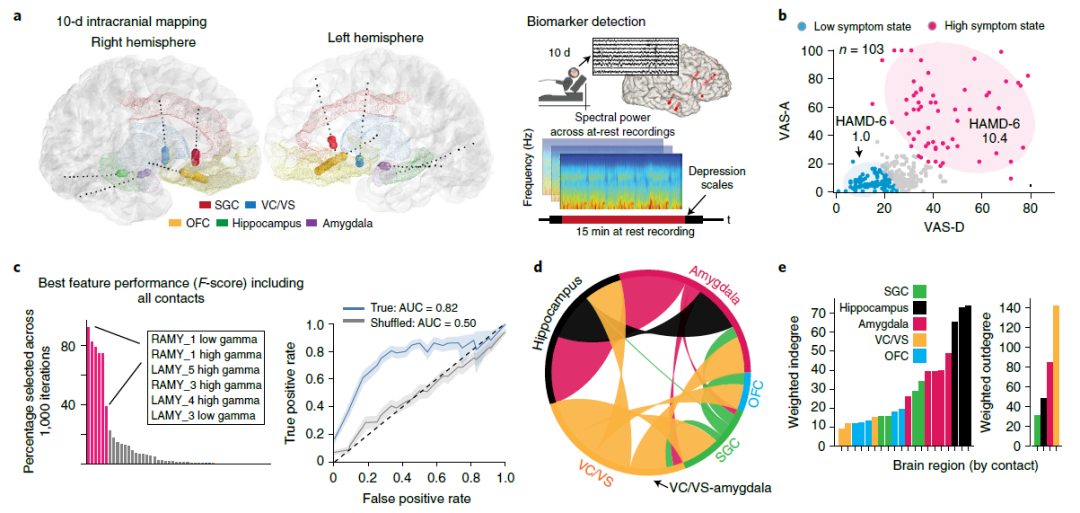
The study described rapid improvement and follow-up in one patient, while the original discussed a fifteen-month period that was not independently verified here. This does not justify a general comparison claiming immediate benefits versus all standard treatments taking four to eight weeks. Larger studies are needed to assess effectiveness and durability.
Safety, efficacy, and regulatory suitability require further research. Brain implants for depression remain a specialist research topic; a promising individual case is not a guarantee of cure or an approval forecast.
Part 5: Brain–computer interfaces and research possibilities
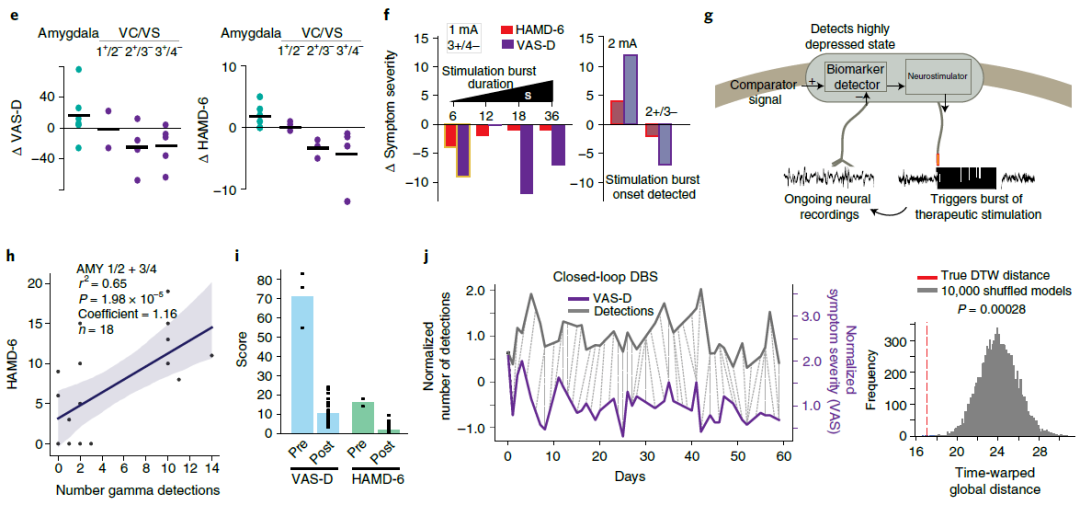
The original described a 2020 announcement from Ruijin Hospital in Shanghai about implant-based research for treatment-resistant depression. The proposed approach combined recorded intracranial signals, analysis, and electrical stimulation. This is retained as a historical research description, not verification of an established clinical treatment.
It also cited a November 25, 2021 cooperation announcement involving BrainCo and Beijing Anding Hospital to investigate EEG-based screening and intervention. A collaboration announcement does not establish the eventual accuracy or effectiveness of a product.
Implanted interfaces raise important safety and ethical questions. Noninvasive approaches have different risks and capabilities, but neither should be recommended to most people simply because it sounds less invasive. Suitability requires evidence and individual specialist assessment.
The original expressed optimism about this emerging research. That hope remains, alongside uncertainty about what will become clinically useful. Deeper understanding of the brain may support future care, but it does not promise a cure from a particular interface.
Depression can affect anyone and disrupt feelings, activity, and relationships. It does not take away a person's worth or their right to love and be loved.
Fatigue, stress, and efforts to conceal difficulties can be part of an individual's experience, but there is no simple rule that one emotion inevitably makes depression worse. People should not be blamed for how they cope.
Depression deserves recognition rather than shame. Acknowledging it and obtaining suitable assessment, treatment, and support can help. Recovery is possible, and there is no need to frame illness as a personal failure.
The original manuscript credits its material to the internet and requests contact for removal if it infringes rights.
Restoration revision, 2026-10-10: Chapters and research topics are retained, with specific death details and despairing final-message quotations removed. Corrections address DSM chronology, deterministic neurotransmitter and imaging claims, AI being equivalent to diagnosis, 71 Instagram users being mistaken for photos, human two-hour efficacy attributed to ZZL-7, and claims that tDCS has no side effects or can be self-applied using a battery. SAINT clearance is checked against FDA records. Original passages and differences remain private.
Supplementary references
- WHO: Depression and Effective Treatment
- NIMH: Depression—Complex Factors and Treatment
- WHO: Suicide Reporting Resource, 2023
- American Psychiatric Association: DSM History
- Kleinman (1982): Neurasthenia and Depression
- Original Study: Facebook Language and Depression in Medical Records
- Original Study: Predicting Depression via Social Media
- Original Study: Instagram Photos and Predictive Depression Markers
- Amber Team: Research Conclusion and Open-Source Resources
- FDA: SAINT System 510(k) Clearance and Indication
- Original Study: ZZL-7 Mouse Experiments (Science, 2022)
- Original Study: Closed-Loop Stimulation in an Individual (2021)
- NIMH: Brain Stimulation—Evidence, Scope, and Risks
- WHO: Public Mental-Wellbeing Resources and the Black-Dog Metaphor
Sources and editorial history
Restored from a complete historical article exported from the PhDSciNet Official Account.
Editorial revision: Restoration revision, 2026-10-10: Chapters and research topics are retained, with specific death details and despairing final-message quotations removed. Corrections address DSM chronology, deterministic neurotransmitter and imaging claims, AI being equivalent to diagnosis, 71 Instagram users being mistaken for photos, human two-hour efficacy attributed to ZZL-7, and claims that tDCS has no side effects or can be self-applied using a battery. SAINT clearance is checked against FDA records. Original passages and differences remain private.