When information rushes toward you, can you stay rational?
The saying goes: read the title first; a good title is half the article. A title should be a key part of a piece, shaping our first impression. But to stand out amid new media’s flood of information, clickbait emerged. Seeking users, followers, and clicks, it deliberately creates misleading or inflammatory headlines to catch eyes and harvest traffic.
We therefore ask readers: however big the field of gossip, approach it rationally.
Were you fooled by these headlines?
Do you often see “Shocking!”, “Oh my!”, “Read before deletion!”, “Share widely!”, “You will miss out!”, or “Exposed!”? These are familiar clickbait tactics, making you feel you will miss a huge story or that years of study were wasted. Try these examples and see how long you can resist curiosity:
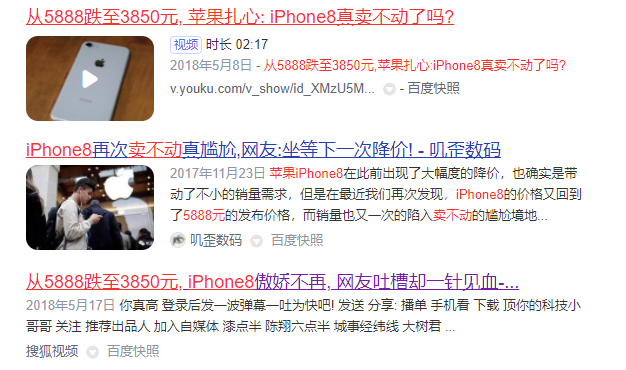
CASE 1: “From 5,888 down to 3,850 yuan—painful for Apple: is the iPhone 8 really failing to sell?”
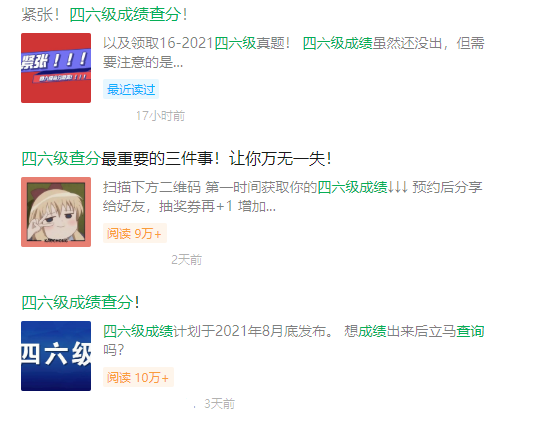
CASE 2: “Nervous! CET-4 and CET-6 scores!” and “The three most important things for checking CET scores—get everything right!”
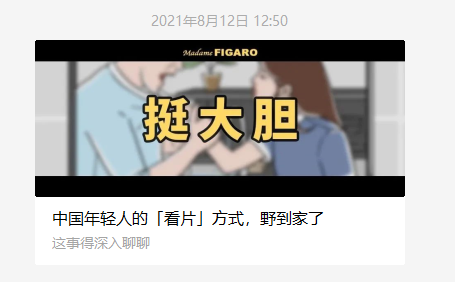
CASE 3: “Chinese young people’s way of ‘watching films’ has gone wild”
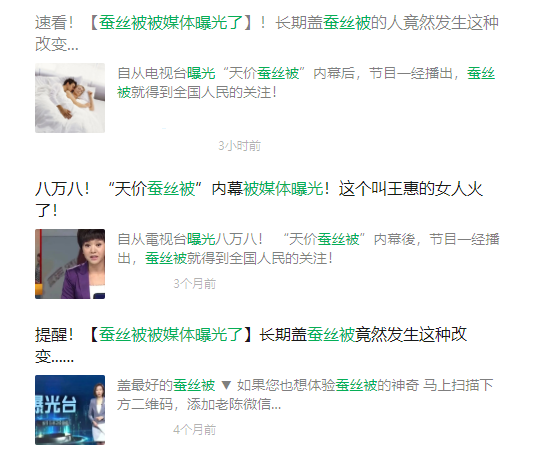
CASE 4: “Look now! Silk quilts exposed by the media! People sleeping under them long-term have undergone this change” and “The timid should beware! Two ‘dark’ rice-noodle-roll dishes—delicious, and 99.9% have never tried them!”
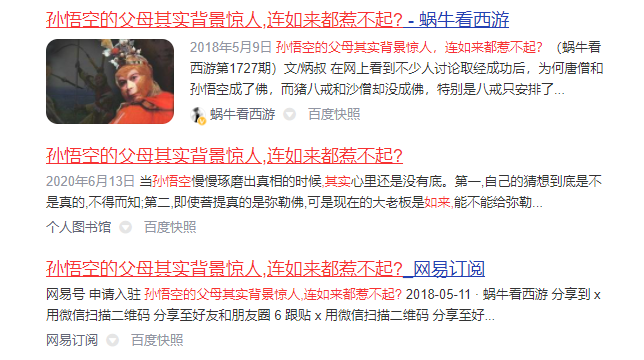
CASE 5: “Lenovo: I have reasons not to support Huawei, because I know Huawei will not succeed” and “Sun Wukong’s parents have astonishing backgrounds—even the Buddha dare not offend them?”
What is actually happening?
In the first example, the video’s 5,888 yuan referred to a new Apple phone, while 3,850 referred to a used one. The headline switched concepts and distorted the comparison to attract clicks.
In the second, such articles repeatedly appeared after the CET examinations, alarming candidates: could scores be checked early? No. The content only offered score-checking reservations; results were not yet released. The headline used apparent early access as a hook and withheld key information.
The third type sounds less respectable because its wording skirts suggestiveness. It appears to promise something explicit, while the content offers little substance.
The fourth type exaggerates provocatively to catch attention. The content often does not match the headline, which deliberately draws readers in.
The fifth type sounds reasoned but is often speculation or the writer’s subjective association, without definite factual support.
Where does clickbait come from?
Have you noticed that when information channels were limited, accuracy often seemed unquestionable? With more channels and faster access, clickbait is everywhere. What produces it?
Reason one:
New-media platforms provide fertile ground
A story may go from something heard by chance to a national hot topic in less than a minute. In that minute, many conflicting versions circulate widely, obscuring fact and falsehood. That is both the speed and danger of new-media distribution.
When there were fewer information sources, publishers and platforms did not need exaggerated titles because readers had limited alternatives. New-media growth intensified competition, so clickbait makers “remodeled” headlines beyond recognition to obtain a click, share, or repost among vast audiences.
The proliferation of platforms thus fosters clickbait. Information spreads like a river: narrow at its source and wider downstream.

Reason two:
Low cost and high returns
Clickbait can be a cheap product with a high return. It need not be entirely invented: alter a tenth of a little truth and the result is no longer factual, while the headline becomes more colorful, interesting, and readable. It is quick and easy to create and often spreads faster than dull ordinary headlines.
Commercial interests attract more creators. Reads, clicks, and shares increase publisher and platform traffic; monetization creates returns and performance metrics. A new-media industry chain emerges, benefiting clickbait while misled readers become traffic to harvest.
Its low cost and high return keep it appearing despite attempts to curb it.
What can readers do?
With clickbait everywhere and information increasingly tangled, how can we reject it and read rationally?
Method one:
Knowledge is a powerful way to equip the mind
Misleading comparisons, selective quotation, exaggeration, manufactured hooks, and fabricated claims often fail before a solid knowledge base.
Clickbait attracts people partly by filling gaps in logic where knowledge is missing, while satisfying curiosity about unfamiliar subjects.
Knowledge helps break clickbait. It supports rational thinking and better routes into the unknown. It helps identify logical gaps in implausible claims and remain reasonable when a headline defies common knowledge. Equipped with knowledge, we are at least less easily misled.

Method two:
Find information responsibly and avoid unthinking sharing
Staying rational rather than following the crowd should be basic reader literacy.
Repeated online claims can acquire apparent credibility. Misleading and provocative headlines are often promoted because they match patterns of attention and interaction, making clicks, responses, and shares more likely. Habitual unthinking sharing can worsen their spread.
Choose more reliable information sources and check facts before sharing. Do not believe, distribute, or share unsupported “shocking” or “read now” rumors. A small decision may prevent a large wave of misinformation.

Information is easy to obtain, independent thought harder; sharing is easy, fact-checking harder.
Keep a rational, clear mind. Do not let algorithms or overwhelming information steer you. Clickbait may bring brief attention and traffic but cannot withstand time. Facts may be recognized by only a few thoughtful people rather than the following crowd.
Let us read rationally, reject unthinking imitation, and become thoughtful participants online.
Some material in this article was sourced online; please contact us regarding any infringement.
Sources and editorial history
Restored from a complete historical article exported from the PhDSciNet Official Account.