Historical interview: the following preserves the research experiences and personal views expressed in the original manuscript.
When a PhD enters the workplace and becomes a research employee…
Young people style their hair like adults, hiding their steadily receding hairlines; bury the pressure deep inside, holding back the bitter tears of working life; and shed the innocence of youth as they endure the growing pains of changing roles!
Their working state rises and falls, and earning a living becomes a struggle for survival. How can research employees regain their energy at the press of a button?
From PhD graduate to the realities of working life
Surviving the workplace: supporting yourself is not easy!
Frank: I completed my PhD seven years ago, and my job is in research management. I think work gives me considerable emotional value, as well as the most basic financial and material value, of course. The division between my personal life and work is probably about fifty-fifty.
Kourou: I completed my PhD six years ago and have been a postdoctoral researcher at a university ever since. My field is experimental physics. The first value work gives me is that I can more or less support myself on my salary and meet my basic needs for survival.
Then, successfully completing experiments, publishing papers, and attending conferences can give me positive feedback from time to time.
Most importantly, a postdoc is a rather unusual state of being between permanent jobs. I can use this period to strengthen what I have built up, hoping it will ultimately lead to a good outcome: finding a job.
Meigancai: I finished my PhD almost two years ago. My work is more like that of a project product manager: I help a project move from planning to practical implementation and finally to successful translation into an application.
The first value work gives me is that it enables me to survive. Second, this job has introduced me to many leading academic teams in China. At present, work and life are not split fifty-fifty; work probably takes the larger share.

Up and down—and down again: it is hard to recover your working rhythm!
Frank: My working state currently fluctuates. Sometimes I take the initiative, and sometimes I am responding to demands.
I work at a pharmaceutical company, where many tasks follow fixed routines. For example, there are certain drug preparations and tests that you must complete every day. There is little room for innovation in that work, but it must be done and there can be no mistakes. So these tasks are entirely reactive. Only after finishing them can you have time for the research and development that interests you.
My working state therefore varies. When the workload is very heavy, there is little time for the research I find interesting.

Kourou: It depends on the specific situation and the task. When there is a concrete assignment, I think I am very proactive and goal-oriented. For example, when working on a project, I do not really need my supervisor to push me. I consider it my responsibility, and if we lack equipment, I actively ask other groups to lend it to us.
But with some things I simply drift along. For example, I am relatively passive about looking for a job. So it depends on what the task is. With work for which I cannot see a concrete outcome, I feel more hesitant and anxious.
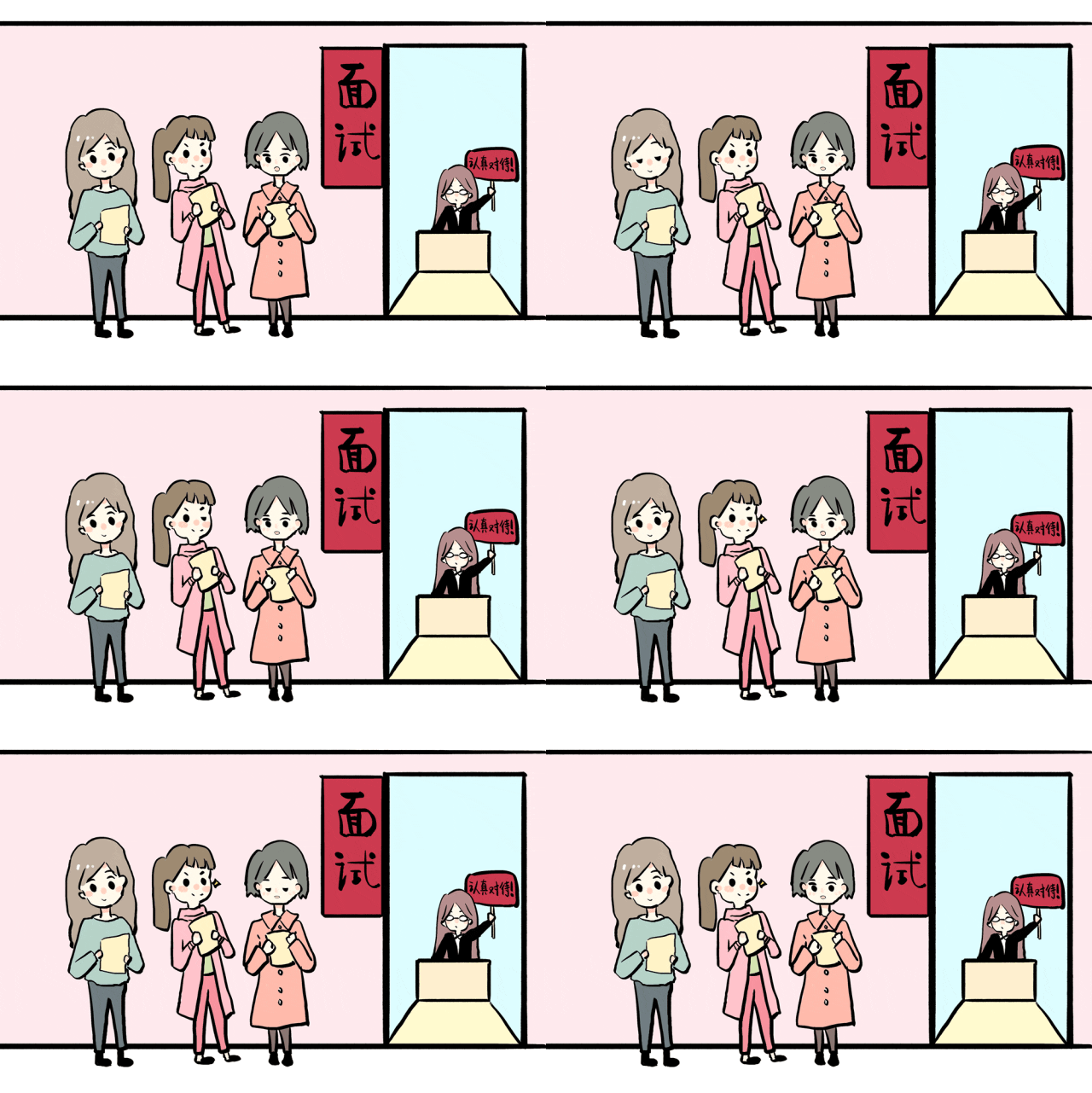
Meigancai: I think I can represent the working state of many overworked employees in China: relatively passive, constantly attending meetings, then revising text and slides. This process actually wastes a lot of time and does nothing positive for your own abilities or for completing your tasks.
But when a specific task is assigned to me, I still take the initiative and complete it carefully.

There is room to improve: working is hard, and giving up is not easy either!
Frank: I am actually dissatisfied with my working state. It is difficult to find an environment in Chinese companies devoted purely to research and development. Many bosses are themselves fairly negative about research: they think that if what you are doing has no use, you should stop doing it.
Sometimes, when I give presentations at other companies, they say, “What you have done is really good, but we cannot use it. We want something simple and cheap, not something difficult.”

Kourou: I am basically satisfied with my working state, but there is still considerable room for improvement. What I currently feel I most need to improve is probably my ability to allocate time. I hope to spend more time on the broad direction and not waste too much time on details. That is where I think I most need improvement now.
Meigancai: After starting work, you waste a lot of time, so I am very dissatisfied with my current state. One moment I am fired up, and the next I am particularly dispirited. I was very proactive at the beginning, but now I am very negative and almost feel like giving up and doing the bare minimum.

So many factors affect the rises and falls in our working state
Reject manipulation at work: keeping a balanced mindset matters!
Frank: When I first started my PhD, my mindset fluctuated greatly with other people’s evaluations, especially my supervisor’s. If my supervisor said I had done an excellent job, I felt particularly motivated and would spend a little longer on experiments or read more papers each day. But if they said my recent experiments did not seem to be going well, or that I was too slow, I became increasingly reluctant to do the work.
Now, seven years after my PhD, I have moved into a leadership role managing employees at the company. I think my mindset is much better and I can handle pressure. With employees, I also mainly use positive encouragement and hardly criticize them.

Kourou: I am the kind of person who is easily affected by manipulation. Positive evaluations make me feel good and improve my efficiency. Being pushed or receiving negative evaluations affects my efficiency.
Meigancai: If someone praises me, I certainly work better. Negative feedback that pinpoints my shortcomings can also be particularly motivating. But if you are simply playing “PUA” or “CPU” mind games with me, I will definitely roll my eyes.
When I first entered the workplace, I could not really distinguish between manipulation and someone pointing out my shortcomings. Our company was the kind that constantly put you down, and I found it very difficult to adjust. I thought, “My goodness, as a PhD, are my abilities really this poor?”
Later, after spending more time there and talking with colleagues, I realized that perhaps the whole company operated that way. I think people need the ability to tell whether a comment is genuinely identifying a weakness or simply intended to put them down.

Every change of role is a form of growth!
Frank: There were actually major changes as I moved from undergraduate to graduate student and then to doctoral student.
While studying, I approached things purely as a learner, memorizing knowledge. Later, I began doing research in earnest and creating knowledge that humanity did not yet have. Then I began leading a team and guiding students who were as passionate and full of dreams as I was, working together to create more knowledge about the unknown. Those stages are really quite different.
At first, as a learner, I had the mindset of working alone. Later, as a leader, I had to think not only about how to complete the task, but also about how to create a good atmosphere in the team and help its members work together to achieve more.

Kourou: Moving from a PhD to a postdoc brought some improvement in project autonomy and my own initiative. But at its core, it is still paid work for someone else, so my role has not changed fundamentally.
Meigancai: My role has not changed either; I am still an employee at the bottom of the hierarchy. But I think the pressure is greater after starting work. During the PhD, once you completed the task, it seemed that there was no other pressure. After starting work, however, you discover that completing a task is followed by many other things. So I think work actually brings greater pressure.
Deadlines: we both love and hate them!
Frank: My working state actually improves greatly when a deadline arrives. Once the moment is upon me, it suddenly feels as though something inside me has opened up.
Writing a paper, for instance, goes better when time is tight or when I secretly work on it during a meeting than when I sit in my office with a freshly brewed cup of tea.
Presentations are similar. You may stumble over your words while practicing offstage, but once you step onto the stage, the delivery becomes fluent. I feel that deadlines seem very positive for me.
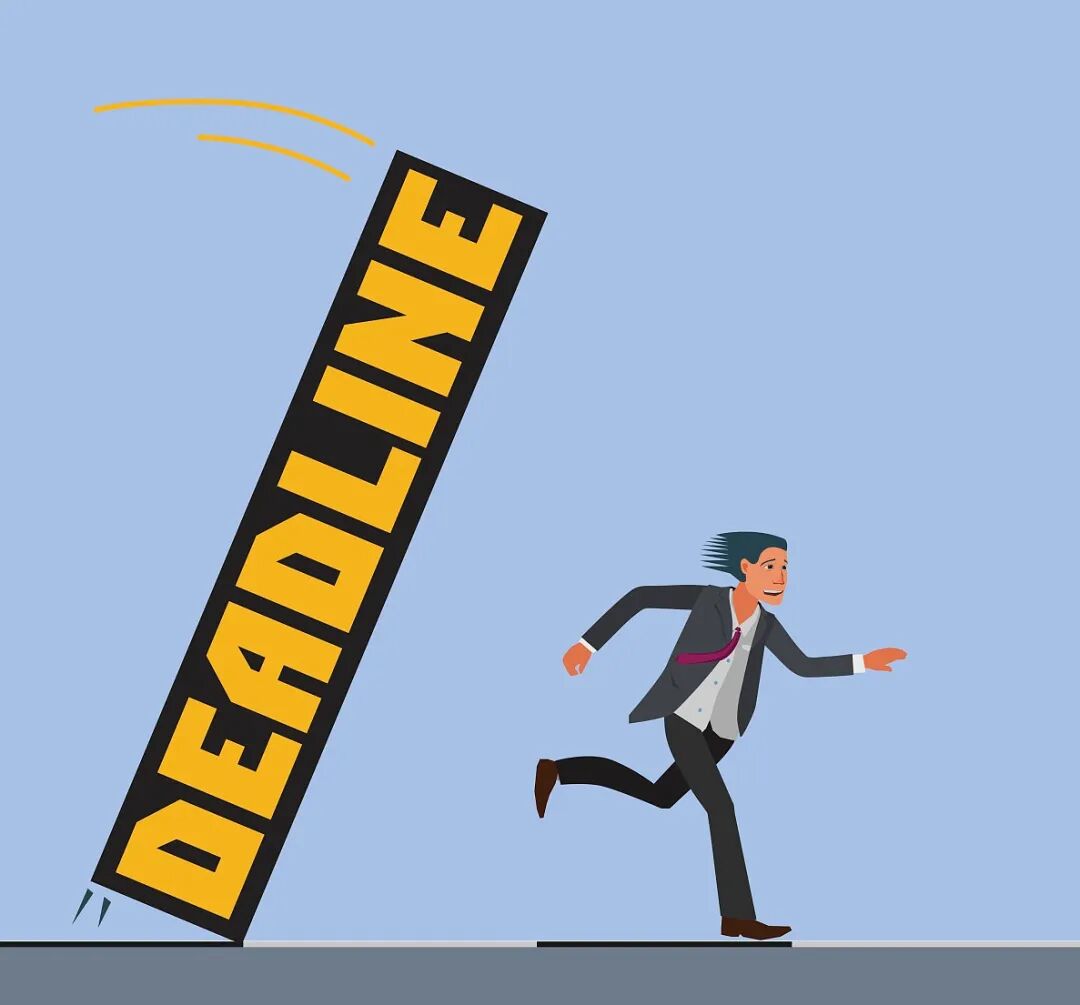
Kourou: I am the same. I become more efficient when a deadline arrives. I have a serious tendency to procrastinate.
I actually think that is not good. Although I am very efficient just before results are due, my overall state is poor and I feel very anxious. Every time, I tell myself that next time I must start earlier. I have tried, but never succeeded, so eventually I gave up. I still want to overcome it in the future, although it does not seem to affect the results too much.
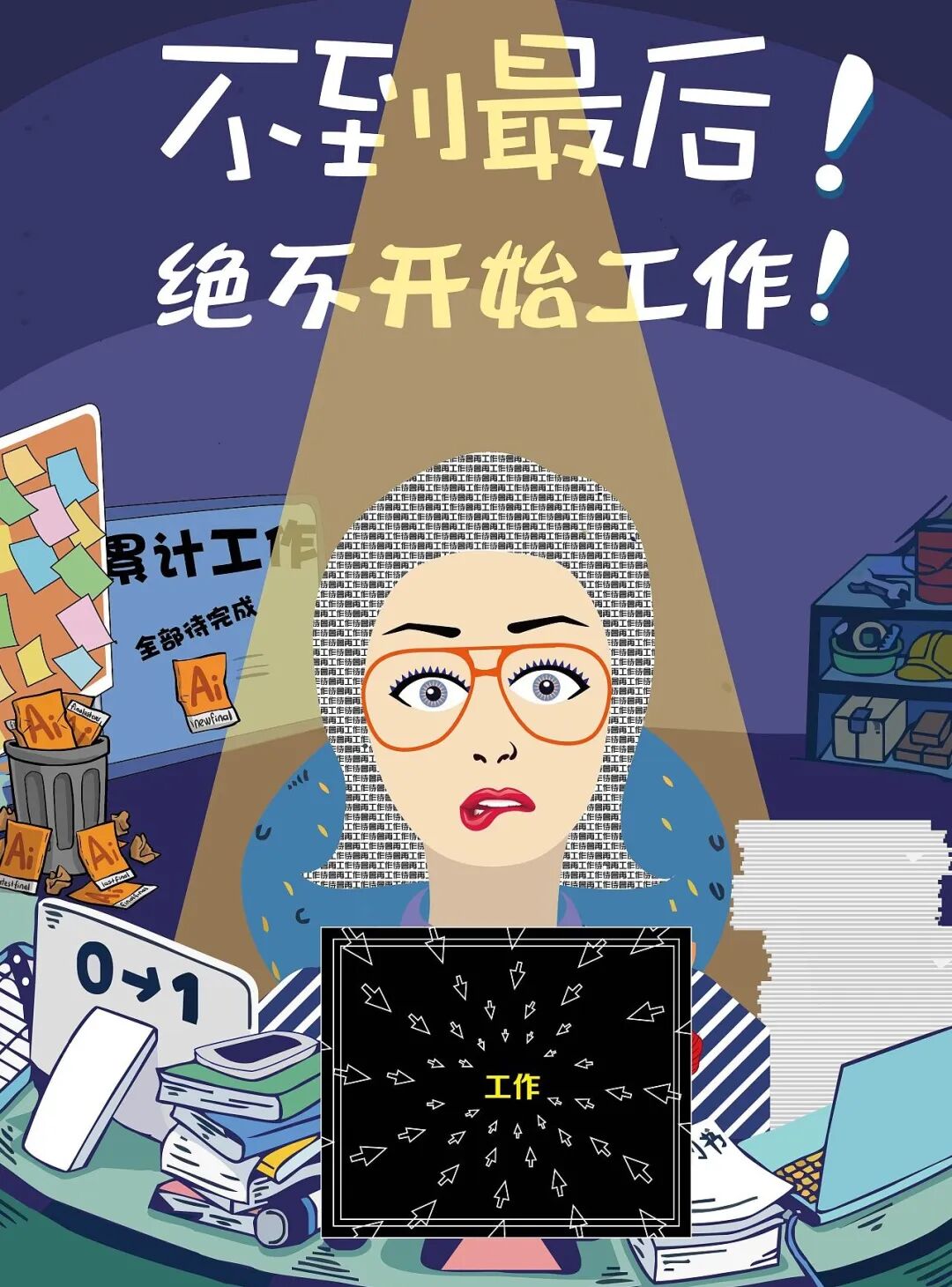
Meigancai: If I can meet the deadline, it creates very positive pressure for me. But if I discover that I have n tasks in hand, all due today, many not even started, and I clearly know I cannot finish them, that kind of deadline has a negative effect on me.
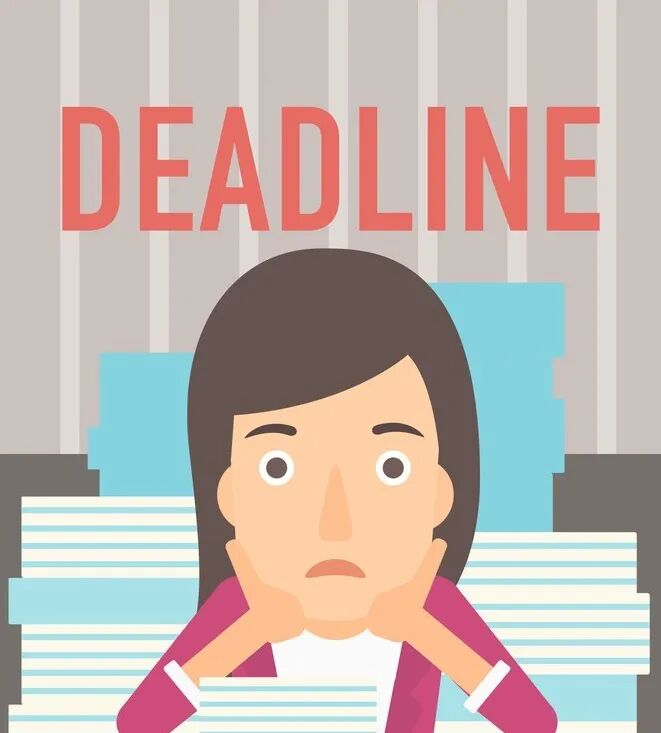
Working all year round: holidays and extra work are hard to separate!
Frank: Those of us doing research may never have enjoyed a truly long holiday. Even during public holidays such as Christmas or Lunar New Year, we are actually working every day.
The lab may really be closed, so you do not have to go in and experiment. But emails still need to be sent, papers still need to be read, and unfinished manuscripts or reviewers’ comments still need a response. So public holidays may only make things slightly easier for us. We do not need to regain our working state after a long holiday; the transition should be seamless.

Kourou: I am the same. We have never had much of a holiday, and there is no particular need to readjust. When work arrives, I automatically start doing it.
Meigancai: I may be a little better off, because I no longer do research and development. But I think China’s system of rearranging workdays around holidays is particularly strange.
Canada’s long-weekend arrangement is very good. There is no need to make up the workday: you work one day less this week and return to your normal schedule the next. In China, however, the rearrangement means working six or seven days in a row the following week. That is very tiring and seriously affects motivation.
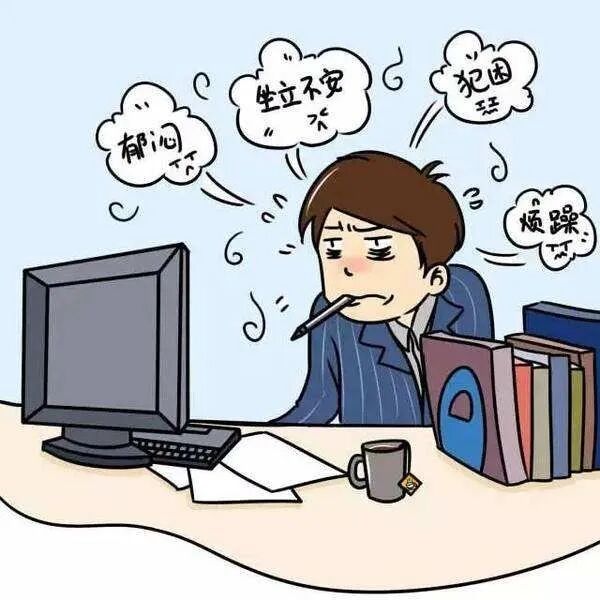
Do successful researchers have a secret? Recovering your energy need not be impossible
How successful people manage their time!
Frank: Accomplished people have the same amount of time as we do: twenty-four hours a day, and they need to eat, drink, use the bathroom, and sleep too, right? I think the reason they do their work so well—for example, some supervisors publish fifty or sixty papers a year—is that they use all their time where it matters and manage their teams sensibly. That is how they maintain high output.
The same principle applies in companies. Senior leaders must learn to focus on the major issues and let the small ones go. They only need to keep the core strategy in their own hands; repetitive, mechanical work can be done by others.

Kourou: I know a professor who is particularly efficient. If I receive a specific task, I immediately put a mark on my calendar—for example, setting aside three hours the morning after tomorrow to do it.
This professor’s approach, however, is to finish work as soon as it arrives. I think that is very efficient for them and may also be a good method. If there is something you must do, why not complete it immediately?
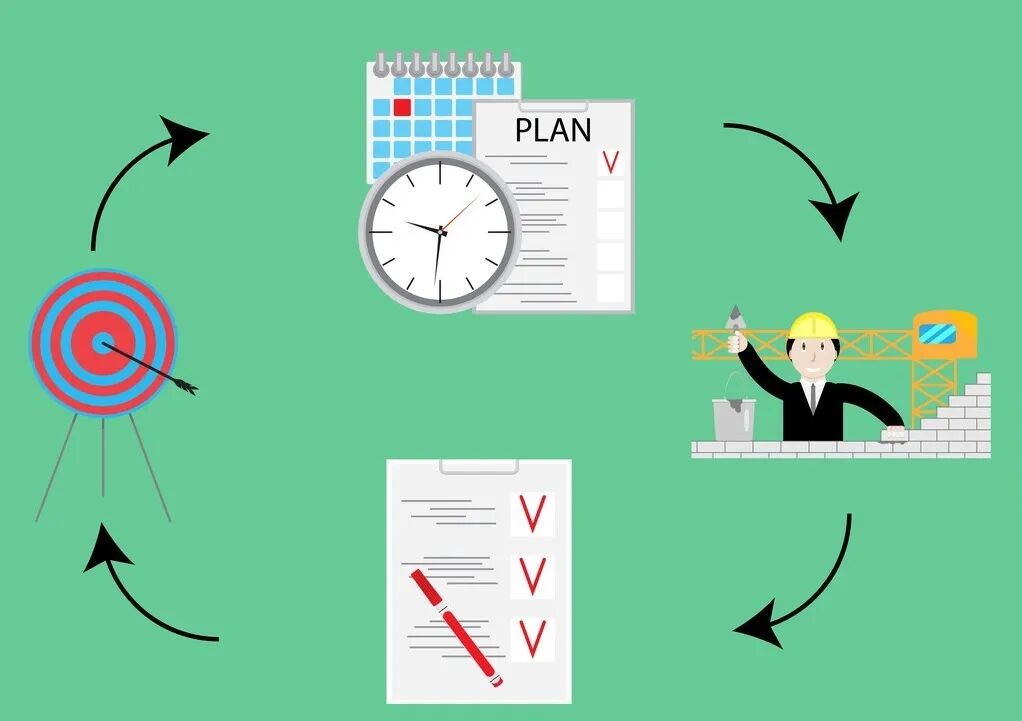
Meigancai: Successful people divide their time into different-sized units from ours. We may divide time into hours, whereas they may divide theirs into fifteen-minute or even five-minute units.
Efficient work goes with coffee, music, and a good mood!
Kourou: One practical trick is drinking coffee. I have drunk two cups a day for years. Starting the week before last, I did something particularly foolish: I tried to give up coffee. The withdrawal symptoms were very severe, including headaches and even nausea.
Later I thought, “Forget it—why put myself through this?” I started drinking coffee again, and my state immediately returned to how it had been. So I think coffee is an important safeguard for my work efficiency.

Meigancai: When I am working, I hope other people will avoid talking to me as much as possible. So once I get into work mode, I generally put on headphones and start playing music. I may not actually listen, but it helps create a signal: while I am in this state, please do not disturb me. That may make me a little more efficient.

Frank: My trick is to make sure I am in a reasonably good mood before doing work. Never bring negative emotions into it—for example, just after being scolded by your boss. At that point, it is best not to begin work requiring creative thinking. You can do some physical work, clear your mind, and keep your body busy. Once the negative mood has been released, return to work with a positive mindset.
If you are not in a good mood today, you can do work that requires less thinking, such as writing repetitive documents or carrying out experiments. Keep your body busy so your mind stops dwelling on those matters, and after a while you will feel better.
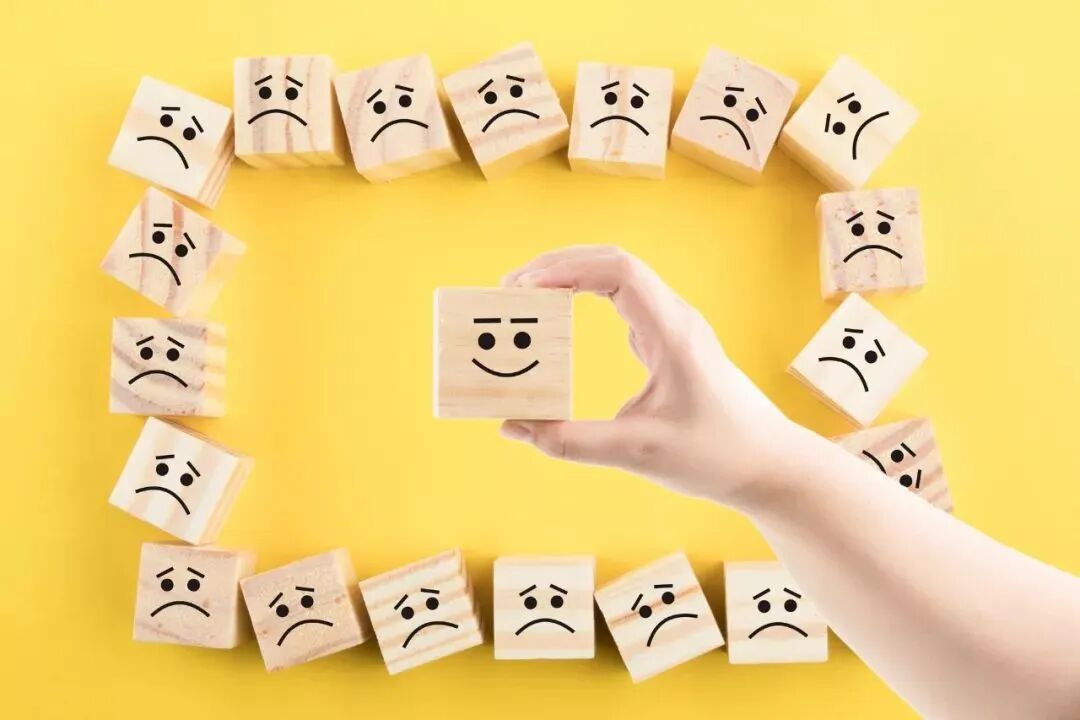
A portrait of today’s research employees:
Coffee runs through their veins; endless deadlines push them onward. Outside the lab are never-ending meetings; inside it is repetitive “labor” day after day. Workplace manipulation never disappears. They cannot win the race to overwork, yet cannot simply give up either…
They are not research stars who repeatedly publish in flagship journals, but they have sincere hearts devoted to careful investigation. They are not workplace champions who navigate everything effortlessly, but they too have seen the stars late at night and the sunrise early in the morning.
For those moving forward under a heavy load, why fear the rises and falls in their working state? A difficult road cannot stop the determination to keep striving!
Participants: Frank, Kourou, Meigancai
Editors: Honey Peach Oolong, Calorie
Interviewer: Honey Peach Oolong
Recording: Honey Peach Oolong
This article presents the author’s personal views and does not represent the views of this website. The images were sourced from the internet; please contact us for removal if they infringe your rights.
Sources and editorial history
Restored from a complete historical article exported from the PhDSciNet Official Account.