
Historical interview: The following preserves the research experiences and personal views expressed in the original manuscript.
Historical experience note: Sheep pen plays on the Chinese sound of yang, meaning a positive COVID test. The following preserves personal symptoms, moods, and medicine experiences; stars are not a medical scale, and episodes and causes have not been independently diagnosed. Home remedies and individual recoveries do not establish treatment effectiveness. Children's medicines need the applicable instructions and clinical advice.
The PhDSciNet Interview Series
Surviving the Sheep Pen, Part One: A Difficult Escape
Action! Our sheep-pen survival story begins.
Guest appearances: The lucky sheep who wandered in and eventually escaped!
Synopsis: Surviving the sheep pen brings twists, turns, and unexpected difficulties.
#1 The dizzy sheep: Repeated infections and a foggy head
Informal symptom-severity rating: ★★★★
John: I think I may have had COVID three times. The first episode began with upper-respiratory symptoms: a sore throat for about two days, followed by a fever for another two days or so. I also had muscle aches, headache, a throat that felt sliced by blades, and a cough. The cough lasted longer, coming and going for roughly two or three weeks before I felt fully better.
The main nonrespiratory symptom was pronounced brain fog. I could not concentrate, thinking was difficult, and I could not quickly focus on a task. That lasted quite a long time—over three weeks.
During recovery, counting points of light in my experiments also became difficult. Previously, I could count more than ten continuously; now, after two or three, I would lose track, and after three or four I had to start again. I suspected this related to brain fog, but that experience does not establish damage to the optic nerves.

Later suspected episodes were less severe. The first and second were about two months apart, and the second and third a little over a month apart, as I recall.
The third suspected episode followed a meal with other people. Several at the table tested positive, but I did not. I found that odd because I had mild symptoms for about three days: an unclear head and fatigue, without upper-respiratory symptoms. A negative test does not exclude infection by itself, but neither does this account prove a third infection.
In my own experience, the beginning resembled influenza: an uncomfortable throat for two or three days, then fever and gradual improvement. I felt that my illness lasted longer. This is one person's comparison, not a fixed course for either infection.

Mood rating:
John: I did not lose my appetite or sense of smell and continued eating well. I even felt a little relieved or excited because people around me had already been infected, so I felt less psychological pressure.

#2 The appetite-loss sheep: Low spirits and little appetite
Informal symptom-severity rating: ★★★
Antelope and Antlers: Both my parents were infected. Alongside familiar symptoms such as fever, cough, and a painfully sore throat, their appetite changed in a surprising way. In the first, more severe days, appetite was actually better. Later, after the fever fell and other symptoms eased, they felt weak and less hungry, preferring plain porridge or feeling no hunger at all.

Mood rating:
Antelope and Antlers: Recovery really did take a while. It was about ten days from symptoms and a positive antigen test to a negative test. The cough and throat pain still had not completely improved then; they took another two or three weeks to recover.
Their mood was affected too. They became very low and felt deeply depressed.
#3 The sleepy sheep: A steady fever and endless sleep
Informal symptom-severity rating: ★★★★
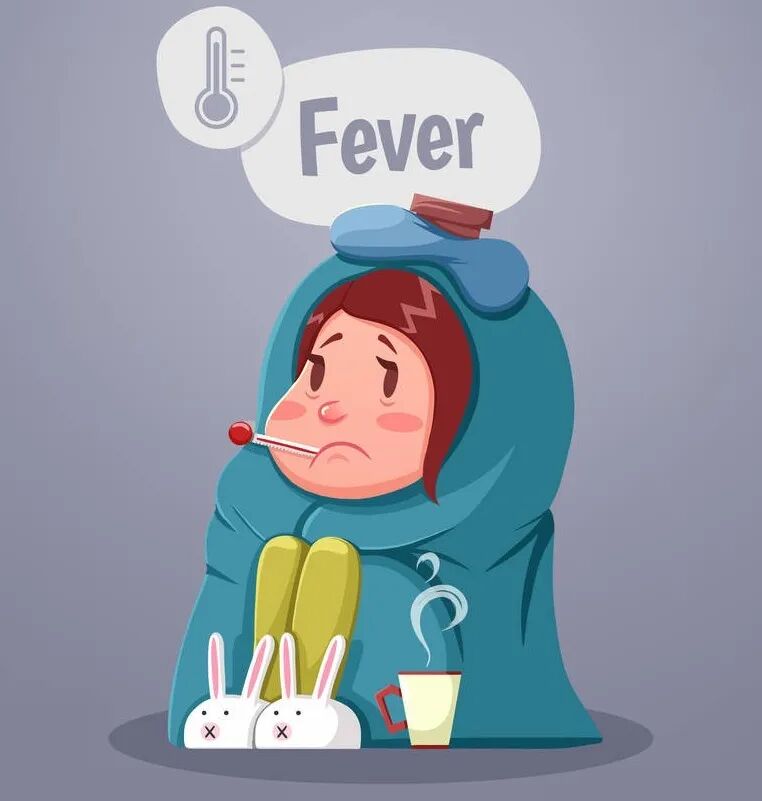
Not Using It: At first I thought I was fine, then suddenly felt cold and shaky, like chills, and took a Tylenol tablet. Afterwards, my temperature stayed around 38°C whether or not I took medicine. Then came a hoarse voice, a throat like razor blades, and a nose blocked like cement—most of the familiar symptoms. Oddly, I did not have the body, back, arm, or joint pain many others described.
During those days, I could sleep from after lunch until seven in the evening, then sleep again after dinner. I spent more than sixteen or seventeen hours a day in bed asleep. I felt I recovered relatively quickly at first: my antigen test was negative after four or five days.
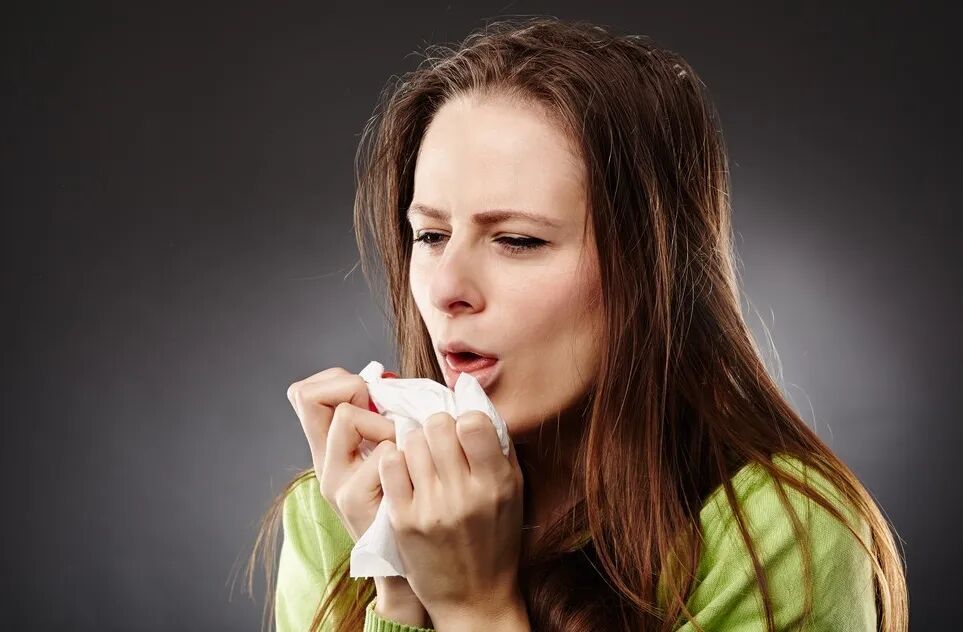
But I coughed for a long time. A month later, I still occasionally started coughing and could not easily stop. I found throat lozenges offered a little relief.
Mood rating:
Not Using It: I was easily tired after recovery. Initially, I could barely keep my eyes open, and they watered if I did. Later, overtime made me extremely tired, and even while driving I felt unable to concentrate. After that shift, I slept about twelve hours the following night before feeling slightly better. This describes the experience; driving while attention is impaired should not be treated as safe.

#4 The caring sheep: Mild symptoms, good spirits, and a quick recovery
Informal symptom-severity rating: ★★
Astro Boy: I had not noticed symptoms, although my housemate and office colleagues had been infected and symptomatic. I have rhinitis and sneeze with irritating smells, but that does not establish protection against SARS-CoV-2; absence of symptoms does not prove that I was never infected.
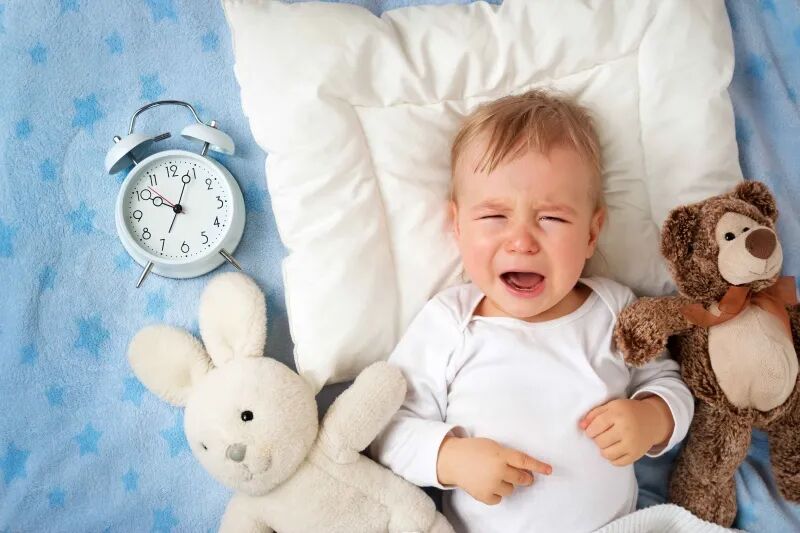
My daughter was three and a half that year and had an infection. The first day was worse, with a temperature as high as 39.6°C. It gradually fell after fever medicine. The manuscript does not identify the medicine or dose, so this is not a pediatric dosing example. She slept well, seemed happy when awake, and could move normally, though she had less energy than usual.
She still had fever on the second evening but was in better spirits. By the third day she had no obvious fever, and on the fourth she had largely recovered.
Mood rating:
Astro Boy: Her symptoms lasted about four days overall. Mainly, she had fever at night that came down after medicine and a low fever during the day. Cough and appetite were not greatly affected. She ate normally, perhaps even more than usual, and was one of the milder cases in our family.
Compared with her mother and grandmother, she recovered quickly. Both adults took at least eight to ten days to improve and had much more severe symptoms than the child.

#5 Strange home remedies: Survival is not easy
Unusual-recipe rating: ★★★★
Antelope and Antlers: My older sister tried the remedies circulating online: pear stewed with Sichuan pepper, salt-steamed orange, homemade electrolyte drinks, and water boiled with onion and garlic.
She felt only the pepper-and-pear dish helped her cough. It sounds like a strange recipe, but she had felt that medicines were not helping, then noticed some relief after eating it. A psychological effect or recovery over time is also possible. This personal account does not establish an effective COVID treatment.

Unusual-recipe rating: ★★
John: I did not take ibuprofen or Tylenol; my fever settled on its own. I took a honey-based fritillary and loquat preparation mainly for the cough and sore throat. It felt cooling and gave me some subjective throat relief. This is a personal medicine experience, not a general treatment recommendation.
My mother tried salt-steamed orange during a fever. She felt warm, sweated, and noticed some relief afterwards. I do not think that establishes a special effect of the recipe: warmth, taste, comfort, and the natural course of illness may all influence how someone feels. Sweating is not evidence that the food treats the infection.

Unusual-recipe rating: ★★★
Not Using It: My mother tried almost everything on me—pepper-and-pear, salt-steamed mandarins, and so on. I firmly resisted the onion-and-garlic water and did not drink it. The rest tasted strange and seemed ineffective to me. Perhaps people mainly wanted reassurance.

Fever, dizziness, cough, headache: Symptoms vary, and unusual home recipes keep appearing.
What other obstacles await our sheep as they try to make their way through?
The sheep-pen survival story continues…
Contributors: John (约翰), Antelope and Antlers (羚羊与鹿角), Not Using It (我不用了), Astro Boy (阿桐木)
Editors: Fantuan (饭团), Calorie (卡路里), Honey Peach Oolong (蜜桃乌龙)
Audio editor: Honey Peach Oolong (蜜桃乌龙)
Interviewer: Honey Peach Oolong (蜜桃乌龙)
Recording: Honey Peach Oolong (蜜桃乌龙)
This article reflects the author's personal views, not those of this website. The original manuscript credits images to the internet and requests contact for removal if they infringe rights.
Restoration revision, 2026-10-10: The full experiences and credits are retained. Unsupported suggestions that rhinitis protects against the virus or that brain fog establishes optic-nerve injury are corrected. Negative tests and suspected episodes are qualified; pediatric medicine and home-remedy experiences do not establish treatment effectiveness. No doses or home-treatment protocol are added.
Supplementary references
- CDC: Interpreting SARS-CoV-2 Tests
- CDC: Reinfection
- NHS: Fever and Medicines in Children
- WHO: COVID-19, Food, and Unproven Remedies
Sources and editorial history
Restored from a complete historical article exported from the PhDSciNet Official Account.
Editorial revision: Restoration revision, 2026-10-10: The full experiences and credits are retained. Unsupported suggestions that rhinitis protects against the virus or that brain fog establishes optic-nerve injury are corrected. Negative tests and suspected episodes are qualified; pediatric medicine and home-remedy experiences do not establish treatment effectiveness. No doses or home-treatment protocol are added.