

Historical interview: The following preserves the research experiences and personal views expressed in the original manuscript.
The PhDSciNet Interview Series
No Sugar, No Fat, No Additives: Is Simpler Always Healthier?
Are dairy products labeled no sugar, no fat, and no additives healthier? Can a daily glass of milk provide calcium? Does yogurt help gut health? How much truth is there in the many stories about dairy? Faced with shelves full of products, how do we choose?
This time, we discuss considerations that may help when choosing dairy products.
The science communicator's background: A PhD researcher in food science at the University of Guelph, Canada. Research interest: Apple pomace as a functional ingredient in yogurt.
#1 No sugar, no fat, and no additives do not automatically mean healthier, slimming, or safer
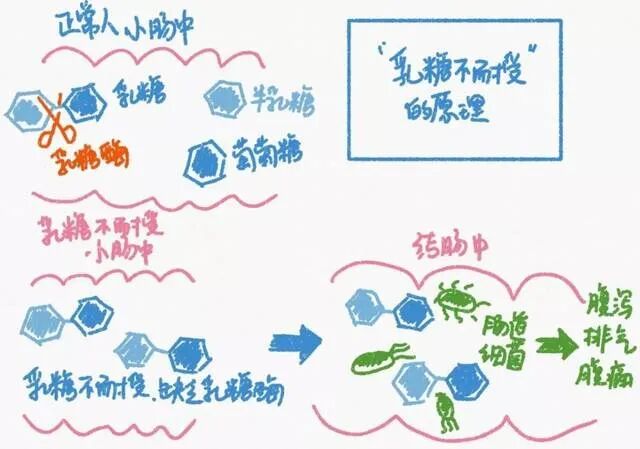
Why can lactose-free milk taste sweeter?
Lactose is a disaccharide made of two simple sugars. In one common way of producing lactose-free milk, the enzyme lactase breaks lactose into glucose and galactose. These products taste sweeter than lactose. Lactose-free does not mean sugar-free, and methods of producing lactose-free milk can differ.
Choose fat content according to nutritional needs and the overall diet
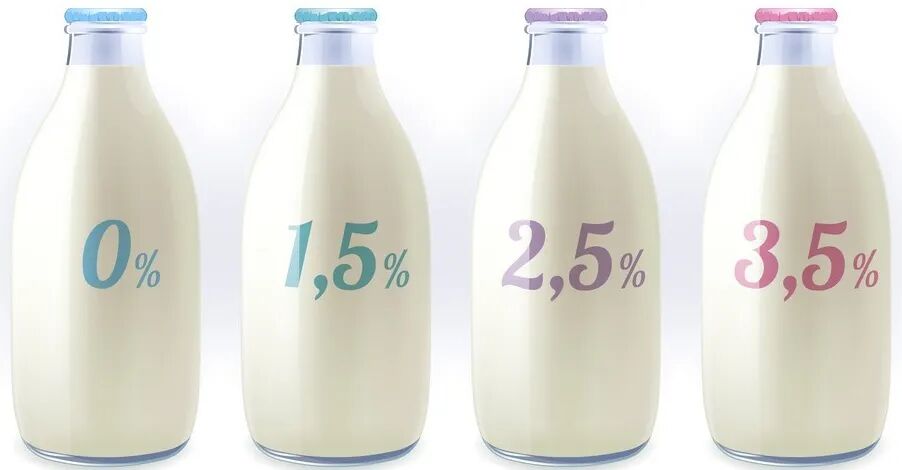
Milk fat contributes to texture and affects the structure of dairy products. Reducing fat can change a yogurt gel's texture, and some formulations use stabilizers to compensate. But it is not true that all low-fat or fat-free yogurt must contain numerous additives, or that lower fat automatically means an unhealthy product.
The body needs dietary fat, but not specifically milk fat. Whole milk may contain a little over three grams of fat per 100 milliliters, and that fat can be absorbed; it is not negligible simply because milk contains much water. Lower-fat milk or yogurt can fit a healthy diet. The choice depends on age, nutritional needs, and the overall eating pattern, rather than the claim that low-fat dairy is inherently unhealthy.
Shelf life is influenced by processing, packaging, temperature, and microbial control, not simply by whether a product contains more or less fat. Products with different fat contents should all be stored according to their instructions.
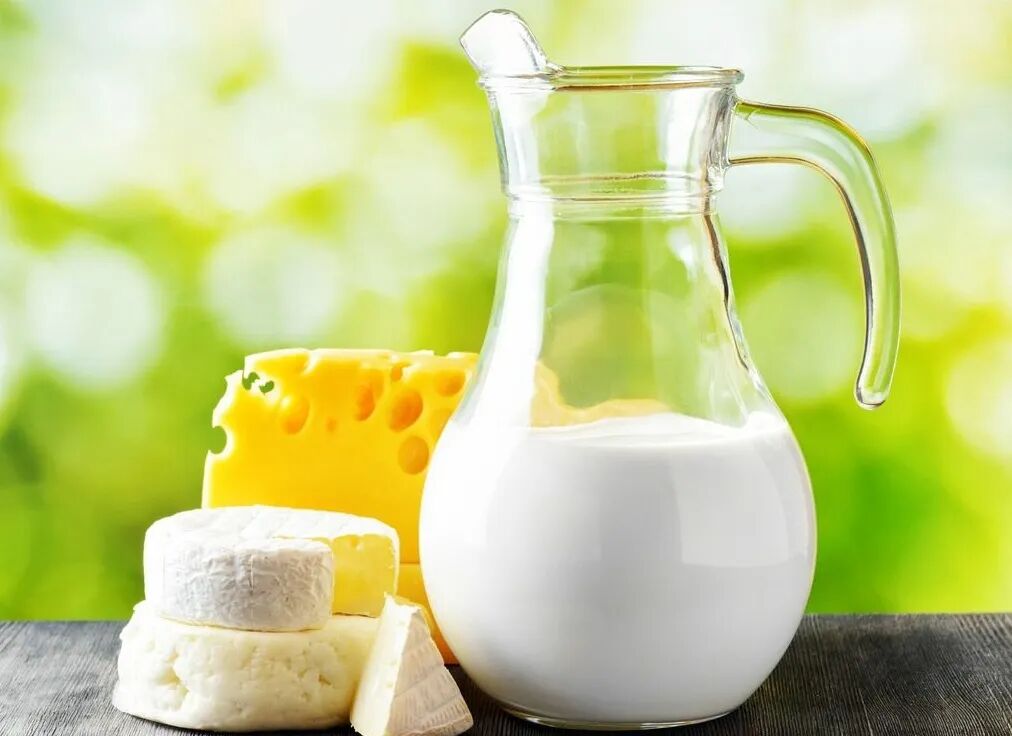
Be alert to no-additives marketing
Consumers often connect no additives with naturalness and clean labels: they want an ingredient list they understand. The interview used plain yogurt made from milk and fermentation cultures as an example. But the precise meaning of such a claim depends on the actual product and applicable rules. Consumers also want fruit flavors and other varieties; how can those different needs be met?

Adding fruit or fruit preparations changes a yogurt system and may affect its stability, so some products use stabilizers. There are many choices, including hydrocolloids such as pectin and locust bean gum. Familiar plant-derived names may feel reassuring, while terms such as hydroxypropyl distarch phosphate or acetylated distarch phosphate can sound intimidating. A familiar or unfamiliar name, however, does not by itself establish safety; the substance and conditions of use matter.
Consumers prefer familiar ingredients. Alongside explaining food science to the public, our job is to study how less-processed, naturally derived materials can be incorporated into everyday foods, and how ingredients interact within complex food systems.
Nutrition researchers may focus on an ingredient's effect on the body, but what we consume each day is a mixture. We need to consider interactions, how the body handles mixed products, and the challenges encountered during processing. I think these are important questions for food scientists.

#2 What nutrients can dairy products provide?
Can milk provide calcium?
Milk's protein content depends on factors including the cow's breed, feed, and season. Its proteins are approximately 80% casein and 20% whey protein. Whey protein is also familiar in products used for exercise. Milk provides protein and calcium, which contribute to muscles and bones; that is one reason dairy has long been valued.
Milk is a familiar source of calcium, but it is not the only one or necessarily the fastest or best source for everyone. Yogurt, cheese, some vegetables, and appropriate fortified foods can also contribute calcium.
Yogurt also provides calcium. Fermentation and lower pH do not make the calcium disappear or make yogurt ineffective as a calcium source. Acidification helps casein form a gel; related changes are also used in some cheese-making processes.
Yogurt can also provide protein. Fermentation changes some protein structures and may involve partial breakdown, but it is not correct to say that all protein becomes small amino acids or that yogurt is necessarily the best protein source for everyone. The particular product and the person's needs matter.

Where do milk odors come from?
The interview described dairy processing observed in Canada: separating milk components, using some fat for butter, then recombining components to obtain products such as 1%, 2%, or 3.25% milk before homogenization. Such processes are possible, but this account is not a verified description of every foreign producer or a universal contrast with China.
The interview also described its understanding of production in China, including adjusting fat levels by separation and mixing, and differences in demand for butter and cream. These are the interviewee's historical observations, not verified nationwide production statistics or proof that all producers follow the same process.
Packaging and storage vary among products. A paper, glass, plastic, or multilayer package cannot be judged safer merely by its material or country. The process, seal, storage conditions, and shelf-life instructions must be considered together. The interview's favorable impression of a named yogurt brand is a historical personal observation, not a verified present-day product endorsement.
Milk's odor can be influenced by several factors, including lipid changes, microbial activity, and processing; smell alone cannot identify a single cause. The original claims about one country sending sour milk into other foods, or allowing inferior milk for drinking, have not been established and are not retained as factual industry judgments. Milk with abnormal odor or signs of spoilage should not be treated as suitable for drinking simply on the basis of a discussion of acidity.
Heat treatment such as pasteurization or ultra-high-temperature processing primarily controls microorganisms and may also affect enzymes and flavor. It does not simply cut off all lipid oxidation at the source. Whether a product is organic likewise does not establish a guarantee about odor or storage safety.
Our laboratory studied milk with different initial microbial levels. Milk can contain microorganisms before treatment, and those starting levels matter during transport and processing. This is one reason hygienic handling and appropriate treatment are important.
From complexity to simplicity: A goal of process development
Universities or research institutions may investigate how ingredients affect a product. When bringing a product into production, however, simplification can be necessary. Development commonly moves from laboratory scale to pilot scale, prototype testing, and industrial evaluation. These steps matter when assessing whether a product or process can be commercialized.
My view is that the process should accomplish its purpose. Research can pursue complex approaches, but industry needs to meet the goal, manage cost, and create value. Food processes should be as simple as practical, with energy use and carbon emissions among the considerations.

#3 Too many varieties: How do you choose yogurt?
Texture, choice, and nutrition: Reasons to consider yogurt
First, consider personal preference. Set yogurt is firmer and can feel rather like jelly. Stirred yogurt allows more ingredients and flavors, and some people prefer its softer texture. Drinkable yogurt is liquid and may appeal to children. These are preferences, not nutritional rankings. Yogurt naming and live-culture claims follow the relevant rules; a product treated after fermentation may lack live cultures, but it is not universally correct to say that it cannot be called yogurt at all.
Second, compare protein content. Yogurt can provide protein, although amounts vary and fermentation does not guarantee that every product is more easily absorbed by everyone. It is a large and varied dairy category, especially where cheese choices are less familiar or widespread, giving consumers many options.

Compare nutrition and culture information, not just refrigeration status
A compliant product still needs to be chosen according to its ingredients, nutrition, and your own needs. Some shelf-stable fermented dairy products are heated after fermentation, inactivating cultures and changing some protein properties. This does not by itself make the product unsafe or devoid of nutrition. Its exact name and labeling depend on the applicable rules, not a universal rule that it must be called a yogurt drink.
Some yogurts contain live cultures, but not every fermentation culture is a probiotic with established health benefits. Benefits depend on the particular strain and evidence, and not every yogurt is supplemented with probiotics. Heat treatment may inactivate live organisms. Check the product's culture statements and storage instructions rather than assume that all refrigerated yogurt guarantees gut-health benefits.

No sugar, no fat, and no additives do not automatically mean healthier. Milk and yogurt can both provide calcium and protein. Compare the ingredient list, nutritional information, culture claims, and storage instructions, and choose according to your overall diet and needs. Neither being sold legally nor being refrigerated is an absolute guarantee of safety under every circumstance.
If you are unsure how to choose dairy products, save these considerations as a starting point for comparing products.
Science communicator: YY
Editors: Calorie (卡路里), Fantuan (饭团)
Audio editor: Honey Peach Oolong (蜜桃乌龙)
Interviewers: Fantuan (饭团), Calorie (卡路里)
Recording: Honey Peach Oolong (蜜桃乌龙)
This article reflects the author's personal views, not those of this website. The original manuscript credits images to the internet and requests contact for removal if they infringe rights.
Restoration revision, 2026-10-10: All interview topics and credits are retained. Corrections address claims that yogurt cannot provide calcium, milk-fat absorption is negligible, low-fat dairy is unhealthy, shelf-stable products cannot be yogurt, every fermentation culture is probiotic, and heat treatment completely prevents oxidation. Unverified nationwide processing, brand, and sour-milk-use assertions are not presented as facts; product choices are assessed through nutrition and storage conditions.
Supplementary references
- NIH: Food Sources of Calcium
- Health Canada: Calcium and Dairy Sources
- Canada's Dietary Guidelines: Lower-Fat Milk and Yogurt Choices
- FDA: Yogurt Standards and Post-Fermentation Heat-Treatment Labels
- NCCIH: Probiotics—Usefulness and Safety
- FDA: Milk Heat Treatment and Storage Safety
- FDA: Food Additives and Safety Assessment
Sources and editorial history
Restored from a complete historical article exported from the PhDSciNet Official Account.
Editorial revision: Restoration revision, 2026-10-10: All interview topics and credits are retained. Corrections address claims that yogurt cannot provide calcium, milk-fat absorption is negligible, low-fat dairy is unhealthy, shelf-stable products cannot be yogurt, every fermentation culture is probiotic, and heat treatment completely prevents oxidation. Unverified nationwide processing, brand, and sour-milk-use assertions are not presented as facts; product choices are assessed through nutrition and storage conditions.