
Historical interview: The following preserves the research experiences and personal views expressed in the original manuscript.
Medical restoration note: This historical interview discusses research hypotheses and drug developments. Clear misleading claims have been corrected; it should not be used for self-diagnosis or decisions about calcium, supplements, or prescription medicines.
The PhDSciNet Interview Series
Resisting Forgetting: We Have Never Given Up
Alzheimer's disease has complex causes and no cure. Patients may experience worsening memory, cognition, and language, and eventually lose the ability to manage daily life independently. Treatment and care may help symptoms, function, and, for some eligible patients, slow cognitive decline; this does not mean restoring lost abilities or curing the disease.
The original interview cited approximately ten million people with Alzheimer's disease in China and described China as having the largest number of patients. These are historical statements in the manuscript, not newly verified current statistics. Before more effective treatments become available, the economic and psychological pressures of Alzheimer's disease place a heavy burden on many families.
The science communicator's background: A postdoctoral researcher in physics at the University of Waterloo, Canada. Main research interest: The effects of Alzheimer's-related beta-amyloid on neuronal cell membranes.
#1 The mysteries of Alzheimer's disease
Well-known members of the neurodegenerative disease family: Alzheimer's disease, Parkinson's disease, and ALS
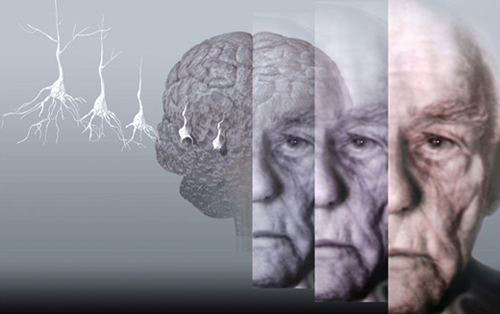
Alzheimer's disease develops slowly and is a neurodegenerative disease. What does neurodegenerative mean? A major feature of these diseases is that nerve cells in the central nervous system stop working properly or die. Damage to neurons in different places leads to different consequences. In Alzheimer's disease, the first damage often affects connections in the hippocampus and nearby entorhinal cortex, which are important for memory and spatial awareness. Changes in these areas can lead to declining memory and cognition.
Another well-known example is Parkinson's disease. A major feature is damage to dopamine-producing neurons in the substantia nigra, disrupting movement-regulating circuits. Patients may experience tremor, stiffness, and difficulties with balance and coordination; it is not simply damage to motor neurons in general.

Another disease sometimes confused with Parkinson's is amyotrophic lateral sclerosis, or ALS. It is widely known because the astrophysicist Stephen Hawking lived with it. His long-term motor-neuron disease was ALS, not Parkinson's disease. ALS damages motor neurons in the motor cortex, brainstem, and spinal cord, causing progressive muscle weakness, wasting, and eventually paralysis.

These are all neurodegenerative diseases. One thing they have in common, especially apparent in Alzheimer's research, is that scientists do not yet fully understand their causes. We can trace stages of disease development, such as accumulation of harmful material, neuronal loss, or brain atrophy. What precisely initiates and connects these changes, however, has not been completely resolved.
Some genetic changes can cause a small proportion of Alzheimer's cases, while other genetic variants affect risk. In most cases, genes, lifestyle, and environment interact. Understanding these interactions, preventing disease, and developing treatments remain difficult research problems; they cannot be reduced to a single cause.
Biological changes in Alzheimer's disease: Amyloid deposits and neurofibrillary tangles
How does Alzheimer's disease develop biologically? Let me describe two familiar features that receive considerable attention from scientists.
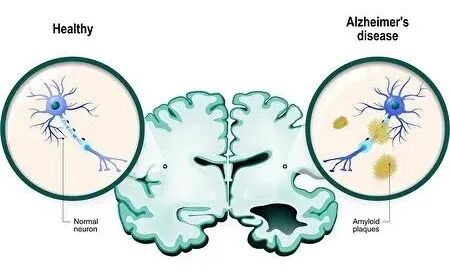
The first is amyloid accumulation. An appropriate amyloid PET scan can detect deposits in the living brain; routine structural MRI does not directly show amyloid plaques. Deposits may develop over many years and can be present before obvious symptoms. How their distribution relates to changes in particular brain regions and a person's symptoms needs to be assessed with other evidence, rather than used as a rigid three-stage rule for everyone.
Amyloid plaques are an important feature of Alzheimer's disease, but the amount of amyloid does not have a simple one-to-one relationship with the timing or severity of symptoms. Deposits can be present years before symptoms and may also be found in people without dementia. This does not mean amyloid has no role in the disease; it interacts with tau changes and other processes.
Thus, amyloid accumulation is a major feature of Alzheimer's disease, but it cannot by itself explain every person's onset and progression.

The second important biological change is the formation of neurofibrillary tangles, abbreviated NFT. Tangles are abnormal accumulations of tau inside neurons. The interview described a progression from diffuse changes to mature filamentous aggregates; some tangles may remain outside cells after the affected neurons die.
Persisting extracellular tangles can provide evidence of earlier neuronal loss, but not every tangle means that its neuron has already died. Tangles also occur inside living, affected neurons.
Other changes, including fewer synapses and loss of neurons, are also important in Alzheimer's disease. They can lead to visible cortical atrophy. Atrophy alone does not make the diagnosis straightforward or certain; it must be interpreted alongside clinical assessment and appropriate tests.
#2 Investigating possible contributors to Alzheimer's disease
Possible contributor 1: Abnormal amyloid accumulation
Brain changes can begin many years before clear symptoms of Alzheimer's disease. The interview discussed a hypothesis in which inflammation or microbial effects might upset processes in the body and alter amyloid production or clearance. Long-term protein accumulation, neuronal dysfunction, and tau tangles may interact in the disease. This is a research hypothesis, not an established sequence explaining every case.
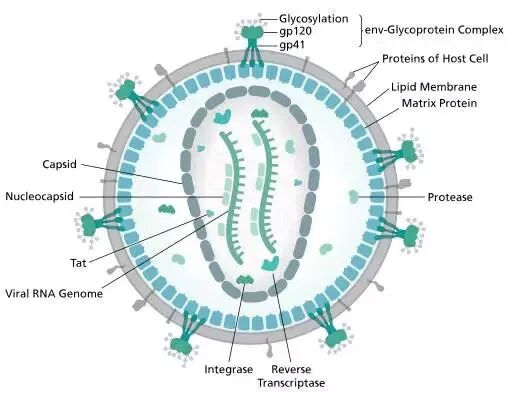
For comparison, the interview mentioned dementia associated with HIV, whose symptoms can resemble some features of Alzheimer's disease. Syphilis can also affect the brain and nervous system and cause neurological or cognitive problems; this can happen at different stages, not only after ten years. Such conditions must not be described as necessarily causing Alzheimer's disease through amyloid accumulation.
Does excess beta-amyloid necessarily mean someone will develop Alzheimer's disease? Not by itself. Amyloid deposits may also be found in people without dementia. Reducing amyloid is not a cure, but some approved anti-amyloid treatments can slow cognitive decline in selected people with early Alzheimer's disease. Treatment effects cannot be inferred simply from whether deposits are present.
Sleep problems and amyloid changes are being investigated for possible links. Insomnia by itself is neither a diagnostic indicator of Alzheimer's disease nor proof that amyloid is accumulating. Sleep difficulties may have many causes and should be assessed on that basis.

Possible contributor 2: Neuroinflammation
The interview described an inflammation hypothesis and cited work by researchers at a German neurodegenerative-disease center suggesting that proteins associated with viruses might influence amyloid aggregation. The exact paper was not identified in the source, so this is retained as the interviewee's account of a research direction, not independently verified evidence establishing a cause.
The hypothesis considers whether infections at some points in life, or changes in the immune response, may affect the brain. Some pathogens or inflammatory processes can affect the blood–brain barrier, but it is not the case that every viral or bacterial infection necessarily crosses it.
One research hypothesis proposes that beta-amyloid may have antimicrobial functions and that immune responses could influence its production. This does not establish that amyloid is simply a product made to reduce inflammation, or that this process fully explains Alzheimer's disease.
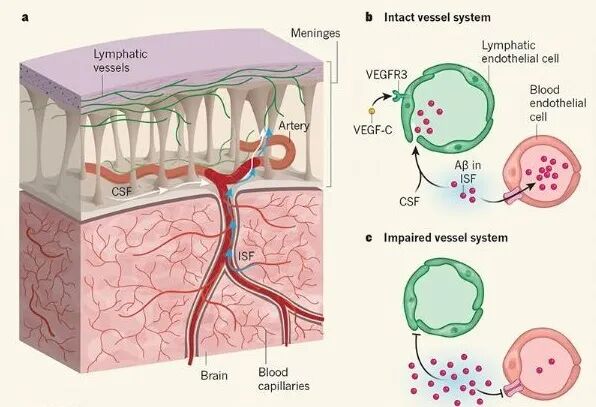
The interview also mentioned an emerging idea that people recovering from COVID-19 might have a higher future risk of Alzheimer's disease, forgetfulness, or cognitive decline. Inflammation was proposed as one possible explanation. The interview emphasized the absence of long-term follow-up at that time: this should not be read as a prediction that every person who has had COVID-19 will develop Alzheimer's disease.
Researchers have explored the idea that beta-amyloid can act as an antimicrobial peptide. In the interview, this was discussed as a possible link between immune responses to infection and Alzheimer's disease. Such hypotheses should not be presented as proof of a causal relationship between COVID-19 and Alzheimer's disease.
Severe COVID-19 can involve intense inflammatory responses, which may affect the blood–brain barrier and brain function. The duration and mechanisms of neurological effects vary, and this does not by itself establish later Alzheimer's disease.
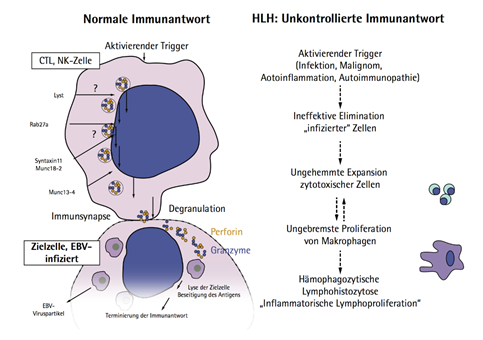
Contributors 3: Genes and environment
Alzheimer's disease is often divided into early-onset and late-onset forms. Cases beginning at age 65 or older are generally described as late-onset.
Many late-onset cases occur without a clear pattern of inherited disease. Patients may have very different lifestyles. Scientists are actively studying how genetic, environmental, and lifestyle factors interact to influence risk.

Some early-onset cases have a family pattern and can begin in a person's forties or fifties. Certain inherited mutations can directly cause familial Alzheimer's disease. Other genetic variants influence risk through several biological pathways, but not every early-onset case is inherited or explained by one mutation.
Early-onset disease accounts for a minority of cases; late-onset disease is more common. This does not establish that environmental influences always outweigh genes. Their relative contributions vary among people.

Research topic 4: Calcium signaling
More women than men live with Alzheimer's disease, and the reasons involve factors including lifespan and biology that are still being studied. Calcium ions are important in neuronal signaling, but ordinary calcium loss in middle age has not been established as the explanation for women's higher Alzheimer's burden.
Altered calcium regulation in cells is one research topic. It must not be equated with insufficient dietary calcium or a claim that calcium supplements prevent Alzheimer's disease. As the interviewee noted, this was not their own area of expertise, and firm causal conclusions should not be drawn from this discussion.

#3 A farewell that cannot be reversed
Alzheimer's disease: No cure, but treatment and care still matter
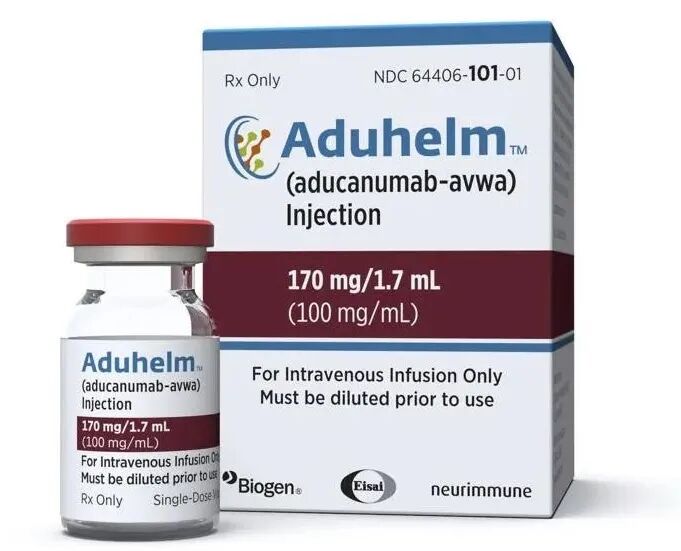
The historical interview discussed Aduhelm, or aducanumab, which the U.S. Food and Drug Administration granted accelerated approval in 2021 on the basis of amyloid reduction. That approval did not establish that it cured Alzheimer's disease. Its initial use was directed to people with mild cognitive impairment or mild dementia due to Alzheimer's disease, not all stages of illness.
Reducing amyloid is a treatment approach rather than a way to restore lost neurons or completely stop the disease. The original claim that Aduhelm was the only approved Alzheimer's medication was incorrect. Other medicines were already available for symptoms, and lecanemab and donanemab have subsequently received U.S. approval for selected people with early Alzheimer's disease. These treatments have important risks and require specialist assessment and monitoring; the historical interview is not a current prescribing guide.
For moderate to severe Alzheimer's disease, memantine may be prescribed. It modulates NMDA receptor activity related to glutamate signaling and can help with some symptoms and daily functioning. It does not restore lost neurons, and it should not be described as a proven way to extend a patient's life by months or years.
Excessive glutamate activity in the brain can damage neurons, but this is not the same as eating monosodium glutamate, the main component of MSG seasoning. Glutamate is a normal amino acid in the body and in foods. FDA considers added MSG generally recognized as safe under its conditions of use; the claim that ordinary MSG consumption causes brain damage or Alzheimer's disease is not supported here.

Supplements cannot replace medication: Be wary of Alzheimer's supplement marketing
Alzheimer's medicines are generally prescription treatments requiring a clinical diagnosis and assessment. Some medicines address symptoms, while certain anti-amyloid medicines can slow cognitive decline in selected patients with early disease. Neither category is a cure, and treatment must be chosen with a clinician.
The original interview discussed omega-3 fish oil supplements and speculated about possible effects on neuronal membranes. Cell membranes do contain lipid bilayers, proteins, and sterols, and omega-3 fatty acids have biological roles. However, this does not establish that taking fish oil softens blood vessels or treats Alzheimer's disease.
There is no convincing evidence here that fish oil supplements can treat Alzheimer's disease, and they cannot replace medication or appropriate care. They are also not necessarily free of side effects; gastrointestinal symptoms and other concerns may occur. Anyone considering supplements should discuss their circumstances and medicines with a clinician rather than take them simply for reassurance.

Alzheimer's vaccines: A medical research challenge
I remember a paper examining the amyloid hypothesis through an immune approach directed at beta-amyloid. Beta-amyloid is produced by cleavage of amyloid precursor protein. The original interview did not identify the paper, and its description of a vaccine inhibiting this cleavage cannot be independently established here; different experimental immune approaches do not all work in the same way.
The interview described a study in which reducing an amyloid-related measure did not eliminate symptoms. That account should not be treated as proof that amyloid is unrelated to Alzheimer's disease. Research into amyloid and other mechanisms remains complex, and a single unidentified study cannot settle the question.
There is currently no established vaccine for preventing Alzheimer's disease. It is not simply a disease caused by one infectious organism. A proposed antimicrobial role for beta-amyloid remains a research question rather than a complete explanation of the disease.

Alzheimer's disease brings irreversible losses and a prolonged farewell. A patient can feel trapped in a river of time, with memories gradually rubbed away. There is still no cure, but this does not mean that useful treatment, care, and support are without value.
Countless people continue searching in the darkness for ways to overcome Alzheimer's disease, hoping for the first light of dawn.
Science communicator: Weiwei (蔚蔚)
Editors: Calorie (卡路里), Fantuan (饭团)
Audio editor: Honey Peach Oolong (蜜桃乌龙)
Interviewers: Fantuan (饭团), Calorie (卡路里)
Recording: Honey Peach Oolong (蜜桃乌龙)
This article reflects the author's personal views, not those of this website. The original manuscript credits images to the internet and requests contact for removal if they infringe rights.
Restoration revision, 2026-10-10: All research topics and credits are preserved. Corrections address claims that MRI directly detects amyloid, that plaques are unrelated to disease, that neurological syphilis starts only after ten years, that calcium loss explains disease in women, that Aduhelm was the only medication, that memantine extends life, that MSG damages the brain, and that fish oil has no side effects. Vaccine and infection mechanisms without an identified paper are framed as hypotheses discussed in the original interview. Original passages remain intact in the private audit.
Supplementary references
- National Institute on Aging: Brain Changes in Alzheimer's Disease
- National Institute on Aging: Biomarkers in Dementia Diagnosis
- National Institute on Aging: Alzheimer's Disease Treatment
- FDA: Approval Information for Donanemab
- FDA: Questions and Answers on Monosodium Glutamate
- NCCIH: Evidence and Safety for Omega-3 Supplements
- CDC: Syphilis and Neurological Effects
- NINDS: Parkinson's Disease
- National Institute on Aging: Alzheimer's Causes and Risk Factors
Sources and editorial history
Restored from a complete historical article exported from the PhDSciNet Official Account.
Editorial revision: Restoration revision, 2026-10-10: All research topics and credits are preserved. Corrections address claims that MRI directly detects amyloid, that plaques are unrelated to disease, that neurological syphilis starts only after ten years, that calcium loss explains disease in women, that Aduhelm was the only medication, that memantine extends life, that MSG damages the brain, and that fish oil has no side effects. Vaccine and infection mechanisms without an identified paper are framed as hypotheses discussed in the original interview. Original passages remain intact in the private audit.