
Historical interview: The following preserves the research experiences and personal views expressed in the original manuscript.
The PhDSciNet Interview Series
Alzheimer's Disease: The Uncontrollable Fading of Memory
Grey hair and declining memory—these are familiar impressions of older people.
At first, they often leave home without their keys. They close the door one moment and, on turning away, no longer remember doing so.
Gradually, they may forget the way home, then their family and friends, and finally themselves.
Memory continues to fade, until life ends.
These are difficulties that Alzheimer's disease may bring. It is the most common cause of dementia, but occasional forgetfulness alone does not mean that someone has Alzheimer's disease.
What can we do in the face of Alzheimer's disease?
The science communicator's background: A postdoctoral researcher in physics at the University of Waterloo, Canada. Main research interest: The effects of Alzheimer's-related beta-amyloid on neuronal cell membranes.
#1 Is Alzheimer's disease the same as dementia in older age?
Discovery and naming
Alzheimer's disease was identified relatively recently. In earlier times, when dissection and microscopy were unavailable, people may have noticed older adults losing their memory, struggling to express themselves in speech or writing, or easily losing their way. An older person might leave home and not return.
Such experiences could lead people to believe that these problems naturally happen to everyone in old age. In fact, this is a disease of the brain. Not every older person develops these changes; in other words, not everyone develops this disease.
In 1906, the German psychiatrist Alois Alzheimer examined a patient's brain after death and found severe changes in the brain tissue around neurons, together with accumulations of abnormal material.
The patient had been cared for in a psychiatric hospital. The physician had followed and observed the patient for a long time while she was alive. He connected the postmortem findings with her earlier memory loss and worsening psychological problems, and regarded these as a disease process. He described it as a peculiar disease; it had not yet been given its eventual name.
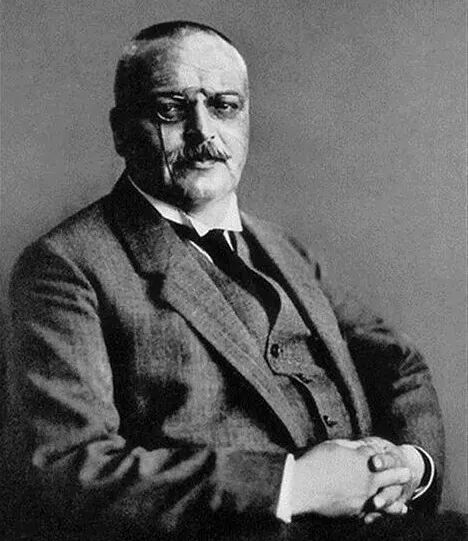
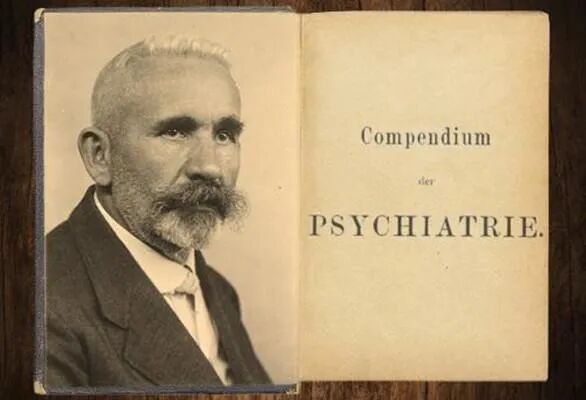
During the next four years, other German psychiatrists observed similar patients and examined their brains after death, finding comparable changes. In 1910, Alzheimer's colleague, the well-known German psychiatrist Emil Kraepelin, included the disease in a revised psychiatry textbook and named it Alzheimer's disease. This was an important step in its recognition and naming.
How it relates to, and differs from, dementia in older age
Over a lifetime, external injury to the head or some inflammatory diseases of the brain may cause damage, leaving neurons unable to function or leading to their death. If severe, such damage may appear as brain atrophy. Alzheimer's disease has a characteristic neurodegenerative process, however, and cannot be treated as simply the same process as brain injury from an external cause.
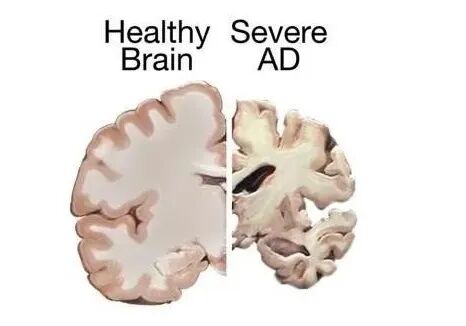
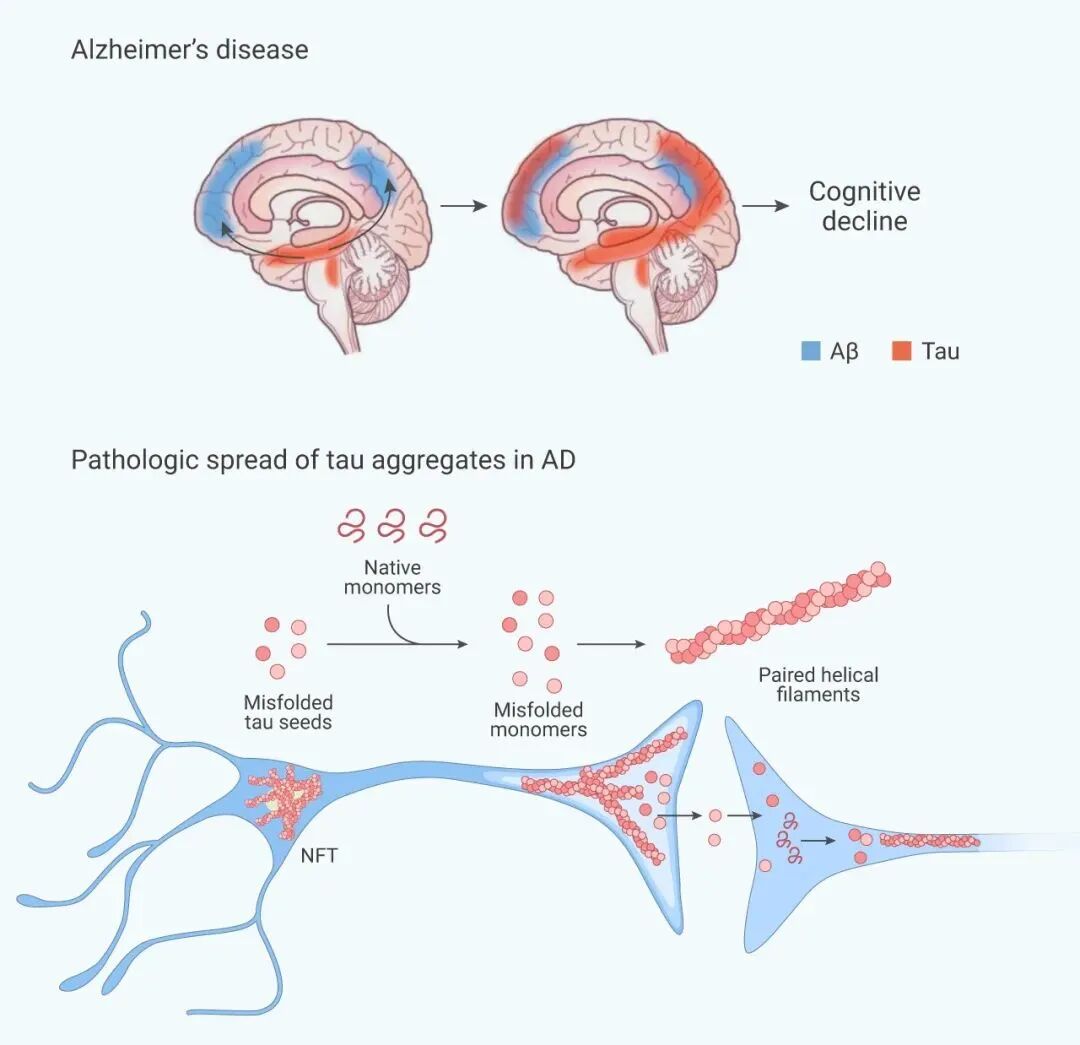
Alzheimer's disease develops over a long period and is associated with several changes, including abnormal protein accumulation and damage to neuronal connections. Normal aging does not mean that large numbers of neurons must die, nor should new slurred speech automatically be regarded as normal aging. Persistent changes in memory, speech, or thinking need medical assessment. Alzheimer's disease is therefore distinguished from ordinary age-related changes.
Alzheimer's disease has different everyday names in different places, including terms corresponding to dementia or cognitive decline. Dementia, however, is an umbrella term for a syndrome affecting memory, thinking, and daily functioning; it is not another name for Alzheimer's disease alone.
Alzheimer's disease accounts for approximately 60–70% of dementia cases. Its characteristic pathology includes abnormal beta-amyloid and tau accumulation and neuronal damage; a single region of brain atrophy alone does not establish the diagnosis. When I was young, adults called these conditions senile dementia. Only after learning more in high school and university did I realize that much of what we had called senile dementia referred to Alzheimer's disease.
Medical assessment can include MRI, or magnetic resonance imaging, and PET, or positron emission tomography, together with medical history, cognitive assessment, and other tests. MRI helps assess brain structure; particular PET tests can detect relevant molecular changes. Neither scan alone should be used to make a self-diagnosis. Alzheimer's disease is one cause of dementia.
#2 Alzheimer's disease: Earlier risk reduction and recognition
Different symptoms at different stages
Early symptoms: Alzheimer's disease evolves over a long time. Disease-related brain changes may begin more than 20 years before diagnosis, or even earlier, and people generally do not notice them at the time. What we call early symptoms may emerge after these changes have accumulated for ten or twenty years or longer. Older adults—for example, people in their sixties—may notice difficulties with memory, particularly recent memory, or with language and thinking. These may be warning signs, but they do not establish a diagnosis by themselves; persistent difficulties should be assessed by a clinician.
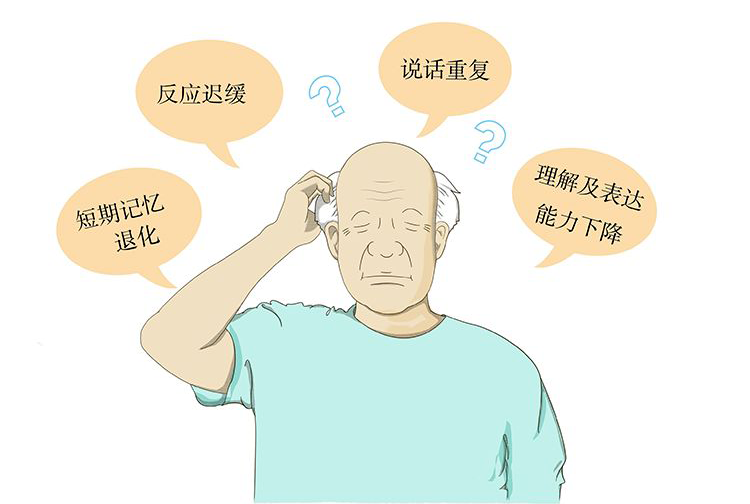
Middle-stage symptoms: As Alzheimer's disease progresses, patients gradually lose their ability to manage daily activities independently. Memory loss and changes in personality and behavior can make wandering a risk if adequate supervision is not available.

Late-stage symptoms: Damage spreads to other areas of the brain and can affect ordinary walking and swallowing. Patients may require prolonged bed care and round-the-clock support, and Alzheimer's disease can ultimately lead to death. Many reports describe an average survival of four to eight years after diagnosis in people diagnosed after age 65, although some individuals live close to 20 years. Individual differences are substantial, so the course is not the same for everyone.

[The descriptions of the early, middle, and late stages above are primarily based on the Alzheimer's Association's 2022 special report on Alzheimer's disease facts and figures.]
Early detection of Alzheimer's disease: An unresolved scientific challenge
Many people have heard of Down syndrome. It is generally caused by an extra copy of chromosome 21, giving three copies rather than two. Down syndrome and Alzheimer's disease are closely connected, and research groups specifically study their relationship. For people with Down syndrome, whose condition is generally recognized early in life, clinicians can plan appropriate ongoing assessment.

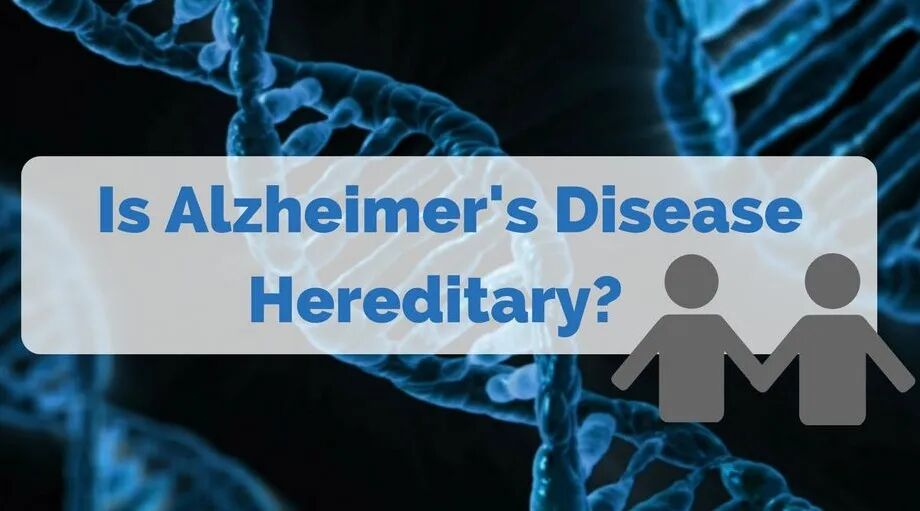
For other people, having a grandparent with Alzheimer's disease does not necessarily mean that they have a disease-causing genetic mutation. Genes, lifestyle, and environment can all influence risk. Whether testing is appropriate depends on symptoms, family history, and clinical assessment; it is not reasonable to label every assessment unnecessary, or to decide that everyone needs testing.
Finding ways to identify suspected Alzheimer's disease earlier remains an important scientific challenge. Earlier recognition can help with treatment planning and future care, which is why scientists are keen to understand it.
What can we do to reduce the risk of Alzheimer's disease?
Although these factors are difficult to quantify, lifestyle is one of the potentially modifiable influences on the risk of dementia in later life.
For a healthy person wishing to reduce their risk in older age, a healthier lifestyle may be beneficial whether or not a known dementia-associated mutation runs in the family. No lifestyle measure can guarantee prevention of Alzheimer's disease.
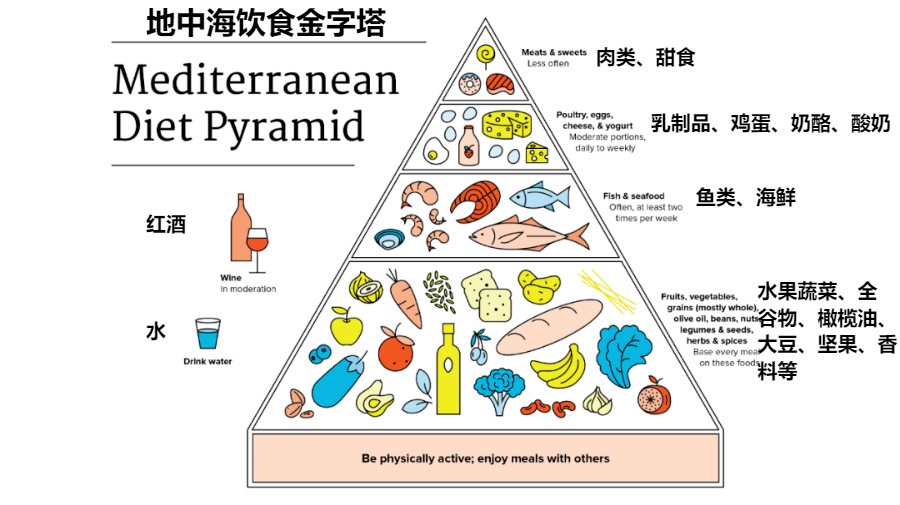
For example, a balanced eating pattern including vegetables, fruit, fish, whole grains, and beans, appropriate physical activity, and cognitively stimulating activities may support health and brain function. Cholesterol-lowering medication should be taken for a medical indication as advised by a clinician, not started simply to prevent Alzheimer's disease. Drinking alcohol is not a recommended preventive strategy. Research into how much these measures reduce Alzheimer's risk is still ongoing.
Age, smoking, obesity, and previous head injury are among the factors associated with dementia risk. Education, health-care access, and other social conditions may also affect risk and recognition. Rates cannot be reduced to a simple rule that developed countries necessarily have fewer cases. Individual differences remain important.

#3 Love and companionship: A strong source of support against forgetting
Earlier diagnosis and appropriate treatment: Keeping pace with memory loss
The interview referred to a 2022 report on Alzheimer's disease in China and discussed anti-beta-amyloid approaches, neuromodulation, stem-cell research, and traditional Chinese medicine. These must not all be described as established, approved routine treatments. Treatment choices depend on evidence, the patient's condition, and approval in the relevant jurisdiction, and need to be assessed by a clinician.
Neuromodulation and stem-cell approaches have been investigated, including in animal studies, but experimental findings do not establish routine clinical effectiveness. The original interview also mentioned traditional Chinese medicine and a 28-week acupuncture study. These accounts do not establish that such approaches reliably treat Alzheimer's disease or are suitable substitutes for evidence-based medical care; their effectiveness and safety require appropriate clinical evidence.

In public health services, memory clinics have been established to support earlier recognition and diagnosis of cognitive impairment, treatment planning, education for families, and training for caregivers. Since the 1990s, neurology, psychiatry, and geriatric departments in hospitals in larger Chinese cities have successively opened memory clinics. The original interview cited a historical figure of 128 memory clinics in China as of 2014, with 26 medical institutions in Shanghai providing such clinics. These figures are retained as historical figures cited in the interview, rather than current counts.
The interview described Beijing, Shanghai, and Guangzhou gradually introducing construction guidelines and service standards for dementia-care units. Residential care institutions are important providers of specialized cognitive-impairment services, and some have designated dementia-care units. For example, the interview cited a Beijing survey reporting average bed occupancy in dementia-care units 13.7% higher than for ordinary beds. These figures have not been independently verified here. The interviewee believed that gradual improvements in specialist care in institutions and community service centers would have a positive effect on the later lives of people with dementia.

Love and companionship offer comfort
The interview stated that more than 90% of people with cognitive impairment in China received care at home; this is a historical figure cited in the original, not a newly verified current proportion. If people in the early or middle stages can remain at home with adequate support, contact with family and the community may help sustain social engagement and quality of life. The level of support should be matched to their actual abilities and needs.
In later-stage Alzheimer's disease, neuronal damage spreads to other parts of the brain. Patients may need frequent bed care as their ability to walk and even swallow declines. Those who can no longer care for themselves, are confined to bed, or have several other medical problems may need support from a hospital or a specialized care facility, depending on their needs.

I have read many reports on the living circumstances of people with Alzheimer's disease. The accounts emphasize companionship, a sound care system, and opportunities for ordinary social interaction—for example, conversation or, where suitable, the group dancing enjoyed by some older Chinese adults. Emotional support and practical care can improve comfort and quality of life; they should not be presented as a proven way to extend an individual's lifespan.
This is not a claim that companionship can cure the illness physiologically. It concerns how, after an irreversible disease develops, we can help preserve the person's living conditions and quality of life as far as possible.

Alzheimer's disease involves irreversible changes—a farewell to the world through continuing loss of memory. One of the most painful experiences is not simply separation or death, but a loved one suddenly turning to ask: Who are you?
So, before forgetting begins, make more time for those closest to you. Express your love, and love wholeheartedly. Even if disease arrives and memories gradually fade, love and companionship need not disappear.
Science communicator: Weiwei (蔚蔚)
Editors: Fantuan (饭团), Honey Peach Oolong (蜜桃乌龙)
Audio editor: Honey Peach Oolong (蜜桃乌龙)
Interviewers: Fantuan (饭团), Calorie (卡路里)
Recording: Honey Peach Oolong (蜜桃乌龙)
This article reflects the author's personal views, not those of this website. The original manuscript credits images to the internet and requests contact for removal if they infringe rights.
Restoration revision, 2026-10-10: The complete historical interview and credits are retained. Corrections distinguish dementia from Alzheimer's disease, qualify claims about normal aging and imaging, and remove the unverified three-second figure and misleading suggestions about preventive drinking, self-medication, and established effectiveness of experimental therapies. Historical institutional counts are identified as figures cited in the original, and benefits of care are limited to quality of life. Diagnosis and treatment require clinical assessment.
Supplementary references
- World Health Organization: Dementia
- National Institute on Aging: What Happens to the Brain in Alzheimer's Disease?
- National Institute on Aging: How Biomarkers Help Diagnose Dementia
- National Institute on Aging: Preventing Alzheimer's Disease—What Do We Know?
- National Institute on Aging: How Is Alzheimer's Disease Treated?
Sources and editorial history
Restored from a complete historical article exported from the PhDSciNet Official Account.
Editorial revision: Restoration revision, 2026-10-10: The complete historical interview and credits are retained. Corrections distinguish dementia from Alzheimer's disease, qualify claims about normal aging and imaging, and remove the unverified three-second figure and misleading suggestions about preventive drinking, self-medication, and established effectiveness of experimental therapies. Historical institutional counts are identified as figures cited in the original, and benefits of care are limited to quality of life. Diagnosis and treatment require clinical assessment.