Historical interview: the following preserves the research experiences and personal views expressed in the original manuscript.
The pandemic arrived suddenly, bringing shortages, rising prices, endless online classes, and campuses people could not return to. What was life like for science and engineering students abroad? Did working from home bring anxiety or excitement?
This installment invites three students in different countries to discuss the pandemic’s effects and changes.
International students during the pandemic
Does your field allow you to work from home?
Light Through Curtains: I am a physics postdoc working on optical imaging and engineering—building microscopes. We need a specific workplace because experiments are central.
Nick: I am a second-year chemical-engineering PhD student at Waterloo, researching aqueous batteries. Experiments also require us to work in a specific place.
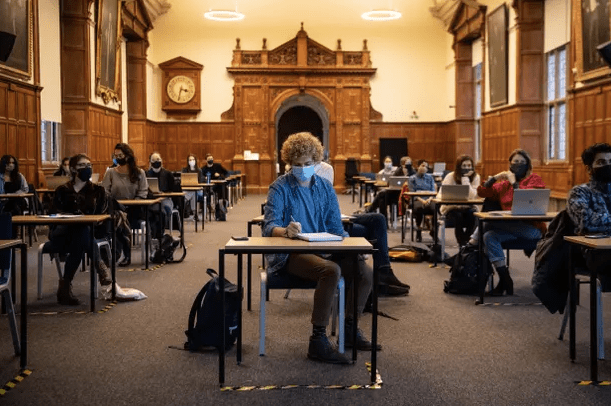
I graduated from Boston University in May 2020, during the most severe period. The outbreak caught us before graduation. After some classes, we were suddenly told to move online, so half the final semester was remote. Normally we would have had a ceremony and graduation photos in master’s gowns, but the pandemic prevented them.
I applied for Waterloo’s doctorate before graduating, around late 2019 or early 2020, before much effect was felt in the United States. Classes and laboratory work continued normally. I planned to begin in September 2020, but pandemic-related and other issues delayed the offer until that September, and enrollment until January 2021.
I struggled to decide whether to fly directly from the United States to Canada or return to China. My US visa had expired and I could not yet obtain a Canadian one, so I decided to stay in China temporarily. Unexpectedly, that meant a year there, from September 2020 to September 2021. Returning was difficult and tickets were scarce. A normal US–China round trip might cost six or seven thousand yuan, but tickets then were unavailable or roughly ten times more expensive, costing tens of thousands.
I reached Canada in mid-September 2021 after taking two semesters online in China.
Soy Sauce Dried Radish: I was a third-year PhD student in 2020, mainly studying electrocatalysis. The experimental data needed for my project required a particular workplace.
The outbreak and the switch to working from home
How did you feel when told to work from home?
Light Through Curtains: I remember clearly. Around early March 2020, perhaps March 7, the university told us to stay home. I even felt a little excited, as if a holiday had arrived, without anticipating what would follow.
Driving home that day, I felt swept up by world events. I had a paper under review, but the experiments were done, so I was waiting for the outcome.
Nick: I do not remember the exact date, perhaps February or March 2020. A few US cases appeared, then numbers rose quickly and the university told us to stay home. Classes moved online. It was my last semester and I had only one course, so I was preparing to graduate and start a doctorate.
Initially it did not feel urgent; working from home seemed inconsequential. Later that changed. Classes at home were relaxed: no campus travel or answering questions in class. But after graduation I became anxious about beginning the PhD.
Soy Sauce Dried Radish: the worst period in China seemed to be January 2020. News showed widespread fear and isolation, while North America seemed to do nothing. I was very worried: why were we not isolating when Canada’s daily increases were already striking?
We only started staying home around late March or early April 2020. Toronto had closed long before, but Waterloo seemed determined to stay open. I initially felt excited when we finally stopped attending. Then revisions arrived for a paper, and I became frightened because additional data and revisions were due within a month. The week before closure, I frantically added experiments and scheduled every day very tightly.

What did you prepare before working from home?
Light Through Curtains: I took my computer home. Rumors of closure and remote work had circulated for a week or two, and our supervisor told us to prepare equipment. Some brought monitors and data drives home too. Nobody knew when we could return, so we prepared for experiments and papers.
My parents were also in the United States and suggested stocking food. We bought a lot from the supermarket. Those were the preparations for work and daily life.
Nick: it felt sudden, so I did not think much about it. I lived with a classmate. We seemed suddenly to be told classes would go online the following week, without special preparations because my laboratory work was done.
The remaining course had a team project. Although my teammates were Chinese, we lived in different places, and leaving home for discussions felt frightening.
For daily life we went to supermarkets. Early in the outbreak, Boston had shortages. Egg shelves were empty and a sign limited purchases to two cartons per person. We went once every three weeks, my roommate and I, with glasses, masks, and gloves, pushing a cart and buying three weeks of food at once.
Masks were certainly hard to buy. When China’s outbreak began, before the US outbreak, a friend messaged asking whether I could buy two boxes of masks and gloves to send back. I checked Amazon, Walmart, and other sites. They were available but extremely expensive, perhaps over a hundred dollars for fifty masks. Shipping and packaging made it impractical.
Light Through Curtains: later the direction reversed: masks were unavailable in the United States and sent here from China. For a time they were very difficult to buy.

Puzzling pandemic responses
The toilet-paper crisis: an essential item to stock at home
Nick: I do not really understand why North Americans rushed to buy toilet paper. Supermarkets sold out; Chinese supermarkets were the only places to find it.
Light Through Curtains: paper is an everyday consumable. I bought plenty too, because panic buying made shortages easy. Other scarce items included masks, disinfectants, and rice.
Soy Sauce Dried Radish: toilet-paper buying seemed similar everywhere, including Canada. Large packs were limited to one per customer. Most surprisingly, Chinese supermarkets were almost cleared of instant noodles.

Masks cannot prevent COVID-19, and frequent handwashing is the “secret weapon”?
Soy Sauce Dried Radish: when China’s outbreak started in January, I stocked disinfectant wipes, hand sanitizer, and masks. I began wearing a mask in the lab. I clearly remember my supervisor asking why. I did not understand—should we not protect ourselves? I made up an excuse that I had a cold, and no further questions followed. Masks were not required then, and it seemed only you were worried while others were unconcerned.
Nick: the view in the United States differed from ours. I started wearing a mask when scattered cases appeared. I took the subway to campus, and Americans looked at me strangely. I wondered why. I specifically asked an American, who said people thought you wore a mask only when sick, so perhaps they should avoid you.
Even when the outbreak was severe, most Americans running outside were unmasked. Some dog walkers masked the dog but not themselves, which seemed strange.
Light Through Curtains: an American postdoc in our group firmly believed masks were useless at the beginning. We discussed it, and they said frequent handwashing was enough and masks were optional.
Months later, authoritative media published an article saying masks could reduce transmission. Biology postdocs shared it as news in our group chat. I found that astonishing: COVID-19 is respiratory, yet they initially thought masks useless and only recognized the scientific case much later. Early on, Americans did not believe they helped.
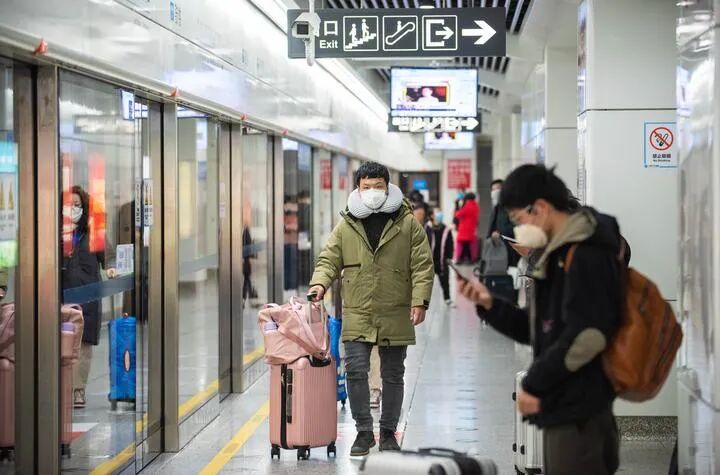
How was life during the pandemic?
Recession and rising prices
Nick: the economic downturn was serious and its impact tangible. Several Boston restaurants my friends and I frequented closed.
Light Through Curtains: I ordered a crystal from a Toronto company. They said two months, but it took three or four to arrive, and the item was unusable. Things are much better now.
Food prices also rose, I felt. Soybean shoots were already costly before the pandemic, perhaps US$5.99 for a small bag, then reached US$10.99 for a time.
Soy Sauce Dried Radish: it was difficult. Medicines and consumables were severely short. Recently our group could not even obtain experimental glass bottles, seriously affecting work. At one point gloves were unavailable and had to be used sparingly.
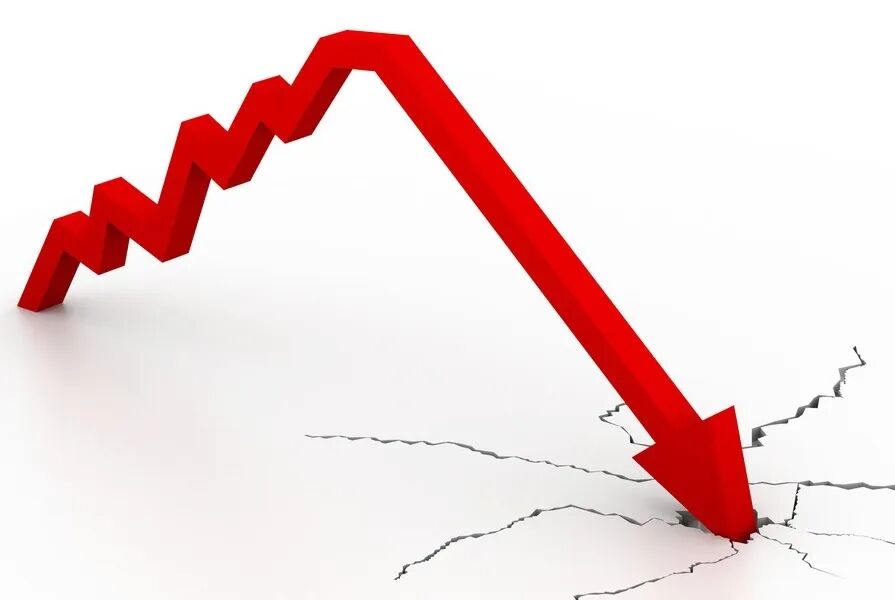
If you could return two years into the past, how would you prepare for the pandemic?
Nick: I would return to China immediately after graduating at the start, helping me enter research sooner and understand my current field earlier. I feel much time was wasted during the pandemic without productive work.
Light Through Curtains: if I could take my present memories back, I would do experiments carefully, put time and emotion into concrete tasks, avoid dwelling on personal changes, write papers, and focus on getting things done without excessive anxiety.
Soy Sauce Dried Radish: do not become anxious about anxiety, or worry about things you need not. Sometimes relaxing, taking things less seriously, treating it as a break, slowing down, enjoying life, and getting sunshine are fine. I learned most of all to accept reality; only then can you calmly analyze the next step.
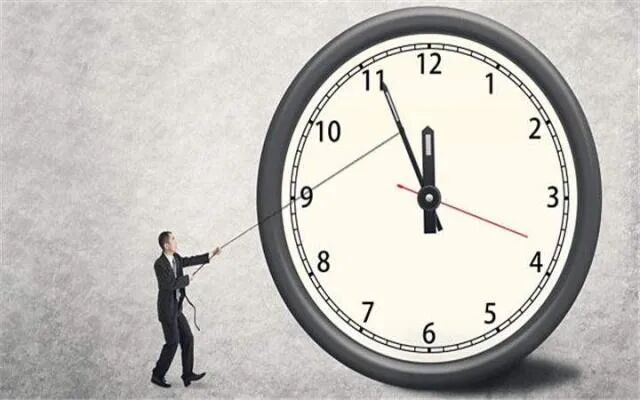
Lessons about life learned during the pandemic
Nick: I learned not to rush. Be calmer: agitation makes nothing go well. That is the most important lesson. Rushing does not help; understand that and organize your time.
My current work routine is good. With a schedule for laboratory time, tasks, and going home, things go very well.

Light Through Curtains: avoid internal strain. Much emotional energy was wasted in the pandemic without purpose. Looking back, do the work well without focusing excessively on internal emotional changes.
Try to stay ahead of your supervisor in experiments and planning, at a point where you need to push them a little. That makes me less anxious. Before the pandemic, with a supervisor operating intensely, occasional slackness put me in a position of being pushed. I prefer pushing my supervisor slightly; that feels easier.
Soy Sauce Dried Radish: even after only a few months, I suddenly felt life needed meaning and things to do. Busy people think less aimlessly. We may be anxious because we have nothing to do, so perhaps staying busy helps forget worries that need not trouble us and makes life easier. Work plans should also balance effort and rest; do not push yourself too hard.
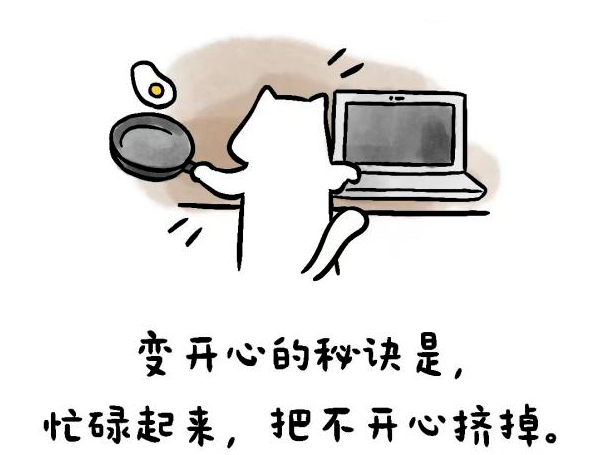
Controlling the pandemic and eliminating the virus require worldwide effort. This is a test of our times. We can prepare, stay calm, and face life’s challenges with composure. May the pandemic recede and life return to its course.
Contributors: Nick, Light Through Curtains, Soy Sauce Dried Radish
Text editor: Fantuan
Audio editor: Honey Peach Oolong
Interview: Fantuan, Calorie
Audio recording: Honey Peach Oolong
This article expresses the author’s personal views and does not represent those of this website. Images were sourced online; please contact us regarding any infringement.
Sources and editorial history
Restored from a complete historical article exported from the PhDSciNet Official Account.