

Historical interview: the following preserves the research experiences and personal views expressed in the original manuscript.
The manuscript cited increasing returns for work from 2018 to 2021 and a 2021 figure “exceeding one million for the first time,” without a verifiable original statistical source or definition. It cannot establish a current annual trend or a job-seeker count directly published by the Ministry of Education. China’s rapid development, more opportunities, safer and more stable life, and familiar family environment are attracting increasing numbers of students overseas.
Does the overseas-returnee halo make their job-search path smooth? This installment invites a returning international graduate to share an interesting and sometimes painful employment journey.
Returning to China for work as a new trend
Return from overseas and begin a new journey
I studied abroad through a joint program between a Chinese university and a Canadian institution, staying in Canada from 2013 until late 2017 and returning in January 2018. The main reason was feeling China offered more opportunities, wanting to try and see its environment. I had also been away a long time, and family factors mattered.
I initially came to Canada through a joint doctoral program, graduated in December 2016, then stayed another year as a postdoc and research assistant. After returning, I first tried building a small business. About seven months later, I became a university teacher, doing research alongside commercialization.
Interestingly, I returned to Canada in 2021 for university research. After my 2018 return, my supervisor had some commercialization bases in China, so even while I was there we collaborated and did considerable work related to Canada.
A project with a Canadian company then created an opportunity. My supervisor invited me back to work on it, but the pandemic broke out in late 2019 and prevented travel. It was delayed until I reapplied for a visa around May or June 2021 and returned in September. The collaboration was the main reason.

Returning for work is a choice shared by many international students
China is developing rapidly and work can be found in many places, though some jobs are demanding. Canada has relatively fewer opportunities; if you find one, that is good too. Work may be more structured, take less time, and perhaps provide greater returns.
We mostly have doctorates and seek faculty jobs, which are relatively hard to find in Canada and North America. Many return because only a few can obtain and keep those stable, good positions. China has more universities and started research development relatively later, so positions and compensation are improving. Talent programs can offer overseas returnees good packages and settlement support. Difficult faculty searches in Canada, together with favorable Chinese policies, encourage many to return.
The pandemic may also have highlighted differences between systems and countries. Chinese people may prefer a safer life; stricter pandemic management and convenience in China may be another reason.
Personally, family matters too. Most people probably have parents, relatives, and friends in China, making that an important factor.

Opportunities and challenges coexist for returnees
Intense competition creates pressure and drives me forward
I think work in China is harder than in Canada. In Canada, hours were shorter and the supervisor pushed less, offering more freedom. Funding was not a pressure: the supervisor supported consumables, equipment, and funding, providing a strong foundation without pushing so much. That was an excellent setting for independent work with less pressure. In China, pressure is greater. First comes internal motivation: personal expectations that remain unmet or unsatisfactory may encourage you to spend more time working.
Second, seeing colleagues work overtime or friends produce new results or receive projects creates pressure almost unconsciously.
For those reasons, there is more to do in China. Beyond research come meetings, materials, reports, funding applications, teaching, preparing classes, and communicating with students. Time that was entirely research is split twenty ways, which can feel overwhelming. You may not perform every one of those tasks well because you are new to work and understand little.
Finally, relationships matter. As a student protected by a supervisor, you have fewer concerns; at a university or company you must manage relationships and build connections, adding pressure. Overall, someone who truly develops well in China is impressive and may put in much more effort than in Canada.
I would not call my own situation satisfied or dissatisfied. I have expectations and feel there is room to develop, so I keep trying new pursuits and efforts.
When dissatisfied with the present, I am more willing to change than remain motionless and follow the crowd. That is not my personality.

International students also value secure jobs
Most people around me went to universities or research institutes. Many doctoral graduates still seem to choose those destinations; some enter state-owned companies, while few take civil-service examinations. Our contacts are limited and may not be statistically representative, but these are paths we see.
Independent innovation often requires substantial technical barriers. Our friends mostly returned after master’s or doctoral studies, and very few immediately started businesses. Many first worked in institutes or universities, gained an R&D platform, patents, or overseas technical knowledge, and then founded a company connected with their institution. The country now encourages commercialization and technology transfer, unlike earlier restrictions. Most people I see follow this second path; direct entrepreneurship is rare because the risk is high.
Your university also matters in academic or institute employment. A well-known overseas university, perhaps in the top one hundred or two hundred, may make things easier. Unlike companies, universities emphasize publication: how many strong papers you have. Earlier, they might count papers; now they more often focus on five representative works. That may distinguish them from businesses.
Subject requirements can be strict. The person must have studied the relevant field without straying too far, or may not meet the school’s or institute’s development needs. Unless someone is an outstanding independent PI who can establish a new direction, subject fit receives considerable attention.
Most returning students probably prioritize strong universities in China’s 985 or 211 groups. Many also consider location, such as Beijing, Shanghai, or Shenzhen. Others prefer the best university near their hometown. If that is unavailable, they lower expectations to find a suitable job.
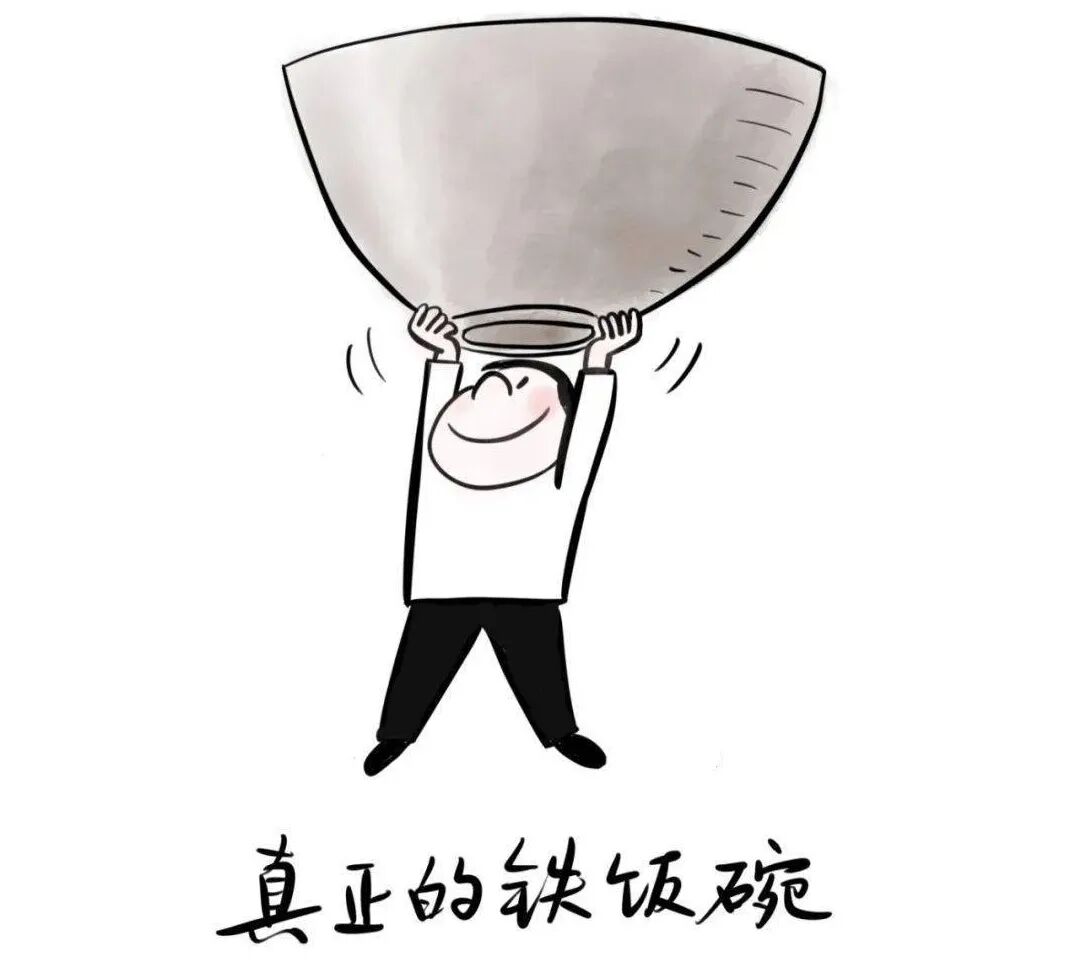
Do international graduates receive different treatment?
What may make international graduates distinctive
I feel this strongly. Teachers in China are stricter because universities assess performance every year, creating considerable pressure for young faculty. They arrange and guide experiments more, so students spend much time experimenting and produce plenty of data, but may have less time for independent thinking.
At many universities, publication quantity and quality requirements put teachers under pressure. That compresses students’ independent thinking: teachers push and plan the work, and students following those plans may obtain results and more papers.
Abroad, supervisors may be more tolerant and face less publication pressure. Students have more time to think independently. Even their master’s or doctoral topics may emerge slowly through ideas, attempts, failures, revisions, and eventually a direction of their own. Many people I know completed their theses that way.
Second, students abroad generally live independently and may cook for themselves. Life is less convenient than in China, with its cafeterias and developed commercial services around campuses. Abroad they must care for themselves, building independence and self-care abilities. Students in China may feel less pressure because nearby services provide everything, perhaps leaving those skills less developed. Those are the two largest differences I feel.

Different treatment, part one: higher salaries?
Salary differences are not necessarily large because pay follows rank, such as professor, associate professor, or lecturer. Established-position salaries have fixed standards, and you receive the relevant amount under the agreement made when joining.
One small advantage for overseas doctoral returnees is a settlement allowance to help buy a home. It may be larger for graduates of strong foreign universities, and considerably larger than for locally trained PhDs.
Research start-up funding can differ too, although talent programs may gradually reduce the gap. It is not simply giving someone more money for returning from abroad. National or provincial talent status matters more; obtaining it can bring better pay or settlement support.
Many talent channels now admit both returnees and people trained in China. Both can be difficult: overseas applicants compete with overseas peers, domestic applicants with domestic peers. I think the gap will shrink, though it still exists, and returnees may currently receive somewhat better packages.

Different treatment, part two: larger bonuses and easier promotion?
Year-end bonuses depend on performance: work completed, projects obtained, and papers published may become scores. Studying abroad does not automatically increase them. Some universities do offer overseas PhDs and postdocs accelerated promotion routes, without a fixed waiting period or with reduced teaching requirements. These conditions are generally set when you join.
In Jiangsu, when we returned, one provision meant an overseas returnee joining a university did not use an existing established-position quota, effectively adding a position. It existed then, but I do not know whether it has since changed. Such special policies may aim to attract strong overseas PhDs doing good research.
New faculty packages differ. There is no rule automatically adding 20% or 30% for being an overseas returnee. They consider international background, undergraduate institution, and publication quantity and quality. High impact factors alone are insufficient; papers need recognition within your field. Everyone differs. International experience is a positive factor, but its weight depends on other aspects of your record.

To international students returning for work
Read contract terms carefully to avoid unpleasant surprises
For established university positions, professorial pay may be fixed through provincial or national funding rather than controlled by the university. More flexibility lies in promised research start-up funds and settlement allowances, such as installments over several years. When signing, check possible conditions: perhaps second and third installments depend on meeting requirements. In my own case, the original promises have generally been fulfilled.
One point people may overlook, as I did, is that an established-position contract with a university may state that leaving before six or eight years requires returning settlement funds, and possibly paying compensation based on the uncompleted term.
Experience note: these periods, repayments, and compensation are personal recollections of contract terms at the time, not a statement about every university contract or current law. Specific terms and circumstances require separate checking.
We were newly graduated and unfamiliar with the rules, so paid little attention. Triggering such a clause can be costly.

Ask for advice when entering an unfamiliar environment
International students may have spent at least five years abroad and become somewhat disconnected from China’s development and circumstances, including research-sector thinking. After returning, ask older teachers and senior peers about the present situation and listen to their advice when planning. I think that is important.
Their Chinese connections may be weaker: senior peers developed abroad, and they may have no domestic supervisor or experienced person to guide them. Developing everything independently after returning creates pressure.
As I said, seek advice from knowledgeable people to understand the environment and how research works. Handling those two issues well is helpful; otherwise development can be constrained.

As returning for employment becomes a trend, following the crowd may not be the best choice. Accepting new challenges and seeking breakthroughs can move you forward. May your dreams and efforts continue as you become a better version of yourself.
Contributor: Astro Boy
Editors: Fantuan, Calorie, Honey Peach Oolong
Audio editor: Honey Peach Oolong
Interview: Fantuan
Audio recording: Honey Peach Oolong
This article expresses the author’s personal views and does not represent those of this website. Images were sourced online; please contact us regarding any infringement.
Sources and editorial history
Restored from a complete historical article exported from the PhDSciNet Official Account.
Editorial revision: The personal experience of returning to China and later Canada is retained. The opening statistics are qualified. Recruitment, pay, talent policies, and contract periods reflect observations in their historical setting, not current rules or income guarantees.