

Historical interview: the following preserves the research experiences and personal views expressed in the original manuscript.
The rapid rise of mRNA COVID-19 vaccines has brought many “urban legends.” Can they rewrite human genes? Can they cause myocarditis or affect fertility?
This installment explores the mysteries surrounding mRNA-vaccine technology.
Questions about receiving mRNA vaccines
Can special populations, including people planning pregnancy, pregnant women, people prone to allergies, and those who received other vaccines such as HPV vaccines, receive an mRNA vaccine?
EM: I think the question is too complex and should be left to doctors. They have foundational and early clinical data, and this is a matter of formal guidance. Pregnancy may be complicated because there is a baby and the immune state during pregnancy must also be considered.
For people who received other vaccines, a supposedly “high immune level” alone does not establish that another vaccination causes autoimmune disease. Coadministration or spacing requires product-specific evidence and applicable guidance; adverse-event assessment cannot rely only on antibody concentration.
A colleague’s child is in China. The manuscript mentioned vaccination of three-to-eleven-year-olds at the time and an immune-related problem afterward. This is a secondhand account without diagnosis or causality assessment; it cannot establish that vaccination caused the problem or that “high immunity plus another dose causes autoimmunity.” It is a complex medical issue that doctors should assess with specific information.

Eureka: a good question. First, some early COVID-19 vaccines entered use through emergency or related authorization, distinct from full routine licensure but still requiring review of clinical, safety, and manufacturing-quality evidence; it does not mean no trials or no review.
The urgency meant most people needed vaccination quickly. Overall evidence supports safety and benefit in pregnancy and breastfeeding, but it is incorrect to claim there have never been any serious adverse-event reports. Strictly, we cannot exclude all adverse effects—nothing is completely safe for any population—but vaccination should be considered with applicable guidance and individual circumstances.
Astro Boy: as everyone said, this is a specialist question. CDC has a voluntary survey following reactions in vaccinated pregnant people and other special groups. I think the purpose is to obtain analyzable data and provide feedback on the need for and feasibility of vaccination.
It is complicated. Quite a few pregnant women are being vaccinated and seem not to have encountered risks, but these are only partial data and conclusions need further support.

If the coronavirus keeps mutating, do we need new vaccines? How can we respond to variants?
EM: the data are not very open. Abroad, much pre-phase-1 information, and phase-1 data, is public, so I know somewhat more about the mRNA evidence.
After variants appeared, evaluation does not necessarily restart phase 1 every time, but variant research and monitoring continue; systematic research is not absent. For example, Sinovac in Brazil separated patients to compare neutralization of variants and nonvariants. Available information is generally in reports. Moderna and BioNTech, for instance, said two doses worked against Delta under ideal conditions: a recalled report of “97% against Delta” twenty-eight days after vaccination, without a specified product, method, or endpoint, which cannot directly establish real-world clinical protection. But many people do not encounter the virus at their antibody peak. Two months after two doses, with falling antibodies, can they still resist a given amount of variant virus? That is unknown because individual variation, viral load, and many other factors affect conclusions.
My understanding is that laboratory evaluation had already simulated variant conditions, but that does not remove the need for further variant research: current mRNA or Sinovac vaccines can effectively resist Delta under those conditions. In normal life, antibody levels are unknown and people with fewer antibodies may resist variants less well. It is very complex, but if pressed on whether new vaccines are needed, ongoing assessment must consider variants, protection, and clinical evidence rather than a blanket “no”; vaccines were subsequently updated for circulating strains.
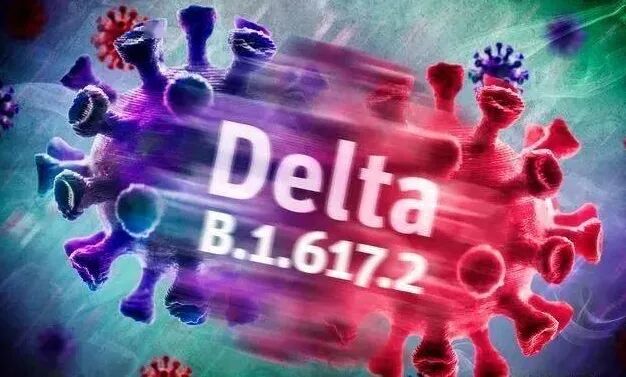
Eureka: simply put, mRNA development is much shorter than traditional inactivated-vaccine development, so it offers considerable potential against future coronavirus mutations.
“Urban legends” about mRNA vaccines
Do mRNA vaccines change human genes?
Eureka: I can answer “no.” mRNA sits toward the downstream end of the central dogma and carries encoded genetic information, but it is not reverse-transcribed into DNA. Current mRNA COVID-19 vaccines do not act by integration into human DNA or replicate themselves that way; not altering DNA does not mean an absence of all adverse effects.

mRNA molecules are fragile, with a relatively short existence inside or outside cells. Outside, the immune system readily recognizes and clears them. Inside, they are like single-use cosmetics: after being translated to produce protein, they are rapidly metabolized by the cell.
Reverse transcription into the genome is not the mechanism of mRNA COVID-19 vaccines. They do not change human DNA, but that does not imply every risk is zero; it differs from HIV.
EM: I think changing the human genome is impossible or exceedingly unlikely. Nucleic-acid vaccines have DNA and RNA approaches. DNA vaccines should not be conflated with hepatitis B infection. Viral-DNA integration during hepatitis B infection does not establish that hepatitis B vaccines or all DNA vaccines do the same. mRNA COVID-19 vaccines do not change human DNA, but other adverse-effect risks still require assessment.
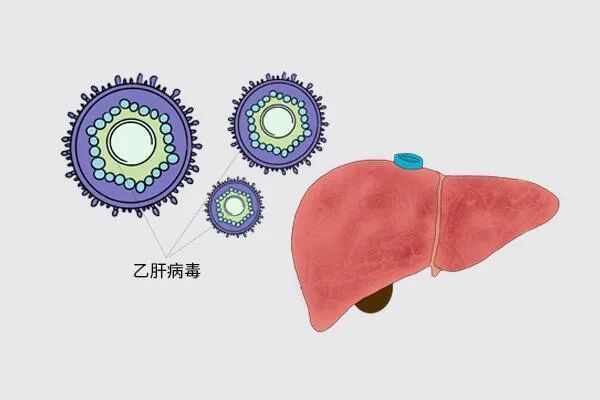
Astro Boy: I agree. mRNA COVID-19 vaccines work mainly in the cytoplasm rather than entering the nucleus; the central dogma is not a transport rule forbidding every kind of RNA from the nucleus, so cannot merge with our genetic material.
Once their task is complete, cells degrade them. They therefore should neither change our genetic material nor be inherited by the next generation, such as a future child.
Can mRNA vaccines cause myocarditis or affect fertility?
EM: any vaccine concerned with immune-related disease may have adverse effects.
Vaccines can have adverse effects, with risks depending on the product, age, medical history, and other factors. A vague “immune level” cannot determine when to vaccinate, and autoimmune disease is not simply a high antibody concentration. Rare myocarditis or pericarditis can occur after mRNA COVID-19 vaccination; contraindications and precautions should be assessed through guidance and professional evaluation.
Without vaccination, however, you might face attacks from both your immune system and the virus. Personally, I suggest weighing that and think vaccines certainly have advantages.
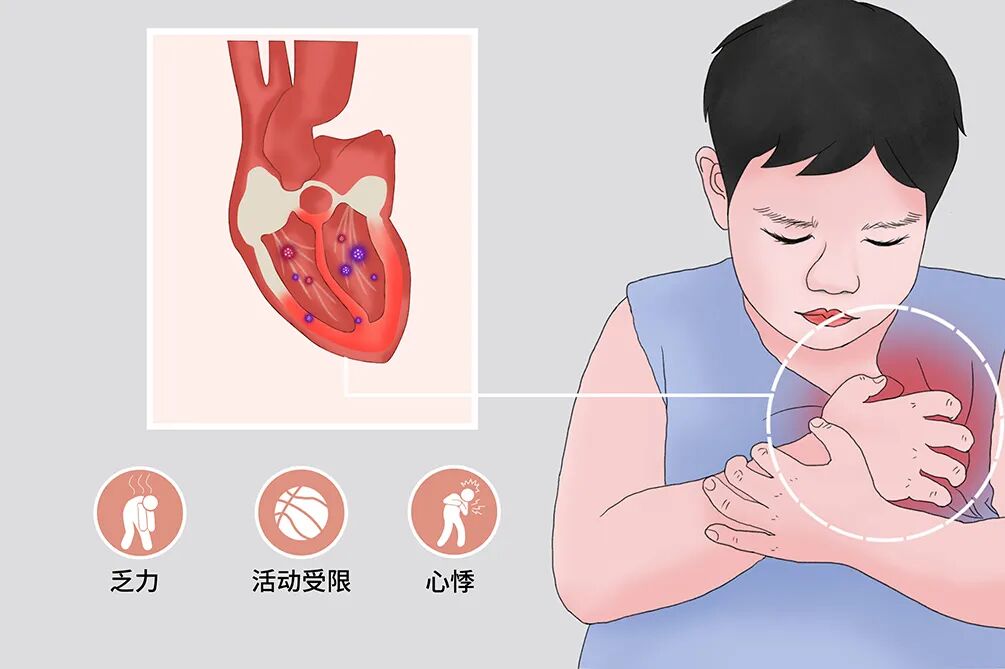
Eureka: I have noticed adverse-effect reports, but no vaccine is perfectly free of side effects, just as no medicine is.
Our best suggestion is therefore to consider applicable guidance, age, health, previous vaccination, and contraindications rather than immediately using any available vaccine. Statistically, population benefits can be substantial, but specific benefit–risk assessments vary by group and product.
Astro Boy: I basically agree. Vaccines are introduced from outside the body and can have adverse effects, but in the present situation the benefits may outweigh the harms.
Fertility content check: Canadian public-health information reports no evidence that COVID-19 vaccines cause fertility problems in women or men. Vaccination during pregnancy and breastfeeding should follow applicable guidance and individual circumstances; this differs from saying that every adverse-effect risk is zero.
Future directions in vaccine development
EM: tumors are somewhat like viruses in that microenvironments and tumor cells differ substantially between individuals. BioNTech has a separate pipeline involving taking and sequencing a patient’s tumor cells, turning specific features—perhaps six to eight—into mRNA, then delivering the designed mRNA to investigate an antitumor immune response; six to eight is the manuscript’s example, not a universal protocol or an established or approved treatment.
Viruses are more complicated because we cannot predict how they will mutate. The main problem now is adverse effects.
Vaccine immune responses depend on encoded antigens, RNA design, delivery carriers, dose, recipients, and other factors. LNP means lipid nanoparticles; lipid materials can affect delivery and immune stimulation, but all cellular or humoral immunity cannot be attributed to LNPs, nor can a single cationic lipid determine every immune response and protein-expression level.
That is a main research goal. Phase 1 mRNA-vaccine data show the manuscript mentioned over 80–90% having reactions without a specific trial or event definition. Common temporary injection-site pain or fever should not be equated with severe toxicity or used alone to rank every other platform. Reducing adverse effects is therefore the main issue to solve.
Astro Boy: I also work on some anticancer-drug development and am optimistic about future cancer vaccines. Broadly, one type treats cancer and another prevents it. Further progress could bring great hope for cancer treatment, which is something I look forward to.

Existing clinical data show clear advantages in manufacturing and updating mRNA COVID-19 vaccines, but product-specific adverse effects and rare risks require monitoring; it is too broad to claim greater severe toxicity for all mRNA vaccines than traditional platforms. We must view the technology critically and believe that scientists and entrepreneurs working together can make it valuable in future pandemic control.
Contributors: EM, Eureka, Astro Boy
Text editors: Calorie, Eureka
Audio editor: Honey Peach Oolong
Interview: Fantuan, Calorie
Audio recording: Honey Peach Oolong
This article expresses the author’s personal views and does not represent those of this website. Images were sourced online; please contact us regarding any infringement.
Additional sources checked
Canadian Immunization Guide: COVID-19 vaccines
Public Health Agency of Canada: Pregnancy, breastfeeding, and fertility evidence
Health Canada: COVID-19 vaccine safety and adverse effects
Health Canada: mRNA vaccine mechanisms
US Food and Drug Administration: Emergency authorization and evidence requirements
World Health Organization and medicines regulators: Vaccine review and safety
Public Health Agency of Canada: Temporal association and causality after vaccination
US Food and Drug Administration: Therapeutic cancer-vaccine clinical research
Nobel Prize scientific background: mRNA and immune responses
Sources and editorial history
Restored from a complete historical article exported from the PhDSciNet Official Account.
Editorial revision: The historical interview and research outlook are retained. Corrections cover “immune levels” and autoimmune causation, emergency authorization, DNA and risk, variant research, and comparisons of adverse effects, with fertility evidence and rare myocarditis acknowledged. All original paragraphs and translations are retained privately; no specific current vaccination schedule is provided.