
Historical interview: the following preserves the research experiences and personal views expressed in the original manuscript.
In 2020, COVID-19 spread worldwide and humanity urgently entered a battle against the pandemic. Vaccines brought hope for controlling the pandemic. The manuscript recorded roughly 250 candidates and nearly ten authorizations at that time; these are historical descriptions, not current counts or a claim that vaccination alone ends transmission. What technical challenges does development involve, and what should people consider when being vaccinated?
In this installment, let us discuss a few things about COVID-19 vaccines.
The coronavirus
Why is this coronavirus so serious that a few cases can trigger collective isolation and everyone needs vaccination?
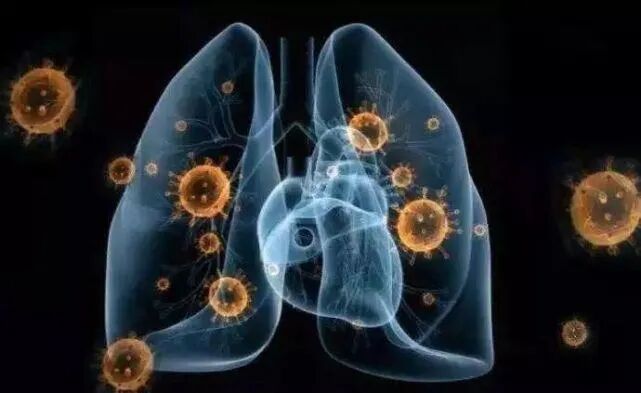
EM: SARS-CoV-2 differs from the virus responsible for SARS in 2002–2003, although both are coronaviruses. Early experience with viruses such as SARS in 2002–2003 and MERS first reported in 2012 made people concerned about their mortality. When a new virus appears, many things are unknown, so precautionary measures such as isolation may be taken. There was no vaccine initially, so collective isolation to control cross-infection was used to suppress the epidemic.
Isolation is now mainly needed because variants have appeared with very high transmissibility and viral loads. Neutralizing antibodies in vaccinated people have also fallen, because antibodies have a half-life, but roughly seventy days cannot be treated as a fixed half-life for everyone. As they decline, even if you feel normal, you can carry the virus. If people around you are unvaccinated, even if you have no symptoms, antibodies do not guarantee you cannot become ill, you can transmit it to unvaccinated people or those with very low antibody levels. Preventive measures are therefore still needed in China.
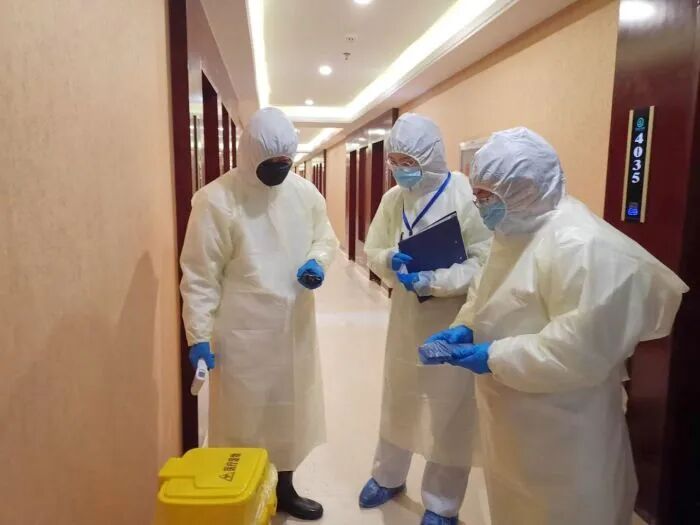
Astro Boy: China has a very large population and this virus is highly transmissible. Given how closely people interact in China, isolation seems quite necessary.
What COVID-19 vaccine technologies are available?
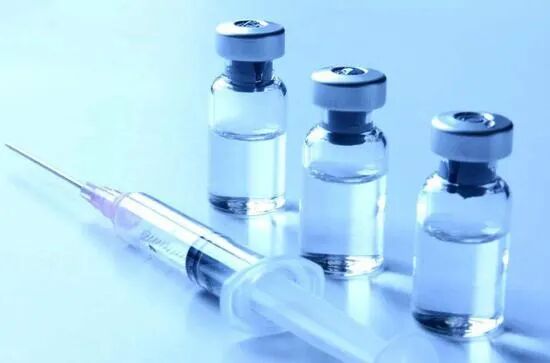
EM: broadly, vaccines include virus-based inactivated, attenuated, and vector vaccines, recombinant protein vaccines, and vaccines using adjuvants, such as marketed hepatitis B vaccines. DNA- and RNA-based approaches are relatively new. BioNTech and Moderna use that technology, as do companies in China such as Abogen Biosciences.
The principles are broadly similar: they require expression of specific antigens on the virus surface. The coronavirus spike protein can serve as an antigen, delivered through different technologies. RNA vaccines use RNA to express protein. Attenuated and inactivated viruses still carry surface antigens. Recombinant protein vaccines supply prepared antigen protein; delivery of genetic instructions for spike by a viral vector is the viral-vector approach. The general principle is stimulating cellular and humoral immunity, including neutralizing-antibody responses, rather than a fixed sequence shared by every platform.
Eureka: at the beginning of the outbreak, China identified five technical routes: inactivated vaccines, adenoviral vectors, nucleic-acid vaccines, recombinant protein vaccines, and attenuated influenza-virus vectors.
For the earlier approaches, particularly inactivated vaccines, China developed them quickly and had undertaken large-scale vaccination; this does not mean every person had completed vaccination. Their familiar advantages include simplicity, speed, and relatively high safety. Inactivated vaccines are therefore a common international approach to traditional sudden acute diseases.
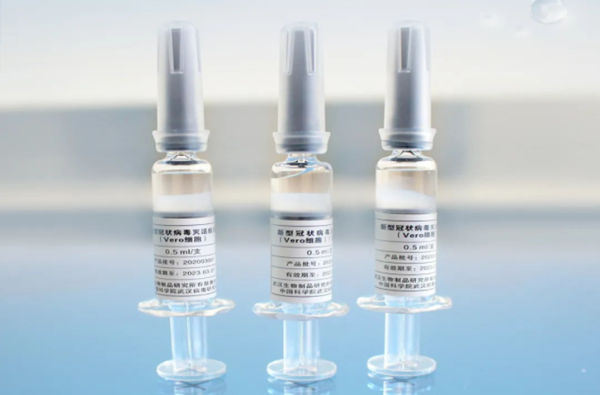
China also has adenoviral-vector vaccines, such as the one developed jointly by Academician Chen Wei and CanSino Biologics. A modified adenovirus acts as a shell carrying the coronavirus S-protein gene into the body. Safety and effectiveness depend on the specific product, study population, and outcome; they cannot be ranked uniformly from the platform alone.
Nucleic-acid vaccines are a currently popular new concept and biotechnology representing a future direction, including mRNA and DNA vaccines. mRNA is the more widely used, especially in the United States and Europe, by companies such as Moderna and BioNTech. Simply put, production does not require making viral proteins or using the virus itself: mRNA encoding the S protein is placed in the vaccine and delivered into the body. A disadvantage was the lack of previously successful vaccine precedents, but fortunately humanity’s first large-scale rollout of mRNA vaccines achieved great success. It was a matter of timing and opportunity for the technology. Other disadvantages may include demanding manufacturing requirements, high costs, and difficult cold-chain transport, limiting access in many developing or less-developed countries at the time.
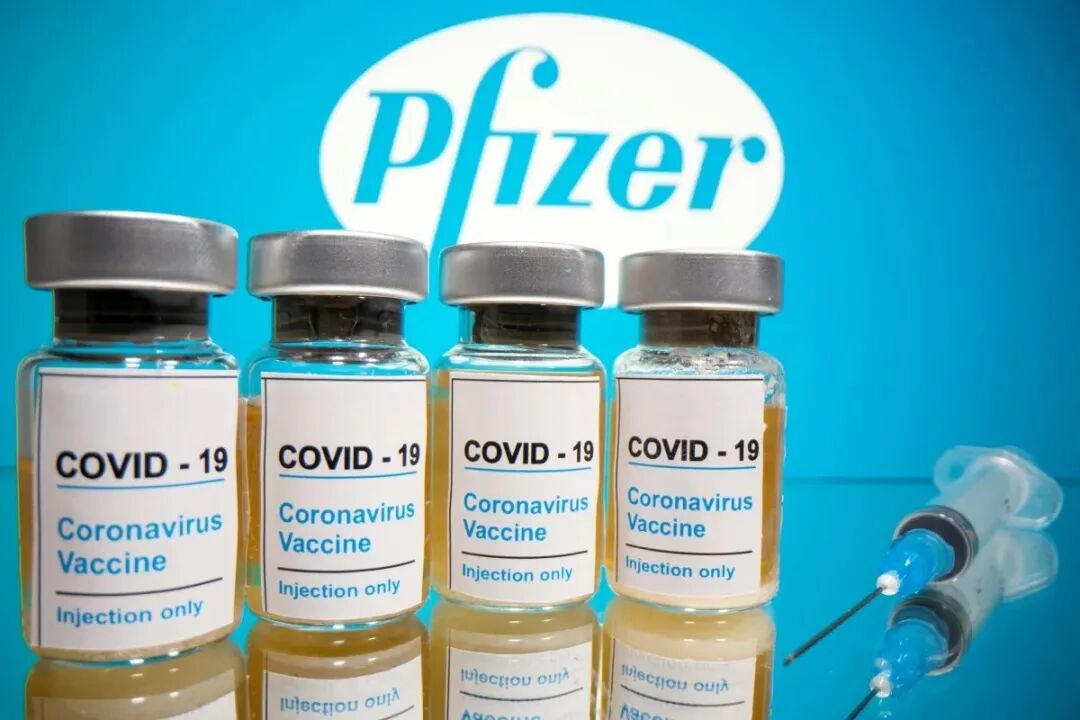
Recombinant protein vaccines are another route China is focusing on. They do not introduce viral genetic material into the body, and do not work by changing human DNA; mRNA COVID-19 vaccines do not change human DNA either. Simply put, they teach the immune system about a key viral part, the S protein, allowing recognition. The approach permits scaled production, while safety and protection require clinical evidence. Such vaccines have begun clinical trials in China and, we hope, will soon become available.
The final route is an attenuated influenza-virus-vector approach, potentially achieving two aims: delivering coronavirus S-protein information through an attenuated influenza-virus vector. It carries two antigens, influenza and coronavirus, but using an influenza-virus vector does not automatically establish protection against both influenza and COVID-19; dual protection requires specific clinical evidence. This is also a route being promoted abroad.
Why were COVID-19 vaccines developed and authorized so quickly?
EM: perhaps because this was a global virus with such high early transmission and mortality, a matter of life and death. The urgency accelerated investment and review, but emergency-use authorization differs from orphan-drug provisions; having no treatment does not automatically simplify evidence requirements for a new vaccine.
Eureka: yes. Given how rapidly coronavirus spread, China, Europe, and the United States essentially adopted emergency-use authorizations for vaccines and medicines. Emergency-use authorization still requires assessment of quality, safety, effectiveness, and benefits versus risks; it does not mean release without review.
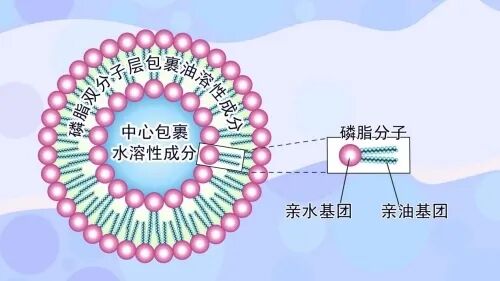
Astro Boy: we already had almost everything in place. mRNA vaccines are relatively simple, involving mRNA and a carrier. A liposomal nanomedicine was authorized in 1995, so the development technology was relatively mature. Moderna’s COVID-19 vaccine uses lipid nanoparticles (LNPs), which should not simply be equated with conventional liposomes. There was technological experience with carriers and extensive understanding of the central dogma. Developing the mRNA for the vaccine’s S-protein gene was therefore relatively quick. Manufacturing was also not that complex, so these factors shortened development.
Why did WHO set a 50% threshold for COVID-19 vaccines?
EM: evaluation must specify the product, study population, and clinical outcome. WHO’s 2020 target product profile included an efficacy point estimate of approximately 50% within the minimum acceptable profile: a relative effect compared with a control on the selected endpoint, such as disease, severe disease, or transmission, not simply neutralizing-antibody concentration or a guarantee that exactly half of recipients are protected. Individual variation and statistical uncertainty also matter.
Why can vaccinated people still become infected?
EM: several factors may contribute. First, the platform and individual factors influence the immune response and eventual neutralizing-antibody level. Age, underlying health, prior infection, and vaccination history all affect immunity; previous infection does not universally mean a weaker response.
Second, time since vaccination matters. Antibody levels change over time, and studies may observe declines, but the manuscript’s seventy-to-eighty-day figure is neither a fixed antibody half-life for everyone nor the half-life of vaccine mRNA. After doing its work, vaccine mRNA is broken down and cleared by cells. Antibodies and immune memory are different concepts, and variation between populations is considerable.
If the viral load you carry or encounter is high, a positive respiratory sample from the nose or throat does not by itself establish an antibody concentration or whether infectious live virus is present. You may have no symptoms but carry it. Vaccination therefore cannot guarantee you are noninfectious. This is why after two doses you may test positive or become ill again; the outcomes involve immune responses, variants, exposure, and testing, rather than antibody concentration alone.
Another factor is whether the virus has mutated. If so, your existing neutralizing antibodies may act less effectively against its antigens. Those may be the two main aspects.
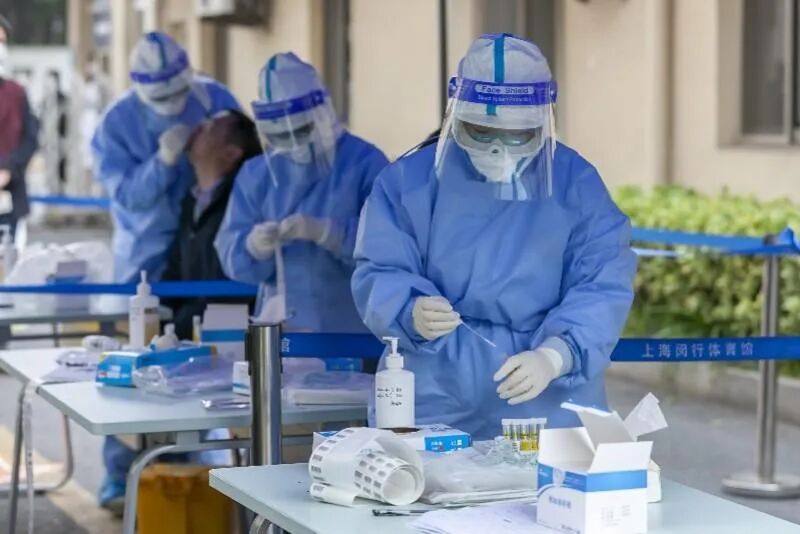
Have you received a COVID-19 vaccine?
What fundamentally differs between one-, two-, and three-dose vaccines?
EM: one-, two-, or three-dose schedules depend on the product’s clinical data, authorization, and target population, not antibody levels alone. The manuscript recalled “over 98% after one dose” without a product or endpoint, so it cannot describe all single-dose vaccines or establish that fewer doses are always better. Dose studies balance immune responses and adverse effects, but schedules must be based on authorized evidence and applicable guidance.
A third dose is discussed in relation to variants and changes in immune protection. If antibodies fall, you may carry the virus and test positive. Even with antibodies, illness remains possible, but they cannot clear all the virus you inhale or carry in the lungs. A third dose therefore raises antibodies and may strengthen protection, but does not guarantee prevention of infection or transmission; the third-dose discussion reflects its historical setting, not a universal current schedule.
Cross-infection is a main issue. With a high viral load that you cannot fully clear, you can carry and transmit virus to others. If they are unvaccinated and have no neutralizing antibodies, they can become infected directly. Vaccination coverage therefore needs to rise, the manuscript’s “over 80%” is a historical goal, not a fixed herd-immunity threshold valid for every variant and setting.
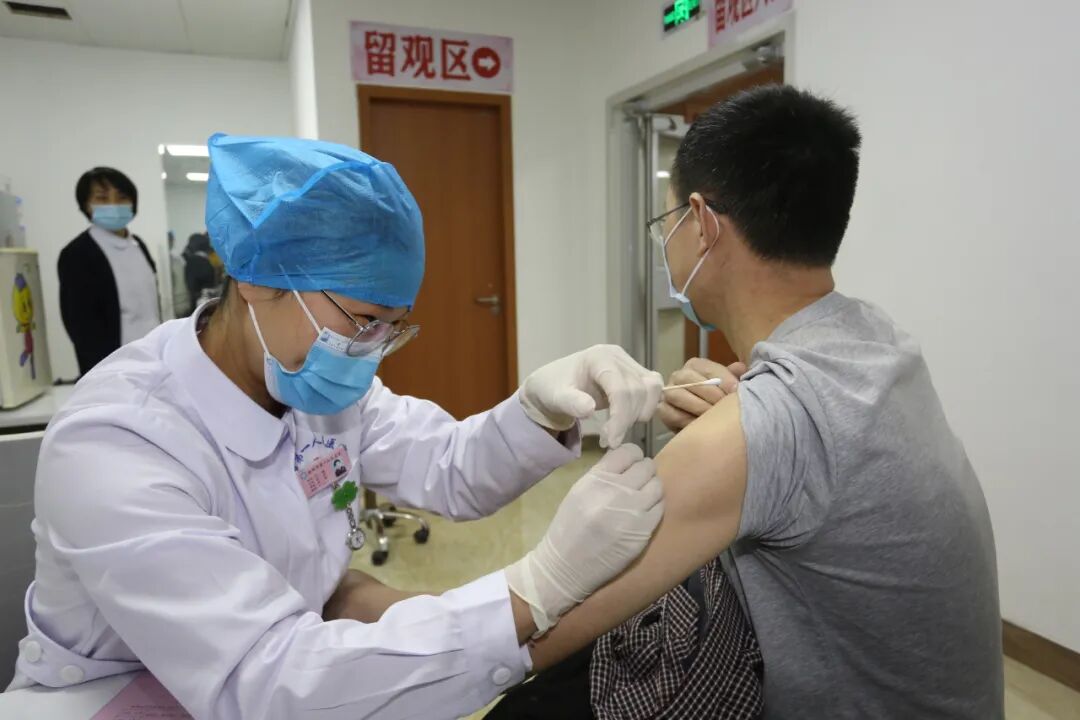
Mixing vaccine products
Astro Boy: spacing is the main issue in mixing vaccines. Children receive different vaccines at intervals, which can also be considered a kind of mixing. I received two inactivated doses in China and another Pfizer dose in Canada. My vaccine passport differs: inactivated for doses one and two, Pfizer for dose three.
Vaccination experience note: children receiving vaccines against different diseases differs from using different manufacturers or platforms for one disease. The personal experience below is retained historically, rather than as a current mixed-vaccination guide.
At the time, staff actually said that after two doses I should not receive another; if I insisted, responsibility would be mine. They thought there could be vaccine conflicts. Perhaps mRNA vaccines still had uncertainties and were not deeply understood, so mixing could involve unknown risks. But I think that with sufficient spacing, antibody levels will already be low. As with children receiving various vaccines, that personal analogy cannot guarantee the safety or effectiveness of mixed vaccination, and an “approximately right” interval is not enough to arrange it independently; specific products and schedules require applicable guidance and professional assessment.

Throughout history, vaccine development has been long and difficult. Building on prior research and enormous investment, COVID-19 vaccines gained early authorizations in roughly a year, demonstrating rapid organization of development and review. Their arrival brought hope for overcoming the pandemic and demonstrated extraordinary human ingenuity in disaster. We hope more safe and effective vaccines will be authorized and the pandemic will soon end.
Contributors: EM, Eureka, Astro Boy
Text editor: Fantuan
Audio editor: Honey Peach Oolong
Interview: Fantuan, Calorie
Audio recording: Honey Peach Oolong
This article expresses the author’s personal views and does not represent those of this website. Images were sourced online; please contact us regarding any infringement.
Additional sources checked
World Health Organization: COVID-19 vaccine questions and answers
World Health Organization: Vaccine platforms and antigens
World Health Organization: COVID-19 vaccine target product profile (2020)
World Health Organization: MERS overview
Health Canada: mRNA COVID-19 vaccines
Public Health Agency of Canada: mRNA vaccine explanation (2021)
US Food and Drug Administration: Emergency-use authorization for vaccines
Canadian Immunization Guide: COVID-19 vaccines
US Food and Drug Administration: DOXIL historical approval information
Sources and editorial history
Restored from a complete historical article exported from the PhDSciNet Official Account.
Editorial revision: The early-pandemic interview and vaccination experiences are retained. Necessary corrections cover virus identification, vaccine platforms, mRNA versus antibodies, efficacy measures, and guarantees about safety or vaccination. Every original paragraph and its original translation are retained in private source records. This article provides no current dose-count or interval schedule.