Historical interview: the following preserves the research experiences and personal views expressed in the original manuscript.
A doctorate can seem to bring endless experiments, group meetings, manuscript revisions, and repeated moments of feeling overwhelmed. Looking back at its gains and losses, have you ever felt regret? How do you adjust and begin again when emotions and morale fall apart? The doctoral road is long: take care as you travel it.
How a PhD changes you
Have you compared photographs from before and after your doctorate? Did you notice any differences?
Eureka: I actually have compared them. Of course, aging changes your appearance, and I do look somewhat older. Fortunately, I do not seem to have genes for hair loss, so I have kept my hair, which is good. I do not particularly worry about my looks. The biggest change, I think, is my mindset.
When I first started, I was inexperienced and my mood fluctuated greatly. In the first year, if my supervisor treated me well, I was delighted and even enjoyed meals more. If the next day they disliked my data and looked displeased, I thought, “What am I going to do? My supervisor does not like me anymore.” I worried about things like that.
Later, as knowledge and experience grew, I viewed things differently. I would think the data were simply what they should be. If something could not be achieved, perhaps it was never something that could work. My confidence and calmness reached another level. Now I am much less emotionally affected by the data.
Before the doctorate I probably looked youthful, energetic, and a little immature. Afterward I was much more settled. Three to five years of intensive training made my demeanor steadier; there really was a difference.

Six Wings: purely in appearance, my hairline has receded a little. Who gets through a PhD without feeling overwhelmed a couple of times?
That seems normal, so the main changes afterward are internal. First, I am less easily swayed by other people’s views. My outlook and values are more mature, perhaps as part of growing up. I really consider causes and consequences and look at the whole picture.
I am also more confident in doing things. I used to wonder whether my abilities were limited or I could succeed; later I developed a sense that there was nothing I could not tackle. Perhaps that relates to frequently teaching myself things during the PhD.

Half Past Seven: my hairline was already high, and fortunately has not risen further. I have noticed that men around me have much bigger bellies after their doctorates, but perhaps there is no causal relationship, or even a strong correlation; older men may simply have larger bellies. Emotional control is certainly much better. People mentioned setbacks and worrying over gains and losses, so taking initiative and managing emotions are stronger than before. I have not noticed other changes yet.

Eureka: I must defend myself on the bigger belly point, although mine undeniably has grown. I think physiology plays a part. Most people’s habits are not very healthy, and sustained, intensely disciplined exercise is hard. Eating is fairly relaxed, food in China is good, and after graduation industry work brings social obligations: gatherings with mentors and colleagues, drinking and eating meat all the time. Weight comes on easily. At university, meals were not that high in calories, expenditure was greater, and we were younger.

What did you gain and lose through your doctorate? Do you think the energy spent on those gains and losses balances out?
Fantuan: for example, I had a paper whose final revision deadline was only ten days. Those ten days were overwhelming because I had to address four reviewers’ comments. Every day had to be tightly scheduled, with almost no rest. The paper was eventually accepted, but I felt the energy it consumed was out of proportion to the joy of publication, so I was not particularly happy even when it was accepted.
We also experience many failures during the PhD and experiments. Does their emotional impact consume more than the joy of an experiment finally succeeding?
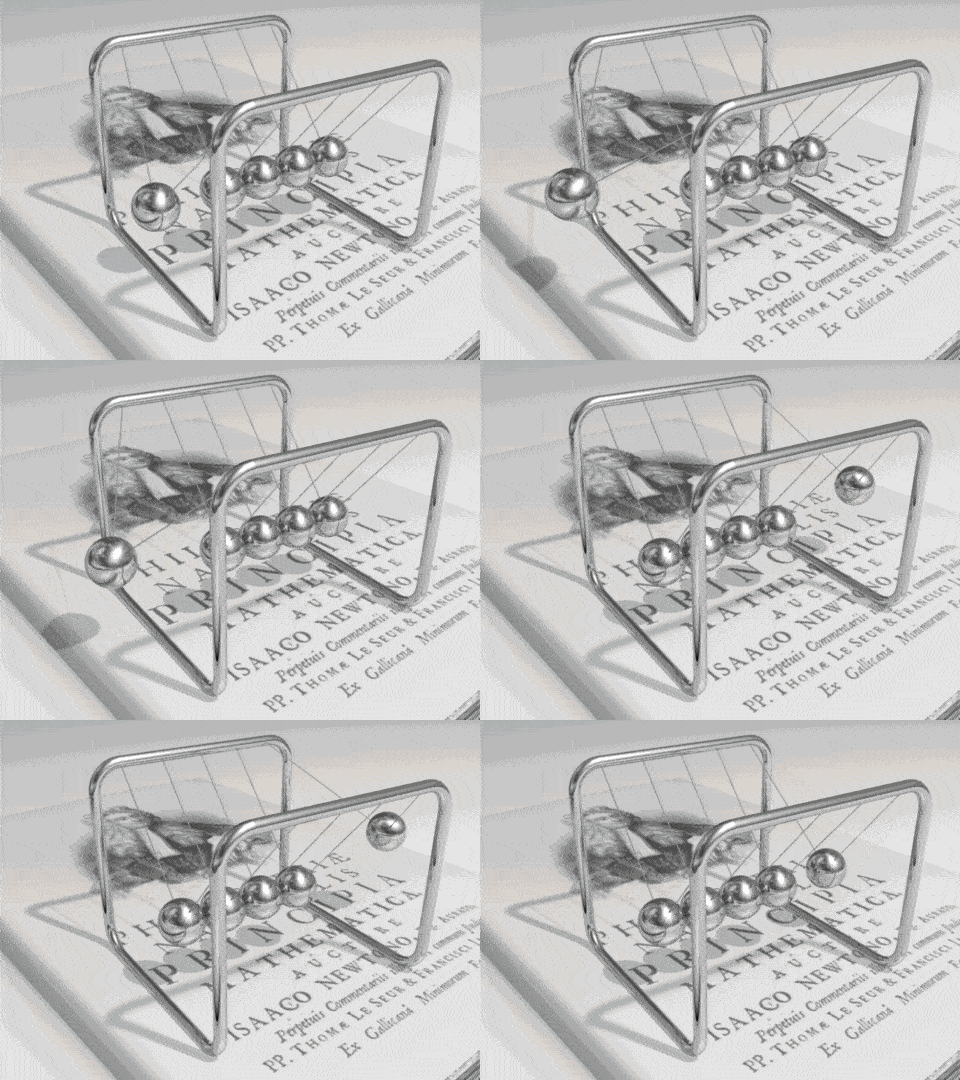
Eureka: perhaps you share this feeling: the happiest moment is not paper acceptance, but the instant an experiment succeeds. That is probably the peak of happiness. It finally worked! Many wonderful possibilities appear at once: this could produce a great paper; with this done, graduation is secure; I might become famous, a star. Have you felt that?
That happiest moment is usually the beginning. The emotional high then fades because you start preparing the manuscript and find more data to collect. During submission, reviewers ask difficult, awkward questions.
You initially submit to a very high-level journal and get rejected repeatedly until reaching a fairly ordinary one. Your feelings are then very mixed. I have experienced that with a COVID-detection paper: we started with an excellent journal and kept being rejected. It is now at what I consider an ordinary journal and may soon be accepted, but I doubt I will feel that much joy then.
But I think there is a problem with saying your effort and psychological reward are disproportionate. If you count the time invested, the happiness should not be measured only at acceptance. Every positive response during the experiments is also psychological satisfaction.
When an experimental result matches your expected design, that happiness counts toward the return on your effort. Adding those moments, I think the psychological pleasure often exceeds the effort. Even if my paper ultimately lands in an ordinary journal, nothing else quite compares with the joy when the experiment first worked, and that already felt deeply satisfying.

Six Wings: it may depend on the person. I rarely feel particularly happy, even after publishing or graduating. It is mostly relief, like finally seeing the sky after clouds part: I have finished. But an explosive thrill? Not really, perhaps only when experiments succeed.
Anxiety is more common for me, but I feel it becomes an internal energy rather than happiness. It accumulates as inner strength. When similar anxiety returns, how should I deal with it? Can I face it more calmly? That is how it works for me.

Fantuan: I am quite similar. After my defense, I felt the task was done, with no particular joy, just relief that it was finished and the pressure was gone.
But I have only just graduated and still feel caught in the intense state of thesis writing and defense preparation. Mentally I have not relaxed. Perhaps I am more discouraged than you two because I have not stepped out of it and still feel a great deal of internal strain. What do you think of my situation?
Eureka: one idea is to find another project and do it again; once it goes well you may feel good. It is like a childhood snack you never got to eat: eating more later may still not satisfy that feeling inside.
Everyone experiences this. You have high hopes for research, but ultimately it is not accepted by the best journal or does not produce a completely positive outcome. Sometimes nothing can be done. Look further ahead. Your doctoral project may have been your only project, but later, in industry, a company, or life, you will have countless projects much bigger than it.
There is a line in The Three-Body Problem: the universe is vast, but life is greater.
Six Wings: after my defense, I remember posting something on Weibo along the lines of “the long road has reached its end.” That truly was my feeling: a long period had passed and I had completed something very important.
Looking back and at the present brought waves of feeling. I looked through many old photos, remembered former classmates, and prepared for a new life, since my postdoctoral position was basically settled. I think this is a good time to visit relatives and friends and see mountains and rivers. Before beginning a new journey, I often review what came before.
What can you do about difficulties during a PhD?
What do you find most tormenting during your doctorate?
Eureka: this may sound like a humblebrag, but perhaps the most tormenting thing is that my supervisor is lazier than I am. I often push them rather than the other way around, not only during my PhD but in several subsequent postdoctoral positions. I work harder than my supervisors. When I have results to discuss, they have no time; group meetings are repeatedly postponed because they have deadlines, travel, or holidays. New experimental data pile up without discussion or publication. What frustrates me is that I have finished the work but cannot find my supervisor when I need them.
I cannot simply write and submit the paper alone; I must wait for my supervisor to decide. That is tormenting. Otherwise, my emotional management is fairly good and my daily life is reasonably full, so the other things do not trouble me as much.
I had already decided to finish the PhD and was interested in research. My anxieties may differ from other people’s: I feel my supervisor does not push as hard as I do.
Six Wings: what torments me most is that two instruments never work properly. One constantly breaks; the other has components I added myself and never produces good data. It is terribly frustrating. Every day I almost want to pray for the machines to work.
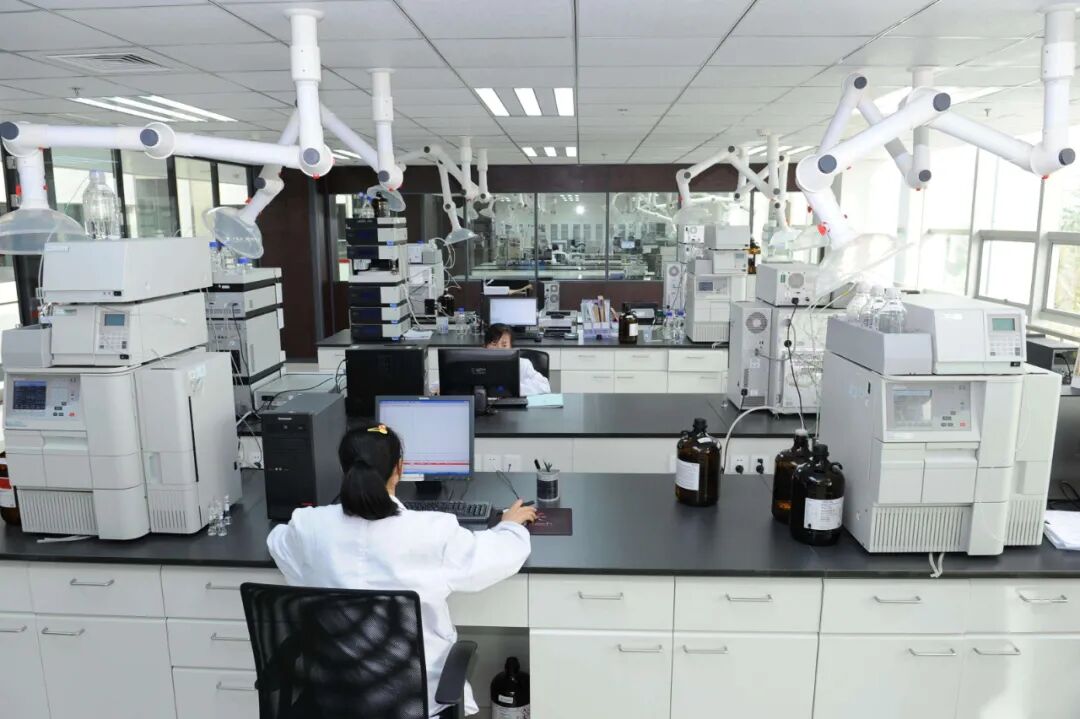
How do we adjust our mindset when facing failure or disappointment during a PhD?
Eureka: failure is incredibly routine in research—not merely eight or nine times out of ten; perhaps over 90%, even 95%, ends in failure.
I feel I have adjusted my mindset fairly well. I look further ahead and tell myself this small failure does not determine my future. Rejected submissions are unpleasant, but I think we can make the next one better. I have always thought that way.
There is a long road ahead. I understand that early doctoral students want to perfect a project. Once they understand it deeply, they may realize the topic is not at the very top: even at 100%, it might not suit a leading journal. Sometimes the supervisor provides less care and guidance than hoped, the experimental plan goes poorly, materials run out, or tomorrow the machine breaks again. But think about this: similar situations might arise in life or work even if you were not doing a PhD. What would you do then?
Restart your life, abandon the job, and begin something else? I do not think that is realistic. The best approach to failure is accepting it calmly and considering whether you can avoid it next time. If so, be glad you have ruled out a potential risk. If the failure is persistent and recurs, perhaps work around it and try another route.
Do not keep magnifying the causes of failure. Small setbacks often affect people because their range of experiences is limited and experiments occupy too much of life. Broaden it: exercise more, make friends, read other kinds of books. A minor experimental failure may then have less influence over your entire outlook on life.
Fantuan: so you think we need clear self-understanding, perhaps even some acceptance of fate—what is meant to be will be?
Eureka: not resignation; seeing clearly. Some people feel great disappointment because they were too confident or their initial expectations too high, sometimes reflecting an unclear view of themselves.
I have seen many undergraduates or beginning master’s students think their project is the best in the world. That is normal when first encountering research. Looking back ten years later, however, I might realize the original topic was not particularly outstanding. Not producing a top result is then perfectly normal.
Fantuan: the advice, then, is to broaden your outlook: life is more than its immediate difficulties; there is also poetry and a wider world.

Six Wings: something affected me greatly early in my doctorate. I had to give a presentation but had seriously insufficient data. Naively, I went to my supervisor and asked what to do. The response was, “This is your task. This is what you need to think about.”
I had always lived with someone providing a safety net. Even as an adult at university or in the first or second master’s year, I felt a teacher or classmate could help. But when you are pushing your doctoral project forward, nobody else provides that safety net—you do. If you encounter difficulties, think of them as your responsibility. I later thought: it is mine to complete; if I cannot, that is my problem, and I cannot expect someone else to cover for me.
I therefore worked out ways to overcome it. Those two or three weeks working on the data were painful: each measurement took a long time and required an instrument. Our university had three instruments, so I booked all three and ran them continuously for two weeks, just managing to finish. Afterward something shifted psychologically: sometimes you must shoulder responsibility. When difficulties arise, however hard they are, you must resolve them yourself.
Later I began practicing writing, which felt remarkable. I took up Chinese calligraphy in the United States, and my thoughts and temperament gradually became steadier.

Fantuan: one point you made is particularly good. Many people mistakenly place responsibility for their doctorate on their supervisor rather than themselves, perhaps because their mindset has not yet changed.
Six Wings: exactly—have you truly become independent? At least in the final two years you are basically doing the project independently. Your supervisor will no longer hand everything to you; ultimately they are an adviser. By graduation you should know more about your topic than they do. Sometimes that change of mindset is necessary.
Half Past Seven: if a PhD is the only thing in your life, anxiety is inevitable. People generally spend at least five years on it. Without other dimensions of life during those years, your emotional state is strongly affected. Life is greater; I suggest drawing on other areas, such as healthy intimate relationships, to replenish emotional energy.
I also agree that experiments and data collection can seem beautiful when remembered afterward. My feeling is that the greater the anxiety and struggle beforehand, the greater the psychological reward if the work finally succeeds.
You have effectively lowered your average everyday emotional baseline, so positive feedback can be substantial. Sometimes anxiety and eventual happiness are proportional, making the process very enjoyable.
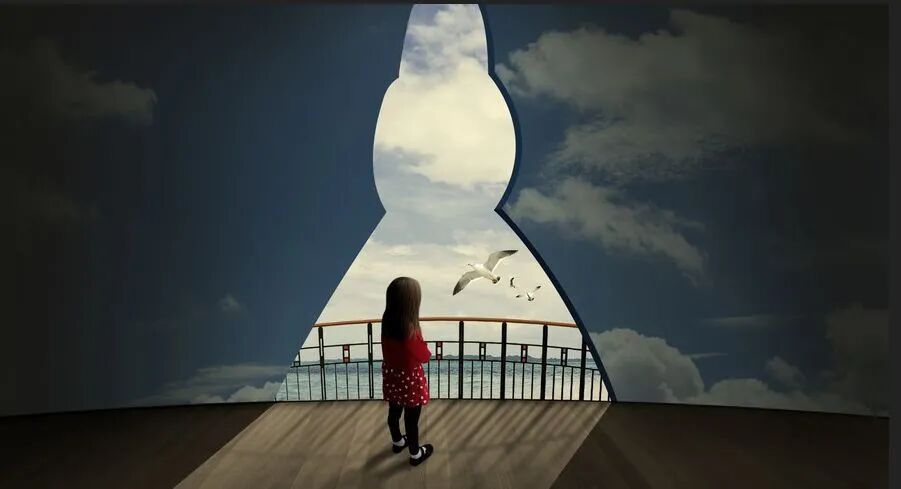
The universe is vast, but life is greater
What can you do when you feel emotionally overwhelmed during a PhD?
Eureka: as we said, if difficulties exist and you know they cannot be avoided, you can only accept them as part of life.
Either find a way not to engage with them, or look further ahead and broaden your outlook. A small failure does not mean the whole project fails; there are usually alternatives, right?
For 99% of research topics, I do not believe no alternative to the existing technique can be found to complete the project. I think an alternative must exist. It need not be a detour; perhaps you discover a better method that makes the paper stronger. That is very common.
Another way to reassure yourself is recognizing that more advanced and challenging projects have a higher chance of failure. You are taking the hardest road, so that is normal. If you succeed once, the return can be incomparable, even tenfold or a hundredfold. That is a small approach I can share.

Six Wings: for an objective difficulty that must be faced, there is a popular saying: do not fear difficulties; face them bravely.
If it is genuinely an objective problem, you have to tackle it. Perhaps the instrument was not made for your topic and you must modify it to fit the project. Face that directly: it is part of your doctorate and your work, and how your abilities develop.
Some difficulties cannot be resolved; you can only adapt and accept them, such as getting older. I spent a long time on my doctorate and aged. What can I do about that? I can only accept it. My former roommate is older than I am and is doing well: a faculty position in Shanghai, married without children yet, and a house and car already secured—a high point in life. Find ways to overcome what can be overcome, especially objective obstacles; for subjective difficulties, learn to coexist with and accept them. Eventually a rainbow can appear after the storm.
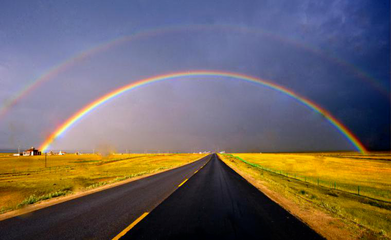
Fantuan: everyone has made good points. If we cannot take a straight road, we can try an indirect route. If that fails, change perspective and ask whether we must reach that particular destination. Our advice to younger people is to maintain a better outlook, accept reality, and still not give up on life.

Six Wings: one thing I want to say is that feeling overwhelmed a few times during a doctorate is normal. Who never does? A doctorate without such moments would not be a complete doctorate; a couple of breakdowns are normal.
Mental-health content check: “breakdown” is the participants’ everyday description of stress, not a diagnosis or a required feature of doctoral study. If distress persists, worsens, or affects everyday functioning, seek support from a medical or mental-health professional. Adjusting one’s outlook does not replace necessary professional support.
A few suggestions for those preparing for a doctorate
Eureka: on who suits a PhD, the first issue is money. I have seen posts saying children from poor families should not do research or pursue a doctorate. I disagree. Particularly in China, if you are poorer, I actually suggest continuing upward through a doctorate, though a postdoc is not necessarily needed.
In China’s job environment, pay rises markedly between bachelor’s, master’s, and doctoral levels. After a doctorate, your starting pay will certainly exceed that of classmates who entered employment after a bachelor’s or master’s. You might say that during those doctoral years your master’s classmates earned much more than your stipend and became managers, but I think that gap can be made up quickly when you enter a company after doctoral graduation.
After putting financial worries aside, examine whether you have unwavering curiosity and drive for research. If so, I think those people are exceptional. Give them a supervisor—or perhaps just a research group and equipment—and they will investigate independently. They are very well suited to research. If you encounter people like that, please encourage them to pursue a PhD.
Many others could either study or work: perhaps their parents arranged a stable public-sector post in their hometown. With several comparable choices, they may feel conflicted. Ask what you hope to gain from the doctorate. If it is a credential, how important is that credential to you? If very important, pursue it. If your life would be little different without a doctorate, perhaps it is unnecessary.
Some people should definitely be discouraged, I think: those pushed into a doctorate by others. Their parents make them take the entrance examination, or everyone around them applied for a PhD so they applied too and stopped job hunting. People simply following the crowd may not be particularly suited to it.
For a doctorate, I think your own internal driving force should account for more than 50%; only then would I recommend pursuing it.
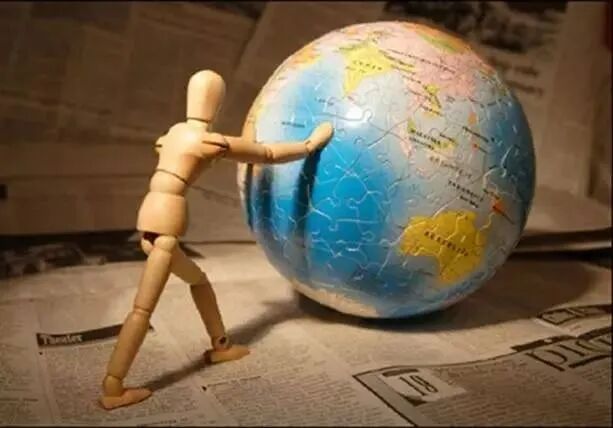
Six Wings: when deciding whether to pursue a doctorate, try to set aside purely instrumental motives before considering it.
If you consider only whether you will earn money afterward, that depends greatly on the individual, not simply a PhD degree. Making money does not necessarily require strong research or thinking skills; someone may simply be socially adept and good at relationships. They may need neither a doctorate nor a substantial degree, perhaps only high school.
I see a doctorate as a distinctive life experience that may not be measurable in money. As the sayings go, knowledge is power, and books contain riches and beauty. It is a very valuable experience, whose worth may not depend on how much you earn. If you strongly desire that life, I think you should pursue it.
That kind of person may suit a PhD. But choosing it solely for supposedly better financial prospects may not be a good decision.

Someone online once joked that preparing for a doctorate means preparing to walk a “road of trials.” It is indeed a difficult journey, sometimes solitary, long, and lonely. Years later, looking back on this valuable experience, you may thank the self who crossed its obstacles. Keep going: may everyone enduring doctoral trials ultimately reach their goal!
Contributors: Eureka, Six Wings, Half Past Seven
Text editor: Fantuan
Audio editor: Honey Peach Oolong
Interview: Fantuan
Audio recording: Honey Peach Oolong
This article expresses the author’s personal views and does not represent those of this website. Images were sourced online; please contact us regarding any infringement.
Additional sources checked
US National Institute of Mental Health: When mental-health help may be needed
Sources and editorial history
Restored from a complete historical article exported from the PhDSciNet Official Account.
Editorial revision: The historical experiences and differing views are retained. The discussion of psychological pressure includes a note on professional support. Statements about pay, suitability for a PhD, and experimental success rates remain participants’ views, not guarantees or statistical conclusions.