Historical interview: the following preserves the research experiences and personal views expressed in the original manuscript.
As doctorates become less scarce and pursuing one increasingly becomes a trend, do we really need to follow the crowd?
Our reasons for discouraging a PhD
When your attention lies elsewhere
Eureka: first, I think that if someone can pass a standardized doctoral entrance examination, they have already met its requirements for intellectual ability, skills, and knowledge.
If they later discover that a PhD really does not suit them and are asked to leave or quit, there may be two reasons. First, they struggle to focus on their current research because something else occupies their thoughts. Halfway through, for example, they see a former classmate earning much more, even though that classmate’s grades were worse. They feel increasingly dissatisfied. If the research also happens to encounter difficulties, they may really feel unable to continue: “I cannot do this. I do not want this doctorate. It does not fit how I see myself.”
Another type is someone without an internal drive, who relies on their supervisor to push everything forward. The supervisor has to specify which experiments to do today, which measurements to send tomorrow, and when to submit the first manuscript draft, prompting every step. If your ambitions are modest, or your supervisor works that way, you may still earn a doctorate. But many groups, particularly abroad, allow considerable freedom and leave students to manage themselves. If you wait to be spoon-fed each step, you may reach the deadline and discover that you meet none of the requirements, and be asked to leave.
During my own PhD, a Chinese colleague was in precisely that situation. His experiments progressed very slowly and he did not really develop ideas to innovate in his research. At his PhD examination, he was directly asked to leave.

When your commitment to a PhD is uncertain
Six Wings: quite a few people around me eventually quit. I think there are two points. First, some have not considered a PhD carefully and seriously enough and approach it fairly casually. A doctorate will not be short. If they have not seriously considered what those years mean for them, difficulties often make them ask whether it is worthwhile and whether they really want the degree.
When a student asks whether to pursue a PhD, I tell them they must think very deeply about it. Simply choosing it because doctoral graduates may earn more or have better prospects can sometimes end in failure, I think.
Another very important factor is the relationship with the supervisor. Although supervisor and PhD student choose one another, when joining a group you often do not know what the supervisor is like or whether your personalities will get along. Quite a few doctoral students quit because they cannot get along with their supervisor and find the situation unbearable. Eventually they fall out, have little opportunity to move groups, and simply quit.
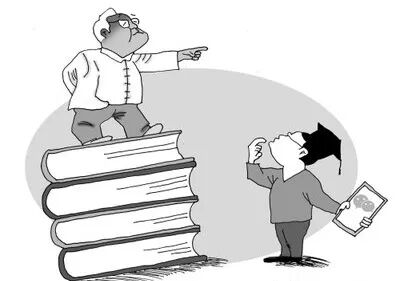
When the pressure is difficult to bear
Half Past Seven: did I consider this before starting a PhD? I did not. It felt like inertia: after my undergraduate degree I thought a doctorate was simply the next step, without thinking it through.
Recently, however, four people around me have quit. Two students left midway. Both really wanted to remain in academic research, but left because the pressure was too great and they could not adjust to the intense environment. Our group is not particularly relaxed about presentations, experiments, or the supervisor’s expectations, so both left because they could not bear the pressure. They had been very keen to do research when they joined. The other two left because of poor relationships with their supervisors.
I have not personally seen people leave because they could not do research or lacked interest. I have seen supervisors wear down their interest, or people find the pressure increasingly overwhelming and no longer want to continue. So, from what I see now, people with less capacity to withstand psychological pressure, or who are less psychologically resilient, may find a PhD less suitable and be more likely to quit.

Is following the crowd a suitable reason for a PhD?
Eureka: pursuing a PhD is not an especially narrow selection of the very best. That kind of selection may occur later when entering the wider world, but the threshold for a doctorate is relatively broad. Whether it suits you depends mainly on yourself. Once you pass the examinations specified nationally or a university’s selection requirements, listen to whether you genuinely want to pursue it. If you are interested, or even want to try, you can do a PhD; that is fine. If you have a very clear goal or a strong internal drive during your doctorate, you do not need other people to keep giving you motivational pep talks.
Doing it for the degree is also a possible choice. Not everyone can continue working in research after graduation; that is impossible. Society also has many positions needing people who have received rigorous, demanding technical training.
Company R&D roles and some nontraditional education fields, for example, need people with doctoral degrees. Those are good reasons to pursue one. Many places have considerable demand for PhDs, and you do not have to become a professor. With strong technical skills, you might aim to become an excellent engineer, build an excellent company, or teach in a nontraditional field. These are all good paths and valid reasons for a doctorate.

Six Wings: I strongly agree that a PhD should be an internal choice. By the end, I had seen many very intelligent people achieve only middling results, while others whose grades initially were less impressive produced excellent research.
A PhD is a choice; it does not necessarily require an extraordinarily high IQ. If you choose this path and persevere, you can do well.

What qualities do people who earn a PhD have?
Self-motivation is key
Eureka: I know many doctoral students because we are in universities, in research groups at institutions strongly oriented toward research. PhD students account for perhaps 80–90% of the people I encounter daily.
Most are fairly well suited to a PhD. That does not mean exceptionally high intelligence or especially quick reactions. Their main qualities are great enthusiasm and curiosity about research, and a strong internal drive to investigate research questions. That particularly impresses me.

Determination to persevere
Six Wings: my environment also has many PhD students. Some are certainly very well suited to a doctorate, while for others it is simply a choice rather than something into which they put their whole working and personal lives.
I think two qualities matter. First, strong curiosity and full engagement with a research project. Some people enjoy experiments not just because they must complete a project, but because they spontaneously find something interesting and investigate it. People like that are impressive.
The other quality is perseverance. A project is often boring and requires repeating many things. Many people cannot continue and start wondering what their work means. But those who persisted ultimately obtained their doctorates.

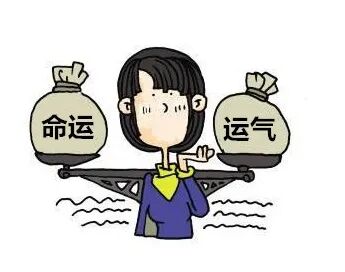
A combination of abilities and luck
Half Past Seven: I think there are two aspects. Personal ability—whether someone can produce something—is important. Attitude also matters.
But personally, I think luck plays a substantial role too: what kind of supervisor you encounter, and whether your papers get published. It is quite a combination of factors. In terms of personal qualities or aptitude, I have not seen anyone particularly unsuited to a PhD, but differences in their subsequent directions are very large.
Differences in development among PhDs with different qualities
Eureka: I think the upper and lower ends of achievements can differ considerably.
Over my years studying abroad, I have been in several groups, including fairly strong groups in their fields, but I have never seen a PhD student graduate with a paper that changed everything. In fluid mechanics, for example, a lucky student in a cohort might publish in PRL. A biology student might finally produce a Nature-family journal paper after five or six years. That is usually the upper end. Breakthroughs in the flagship journals, or the ones featured by public accounts, mostly seem to come from exceptional students elsewhere, or from postdoctoral work.
If we measure doctoral breakthroughs only through papers, they are often fairly ordinary. The difference between wholehearted engagement and coasting through four or five years may not be large. Someone going through the motions may still publish quite a few papers if they complete the work.
The largest difference should actually be how much they themselves have learned. Someone who takes their doctorate seriously and has a strong internal drive will have a very different knowledge base and outlook from someone merely doing enough to get by. They should be confident about and thoroughly prepared for their next step.
Successful doctoral students are not necessarily those with the best publications. They might have no published paper on graduation day, yet that need not prevent them from joining an excellent group to continue their topic or moving to a good company.
Conversely, someone who feels conflicted and struggles throughout may have a dispiriting period after graduation, unless they decided early on to secure a fallback industry offer and go there immediately afterward.

Fantuan: how should we define a good achievement? After graduation, all our achievements are ultimately quantified.
Eureka: some people look at journal impact factors or whether a paper is in the first quartile, that sort of thing.
But I think it depends on the university environment. Some very leading universities do not look at your papers, or even whether you have any; they assess the quality of your doctoral defense and the problems you solved to decide whether you are a top graduate. Later postdoctoral interviews can work similarly: the quality of that discussion is sufficient. If it is excellent, your papers should at least be of a reasonable standard. If the quality shown in the doctoral discussion is disappointing, the papers may not be impressive either.
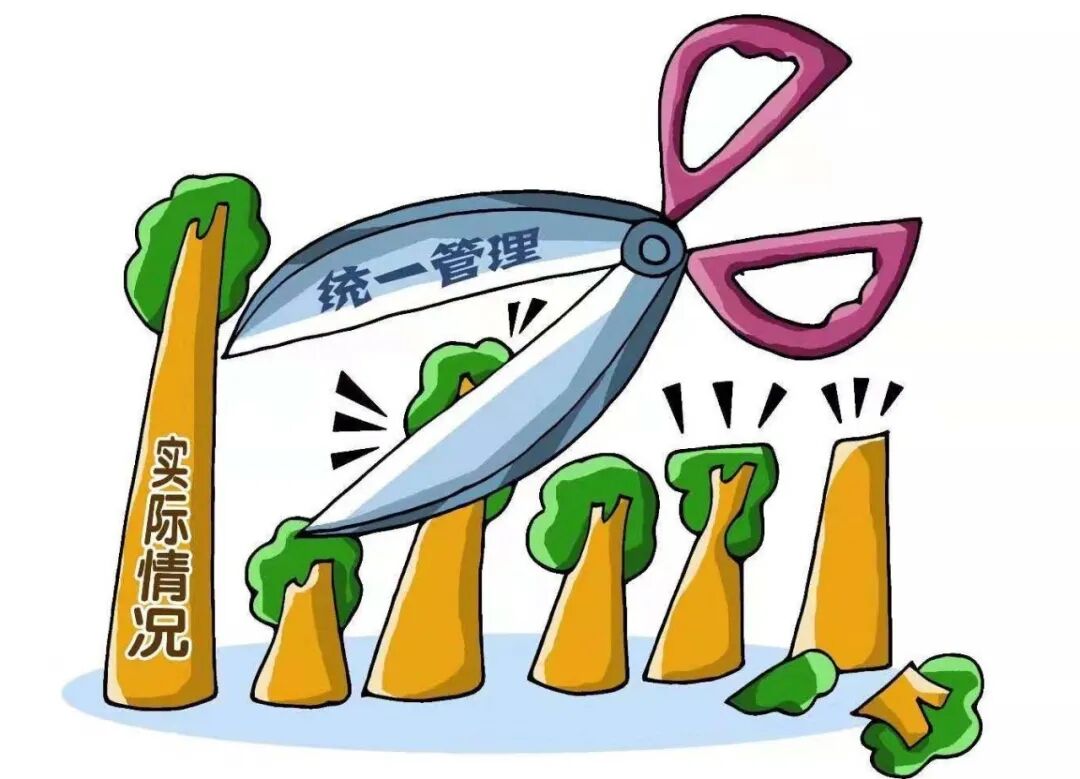
You cannot assess doctoral achievements through publications alone; you must hear the person explain their work. More broadly, the one-size-fits-all hiring criteria used by many universities are not particularly desirable.
Six Wings: I think a relatively successful PhD graduate should understand their field and direction very deeply, without necessarily producing something especially new. Someone who can write an outstanding review is impressive. The depth of their understanding of the field is a major criterion. If the work is not good enough, perhaps they do not yet understand the field fully.
Will achievements contrast sharply between people suited and unsuited to a PhD?
Six Wings: that may not be particularly apparent during the doctorate. A demanding group, or one with a strong established tradition and a paper-production pipeline, may allow you to publish after making a tiny change to an older student’s work. Or your supervisor may be extremely well known; once an editor sees the name, you might feel publication is already largely assured. But that does not necessarily show that your own ability is especially high.
Some supervisors are still little known, and you may be their first doctoral student. That can make the doctorate painful and create great pressure, but you often learn a great deal and develop strong skills that do not necessarily show in papers. At the postdoctoral stage, someone aiming for a faculty career may produce impressive results. In strong groups, it is indeed often postdocs who produce the research achievements.
The breadth of outlook and abilities gained differ. Sometimes your group has already paved the way, and you need not solve particularly complex problems. At other times you must build an entire system from scratch. These are very different levels of difficulty.
Fantuan: five or ten years later, do the two groups differ greatly in achievements or position?
Six Wings: it is probably too early for me to tell because I do not yet know many people ten years after graduation. After the PhD, whether you seek a university or industry job depends on your ambitions. I have also met people with very clear personal and academic plans, and they are impressive.
Half Past Seven: I will add a little. Everyone mentioned learning and a broader outlook, which are certainly achievements. But taking a more worldly, practical view, I think there are two aspects: the tangible output is papers, but less tangible achievements matter too. An important outcome of a PhD is whether you gain resources for later development. How much can your PhD supervisor support you afterward? Which professors, students, and postdocs have you collaborated with? In cases I have seen, these matter. I have seen very successful examples: a person published in a flagship journal during the PhD, had an excellent relationship with the supervisor, and received strong support when seeking a faculty position. They then published several excellent papers with a postdoctoral supervisor, again with a good relationship, and collaborators thought highly of them. Whether seeking faculty jobs or later collaborations, the people you have worked with matter. You can apply for funding together, collaborate, write applications together, and provide support letters. These are necessary aspects of future development. Usable resources for your future are important and can count as a doctoral achievement.

Are PhDs still a scarce resource in employment?
Six Wings: compared with abroad, destinations for PhDs within China are quite limited. Frankly, China’s overall technological level is still catching up, and the R&D capabilities of its large companies are particularly difficult to compare with those of foreign companies.
PhDs are certainly scarce talent, but not every company needs them. As your specialization deepens, your range of jobs narrows. The research capabilities of many Chinese companies, including those bearing a “China” prefix, are generally weak and cannot absorb PhD graduates. People in China therefore value faculty jobs because those can offer doctoral graduates a very good opportunity. If they do not take a faculty position, many move to research institutes before considering companies. Companies have less capacity to absorb them, often concentrated in joint ventures around Shanghai or the Pearl River Delta; elsewhere it may be more difficult.
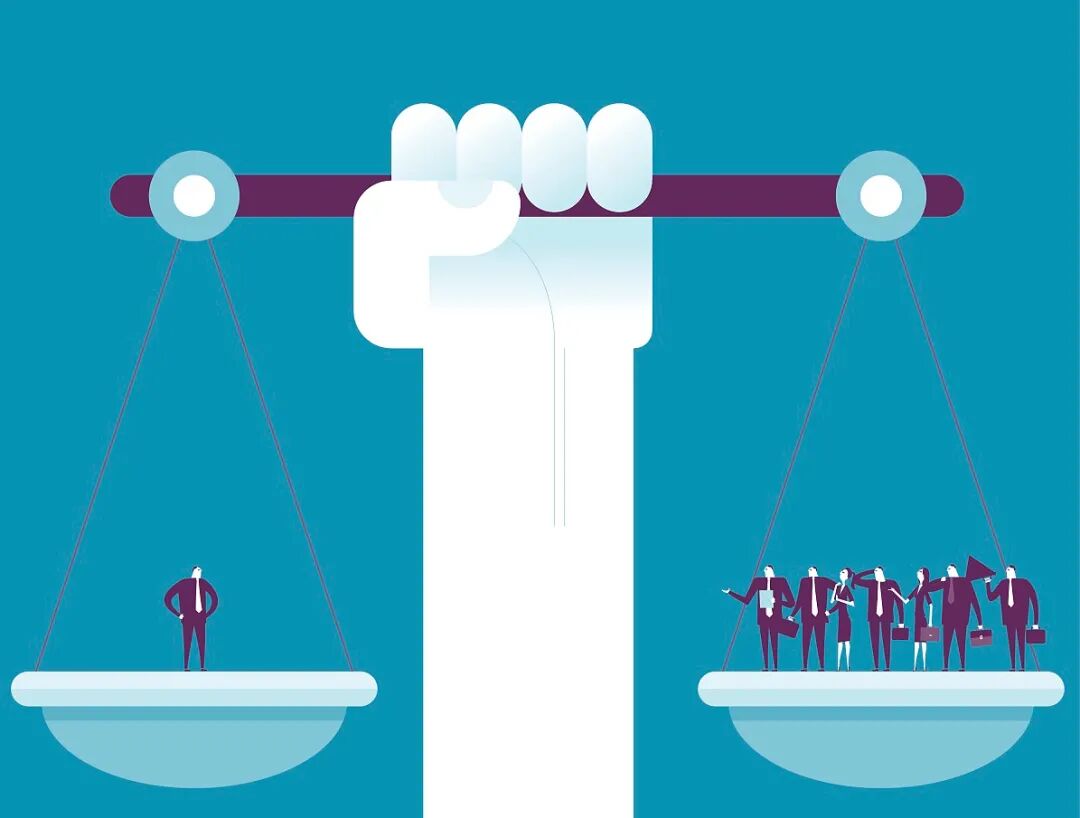
Half Past Seven: most students have mixed feelings: a little happiness combined with considerable uncertainty. Perhaps too many people are pursuing doctorates now. Many in our cohort initially wanted research: obtain a PhD, then remain in academia. After several years, near graduation, they discover there may not be enough positions and begin weighing research against industry. I think that shift is healthy.
Some large US companies are willing to hire PhDs. Many graduates are gradually less focused on faculty jobs. Younger students around me sometimes decide by their second or third year not to take that path, and start seeking internships. That is a good approach. A PhD does not require an academic research career; there simply are not enough positions for everyone. Company R&D is also an excellent choice. More importantly, doctoral students should gradually broaden their thinking when starting research and avoid assuming they must remain in academia. I think that is a positive trend.

Six Wings: that was actually my situation. After two or three years of the doctorate, I no longer particularly wanted to do research, perhaps because of my supervisor. Their work was not at the cutting edge, making faculty jobs difficult to find. I initially had no intention of entering a university and did so by chance. This group particularly suited me and my background, and they happened to need someone like me, which is why I came.
A doctorate should not be obedience to the crowd or a reluctant compromise, but a path chosen by listening to your own heart. Have you decided whether you want a PhD?
Contributors: Eureka, Six Wings, Half Past Seven
Text editor: Fantuan
Audio editor: Honey Peach Oolong
Interview: Fantuan
Audio recording: Honey Peach Oolong
This article expresses the author’s personal views and does not represent those of this website. Images were sourced online; please contact us regarding any infringement.
Sources and editorial history
Restored from a complete historical article exported from the PhDSciNet Official Account.