

Historical interview: the following preserves the research experiences and personal views expressed in the original manuscript.
Hypertension is very common in China, with an 18.8% prevalence estimate cited in the original manuscript without a survey period. Unfortunately, it is difficult to cure. Ordinary blood-pressure medicines can create a substantial financial burden and may cause varying side effects with long-term use. The emergence of antihypertensive bioactive peptides has brought new hope to people with hypertension.
In this issue, let us discuss an edible blood-pressure-lowering “wonder”: antihypertensive bioactive peptides.
What can be done about hypertension?
People with hypertension
Most hypertension is primary and involves multiple factors, including genetics, age, and lifestyle, rather than genes alone. Around 90–95% of people with hypertension fall into this category. Many have no obvious symptoms before detection, and risk increases with age. After medical assessment, lifestyle changes and necessary medication can control blood pressure; it is incorrect to assume that once elevated it cannot return to a target range.
Hypertension is complex, involving the liver, kidneys, and blood vessels. Another group of patients develop it because of poor physical condition, such as persistent inactivity, frequently eating oily or salty food, or smoking and drinking. These factors can cause other cardiovascular diseases, and the cardiovascular system plays an important role in regulating blood pressure. Heavy drinking or smoking affects liver and lung function, which can also raise blood pressure.

How can blood pressure be lowered?
• First, measure blood pressure regularly—for example, every few months—to understand it and pay attention when it begins rising.
• Second, sit less and do more aerobic exercise to improve physical function and delay the aging of organs.
• Third, reduce stress appropriately. Many people face heavy work pressure, and excessive sympathetic nervous activity can accelerate the heartbeat and raise blood pressure. We should choose a calmer working and living style, and change jobs if work pressure is too great.

Are there common products on the market that lower blood pressure?
Yes, several appear as foods. Products currently sold include yogurt and drinks intended to lower blood pressure. Two yogurt companies, one Japanese and one Finnish, produce yogurt fermented with special lactic acid bacteria; human experiments have demonstrated blood-pressure reductions. Some drinks also contain bioactive peptides extracted from sesame.

Is the rumor reliable—that bananas can lower blood pressure instantly?
Eating a great deal might have some effect, but nobody knows how much would be needed, so relying on this to lower blood pressure is basically unreliable. There is an approach that can help: consuming more potassium and excreting more sodium. Eating low-salt, high-potassium foods can therefore be useful.
Medical content check: higher potassium intake is not suitable for everyone. Impaired kidney function or certain medicines affecting potassium excretion can create a risk of high potassium; this passage is not a personal potassium-supplement recommendation.
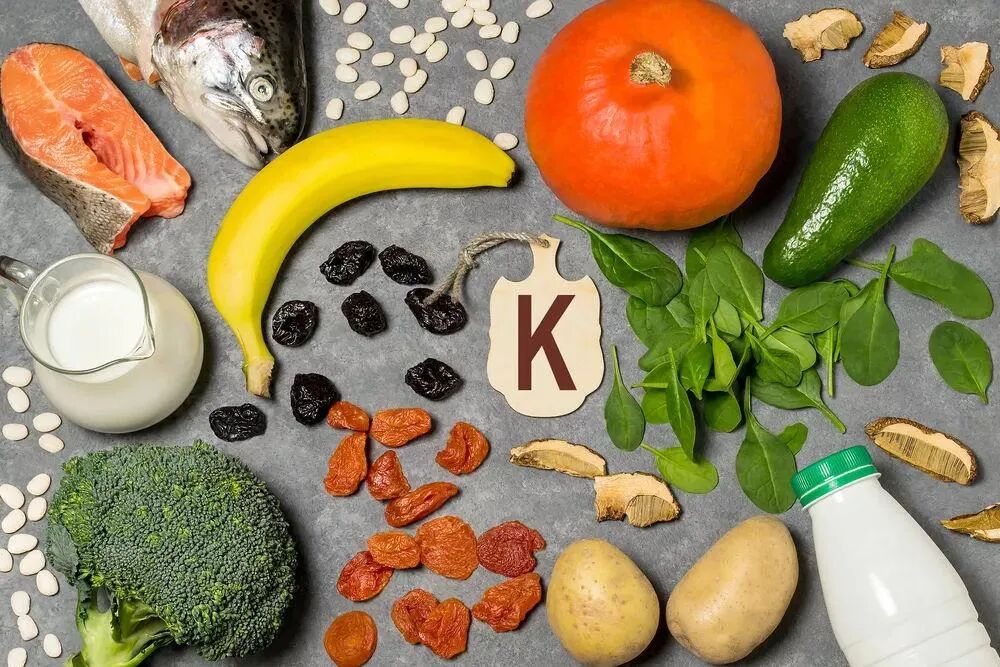
Remarkable antihypertensive peptides
What is a bioactive peptide?
It is an amino-acid sequence consisting of around two to twenty amino acids that also has particular physiological activity. Proteins must be digested into amino-acid fragments and absorbed to act, but these peptides go beyond serving simply as amino-acid nutrients: the sequence of two to twenty amino acids acts as a whole to perform a particular physiological function.
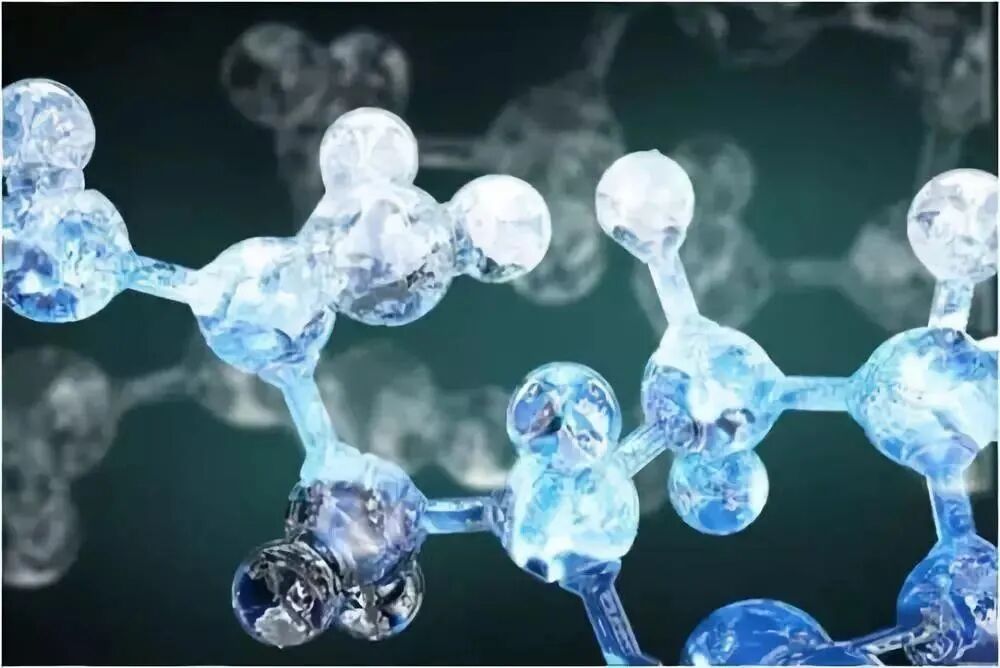
Why did people think decades ago that bioactive peptides might be useful? Because the body already contains substances such as insulin, which lowers blood glucose and is itself a peptide hormone of 51 amino acids, with 21 in the A chain and 30 in the B chain.
Angiotensin, which controls blood pressure, has different forms: angiotensin I contains ten amino acids and angiotensin II eight. This suggested that similar fragments might also occur outside the body, for example in food or natural proteins.
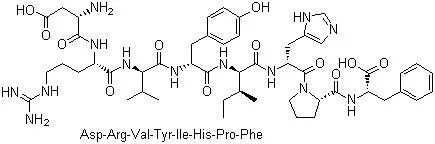
Why can they lower blood pressure?
Active peptides that lower blood pressure are antihypertensive peptides. Many researchers develop them by imitating the mechanisms of blood-pressure medicines. If a medicine lowers blood pressure by inhibiting a receptor or enzyme, or increasing a hormone, they investigate ways to release food-derived peptides with similar effects.
Blood pressure mainly depends on two factors: the force with which the heart pumps and feedback from blood-vessel elasticity. People with cardiovascular disease may have thicker, less elastic, hardened vessel walls. One class of active peptides can act directly on inflammation in vessel walls, remove free radicals, and improve vascular function.
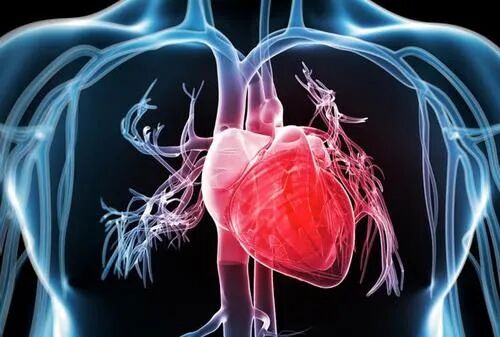
We first select a microorganism that, using food as its raw material, produces an enriched supply of antihypertensive peptides during fermentation. In milk, for example, the main blood-pressure-lowering components are these peptides. They are released within the food rather than extracted separately. We have identified the fragments, which can be specifically released through microbial fermentation, allowing businesses to sell the whole food.
This is currently easiest in dairy products: genetic modification places known peptide fragments into microorganisms, followed by large-scale fermentation and extraction.
Many consumers, however, are reluctant to eat genetically modified foods. Fermentation in dairy products or some drinks can also produce these effects simply by using a particular microorganism that has already been selected.
Advantages of antihypertensive peptides
What advantages do antihypertensive peptides have over medicines?
First, some active peptides are readily metabolized, but safety still depends on the ingredient, dose, and human evidence. Faster metabolism alone does not establish greater safety than medicines. Medicines can also lower blood pressure sharply, which is not necessarily good. We hope long-term consumption can gradually reduce the activity of certain hormones in people with hypertension.
Second, they are relatively inexpensive. I do not mean individual isolated peptides, which are expensive like medicines and may cost even more. Foods rich in active peptides are more affordable and can be eaten regularly in meals or as snacks. Whether medication is needed long-term and how it is adjusted depend on medical assessment; it should not be stopped independently. That can burden ordinary households financially, and some medicines have strong effects or cause dizziness, rashes, or edema. Many people therefore resist medication: blood pressure falls but their sense of well-being declines greatly. A functional food with less potent activity that can be consumed long-term might be easier to accept.
Chemical synthesis or natural extraction from foods?
In most cases, they should be similar. Synthesis may cost as much as medicines, however. Fermentation of dairy products produces active peptides alongside other peptides. We do not separate them because doing so greatly increases costs. Our aim is to develop foods people can consume frequently, with certain physiological effects through long-term eating or drinking, rather than medicines. Compared with drugs, their activity and half-life in the body are generally inferior.
How effective are bioactive peptides?
We compare them in rat experiments. For example, a rat weighing around three hundred grams may naturally have high blood pressure of 150–170. Giving about ten milligrams of peptide can produce two kinds of response: blood pressure may fall quickly within a few hours, by roughly ten to twenty millimeters of mercury; or it may decline gradually each day, falling by twenty to thirty after several weeks. Certain special training may reduce it further.
We also use a common antihypertensive drug as a positive control, at a much lower dose: perhaps five milligrams of medicine versus thirty milligrams of peptide, a difference of several to dozens of times. The effect may be similar, but our peptide dose must be much greater.
Our most important evaluation is whether physiological characteristics change. Rats given the peptides show no changes and maintain stable body weight, so we consider the peptides relatively safe.
Research evidence check: the animal doses and blood-pressure changes described here cannot be transferred directly to people. Stable body weight alone does not establish human safety, and food-derived peptides should not replace necessary hypertension treatment.
A question: could bioactive peptides supplied from outside suppress the body’s own regulatory mechanisms?
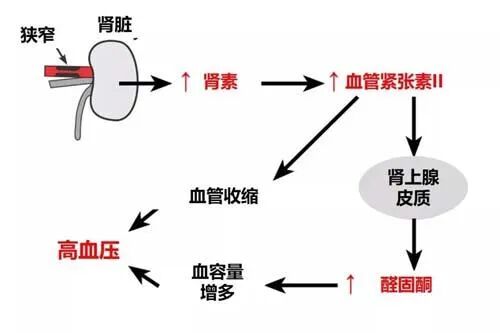
Possibly. An important mechanism in rising blood pressure is the renin–angiotensin system. Several peptides play roles in its cycle: some increase blood pressure and others lower it. Endogenous angiotensins are peptide fragments. Increasing one may raise blood pressure, while increasing another may lower it. Adding very similar peptide fragments may reduce production efficiency along the pathway.
People with hypertension should seek timely medical care, use medicines appropriately, maintain good dietary habits, and follow a healthy lifestyle. May disease stay away and health remain with you!
Science contributor: Food Lover
Text editors: Fantuan, Calorie
Audio editor: Honey Peach Oolong
Interview: Fantuan, Calorie
Audio recording: Honey Peach Oolong
*This article expresses the author’s personal views and does not represent those of this website.
Additional sources checked
World Health Organization: Hypertension
US National Library of Medicine: Insulin
US National Library of Medicine: Angiotensin I
US National Library of Medicine: Angiotensin II
US National Institutes of Health: Potassium
US National Institutes of Health: Dietary supplement evidence and safety
US Food and Drug Administration: Evidence for dietary supplement claims
Sources and editorial history
Restored from a complete historical article exported from the PhDSciNet Official Account.
Editorial revision: The historical interview and animal-research experiences are retained. Blood-pressure control, insulin and angiotensin lengths, medication, and comparative safety statements were corrected; animal results, food research, and human treatment are distinguished.