
Leading technology crosses disciplinary boundaries
In 1892, Chicago resident Joseph E. Blanther, identified in his patent as an Austro-Hungarian subject, obtained a US patent for layered relief-map manufacture. It is an early layered-manufacturing idea, rather than a single origin of modern 3D printing. Charles Hull developed stereolithography in the 1980s; 3D Systems was founded in 1986 and commercialised SLA-1 in 1987. The Economist’s 2012 discussion of a third industrial revolution helped raise public interest.
Spanning ideas from three centuries, 3D printing has been described as “a nineteenth-century idea, twentieth-century technology and twenty-first-century market”.
Between imagination and reality, 3D printing crosses historical, technical and ethical boundaries and makes many previously impossible things possible.
An older technology finds new life
01: An old idea and remarkable “ink”
3D printing is not entirely new: its conceptual roots reach back to the late nineteenth century, with development and adoption accelerating in the 1980s.
Computer-aided design software slices a digital model and sends the slices to a printer, which builds successive thin layers until a solid object forms.
Its major difference from an ordinary printer is that its “ink” is the material from which an object is made.
02: Many branches of 3D printing
For designs requiring precise internal recesses or interlocking parts, 3D printing can be a useful manufacturing option. Early applications included models, mould-making, industrial design and component manufacture.
It has since spread into jewellery, footwear, architecture, engineering, cars, aerospace, dentistry, medicine and education.
3D printing supports a new era of space exploration
01: Making Chinese crewed-rocket engines more reliable
Factory 7103 of the Sixth Academy is a major Chinese liquid-rocket-engine manufacturer, supporting lunar exploration, human spaceflight, BeiDou and Mars missions.
In 2014 it established an additive-manufacturing innovation centre to improve liquid-propulsion processes and manufacturing capabilities. The original reports more than 230 kinds of complex precision components produced since its founding.
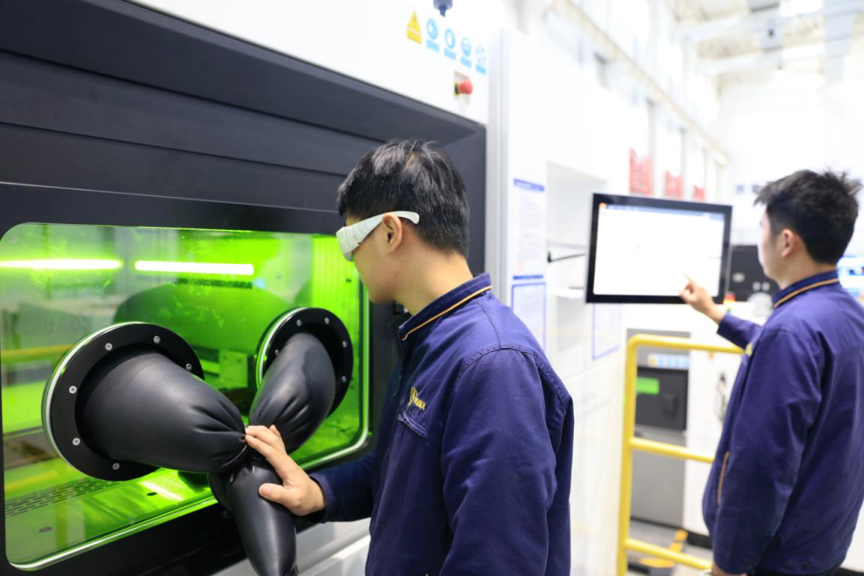
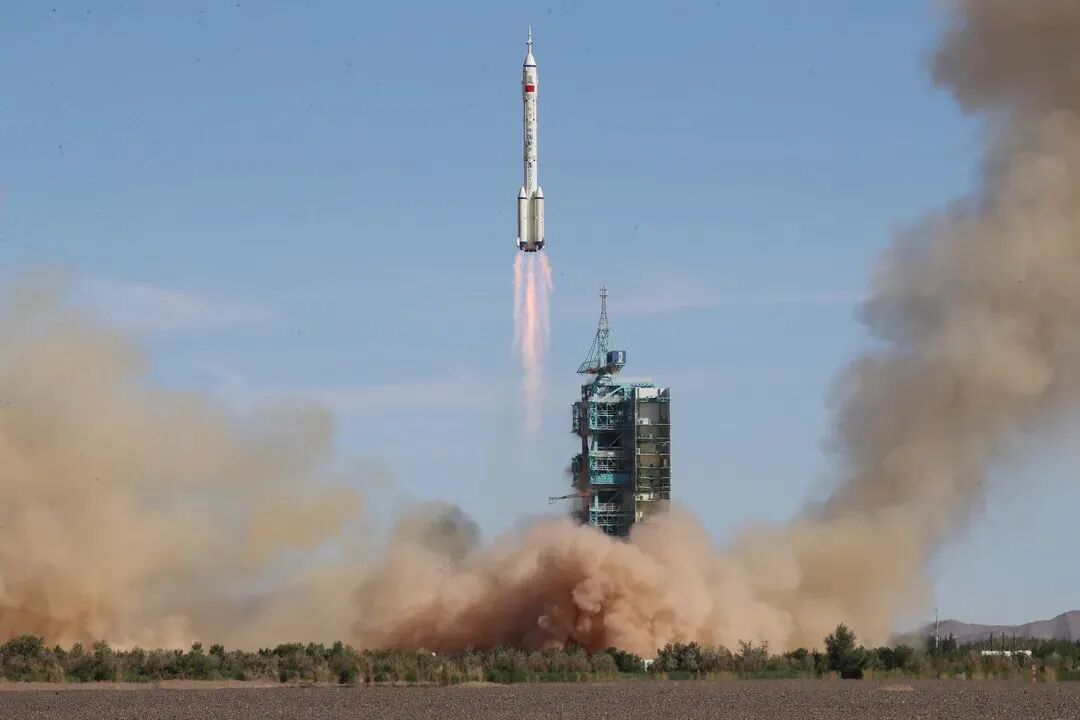
On 17 June 2021, the Long March 2F Y12 launched Shenzhou-12 with three astronauts. Factory 7103 made the first-stage, second-stage and booster engines and used 3D printing for reinforcement ribs on thrust-chamber partitions.
The article reports that replacing investment casting with 3D printing cut rib production time by 75%, raised the acceptance rate to 98% and reduced costs by 30%, improving liquid-propulsion manufacturing.
02: Deep Blue Aerospace prints rocket-engine components
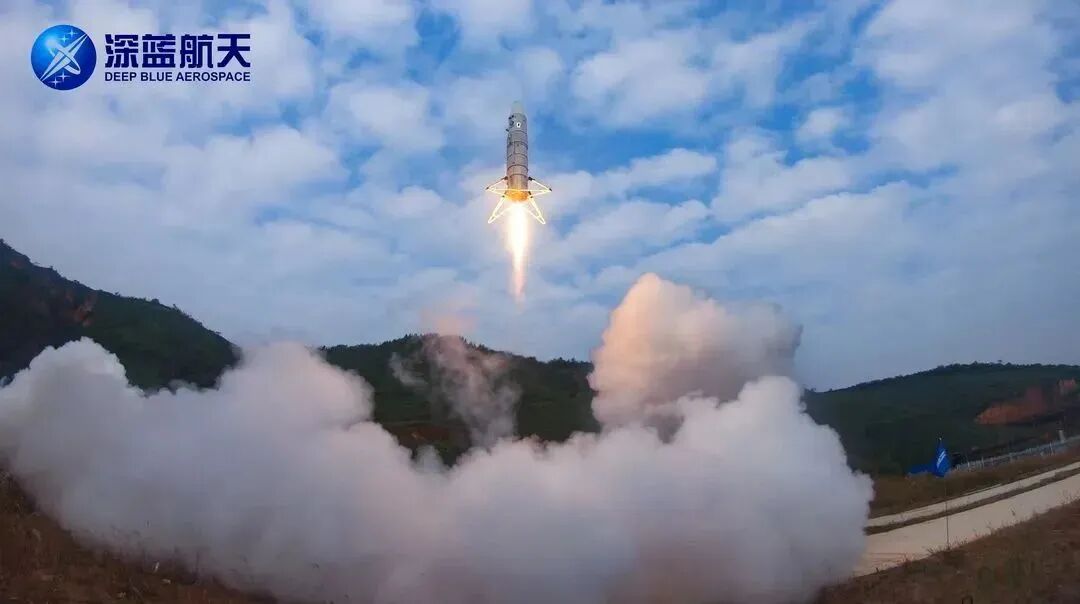
On 6 May 2022, Deep Blue Aerospace’s Nebula-M1 completed a kilometre-class vertical take-off and landing test. The article calls its Thunder-5 China’s first pintle-injector liquid-oxygen/kerosene engine manufactured through extensive 3D printing.
Parts accounting for 85% of Thunder-5’s weight were reportedly 3D printed. Conventional liquid-engine manufacture involves many processes and long lead times; additive manufacture offered consistency, efficiency and lower overall cost.
03: Rostec uses additive manufacture for aircraft parts
Rostec’s additive-technology centre is described as Russia’s first approved enterprise for large-scale aviation 3D printing, reducing a component’s production time from six months to three weeks.
Additively manufactured parts can preserve required functions while reducing weight, increasing payload or improving other aircraft performance.
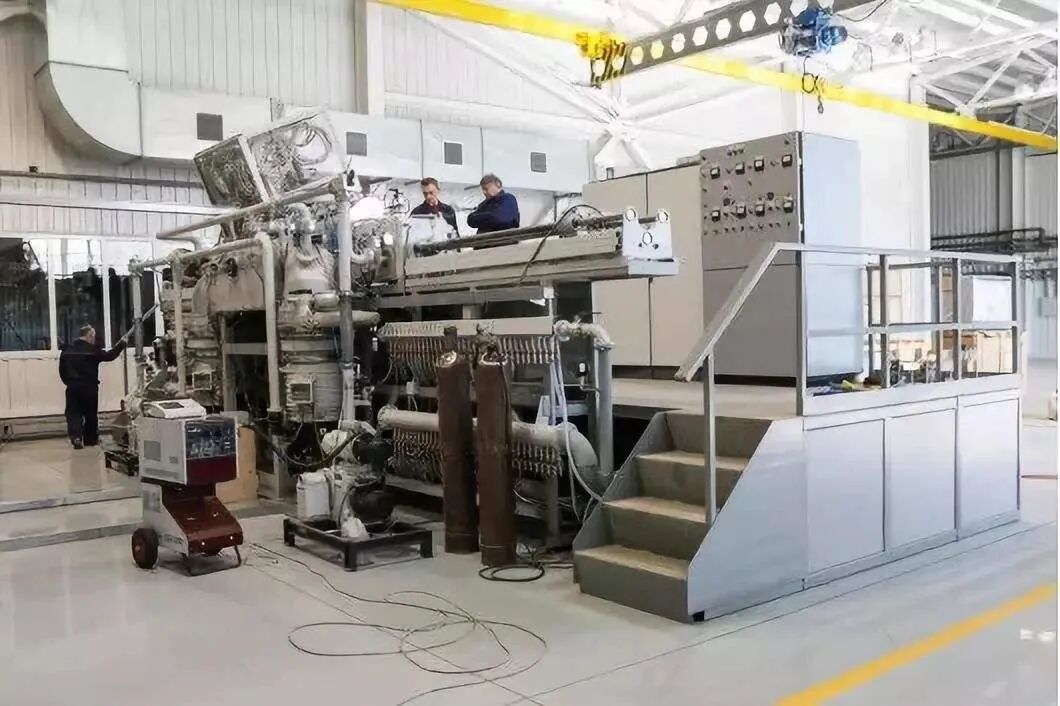
The article reports that 15% of components in the VK-650V and VK-1600V helicopter engines were 3D printed, simplifying manufacture and reducing weight and life-cycle costs.
04: 3D printing accompanies journeys into space
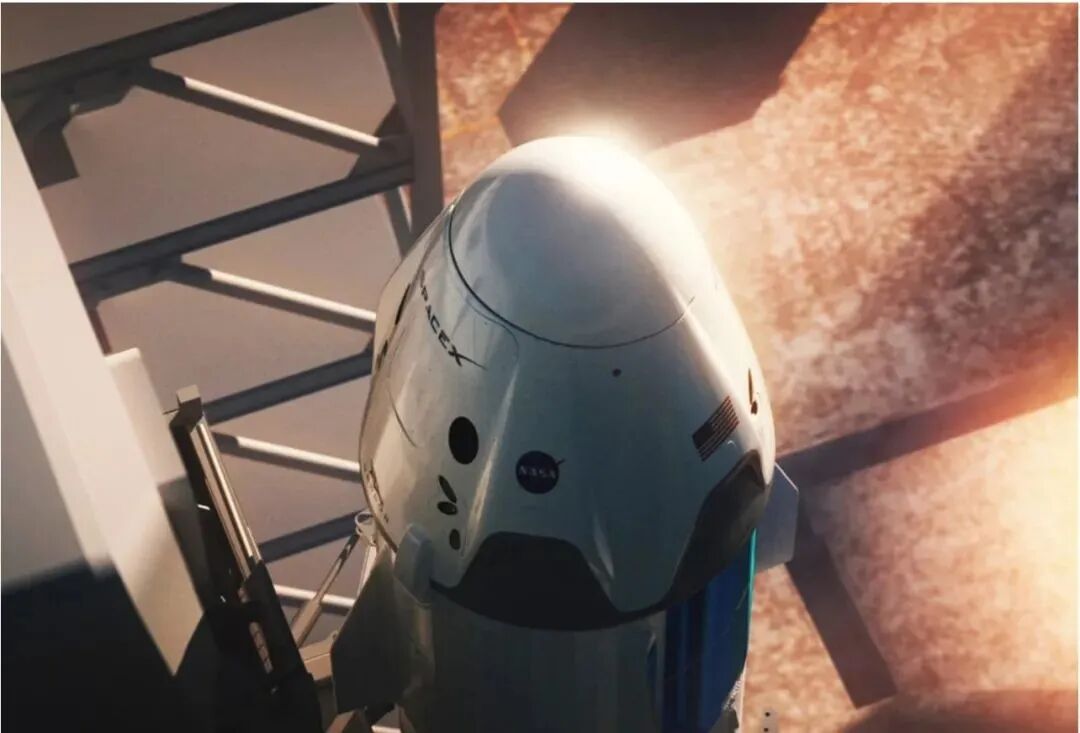
Elon Musk, identified in the article as Tesla’s CEO and a technology enthusiast, has pursued rockets and space exploration through SpaceX since its establishment in 2002. Additive manufacturing has supported those efforts.
In 2013, SpaceX produced a SuperDraco thrust chamber using an EOS metal printer. Compared with conventional manufacture, additive processing can shorten lead times and costs while supporting desired strength, ductility, fracture resistance and consistency.
The article describes a January 2017 Falcon 9 launch from Vandenberg with 3D-printed parts, including an oxidiser valve body operating with high-pressure liquid oxygen under intense vibration.
In 2021, Boeing’s additive-manufacturing operations developed a controlled distributed network to produce aircraft parts remotely and securely on EOS printers.
The future of aerospace 3D printing remains promising.
3D printing reconstructs structures for medicine
01: Can printed facial reconstruction restore a face?
Lin Chih-ying’s car accident on 22 July 2022 attracted public attention. The original uses reported facial-reconstruction speculation to introduce medical 3D printing. The exported material does not confirm his treatment, and the discussion below should not be treated as his medical record.
In suitable cases, customised titanium implants and printed models can assist facial-bone reconstruction. Some porous implants support bone attachment and ingrowth, but suitability and integration depend on material, design and clinical circumstances. This does not establish that Lin received such treatment.
In 2015, Australian patient Richard Stratton received a 3D-printed titanium jaw-joint implant. The University of Melbourne described it as the first such implant produced in Australia, rather than the world’s first printed jaw.

Photographs and CT or MRI data can support computer reconstruction and patient-specific models or implants made from titanium or polymers. Models help patients understand the proposed restoration and support clinical assessment.
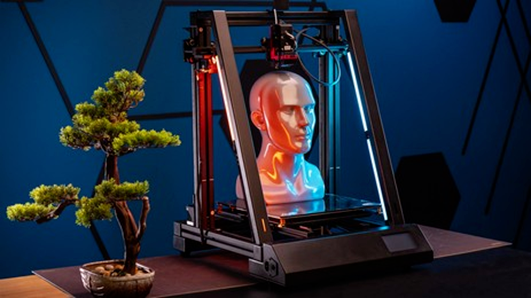
02: An early human application of 3D bioprinting
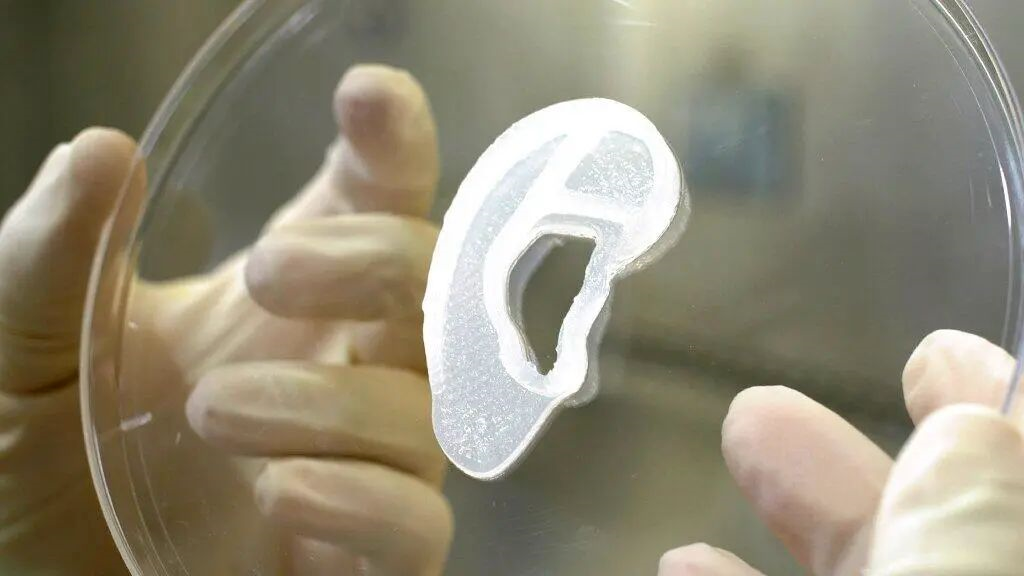
US regenerative-medicine company 3DBio and the Microtia-Congenital Ear Deformity Institute announced ear reconstruction in a young woman with congenital microtia using her own cells in a 3D-bioprinted implant, aiming for an appearance and feel similar to an external ear.
The developer announced this first-in-human implantation in 2022. AuriNovo reconstructs the external ear and was an investigational Phase 1/2a product. It represents tissue-engineering progress, but one implantation does not establish long-term safety or effectiveness or restore the full hearing organ.
03: Science reports a new heart-fabrication approach
The 2022 Science paper “Recreating the heart’s helical structure-function relationship with focused rotary jet spinning” (DOI: 10.1126/science.abl6395; issue date 8 July) reports rapid FRJS fabrication of micro- and nanofibre scaffolds with programmable three-dimensional alignment.
The heart reported in 2019 was a small research prototype, not a transplantable adult heart. Point-by-point fabrication of extracellular-matrix microstructure is slow; FRJS addresses rapid fabrication of fibre structures at collagen-related scales, rather than demonstrating a clinically usable printed heart.
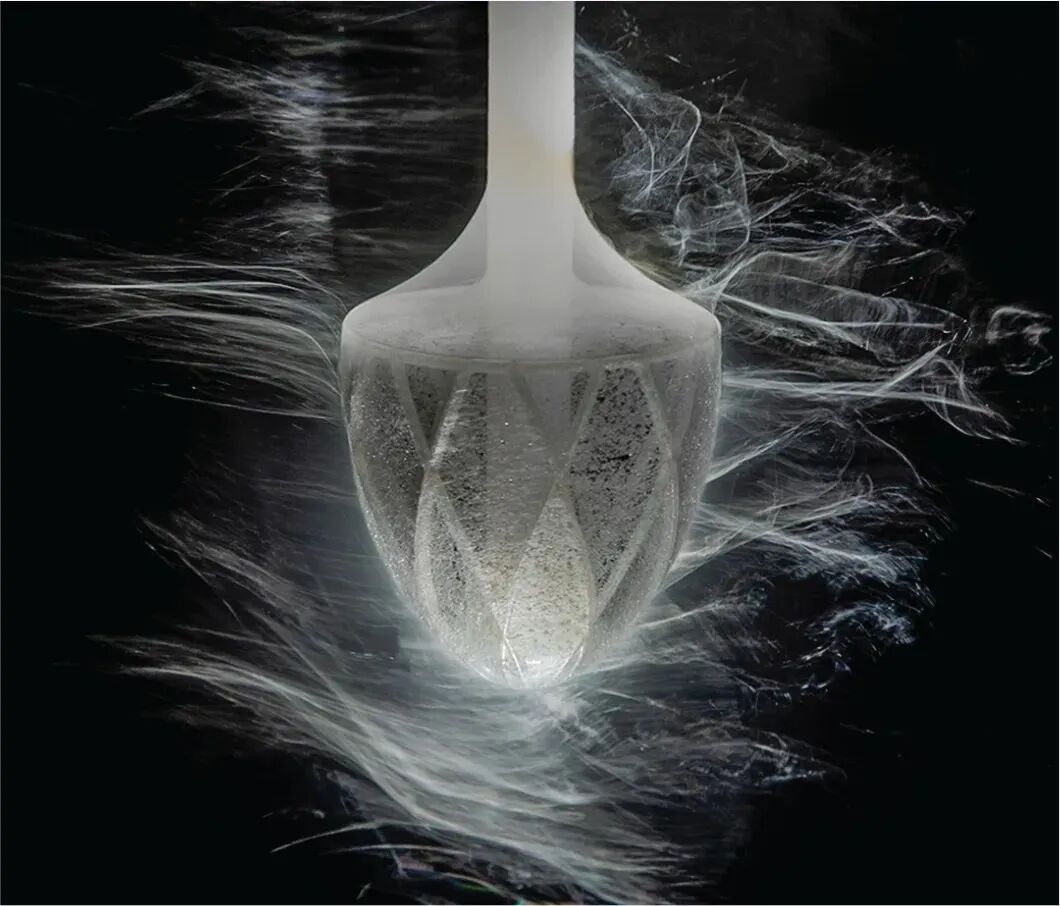
Kit Parker’s Harvard team developed FRJS to accelerate fine, aligned fibre-scaffold manufacture. It is additive textile manufacturing and tissue-model research, not a demonstration of complete-heart printing.
FRJS uses centrifugal jet spinning to form polymer micro- and nanofibres, then controlled airflow to focus and arrange them in space. It rapidly creates programmable three-dimensional fibre alignment for complex anatomical models.

The team created helically aligned cardiac models, controlling fibre angles to form single and even four-chambered ventricle structures.
04: Pharmaceutical 3D printing
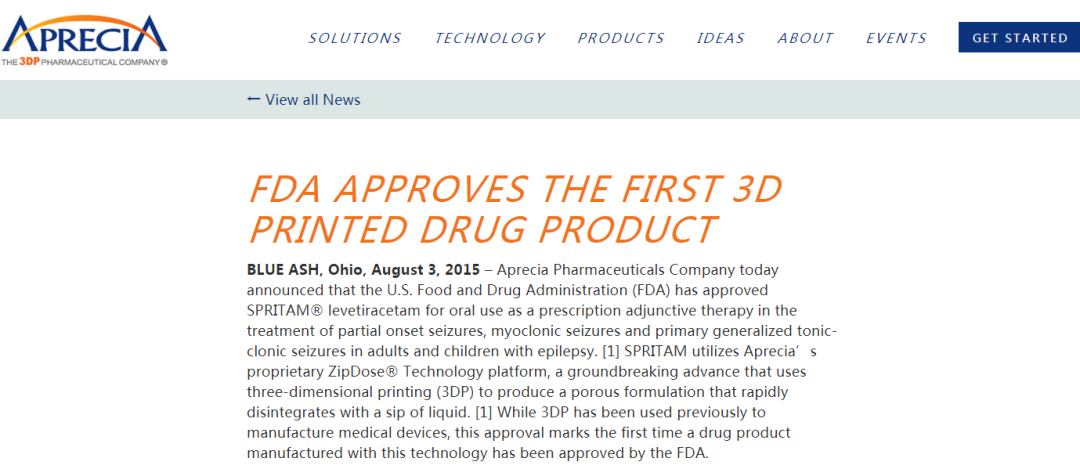
FDA approved Aprecia’s SPRITAM (levetiracetam) on 31 July 2015, with the 3D-printed medicine announced subsequently. Printing can support particular disintegration or dosage designs; loading, cost and precision depend on the process and validation and are not universal advantages.
Printing offers research directions for personalised paediatric dosage forms. CAD can control binder deposition and powder layering in some processes to make specified doses. Paediatric dosing also depends on the medicine, body weight, condition and clinical evidence, rather than age alone.
The original reports roughly thirty organisations researching pharmaceutical 3D printing, including Merck and MSD, and names Aprecia in the US and Triastek in China as two companies with industrialised processes.
Pharmaceutical 3D printing has promising applications across development and manufacture.
3D printing enables further technological change
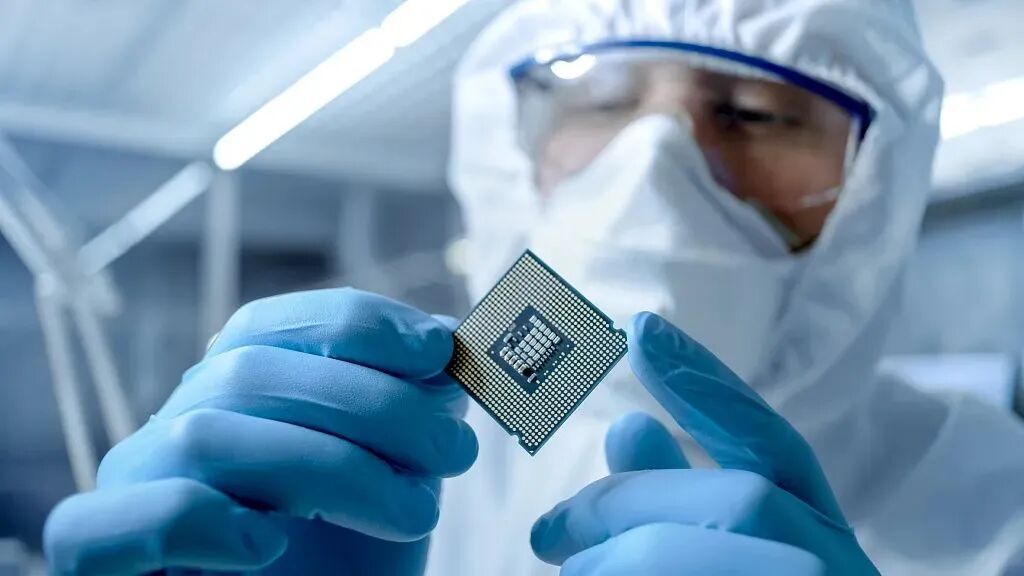
01: Chinese chip research amid US semiconductor policy
The 2022 CHIPS and Science Act introduced investment restrictions for funding recipients. Commerce’s subsequent 2023 rules restrict material expansion of semiconductor capacity in specified countries of concern for ten years after an award, with distinctions and exceptions for advanced and legacy facilities. The rules cannot be reduced to a single 28-nanometre threshold.
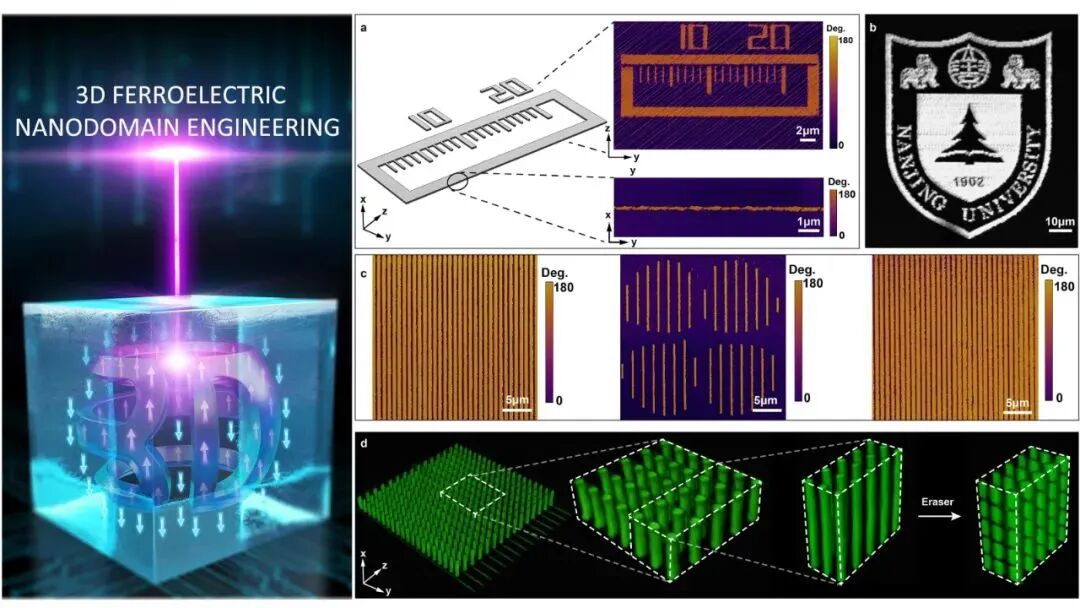
Against technology restrictions, Chinese researchers pursued new approaches. A Nature paper published on 14 September reported nanoscale three-dimensional laser-written structures, with potential relevance to future photonic devices.
The Nanjing University team associated with Yong Zhang, Min Xiao and Shining Zhu demonstrated non-reciprocal femtosecond laser writing of ferroelectric domains in lithium niobate. Moving the focused laser in different directions produced effective fields for writing or erasing three-dimensional domain structures.
The work demonstrated nanoscale three-dimensional writing and erasing of lithium-niobate ferroelectric domains, beyond traditional two-dimensional, micrometre-scale electrical poling. Its domain dimensions should not be confused with mass-production semiconductor process nodes.
The work offers potential routes for photonic applications, including optical communications, computing and related technologies; these remain prospective applications.
02: Laser writing for three-dimensional nanocrystal printing
Laser nanoprinting offers fine resolution but often depends on photopolymerisation and curable resins. Printing functional nanomaterials beyond polymers requires other mechanisms.
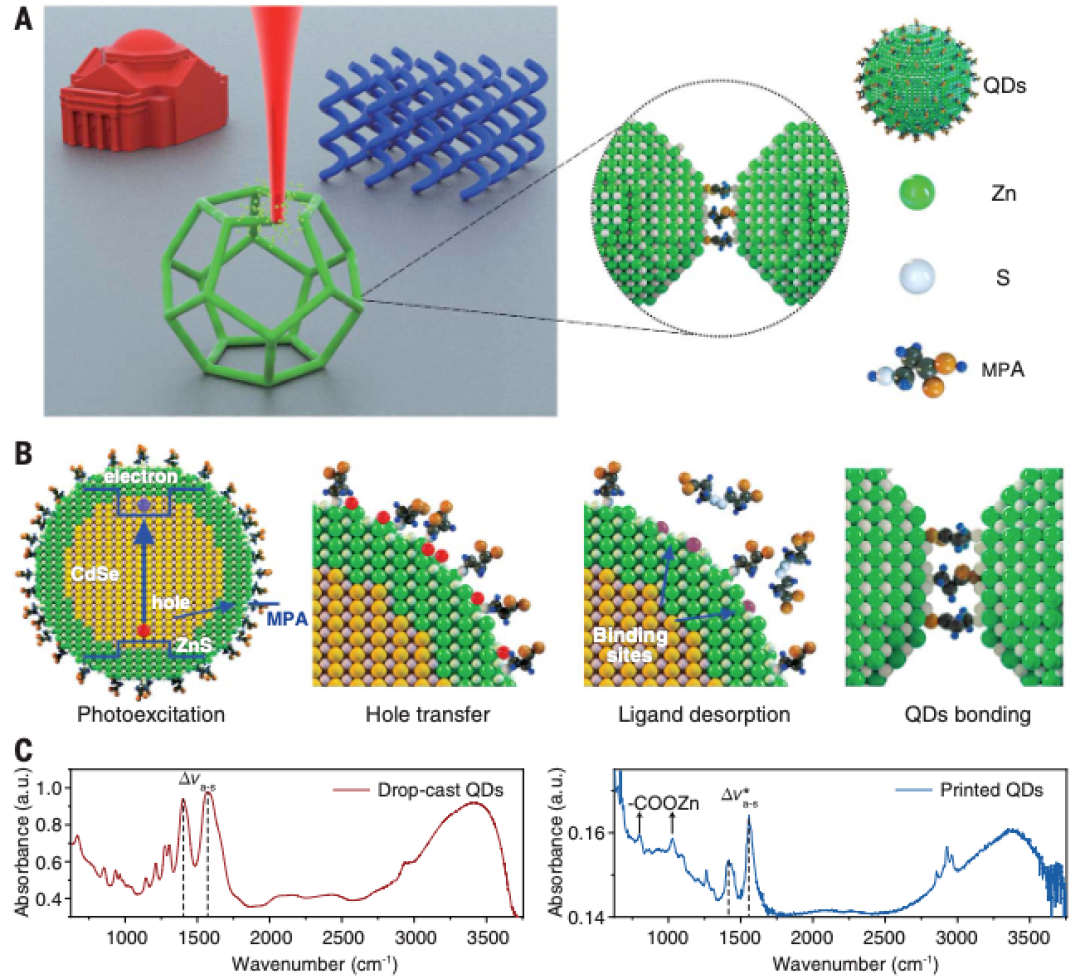
Hong-Bo Sun, Linhan Lin and colleagues at Tsinghua published “3D nanoprinting of semiconductor quantum dots by photoexcitation-induced chemical bonding” in Science, developing a process independent of polymerisation.
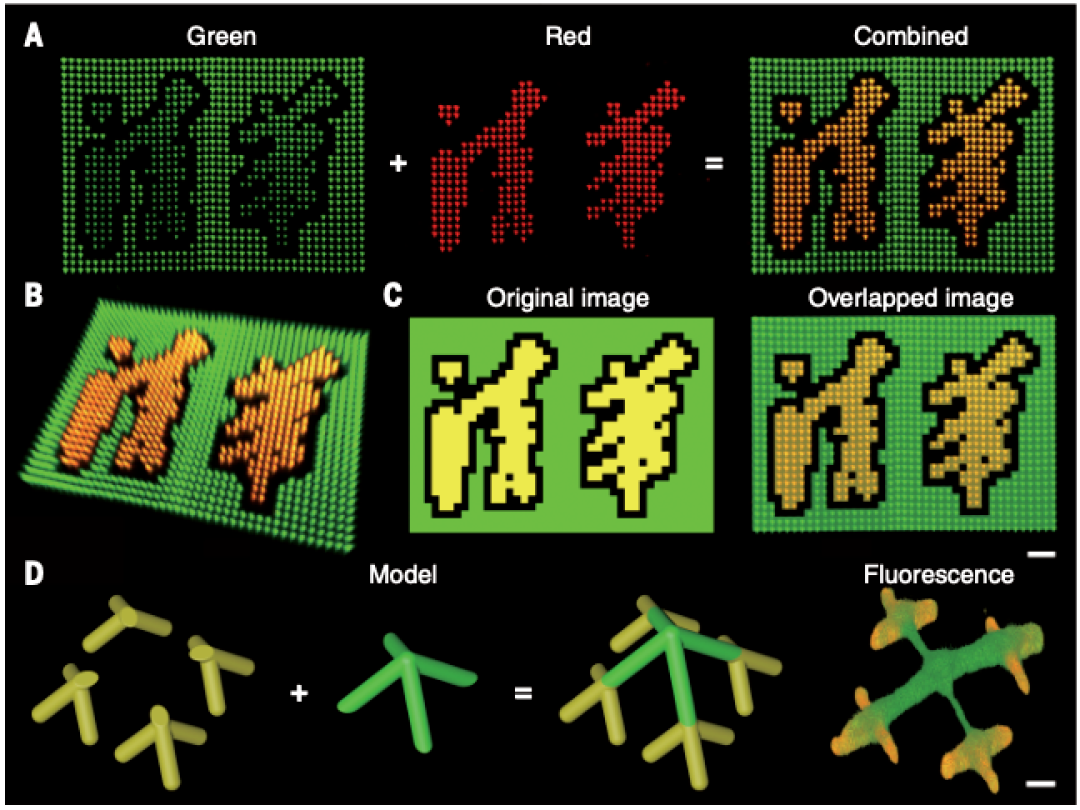
Using semiconductor quantum dots as an example, photoexcited electron–hole pairs modify surface chemistry to enable photoexcitation-induced chemical bonding, or PEB.
The reported PEB process preserves quantum-dot photonic and optoelectronic properties during printing without additives or post-processing. Extension beyond the demonstrated semiconductor quantum dots is a prospect if sufficiently energetic carriers can change other nanoparticle surfaces.
Technology beyond familiar expectations
01: Protecting and reconstructing cultural heritage
Sanxingdui is a major twentieth-century archaeological discovery associated with early Yangtze civilisation. New finds attract broad attention, including the major discoveries reported in March of the year before this article.
3D technology played a part in those excavations.


For this conservation application, scanners collect object and surroundings data, and printers create matching plaster models. The models support closely fitting silicone protective covers, allowing fragile objects to be lifted in support boxes with better protection.
The article also names reconstruction of Kucha caves, terracotta figures, Palmyra heritage and Buddhist sculpture as examples of combining 3D techniques with conservation.
02: Fashion and technology create a new visual experience

At a 2010 Royal College of Art graduation exhibition, Syrian designer Nabil El-Nayal used 3D printing in his work; the original calls him the first fashion designer to do so.

Iris van Herpen also uses 3D printing in couture. Sculptural silhouettes and flowing lines make garments resemble living artworks, conveying movement even when still.

Printed fashion can involve more work than sewing. Designers create patterns digitally, print them, clean and wash the material, then sew finished elements onto a garment layer by layer. Complex patterns may also require laser cutting.
03: From technology to the dining table
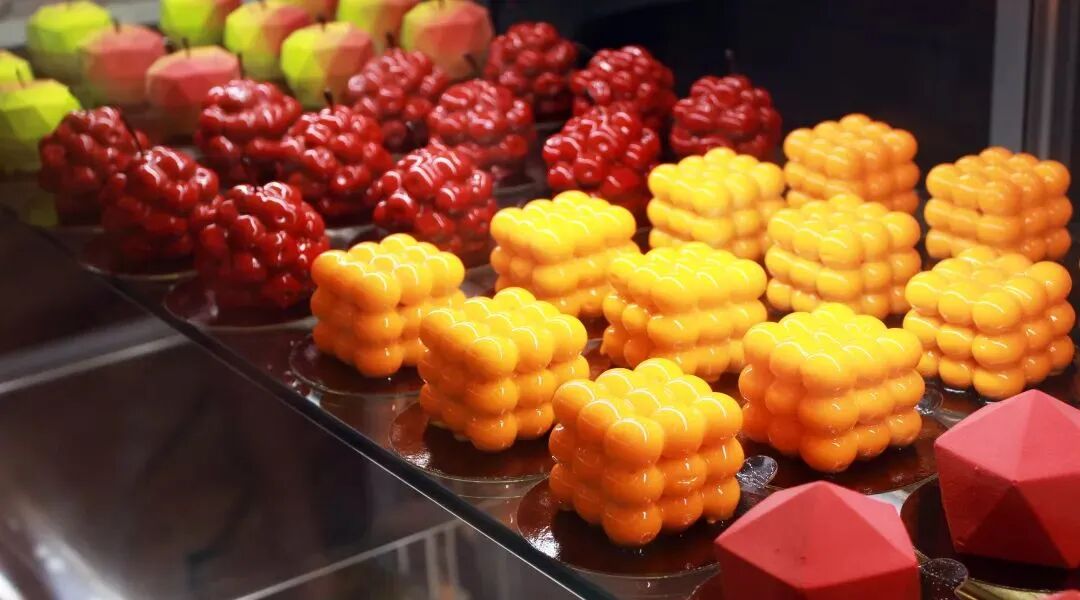
The original uses Boston’s Jonquils Cafe & Bakery and geometrical desserts associated with Dinara Kasko to illustrate printing and food aesthetics. The described method prints moulds used to make cakes, rather than printing every cake directly. The “first in the US” and founder attribution were not verified from primary material.
Its described method resembles FDM printing of a plastic tool: design and print a mould, then pour cake ingredients into it to control dimensions and proportions.
Treating cakes like architecture makes shape, size, structure, proportion, colour and texture deliberate. Geometric curves and corners create a precise visual aesthetic.
04: Feeding in concrete and producing a building?
Combining printing with architectural design may help meet housing needs and reduce environmental impacts. More building projects are testing that possibility.
TOVA is an IAAC Spanish building prototype printed from local earth. The project reports completion in seven weeks, no construction waste and a near-zero carbon footprint, using a Crane WASP printer. These project claims do not mean materials and construction consume no energy.
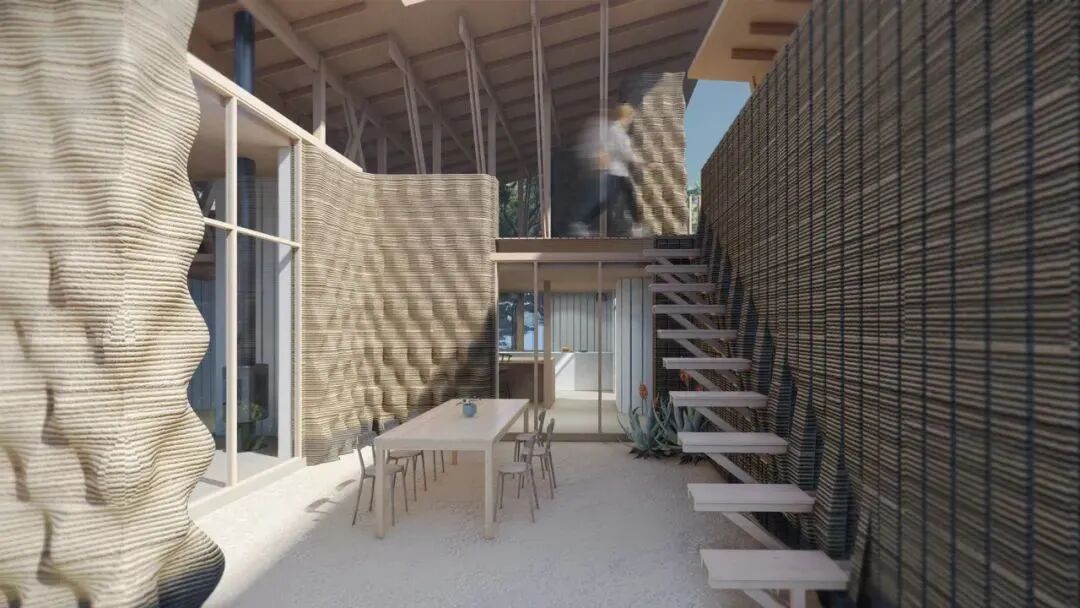
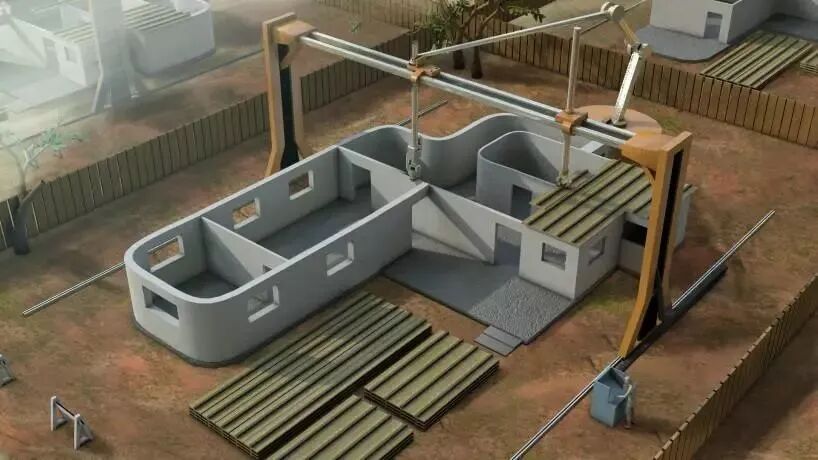
In 2020, a Tsinghua team led by Weiguo Xu designed a roughly 40-square-metre printed concrete home for low-income African communities, using a robotic mobile printing platform. A bedroom, dining area, kitchen and bathroom accommodated up to four people.
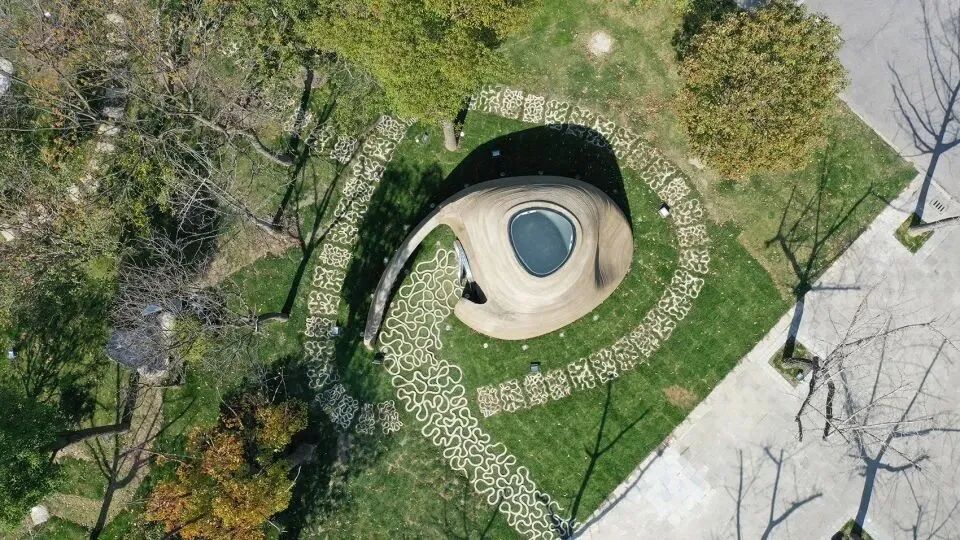
In March 2021, the team built a printed book house at Shanghai Baoshan’s Wisdom Bay technology park. A robot layered concrete into a curved form resembling a wireless earbud, with textured brown walls and printed paving. The circular interior of less than thirty square metres could hold fifteen people; the original likens its atmosphere to an Arctic setting.
What is your image of 3D printing: unrealistic film science fiction, or distant luxury technology in the news?
It has already entered clothing, food, housing, transport and ordinary life, and has reached the skies and space.
Benefiting society is the aspiration of advanced technology. Scientific responsibility and care for people can guide 3D printing’s further development.
Material in this article was sourced online; please contact us regarding any infringement.
Migration review: this survey preserves its roughly 2022 reporting and outlook; project statistics are not a current industry census. Patents, papers and official records informed corrections to technology history, medical prototypes and trial status, chip-policy boundaries and printed moulds. Lin Chih-ying’s treatment was not verified. Some aerospace production percentages, company counts and fashion “first” claims remain original reporting without independent item-by-item confirmation.
Historical review: Blanther patent
Historical review: 3D Systems timeline
Medical review: Melbourne jaw-joint case
Medical review: AuriNovo trial announcement
Medical review: the 2019 small heart prototype
Research source: ferroelectric nanodomain paper
Research source: quantum-dot nanoprinting paper
Policy review: Commerce 2023 CHIPS guardrails
Architecture review: IAAC TOVA
Drug review: FDA approval material
Sources and editorial history
Restored from a complete historical article exported from the PhDSciNet Official Account.
Editorial revision: Migration review: this survey preserves its roughly 2022 reporting and outlook; project statistics are not a current industry census. Patents, papers and official records informed corrections to technology history, medical prototypes and trial status, chip-policy boundaries and printed moulds. Lin Chih-ying’s treatment was not verified. Some aerospace production percentages, company counts and fashion “first” claims remain original reporting without independent item-by-item confirmation.