Historical commemorative article: The context is the ceremony for the 2020 National Science and Technology Awards held on 3 November 2021. “35 recipients,” ages, and cumulative figures refer to the manuscript’s historical context, not current statistics. The original publication date remains unverified.
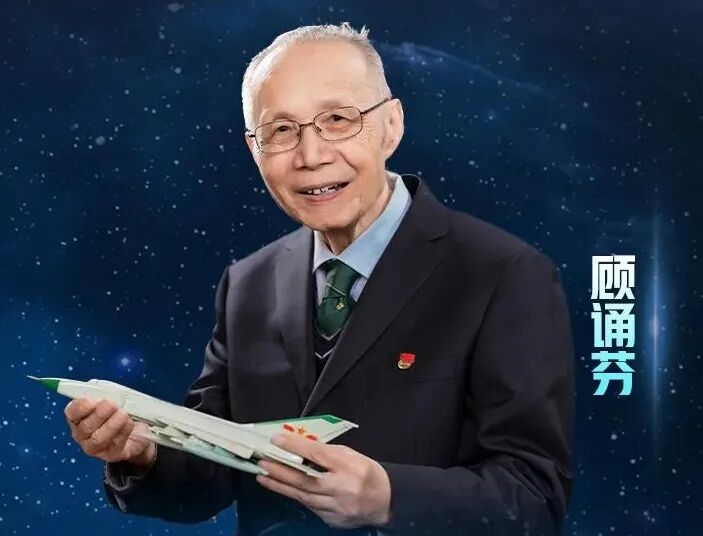
On 3 November 2021, the ceremony for the 2020 National Science and Technology Awards was held in Beijing. The State Preeminent Science and Technology Award was presented to Academician Gu Songfen, the 91-year-old master of aircraft design in the People’s Republic of China, and Academician Wang Dazhong, the 86-year-old internationally renowned nuclear-energy scientist. As of these awards for 2020, a cumulative total of 35 outstanding scientists had received this highest honour in Chinese science. Most began from scratch and relied on their own efforts, overcoming one technical challenge after another and making historic contributions to the country and its people.
“Frost upon frost is the blood of the heart, scattered like red autumn leaves across a thousand peaks.” The painstaking study, persistent exploration, and commitment to serving their country of successive generations of scientists have forged brilliant milestones in China’s scientific and technological history and enabled leapfrog advances.
In this issue, let us pay tribute to these pillars of the nation: shining stars and outstanding scholars!
Spreading their wings and dedicating themselves to the country
Academician Gu Songfen was the chief designer of China’s first independently developed twin-engine, high-altitude, high-speed fighter, the J-8. Over a lifetime, he witnessed and helped shape the path of using aviation to save, serve, and strengthen the country. Academician Wang Dazhong’s scientific journey has been closely entwined with China’s nuclear-energy industry. He devoted 60 years to it, focusing on nuclear-energy development and embodying Chinese scientists’ ideals and dedication through exceptional foresight and persistent effort.
#01: Gu Songfen: Devotion to the blue skies, forging “war eagles” for the country.
Academician Gu Songfen, recipient of the 2020 State Preeminent Science and Technology Award, is a master of aircraft design in the People’s Republic of China, a founding figure in aircraft aerodynamic design, and a member of both the Chinese Academy of Sciences and the Chinese Academy of Engineering.
Gu Songfen devoted himself to advancing China’s aviation science and technology, establishing its aircraft aerodynamic-design system. He led the development of the J-8 and J-8II supersonic fighters, pioneering the independent development of fighter aircraft in China. They became core combat equipment for China’s military in the twentieth century, and his work made outstanding contributions to 70 years of the country’s aviation industry.
#02: Wang Dazhong: A lifetime devoted to nuclear energy, serving the country without regret.
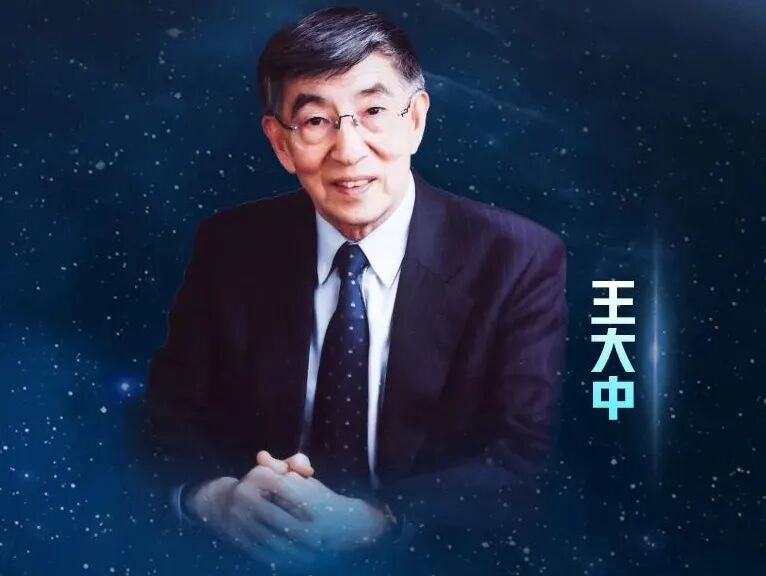
Academician Wang Dazhong, recipient of the 2020 State Preeminent Science and Technology Award, is a professor and former president of Tsinghua University, an internationally renowned nuclear-energy scientist, and a member of the Chinese Academy of Sciences.
Over decades of research and development in advanced nuclear-energy technology, Wang Dazhong led the research, design, and construction of the world’s first 5 MW integrated vessel-type low-temperature nuclear heating reactor and the world’s first 10 MW modular high-temperature gas-cooled experimental reactor with inherent safety features. He also vigorously promoted applications of both technologies. Guided by the central academic goal of improving nuclear-energy safety, he led Tsinghua’s nuclear-energy research team along a successful path toward advanced nuclear technology characterized by inherent safety.
Great universities, graduates across the world
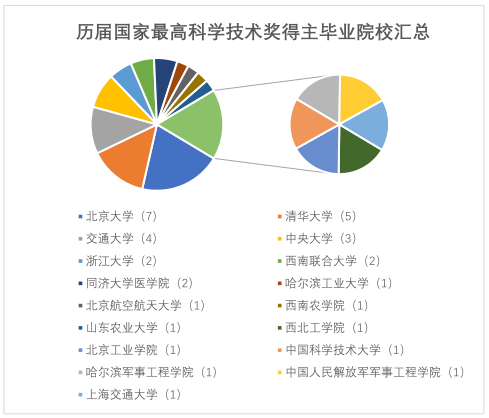
The 35 outstanding scientists who received the State Preeminent Science and Technology Award are deserving pillars of the nation, a brilliant constellation of stars. Looking at their alma maters—from National Southwest Associated University and Jiaotong University to Tsinghua, Peking University, Tongji, Zhejiang University, and others—many are leading and renowned Chinese institutions; some laureates also later studied at institutions abroad. These great, century-old universities have trained talent for the nation, with graduates across the world.
#01: Emerging from wartime to educate talent for the nation.
National Southwest Associated University was born amid the flames of the War of Resistance against Japanese Aggression. Although it existed for only eight years and eleven months, it preserved crucial scientific and educational capacity during the war and trained many highly accomplished people. Among them were State Preeminent Science and Technology Award recipients Liu Dongsheng, the “father of loess studies,” and Ye Duzheng, a principal founding figure of modern Chinese meteorology.
At a time of severe internal and external crises, National Southwest Associated University shouldered the responsibility of educating the next generation. This “Mount Everest in the history of Chinese education” inspired those who followed to admire its heights and emulate its exemplary conduct.
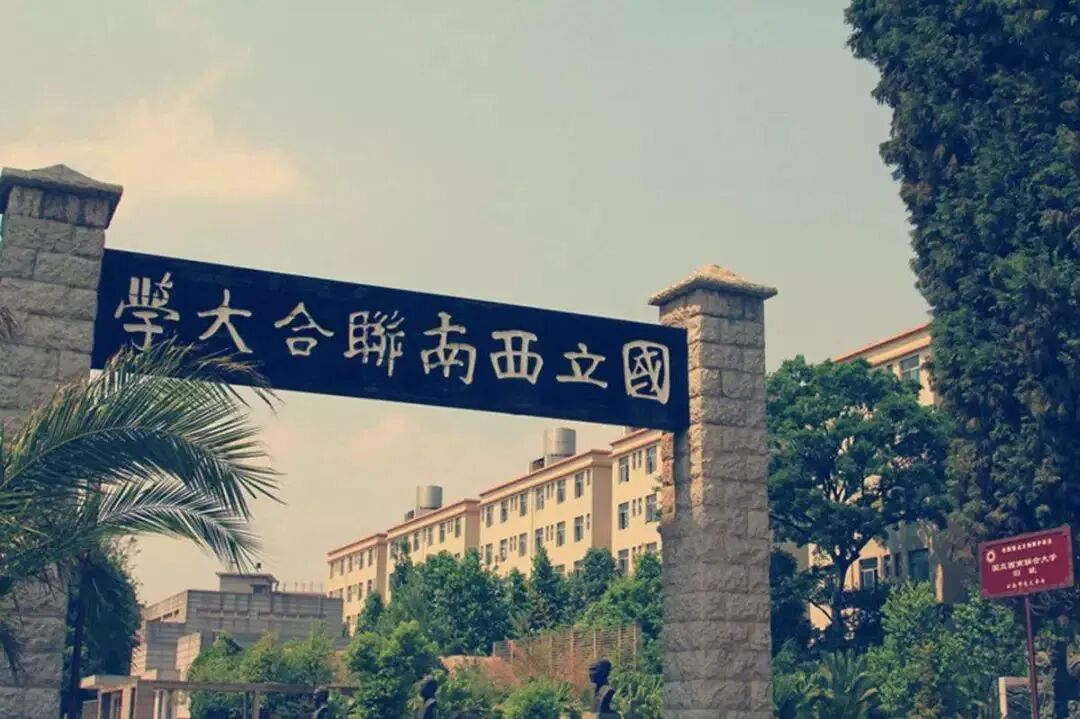
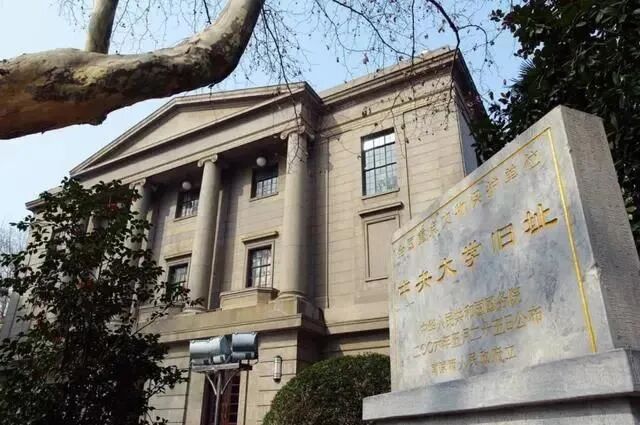
Jiaotong University and National Central University, likewise pinnacles of higher education in the previous century, are renowned at home and abroad. The former trained the celebrated mathematician Wu Wenjun, the “father of rare earths” Xu Guangxian, the “father of China’s nuclear submarines” Huang Xuhua, and the “father of the J-8” Gu Songfen. The latter trained award recipients including Min Enze, a founding figure in applied petroleum-refining catalysis; Wu Liangyong, a founder of the sciences of human settlements; and Zhang Cunhao, a founding figure in high-energy chemistry.
These jewels in the history of education underwent repeated transformations amid historical change. Their successor institutions spread across China, and their graduates made outstanding contributions in every walk of life.
#02: Moving into a new era and passing on the torch.
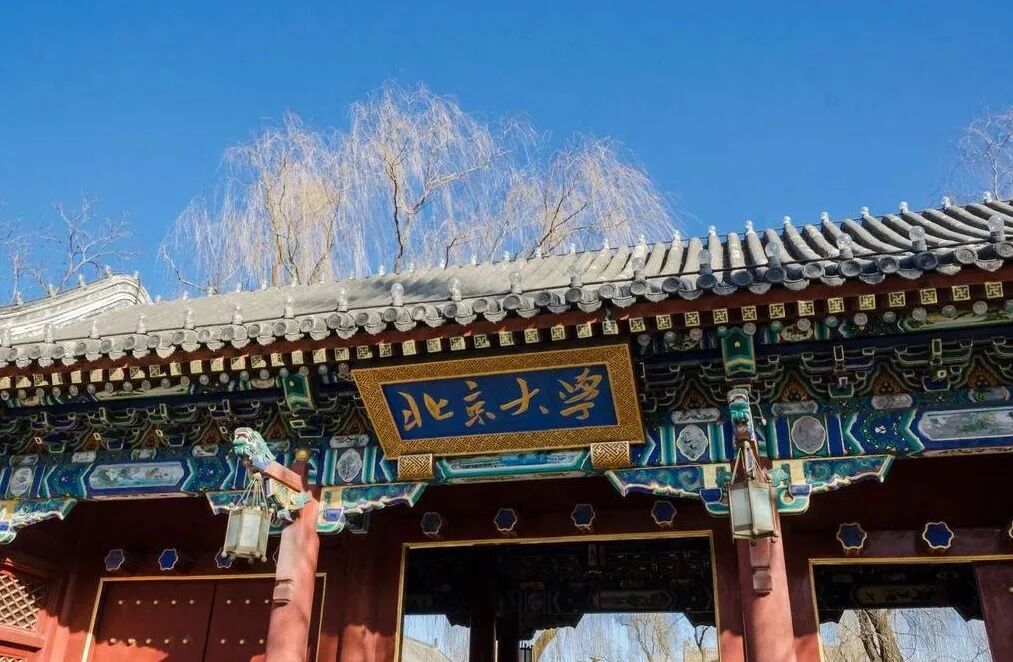
Peking University and Tsinghua University, China’s “gardens of masters,” have contributed many outstanding people to the country’s scientific and technological progress since their founding. Among the 35 recipients of the State Preeminent Science and Technology Award since the first awards for the year 2000, seven—Wang Xuan, Huang Kun, Wang Zhongcheng, Xie Jialin, Yu Min, Tu Youyou, and Zeng Qingcun—came from Peking University, and five—Jin Yilian, Wu Zhengyi, Zheng Zhemin, Liu Yongtan, and Wang Dazhong—from Tsinghua.
Unwavering in their original purpose of educating talent for the country and their spirit of striving in research, these two leading universities, with graduates worldwide, have left a profound mark on Chinese science and technology and propelled its rapid development in the new era.
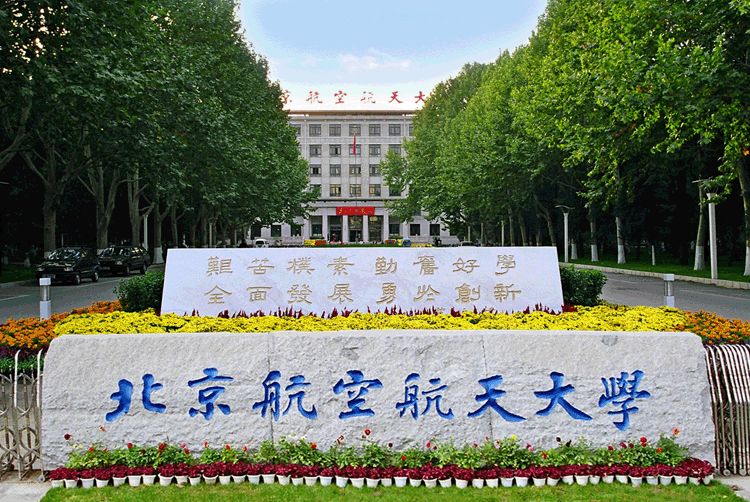
Training talent also depends on specialized universities and their professional strengths. Among award recipients, Yuan Longping, the “father of hybrid rice,” graduated from Southwest Agricultural College; the renowned geneticist and wheat breeder Li Zhensheng from Shandong Agricultural College; Wang Yongzhi, a pioneer of China’s crewed-space programme, from the Moscow Aviation Institute; Wu Mengchao, the “father of Chinese hepatobiliary surgery,” from Tongji University’s medical school; and protective-engineering expert Qian Qihu from the PLA Military Engineering Institute. The joint efforts of these specialized institutions and scientists have enabled Chinese research to flourish across fields.
Different universities share the same educational purpose and mission: to teach what the country needs and nurture the talent the nation seeks. Harbin Institute of Technology (Sun Jiadong), Northwestern Engineering Institute (Shi Changxu), Beijing Institute of Technology (Wang Xiaomo), the University of Science and Technology of China (Zhao Zhongxian), Zhejiang University (Cheng Kaijia), and Harbin Military Engineering Institute (Wang Zeshan)—perhaps you have not heard all these names. But we must remember that every new era and every rapid technological advance depends on dreamers who work quietly behind the scenes and move with the times.
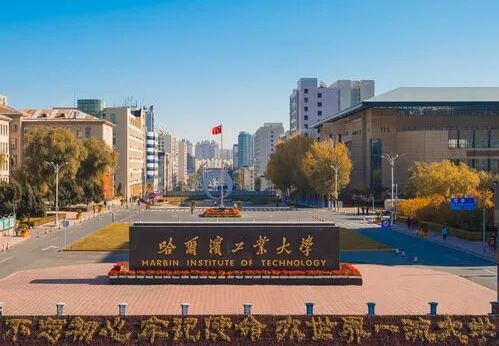
Talent emerges; stars shine
Agriculture underpins people’s livelihoods; medicine safeguards life; defence and heavy industry protect national security; and crewed flight demonstrates a great country’s strength. From agriculture to medicine, and from defence to aviation, countless researchers across fields study painstakingly—a brilliant constellation of shining stars.
#01: Overcoming hunger through agricultural science: Chinese people can feed themselves!
Without agriculture there is no stability; without food there is disorder. Agriculture is fundamental to a country. To help people live well, we must first ensure that they have enough to eat.
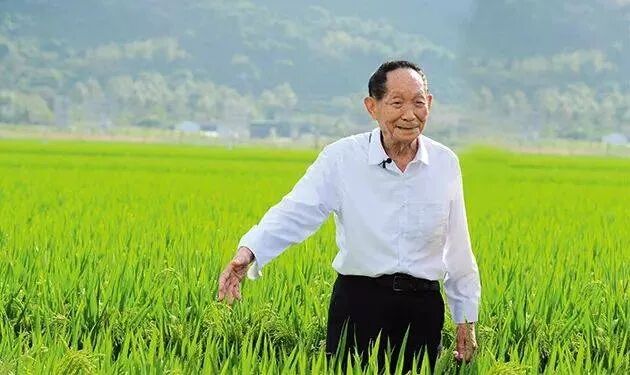
In the early 1960s, China experienced three years of natural disasters. People collapsed from hunger by roads, field ridges, and under bridges. Deeply hurt by these scenes, Yuan Longping, recipient of the 2000 State Preeminent Science and Technology Award, resolved to overcome hunger through agricultural science. He turned to rice breeding, which the country urgently needed. After nine full years, the “three-line system” for hybrid rice finally succeeded, yielding about 20% more than conventional rice and achieving a historic breakthrough.
This food fed hundreds of millions of Chinese people.
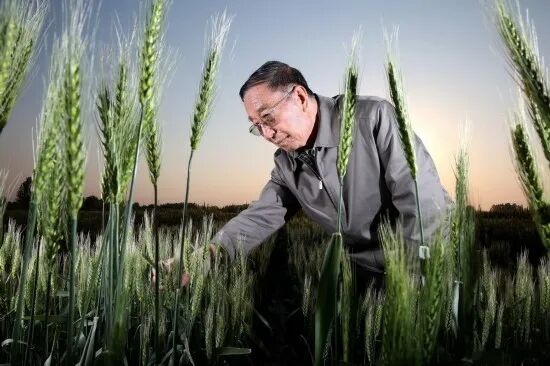
In northern China, Academician Li Zhensheng, recipient of the 2006 State Preeminent Science and Technology Award, studied wheat and developed improved varieties, at one point helping wheat yields surpass those of rice.
A founding figure in Chinese “hybrid wheat,” Li Zhensheng was an agronomist whose work helped place Chinese wheat at the forefront internationally. He developed Xiaoyan 6, a new variety from a distant cross between wheat and tall wheatgrass. It became an important foundational parent in Chinese wheat breeding, increasing wheat production by more than 15 billion jin.
At the Boao Forum in 2005, drawing on extensive data analysis and the trajectory of China’s grain production, he directly challenged Lester Brown: “Chinese people can feed themselves! That is true now, and in the future we believe that, with the right policies and advances in science, technology, and the economy, we will certainly continue to feed ourselves!”
#02: Medicine has limits; only love can illuminate the soul.
Wu Mengchao, recipient of the 2005 State Preeminent Science and Technology Award and the father of Chinese hepatobiliary surgery, practised medicine for nearly 80 years and saved more than 16,000 patients from death. He laid the foundations for hepatobiliary surgery in the People’s Republic of China, raising the success rate of liver-cancer surgery from below 50% to above 90%. He pioneered liver resection with intermittent hepatic inflow occlusion at normal temperature and bloodless liver resection at normal temperature in China, and performed the world’s first resection of the middle lobe of the liver.
With a scalpel in his hand, he moved precisely through the liver and biliary system. With a fire in his heart, he kept his promise, never letting it go out. He was an untiring old horse, determined to carry patients across the river one by one. With such great love in his heart, any difficulty could be overcome.
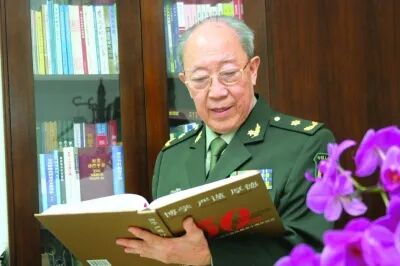
#03: Forging a shield with one’s life and strengthening the nation’s maritime defences.
Cheng Kaijia, recipient of the 2013 State Preeminent Science and Technology Award, worked anonymously for China’s nuclear-testing programme in Lop Nur for 24 years. During more than 20 years in the Gobi Desert, he served successively as deputy director and director of the Nuclear Test Technology Institute and deputy commander of the nuclear-testing base, while also serving as deputy director of the Nuclear Weapons Research Institute and deputy head of its research academy.
On 16 October 1964, China successfully detonated its first independently developed atomic bomb. In June 1967, its first air-dropped hydrogen-bomb test succeeded, a mushroom cloud rising over the Gobi. From the first atomic-bomb explosion to the first successful hydrogen-bomb test, the United States took seven years and three months; the Soviet Union, six years and three months; the United Kingdom, four years and seven months; and France, eight years and six months. China took only two years and eight months. Behind these achievements were many unsung heroes like Cheng Kaijia, who devoted their lives to China’s nuclear-testing programme.
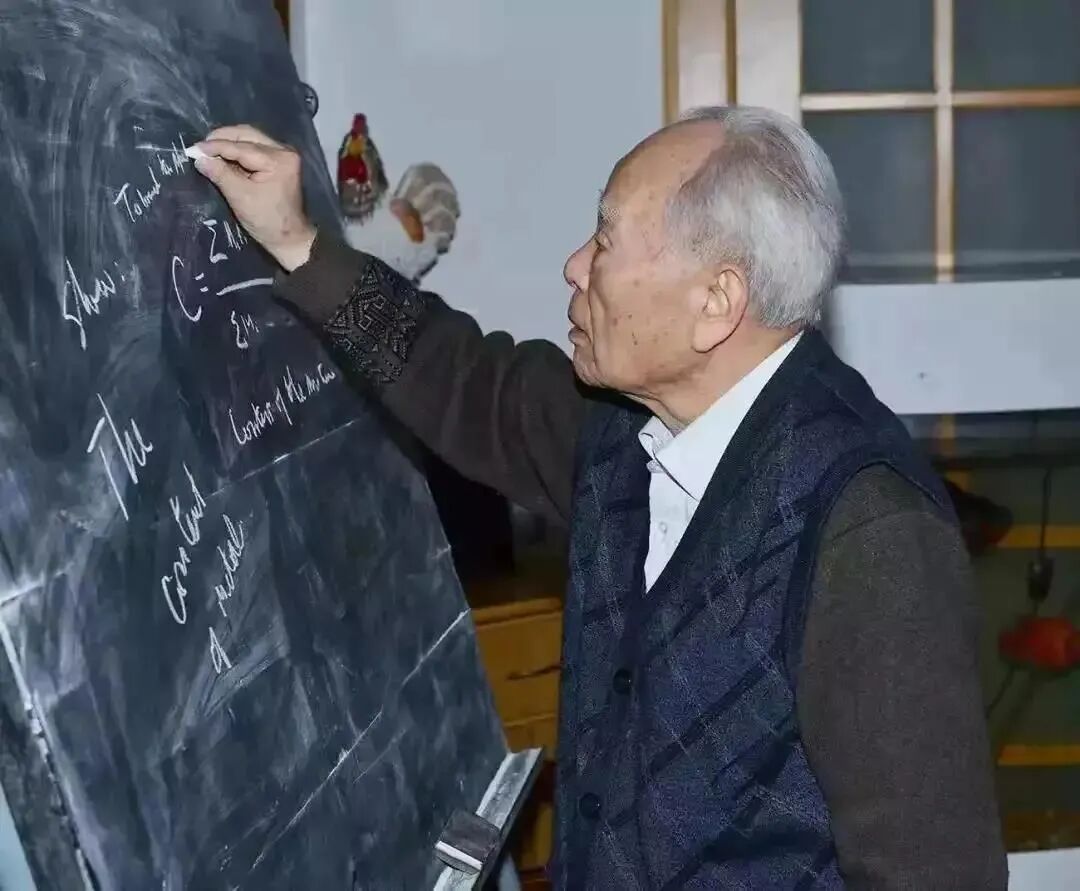
Liu Yongtan, recipient of the 2018 State Preeminent Science and Technology Award: Stealth aircraft pose challenges for radar detection. Liu led a team researching a new radar system and overcoming difficulties in target detection against sea clutter, long-range detection signals, and system-model design, making important contributions to China’s maritime early-warning technology. The manuscript’s assertions that the F-22 was “the world’s best,” had a fixed radar cross-section of 0.01 square metres, and had “nowhere to hide” lack verifiable support and are not retained as established technical conclusions.
Over decades of research, Liu Yongtan led his team in independently developing a new radar system, building an impregnable maritime-defence wall for the country.
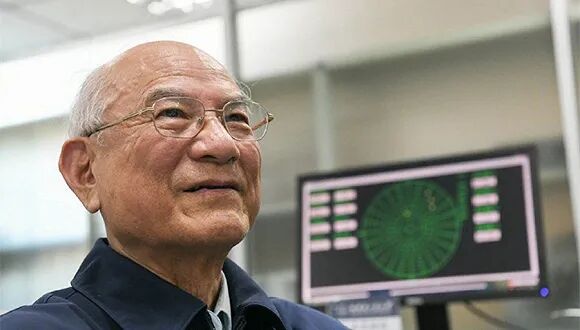
#04: Our journey lies among the stars and across the oceans.
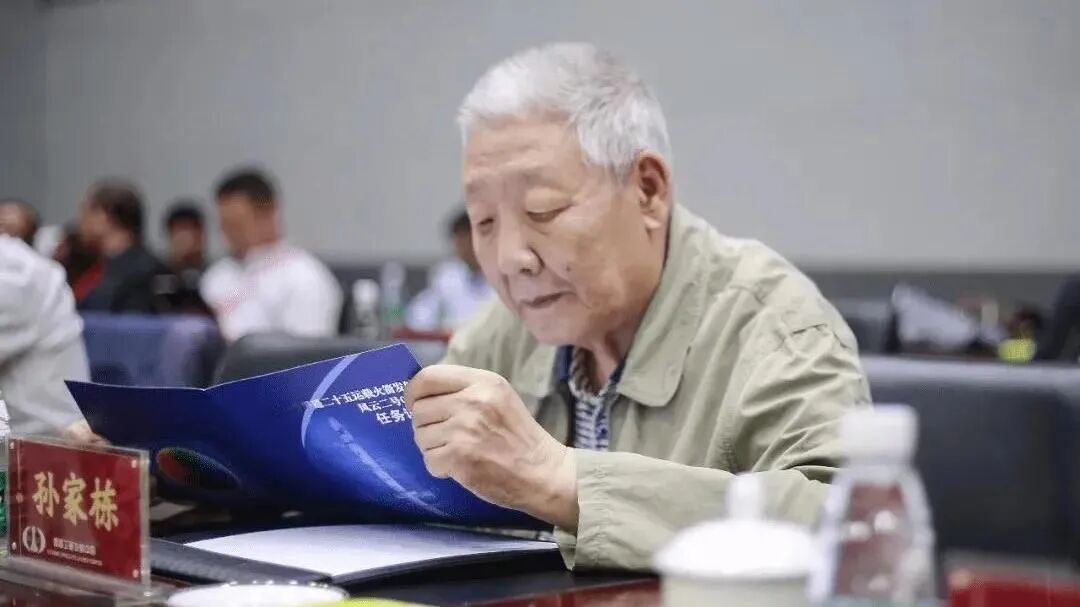
Sun Jiadong, recipient of the 2009 State Preeminent Science and Technology Award: Reading the life of this “chief designer of Chinese spaceflight” is like reading the history of space development in the People’s Republic of China. From Dong Fang Hong 1 to Chang’e 1, and from Fengyun meteorological satellites to BeiDou navigation satellites, he led work behind one enormous project after another.
He is both the youngest of the distinguished contributors to “two bombs and one satellite” and the oldest chief designer of satellite engineering. When China formally launched its lunar-exploration programme in 2004, Sun Jiadong, already 75, once again took on the role of chief designer. Missiles, satellites, Chang’e, and BeiDou: a sky full of stars writes his legend. Beyond seventy, he still did not rest, continuing to entrust his devotion to the heavens.
Resilient roses in full bloom
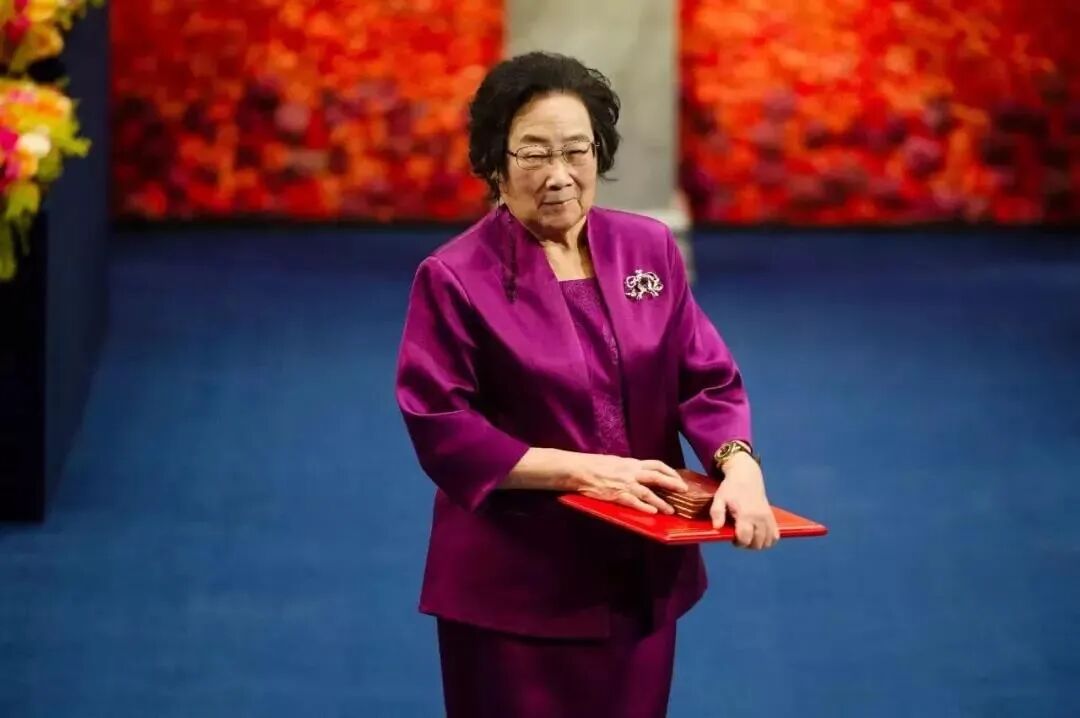
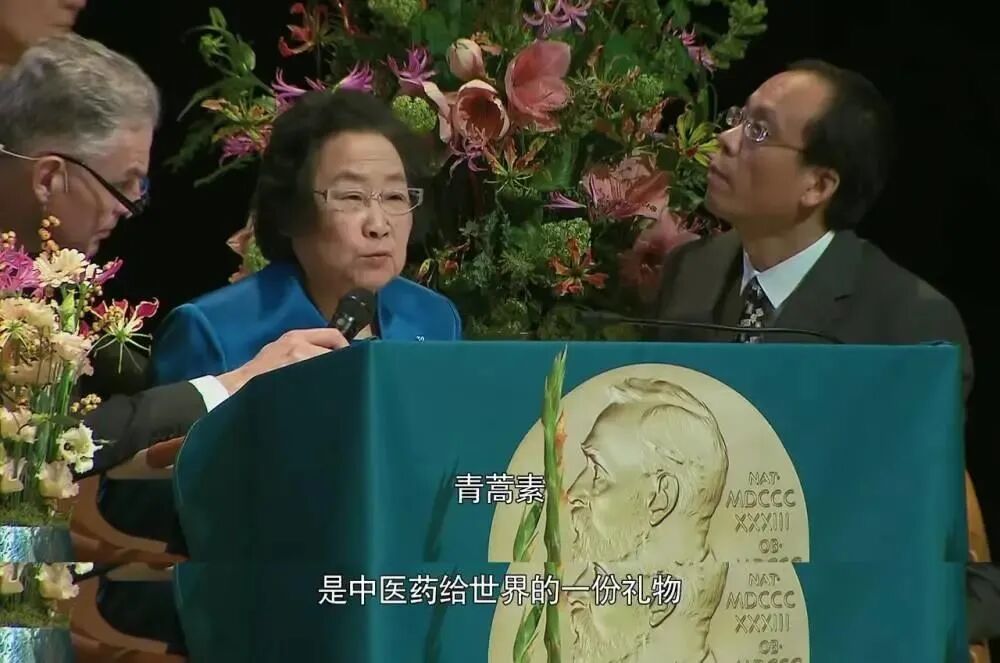
In research, gender never needs to stand in the way of striving forward. Tu Youyou, the first woman to receive the State Preeminent Science and Technology Award, held to her scientific ideals even in difficult times and pressed on in the pursuit of truth. Crowned with honours like a resilient rose, she offered humanity new hope in combating malaria and showed the world the vitality of traditional Chinese medicine.
Tu Youyou: Artemisinin is a gift from traditional Chinese medicine to the world.
Tu Youyou, recipient of the 2016 State Preeminent Science and Technology Award, was its first female recipient, one of the first recipients of the Medal of the Republic, and the first Chinese recipient of the Nobel Prize in Physiology or Medicine. Beneath these weighty honours lay years of persistence in the laboratory and steadfastness amid rumours and controversy. Through years of work, she never forgot her original purpose of helping people and finally received her honours.
In 1967, the Vietnam War had become a prolonged struggle and malaria swept through the war zone. Against this historical background, a research collective of more than 60 Chinese institutions and over 500 researchers quietly began a special mission code-named “523,” aimed at developing new drugs to prevent and treat malaria. Two years later, the Institute of Chinese Materia Medica at the China Academy of Traditional Chinese Medicine, where Tu Youyou worked, accepted a Project 523 assignment. Tu, then a researcher at the institute, was appointed team leader. At age 39, circumstances brought her to the most important research of her life.
After many experiments and failures, Tu Youyou’s team found on 4 October 1971 that Qinghao ethyl-ether extract sample No. 191 achieved 100% inhibition in a rodent-malaria experiment. “Sample No. 191” should not simply be described as “the 191st experiment,” and an animal-experiment result is not a human clinical efficacy rate. The manuscript also states that more than 6,000 clinical cases were treated in China in 1974 with good results; that particular figure has not been independently verified in this review. The world began to notice this antimalarial drug: artemisinin.
In 1993, a dihydroartemisinin product named Cotexin entered Kenya, where malaria was widespread. Over the next six years, it gradually became part of local antimalarial treatment. Artemisinin and artemisinin-based combination therapies have made important contributions to combating malaria globally. However, the manuscript’s summary of prevalence falling from 15% to 2.2% in African countries using artemisinin specifies neither the population, the countries, nor the statistical measure. It cannot establish that the change was attributable entirely to one drug. Those unverified percentages are not retained as statistical conclusions.
Outstanding scholars and pillars of the nation, they are shining stars whose light illuminates China. The 35 recipients of the State Preeminent Science and Technology Award graduated from different universities and worked in different fields, yet shared the same original commitment to serving their country and the same determination maintained over decades.
Choose one endeavour and devote a lifetime to it: give the country your wholehearted dedication and commit your youth to research without regret. A tribute to these remarkable pillars of the nation!
Some material in this article comes from the internet. Please contact us for removal in the event of infringement.
Editorial note
Migration preserves the complete biographical narrative and original captions while making the cumulative count explicitly historical to 2021. Minimum corrections address Wang Yongzhi’s graduating institution and the meaning of Qinghao sample No. 191 and its rodent-malaria result. Unsupported F-22 performance claims and malaria-prevalence figures with unspecified measures are not retained as technical or statistical conclusions. Other historical cumulative figures and commemorative evaluations remain as presented in the manuscript, without an independent encyclopedic audit of every detail.
Supporting references
State Council: Decision on the 2020 National Science and Technology Awards
Chinese Academy of Engineering: Wang Yongzhi biography
Tsinghua University: Wang Dazhong’s nuclear-energy research
Harbin Institute of Technology: Liu Yongtan’s radar research
Tu Youyou: Sample No. 191 and animal experiments in her Nobel autobiography
WHO: World Malaria Report 2013
Sources and editorial history
Restored from a complete historical article exported from the PhDSciNet Official Account.
Editorial revision: Migration preserves the complete biographical narrative and original captions while making the cumulative count explicitly historical to 2021. Minimum corrections address Wang Yongzhi’s graduating institution and the meaning of Qinghao sample No. 191 and its rodent-malaria result. Unsupported F-22 performance claims and malaria-prevalence figures with unspecified measures are not retained as technical or statistical conclusions. Other historical cumulative figures and commemorative evaluations remain as presented in the manuscript, without an independent encyclopedic audit of every detail.