English translation of the original Chinese article. Publication dates and the extent of recovered text are preserved. Figures retain their original labels. Read the Chinese original.
张振
University of Bordeaux, France / Materials Chemistry
Keywords: cellulose, starch, digestion
Today, I would like to introduce an interesting and remarkable material: cellulose.
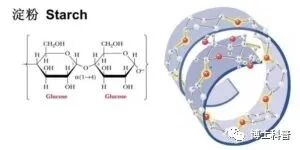
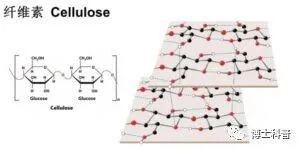
Cellulose may sound a little unfamiliar, but we use it every day. Its twin, starch, is probably much more familiar. Cellulose and starch actually have exactly the same chemical composition and formula, both being (C6H10O5)n, and both are polymers. Starch is the main component of rice and wheat, our staple foods, and sweet potatoes and potatoes are also rich in it. Cellulose, meanwhile, is a major component of plants such as trees and grasses. We can eat wheat and rice but cannot obtain energy by eating leaves and bark because we can digest starch but not cellulose. Animals such as cattle and sheep, however, can grow by eating grass and straw. The only difference between cellulose and starch is the way their glucose units are bonded: cellulose links neighboring glucose units through β bonds, while starch links them through α bonds, as shown below:
Figure 1: Molecular structures of cellulose and starch
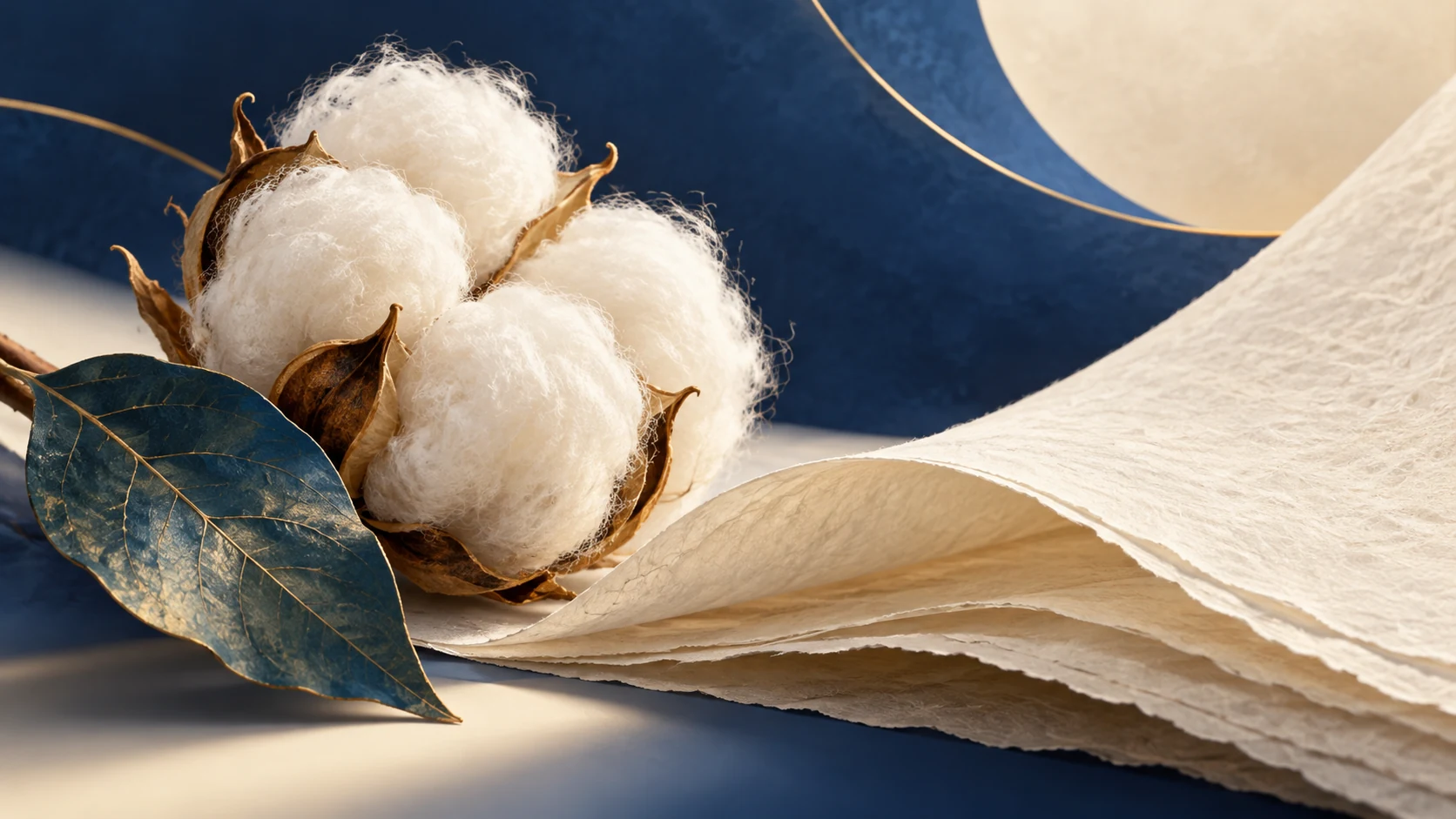
In starch, glucose units are connected through α bonds (1 to 4 in Figure 1). These bonds are angled rather than lying in the same plane, so starch molecules form a helical structure in space. Iodine molecules can enter the center of this helix, which is why starch turns blue in the presence of iodine. This is also a simple way to distinguish starch from cellulose. α bonds are less stable than β bonds, so starch is readily digested by humans. In cellulose, glucose units are connected through β bonds (1 to 4 in Figure 1). These bonds and the glucose units lie in the same plane, forming a layered structure whose layers are linked by hydrogen bonds. It is relatively stable and cannot be digested by humans. The stomachs of cattle and sheep are more complicated than human stomachs and contain bacteria and other organisms that can break down even cellulose’s relatively stable structure, allowing the animals to absorb the products of its breakdown. This stable structure also gives cellulose a degree of physical strength. It can therefore be used to make tables, chairs, wooden houses, and other items, and is also the main component of the cotton clothes we wear.
Just a slight difference in bonding angle leads to an enormous difference between starch and cellulose.
Humans cannot do without either starch or cellulose. Starch is our staple food. Long ago, people obtained energy by burning wood; today, our cotton clothes, tables, chairs, and many other objects are made of cellulose. Cellulose is the most abundant biopolymer on Earth, storing more than half the carbon in the biosphere. Through photosynthesis, plants convert atmospheric CO2 into glucose units, then store them in the form of cellulose or starch.
Because we cannot digest cellulose, for a long time we thought it played no role in our diets. As nutrition and related sciences developed, however, people gradually recognized that dietary fiber has important physiological functions. With diets becoming increasingly refined, dietary fiber has attracted attention from both researchers and the public, and has been additionally recognized in nutrition as a seventh category of nutrient alongside the traditional six: proteins, fats, carbohydrates, vitamins, minerals, and water. In the digestive system, cellulose absorbs water, increasing the volume of food in the stomach and intestines and promoting a feeling of fullness. It also promotes gastrointestinal movement and can relieve constipation. Dietary fiber can additionally adsorb harmful substances in the intestines to facilitate their elimination. Some vegetables, such as celery, are rich in dietary fiber.
The concepts of fiber and cellulose may be somewhat confusing. Cellulose is a polymer. “Fiber,” meanwhile, describes a material’s form: any slender, threadlike material is called a fiber. Fiber and cellulose are therefore entirely different concepts. Another material readers may recognize, whose name is related to the English pronunciation of cellulose, is celluloid. Celluloid is an early plastic made primarily from nitrocellulose and camphor, and was once used to make table-tennis balls.
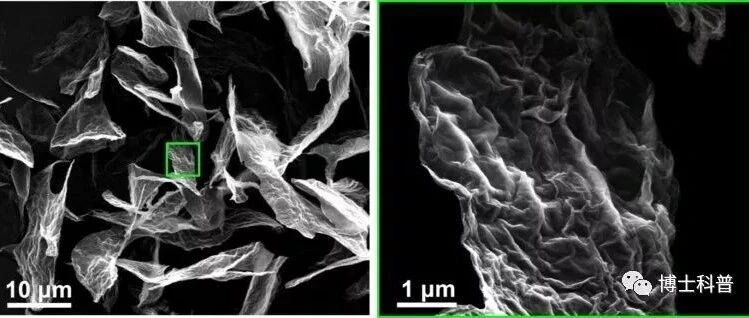
As nanotechnology develops and our understanding of cellulose deepens, researchers have discovered a nanomaterial in wood fibers: cellulose nanocrystals. Cellulose nanocrystals have a tensile strength greater than that of steel cables. If you would like to know more about them, stay tuned for the next installment.
*This article represents the authors’ personal views and does not represent the views of this website. Other media, websites, or individuals reusing or republishing it must acknowledge the source and assume responsibility for copyright and other legal matters. Authors who do not wish to have their work republished, or who wish to discuss remuneration or other republication matters, should contact us.
Illustrations from the matching WeChat article
The following illustrations were recovered from the matching article retained in the WeChat account and restored in their original order.
Sources for this revision: American Chemical Society · Bakelite and early plastics.
Additional illustrations were recovered from the matching article retained in the WeChat account and collected after the main text; the archived text and existing editorial corrections are retained.
Editorial revision note: On October 10, 2026, the typographical error “digested cellulose” in the celluloid paragraph was corrected, and its nitrocellulose and camphor components were clarified. The original author and publication record are retained.