English translation of the original Chinese article. Publication dates and the extent of recovered text are preserved. Figures retain their original labels. Read the Chinese original.
陈建香
School of Chemistry and Chemical Engineering, Yangzhou University
Keywords: biodegradability, polylactic acid, plastics
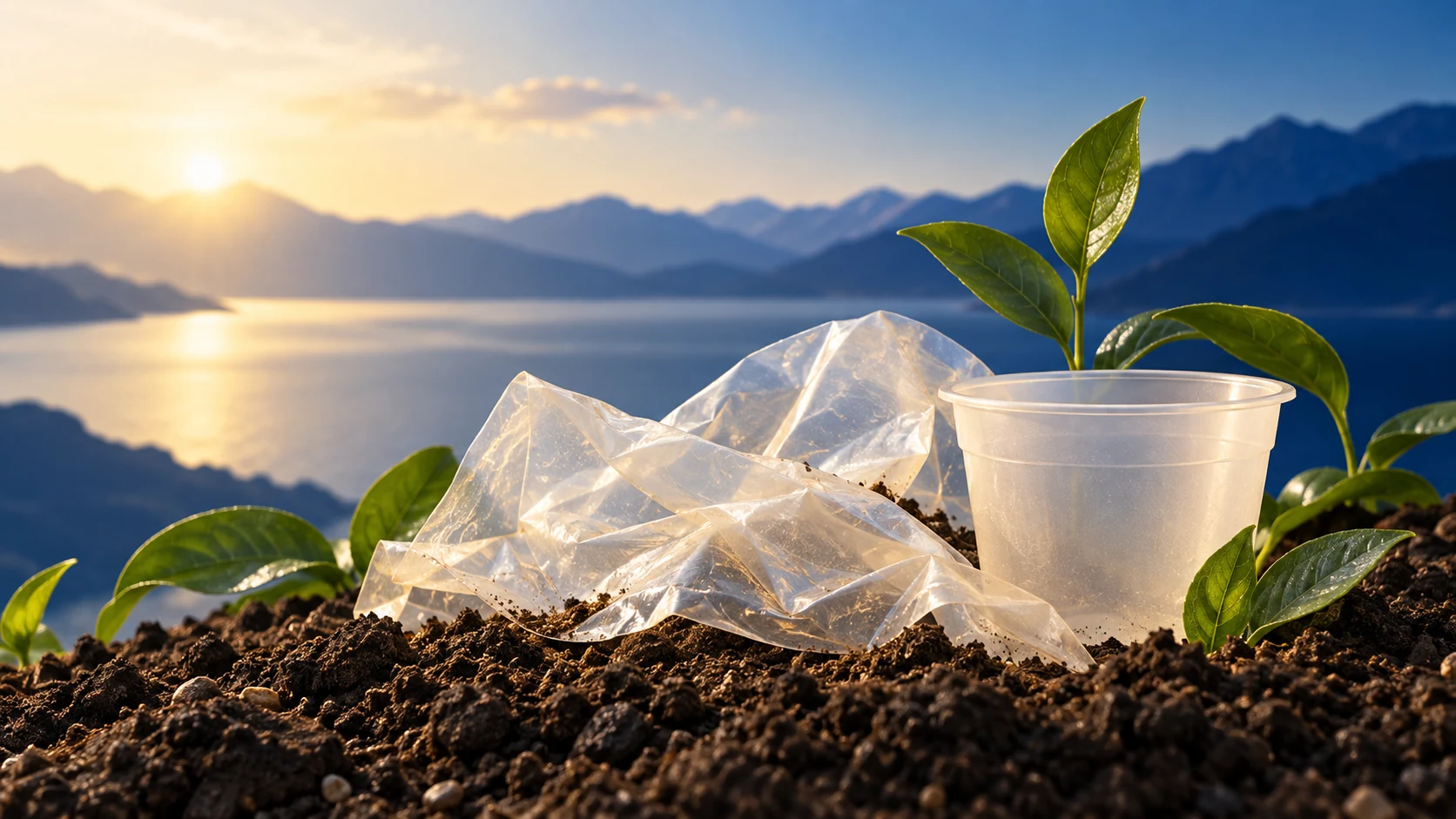
In recent years, the extensive use of nondegradable plastics has caused serious environmental pollution, making the development of nontoxic, environmentally friendly materials urgent. Dwindling petroleum resources have also prompted the search for a new generation of materials that do not depend on petroleum. Biodegradable materials have therefore attracted increasing attention.
Biodegradable materials are a class of materials that microorganisms in the natural environment can break down into water and carbon dioxide, returning them to nature. By their characteristics, they can be divided into completely biodegradable polymers and biodisintegrable polymers. By origin, they can be divided into natural polymers, microbially synthesized biodegradable materials and chemically synthesized biodegradable materials. Natural polymers mainly include cellulose, hemicellulose, starch, chitin, lignin, pectin and chitosan [1–3]. Microbially synthesized biodegradable materials mainly include polyhydroxybutyrate and polyhydroxyvalerate [4–6]. Chemically synthesized biodegradable materials mainly include polylactic acid, polycaprolactone, polybutylene succinate and polypropylene carbonate [7–11].
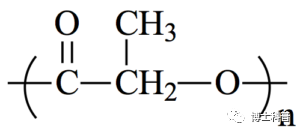
Chemically synthesized biodegradable polymers have attracted increasing attention because of advantages such as plasticity, processability and relatively low production costs. Among them, polylactic acid (PLA) is the simplest and most representative biodegradable linear aliphatic polyester. PLA is produced through dehydration polymerization of lactic acid, a natural organic acid. Its general structural formula is:
The chiral carbon atoms in PLA give rise to several stereoisomeric forms, including meso/racemic poly(D, L-lactic acid) (PDLLA), poly(L-lactic acid) (PLLA) and poly(D-lactic acid) (PDLA). PDLLA is amorphous, whereas PLLA and PDLA have good crystallization properties.
Polylactic acid has advantages such as excellent tensile strength, good transparency, solvent resistance and processability. It has therefore gradually found everyday applications in agricultural films, packaging bags, packaging boxes and textiles. In addition, because of its good biocompatibility and tissue absorbability, PLA has successfully been used in biomedical applications such as surgical sutures, bone-support materials and sustained-release drug carriers [12–13].
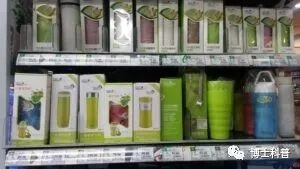
Figure 1: A polylactic acid drinking cup
References:
[1] Edgar, K. J.; Buchanan, C. M,; Debenham, J. S.; Rundquist, P. A.; Seiler, B. D.; Shelton, M. C.; Tindall, D. Advances in cellulose ester performance and application. Prog. Polym. Sci. 2001, 26: 1605-1688.
[2] Rinaudo, M. Chitin and chitosan: properties and applications. Prog. Polym. Sci. 2006, 31: 603-632.
[3] Kumar, R.; Majeti, N. V. A review of chitin and chitosan applications. React. Funct. Polym. 2000, 46: 1-27.
[4] Ohkoshi, I.; Abe, H.; Doi, Y. Miscibility and solid-state structures for blends of poly[(S)-lactide] with atactic poly[(R,S)-3-hydroxybutyrate]. Polymer 2000, 41: 5985-5992.
[5] Koyama, N,; Doi, Y. Miscibility of binary blends of poly[(R)-3-hydroxybutyric acid] and poly[(S)-lactic acid]. Polymer 1997, 38: 1589-1593.
[6] Kikkawa, Y.; Suzuki, T.; Tsuge, T.; Kanesato, M.; Doi, Y.; Abe, H. Phase structure and enzymatic degradation of poly(L-lactide)/atactic poly(3-hydroxybutyrate) blends: an atomic force microscopy study. Biomacromolecules 2006, 7: 1921-1928.
[7] Kumagai, Y.; Doi, Y. Enzymatic degradation and morphologies of binary blends of microbial poly(3-hydroxy butyrate) with poly( ε -caprolactone), poly(1,4-butylene adipate and poly(vinyl acetate). Polym. Degrad. Stab. 1992, 36: 241-248.
[8] Calil, M. R.; Gaboardi, F.; Guedes, C. G. F.; Rosa, D. S. Comparison of the biodegradation of poly( ε -caprolactone), cellulose acetate and their blends by the sturm test and selected cultured fungi. Polym. Test. 2006, 25: 597-604.
[9] Gupta, B.; Revagade, N.; Hilborn, J. Poly(lactic acid) fiber: an overview. Prog. Polym. Sci. 2007, 32: 455-482.
[10] Okada, M. Chemical syntheses of biodegradable polymers. Prog. Polym. Sci. 2002, 27:87-133.
[11] Yu, L.; Dean, K.; Li, L. Polymer blends and composites from renewable resources. Prog. Polym. Sci. 2006, 31: 576-602.
[12] Ise, D. L.; Fellmann, T. D.; Sanderson, J. E.; Wentworth, R. L. Lactic/glycolic acid polymers,in: drug carriers in biology and medicine. Academic Press: London, New York, 1979.
[13] Ajioka M, Enomoto K, Suzuki K, Yamaguchi A. Basic properties of polylactic acid produced by the direct condensation polymerization of lactic acid. Bull. Chem. Soc. Jpn.1995, 68: 2125-2131.
*This article represents the author's personal views, not those of this website. Other media, websites or individuals reproducing material from this website must acknowledge its source and assume responsibility for copyright and other legal matters. Authors who do not wish their work to be reproduced, or who wish to discuss reproduction fees or related matters, should contact us.
Images from the matching WeChat article
The following images were recovered from the matching article retained by the WeChat account and restored in their original order.
Additional images were recovered from the matching article retained by the WeChat account and grouped after the main text. The historical archive text and existing editorial corrections are preserved.