
Historical medical-regulatory article: The manuscript’s reporting and views concerning events in 2021 are preserved below. “Recent,” “current,” and drug information refer to that historical context, not present licensing, availability, or treatment recommendations. The original publication date remains unverified.
The FDA: A Century of Pharmaceutical Oversight
The U.S. Food and Drug Administration, or FDA, regulates food, cosmetics, drugs, biological products, medical devices, radiation-emitting products, and other products manufactured in or imported into the United States. Its modern regulatory functions date to 1906, and it adopted its present name in 1930. The manuscript describes growth from just over twenty people to 17,000 employees and regulated products worth approximately one-quarter of U.S. GDP, but provides no statistical year or measure; these are not presented as current statistics. The FDA has considerable influence on the global pharmaceutical industry. Regulatory responsibility does not guarantee that every product is risk-free, and not every product category requires premarket approval.
Yet while newly developed drugs and therapies receive FDA approval and enter the market to benefit patients awaiting treatment, some approval and regulatory decisions have drawn public criticism. In this issue, let us look at recent approvals and events.
The FDA’s past and present
At the start of the twentieth century, counterfeit and substandard products, false advertising, drug misuse, and accidental ingestion were rife in the U.S. market. The FDA emerged in response, with a responsibility to protect consumers’ health.
#01: Modern regulatory functions began in 1906.
At the beginning of the twentieth century, the documentary novel The Jungle exposed abuses in food production and processing in the United States. It made President Theodore Roosevelt recognize the seriousness of food-safety problems. In 1906, he enacted the Pure Food and Drugs Act, marking an important beginning of the agency’s modern food-and-drug regulatory functions; the name FDA was adopted in 1930.

#02: The 1937 “Elixir Sulfanilamide” disaster.
In 1937, the United States experienced the Elixir Sulfanilamide disaster. To make a new oral sulfanilamide formulation easier for children to take, a pharmaceutical company used diethylene glycol as an untested solvent. Soon after the product reached the market, more than a hundred people died after taking it. The culprit was the toxic solvent diethylene glycol.
The disaster prompted Congress to pass the Federal Food, Drug, and Cosmetic Act in 1938, marking the FDA’s focus on the safety of drugs before marketing.

#03: The 1962 thalidomide episode.
By the period around 1962, thalidomide had been used in multiple countries and linked to severe birth defects. FDA medical reviewer Dr. Frances Kelsey had already withheld approval during her review in 1960 because safety data were inadequate. Researchers in Germany and Australia subsequently connected the drug with severe limb defects. Her role should not be described as first discovering all the evidence of teratogenicity in premarketing reports.
The thalidomide disaster prompted Congress to expedite passage of the Kefauver–Harris Drug Amendments, marking the FDA’s focus on drug effectiveness and the importance of clinical trials.

Selected FDA drug approvals and development milestones in 2021
In 2021, several drugs and new therapies received FDA approval and entered the U.S. market, with indications ranging from mental illness and immune disorders to cancer. They offered new hope to patients awaiting treatment. The list below also includes a breakthrough-therapy designation. This expedites development and review; it is not itself marketing approval.
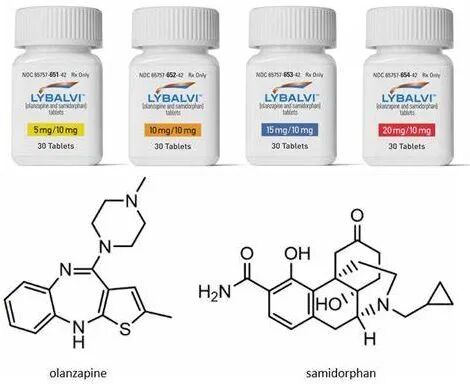
#01: Lybalvi: Adult schizophrenia and bipolar I disorder.
On 1 June 2021, Alkermes announced FDA approval of Lybalvi for adult schizophrenia and bipolar I disorder.
Lybalvi is a once-daily oral atypical antipsychotic, a fixed-combination tablet containing olanzapine and samidorphan. It can retain olanzapine’s efficacy while mitigating some associated weight gain, but it does not eliminate all metabolic risks. Clinical trials showed relevant efficacy and tolerability, alongside important risks and contraindications listed in its labeling.
#02: Wegovy: An injectable weight-loss medicine.
On 4 June 2021, the FDA formally approved Novo Nordisk’s injectable weight-management medicine Wegovy. Its 2021 approval was for chronic weight management in adults, alongside a reduced-calorie diet and increased activity: BMI at least 30, or at least 27 with a related comorbidity. It should not be described as the first new medicine for every form of obesity since 2014, because a treatment for certain rare genetic forms had been approved in 2020.
Wegovy is a glucagon-like peptide-1 (GLP-1) receptor agonist. It stimulates insulin production and inhibits glucagon secretion, reducing appetite and hunger as well as calorie intake, offering another treatment option for people with obesity or overweight.

#03: Orelabrutinib: Mantle-cell lymphoma.
On 28 June 2021, Chinese company InnoCare announced that the FDA had granted breakthrough-therapy designation to its Bruton tyrosine kinase (BTK) inhibitor orelabrutinib for relapsed or refractory mantle-cell lymphoma. This was a company announcement of a designation, not FDA marketing approval.
Orelabrutinib is a new, highly selective oral BTK inhibitor that binds irreversibly to BTK, inactivating downstream kinase signaling and inducing cell death.

#04: Tivdak: Cervical cancer.
On 20 September 2021, Seagen and Genmab A/S jointly announced accelerated FDA approval of Tivdak, a first-in-class antibody–drug conjugate (ADC), for recurrent or metastatic cervical cancer progressing during or after chemotherapy. It was the first approved ADC for this cancer.
After cellular internalization, Tivdak releases the cytotoxic agent MMAE, disrupting the microtubule network in dividing cells, causing cell-cycle arrest and cell death.

#05: Rethymic thymus-tissue therapy: Pediatric congenital athymia.
On 8 October 2021 (U.S. date), the FDA announced approval of the thymus-tissue therapy Rethymic for children with congenital athymia. It was the first thymus-tissue product approved by the FDA.
Rethymic consists of allogeneic thymus tissue obtained from donors. After processing and culture, it is implanted into the child to help rebuild immune function.

#06: Tyrvaya nasal spray: Dry-eye disease.
On 18 October 2021, Oyster Point Pharma announced FDA approval of Tyrvaya (varenicline) nasal spray for dry-eye disease. It was the first nasal spray approved for this condition.
Tyrvaya binds to cholinergic receptors, activating the trigeminal parasympathetic pathway and promoting production of the basal tear film. This new nasal route avoids direct irritation of the ocular surface.

#07: Scemblix: Indications in chronic myeloid leukemia.
On 30 October 2021, Novartis announced FDA approval of Scemblix for two distinct indications in chronic myeloid leukemia. The FDA’s original approval date was 29 October, U.S. time, for specified adults with Philadelphia chromosome-positive disease in chronic phase, including those previously treated with at least two TKIs and those with the T315I mutation.
Scemblix is an allosteric inhibitor of ABL1. By binding to ABL1’s myristoyl pocket, it inhibits BCR-ABL1 activity and addresses resistance or intolerance to tyrosine kinase inhibitors in later-line treatment of chronic myeloid leukemia.

#08: Vuity eye drops: Presbyopia.
On 30 October 2021, AbbVie announced FDA approval of Allergan’s Vuity (pilocarpine 1.25% ophthalmic solution) for presbyopia. It was the first FDA-approved eye-drop treatment for the condition.
Vuity is an optimized pilocarpine ophthalmic formulation. Its principal mechanism is pupil constriction, increasing depth of focus and improving near and intermediate vision while retaining the pupil’s response to different lighting conditions.

Is the FDA’s reliability being questioned?
The FDA’s approval standards have often served as a benchmark for the pharmaceutical industry. Yet decisions ranging from approval of the Alzheimer’s drug aducanumab to the first authorization of electronic cigarettes raised questions about its authority and regulatory reliability.
#01: Approval of the Alzheimer’s drug aducanumab.
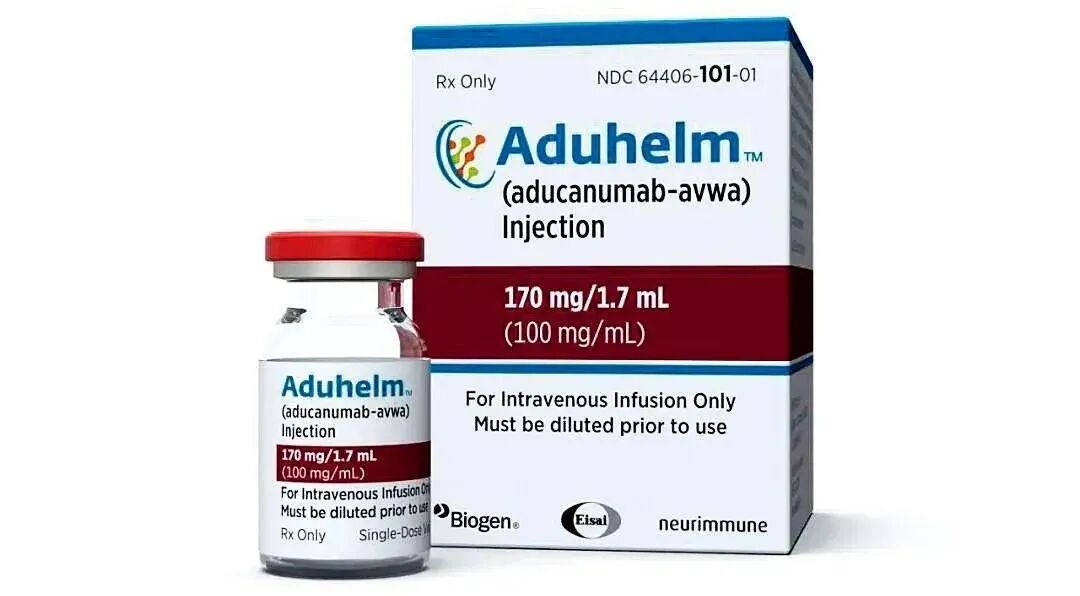
Event: On 7 June 2021, the FDA approved Biogen’s Alzheimer’s drug aducanumab, requiring continued study of its clinical effects. Some industry observers described this accelerated approval as “damaging its own reputation” and “highly harmful.”
Reason for the controversy: Aducanumab selectively binds to amyloid deposits in patients’ brains and activates immune mechanisms to remove the deposited protein.
Earlier, two global phase III trials had been stopped after an independent data-monitoring committee’s comprehensive analysis suggested that aducanumab was unlikely to meet their primary efficacy endpoints.
FDA response: The efficacy data concerning clinical benefit were complex, but the agency determined that substantial evidence showed a reduction in brain amyloid-beta plaques and that this reduction could reasonably predict important benefit for patients.
The FDA stated at the time that it would continue to monitor aducanumab as it entered the market and was used by patients. If the drug did not work as expected, the agency would take steps to withdraw it from the market.
#02: Questions about Pfizer’s COVID-19 vaccine trial data.
Event: An investigative article published in The BMJ on 2 November 2021 attracted considerable attention. It reported a whistleblower’s allegations that Ventavia, a contractor working on Pfizer’s vaccine development, falsified trial data, employed inadequately trained vaccinators, and was slow to follow up adverse events reported in Pfizer’s pivotal phase III trial. These are allegations and evidentiary concerns reported in that investigation; they do not by themselves establish that all data in the entire trial were invalid or that all vaccines were unsafe.
#03: The FDA’s first marketing authorization for specific electronic cigarettes
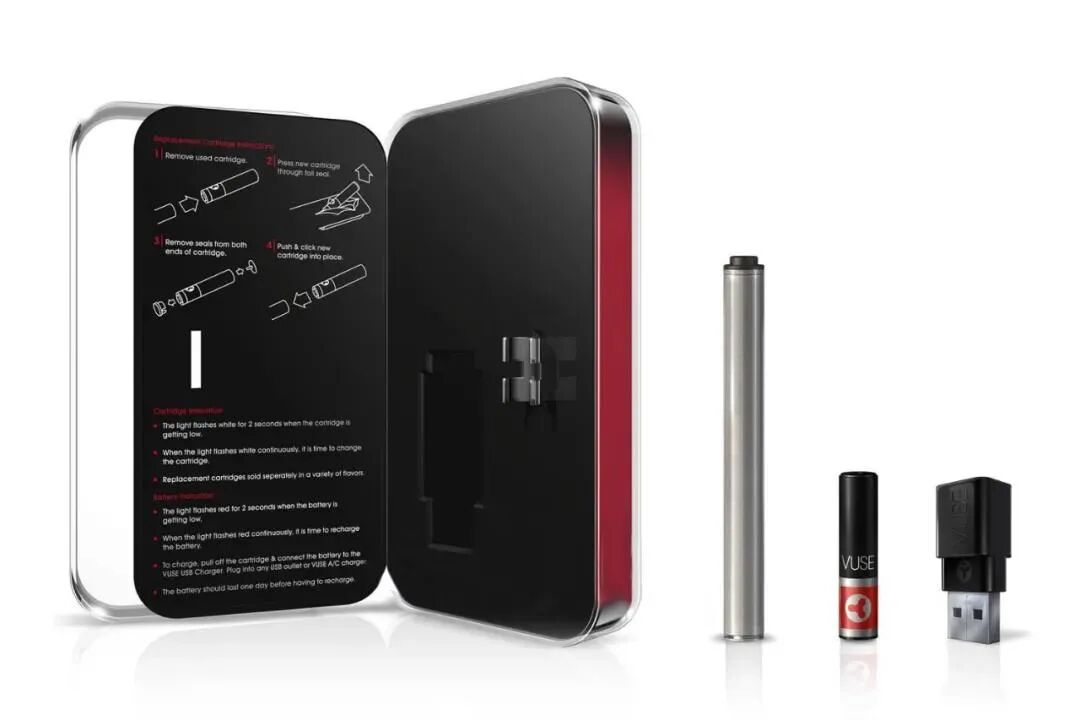
Event: On 12 October 2021, U.S. time, the FDA authorized U.S. marketing of R.J. Reynolds Vapor Company’s Vuse Solo device and two tobacco-flavoured liquid cartridges through the premarket tobacco product application (PMTA) pathway. The company belonged to the British American Tobacco group. This authorized sale of specific products; it was not “FDA approval of their safety.” The decision attracted opposition.
Reason for the controversy: The American Lung Association expressed deep disappointment: these products contained nearly 5% nicotine, and their harm to young people showed that they did not meet the public-health standard in the Tobacco Control Act.
FDA response: Manufacturer data suggested that tobacco-flavoured products could benefit dependent smokers by helping them quit or substantially reduce cigarette consumption, reducing exposure to harmful chemicals.
From aducanumab and Pfizer’s COVID-19 vaccine to electronic-cigarette marketing, do these events represent changes in FDA standards to meet the times, or authority yielding to capital? What is your own view after reading this information? Feel free to comment.
Some material in this article comes from the internet. Please contact us for removal in the event of infringement.
Editorial note
Minimum migration corrections distinguish regulatory functions in 1906 from the agency’s name in 1930; a solvent from a flavouring agent; Kelsey’s safety review from later teratogenicity evidence; breakthrough designation from marketing approval; and tobacco marketing authorization from drug approval. Rethymic and Scemblix dates were checked against FDA records. The BMJ allegations retain their attribution and disputed nature rather than being generalized into invalidation of an entire trial. This restores a historical 2021 account and does not expand it into a current drug guide.
Supporting references
FDA: History and the 1937 diethylene-glycol disaster
FDA: Distinguishing approval and regulatory categories
Wegovy: 2021 FDA review and eligibility
FDA: 2020 approval for rare genetic forms of obesity
FDA: Breakthrough-therapy designation
FDA: Rethymic original approval date
FDA: Scemblix 2021 approval date and indications
FDA: 2021 accelerated-approval decision on aducanumab
BMJ: Ventavia investigation of 2 November 2021
FDA: Marketing authorization for specific e-cigarettes on 12 October 2021
Sources and editorial history
Restored from a complete historical article exported from the PhDSciNet Official Account.
Editorial revision: Minimum migration corrections distinguish regulatory functions in 1906 from the agency’s name in 1930; a solvent from a flavouring agent; Kelsey’s safety review from later teratogenicity evidence; breakthrough designation from marketing approval; and tobacco marketing authorization from drug approval. Rethymic and Scemblix dates were checked against FDA records. The BMJ allegations retain their attribution and disputed nature rather than being generalized into invalidation of an entire trial. This restores a historical 2021 account and does not expand it into a current drug guide.