
Historical health article: The manuscript mainly cites2021 statistics and pharmaceutical data from that period; its original publication date remains unverified. Its structure, personal accounts, and market views are preserved, with necessary corrections to clear medical errors. This is not a current guide to diagnosis, injection timing, or personal medicine selection.
Diabetes? Back Off! Back Off! Back Off!
“Diabetes is an unprecedented disease pandemic—and worse, the situation may be spiralling out of control!”
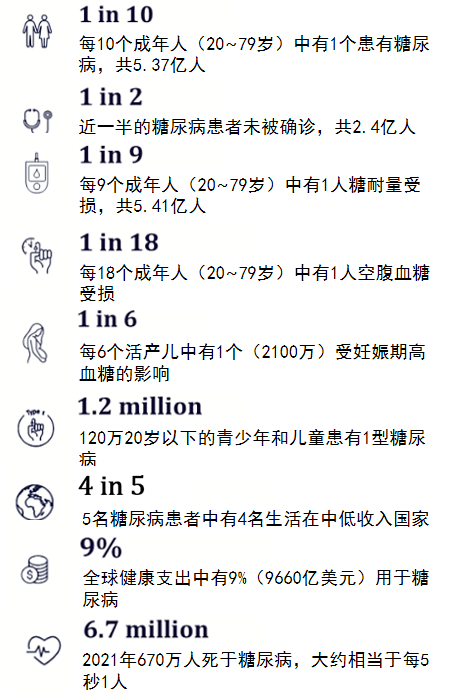
In 2021, the number of adults aged20–79 living with diabetes worldwide reached 537 million, an increase of 74 million, or 16%, over 2019. The IDF’s projection at that time was that by 2045 this could reach 783 million, or one in eight adults. Rising prevalence, increasing numbers of patients, and the enormous health burden of diabetes pose major challenges to the global economy and public health.
Full sugar, no ice—adding sweetness to a bitter life? Beware of diabetes coming to your door!
Why are young people increasingly affected?
Yang Tianzhen, born in 1985, acknowledged that she had had diabetes for six years, meaning that she had been diagnosed at twenty-nine.
In 2020, she chose gastric surgery to better control her blood glucose. Although such surgery does not definitively cure diabetes, the manuscript presents it as her choice at the time. This is an individual public account, not a basis for deciding that every patient needs surgery or an independently verified medical assessment of her case.

Uzi, a leading League of Legends player born in 1997, was diagnosed with type 2 diabetes at twenty-three, amid stress, obesity, irregular eating, late nights, and other factors.
At the peak of his career, he won five League of Legends tournament titles in one year. But illness and medical advice forced him to take a temporary break from the esports career he loved.

Why won’t your blood glucose cooperate?
#01: Higher-risk groups should be vigilant!
[People with a family history] A family history of type 2 diabetes is a risk factor. The manuscript gives figures of three times the risk when one parent or sibling is affected, and six times when both parents are affected, but specifies neither the study population nor its conditions. These are not fixed multipliers applicable to every individual.
[People over forty] The risk of type 2 diabetes generally rises with age, but cannot simply be attributed to “aging insulin receptors.” The manuscript’s claim that prevalence rises68% with every ten years lacks a study citation and statistical measure and is not retained as a universal risk formula.
[People with overweight or obesity] Using the Chinese adult overweight threshold, people with a BMI of at least 24 should be especially alert to diabetes risk. Obesity can be associated with insulin resistance and an increased compensatory burden on pancreatic beta cells, raising the likelihood of diabetes.

[People with high glucose, blood pressure, or lipids] Data suggest that more than 50% of people with diabetes also have hypertension and elevated blood lipids. Conversely, people with hypertension or dyslipidemia are more likely to have abnormal blood glucose.
[Pregnant women] During pregnancy, the placenta secretes several hormones that counteract insulin. Women whose compensatory capacity is insufficient may have a relative shortage of insulin, making gestational diabetes more likely.
Medication for gestational diabetes requires particular care. The 2022 ADA guideline lists insulin as the preferred medication for its hyperglycemia; dosing and risks such as hypoglycemia still require monitoring. Oral glucose-lowering medicines cannot all be treated alike: metformin and glyburide cross the placenta, and long-term safety data for offspring are limited, so that guideline does not recommend them as first-line therapy.
#02: How do you test whether blood glucose is high?
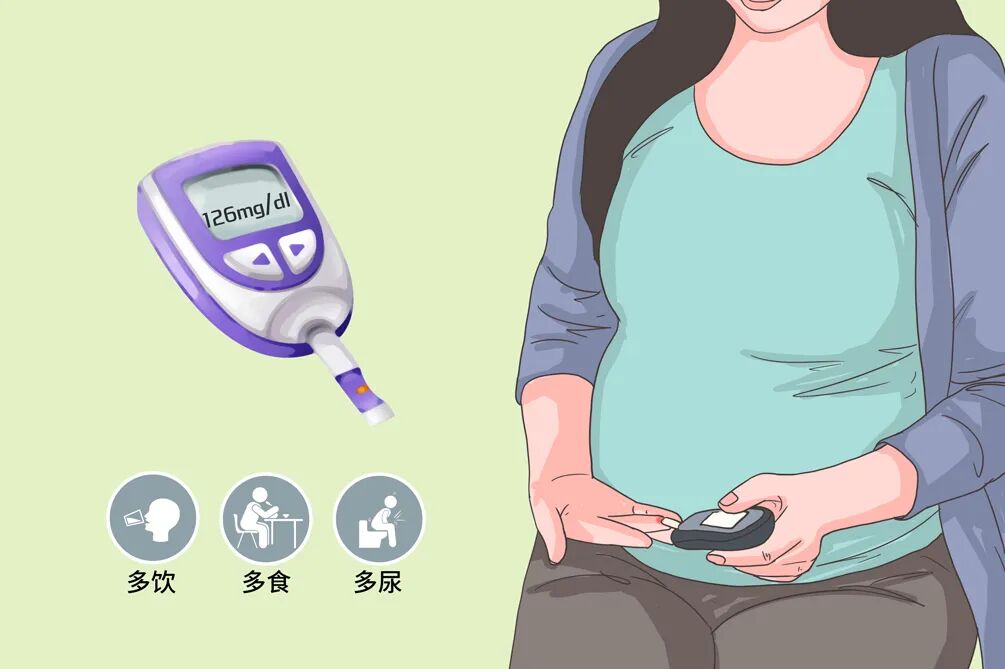
[Standard oral glucose tolerance test] This commonly used diagnostic test provides fasting glucose and glucose after a specified glucose load—for nonpregnant adults, commonly the two-hour value after a75-gram load, which is not the same as glucose after an ordinary meal. It helps assess pancreatic beta-cell function and the body’s ability to regulate glucose and is a diagnostic test for diabetes.
[Glycated hemoglobin] China’s 2020 guideline for preventing and treating type 2 diabetes included glycated hemoglobin measured by standardized methods as a supplementary diagnostic criterion. It forms when glucose binds to certain parts of hemoglobin in a slow, irreversible, nonenzymatic reaction. It reflects average glucose over the previous eight to twelve weeks and is commonly used to assess glucose control.
[Insulin autoantibodies] Islet-related autoantibodies can help identify autoimmune processes and assess the risk of type 1 diabetes, but testing is not itself preventive treatment. Finding a single antibody does not establish a diabetes diagnosis; antibody type, glucose, and the clinical situation must be assessed by a clinician.

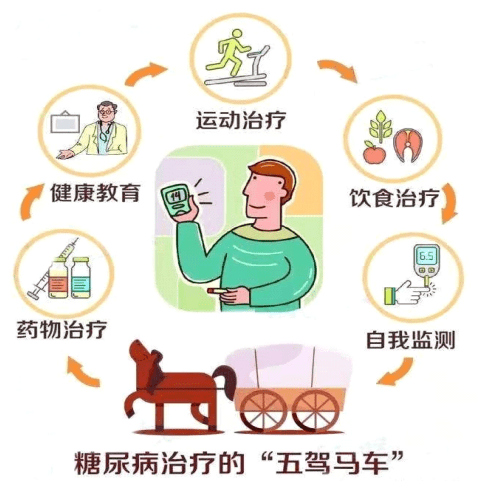
#03: The “five pillars” of diabetes management: Bring your blood glucose under control!
[Diet] Dietary treatment is crucial for people with diabetes. They should pay particular attention to balanced nutrition, smaller and more frequent meals, and appropriate combinations of foods. Avoid high-calorie diets and favour predominantly plant-based foods low in fat, sugar, and salt, while strictly limiting fat, smoking, alcohol, and sugary drinks.
[Exercise] Exercise is another important aspect of diabetes treatment. Patients should exercise with appropriate guidance and find suitable activities and levels of exertion. Walking, brisk walking, tai chi, aerobics, dancing, running, and swimming are all possible choices.
[Blood-glucose monitoring] A home glucose meter can help patients monitor themselves, understand their glucose control, and promptly report results to their doctor so that treatment can be adjusted.
[Diabetes education] Patients should develop evidence-based habits in seeking care. Diabetes is a lifelong chronic condition requiring ongoing management and treatment. Avoid stopping medication just because glucose has fallen, believing that early medication creates dependence, or trusting “folk remedies that cure it.”
[Medication] Medicines are important for controlling diabetes. Patients should cooperate with their doctors, follow medical advice, and never independently start, switch, or stop medication.
What glucose-lowering medicines are available?
The medicines used clinically for diabetes mainly fall into two groups: insulin and insulin analogues, and non-insulin glucose-lowering medicines. Combining insulin injections with non-insulin medicines is also an important area of exploration in diabetes treatment.
#01: Insulin and insulin analogues.
Insulin is one of the most common diabetes treatments. Onset, time to peak activity, and duration can be used to introduce the categories below, but intermediate- and long-acting products and their different time profiles must not be conflated.
[Rapid- and short-acting insulin] Rapid-acting analogues and short-acting regular human insulin differ in onset, peak activity, and duration. The manuscript’s ranges of 10 minutes–1 hour,1–4 hours, and 3–7 hours cannot be applied uniformly. In particular, there is no universal rule to “eat within ten minutes after injection”; injection and meal timing must follow the specific product’s labeling and medical advice to avoid hypoglycemia or poor control.
Insulin aspart, insulin lispro, regular insulin, biosynthetic human insulin, and recombinant human insulin are among rapid- and short-acting preparations.
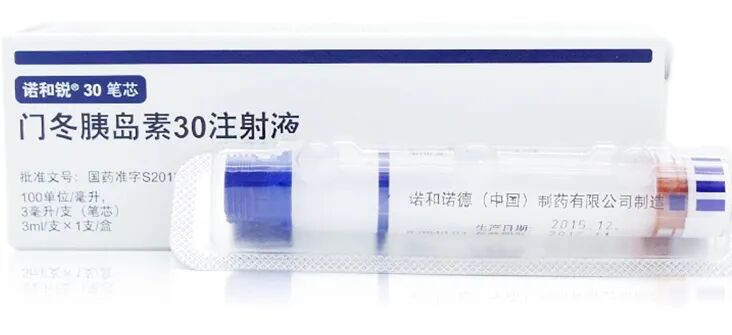
[Intermediate- and long-acting insulin] These should not be treated as having one uniform time profile. The NPH preparations listed below are intermediate-acting; they cannot all be assigned an onset of 1–8 hours, a peak of 8–20 hours, and a duration of 24–36 hours, or universally required to be injected 30–60 minutes before breakfast. Action profiles depend on the preparation, dose, injection site, and other factors; use must follow labeling and medical advice.
The manuscript lists isophane insulin, protamine biosynthetic human insulin, protamine-zinc recombinant human insulin, and protamine recombinant human insulin. NPH, or isophane, preparations are classified as intermediate-acting; specific products must be identified using their approved labeling.

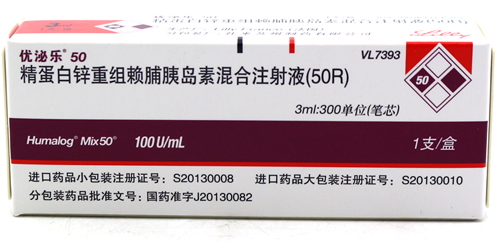
[Premixed insulin] Onset is around thirty minutes, peak action two to twelve hours, and duration around sixteen to twenty-four hours. Premixes generally combine short- or rapid-acting insulin with intermediate-acting insulin in a fixed ratio, allowing both rapid glucose lowering and longer action. Those time ranges are the manuscript’s summary, not uniform values for every premixed product or patient.
Premixed insulin suspensions generally require resuspension according to labeling. Meal-related injection timing differs between human-insulin preparations and analogues; it is not universal that every human-insulin premix is given30 minutes before eating or every analogue immediately before a meal. Follow the specific product’s labeling and medical advice rather than independently substituting products.
Insulin aspart 30, protamine-zinc insulin 30R, and protamine-zinc recombinant insulin lispro are among premixed preparations.
#02: Non-insulin glucose-lowering medicines.
Non-insulin glucose-lowering medicines differ in potency and hypoglycemia risk according to the drug and combination; they are not uniformly weaker than insulin or uniformly less likely to cause hypoglycemia. They include both oral and injectable preparations; for example, some GLP-1 receptor agonists are injected.
There are principally eight classes: biguanides, sulfonylureas, glinides, thiazolidinediones, alpha-glucosidase inhibitors, GLP-1 receptor agonists, DPP-4 inhibitors, and SGLT2 inhibitors.
[Biguanides] Metformin belongs to this class. Biguanides lower glucose by inhibiting hepatic glucose production, reducing intestinal glucose absorption, and improving insulin sensitivity.
[Sulfonylureas] Examples include glibenclamide, glimepiride, gliclazide, glipizide, and gliquidone. They principally stimulate insulin release by binding sulfonylurea receptors on pancreatic beta cells and closing ATP-sensitive potassium channels, rather than the glucose-enzyme dephosphorylation mechanism described in the manuscript.
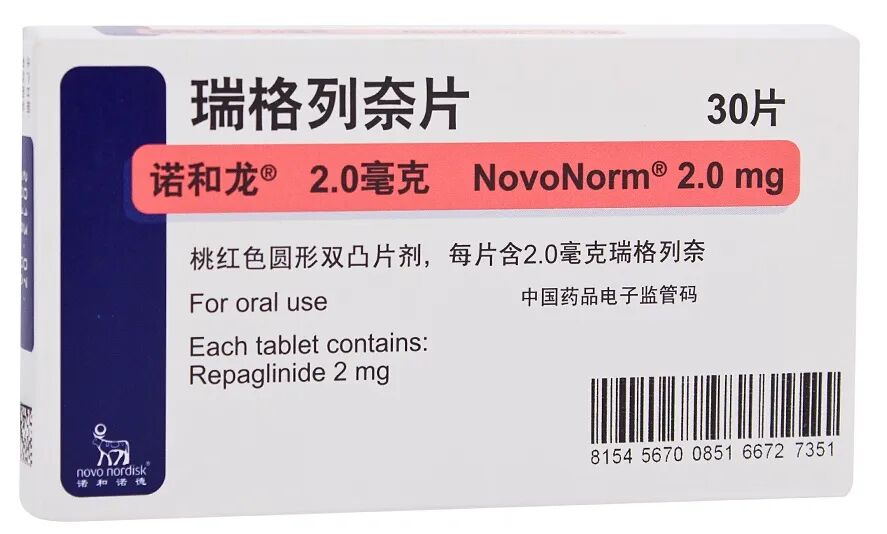
[Glinides] Examples include repaglinide, nateglinide, and mitiglinide. They are chiefly used in type 2 diabetes with predominantly elevated post-meal glucose, lowering it by stimulating early-phase insulin secretion.
[Thiazolidinediones] Examples include rosiglitazone and pioglitazone. They lower glucose and free fatty acids by promoting glucose uptake, transport, and oxidative utilization in insulin target cells.
[Alpha-glucosidase inhibitors] Examples include acarbose, voglibose, and miglitol. Inhibiting alpha-glucosidase at the brush border of the small-intestinal mucosa delays carbohydrate absorption and reduces post-meal hyperglycemia.
[GLP-1 receptor agonists] Examples include semaglutide, liraglutide, and dulaglutide. They act on pancreatic beta cells in a glucose-dependent manner, promoting insulin-gene transcription and increasing insulin synthesis and secretion. This lowers post-meal glucose and improves glucose control, but does not guarantee a constant glucose level.
[DPP-4 inhibitors] Examples include sitagliptin, saxagliptin, vildagliptin, linagliptin, and alogliptin. By reducing GLP-1 inactivation, they increase endogenous GLP-1, stimulate beta-cell insulin secretion, and inhibit alpha-cell glucagon secretion, thereby lowering glucose.
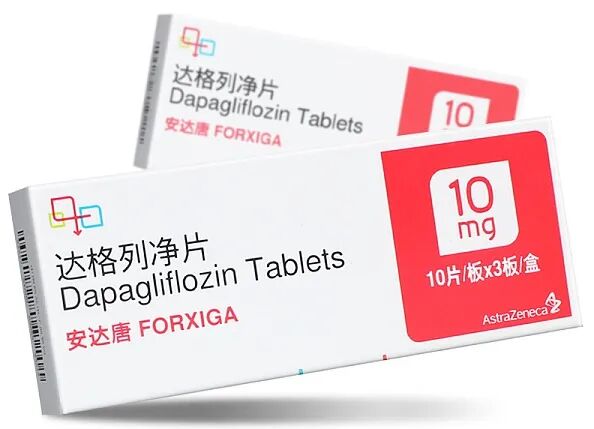
[SGLT2 inhibitors] Examples include dapagliflozin, empagliflozin, and canagliflozin. They inhibit sodium–glucose reabsorption in the proximal renal tubules, increasing urinary glucose excretion and lowering blood glucose.
Competition among the giants: A changing landscape
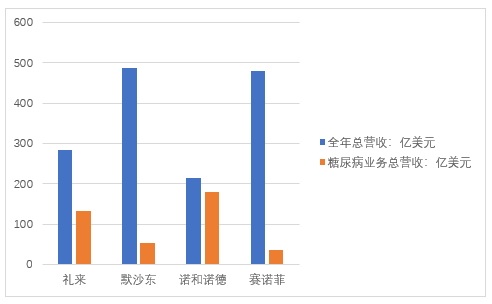
As the number of people with diabetes grows, its drug market has become a battleground for major pharmaceutical companies. Globally, Novo Nordisk still leads the diabetes field, but Lilly is catching up in GLP-1 medicines. Merck and Sanofi, pursuing several approaches, have not abandoned the contest either. The giants compete amid a changing landscape!
#01: The sector leader: Novo Nordisk.
Formed through a merger in 1989, Novo Nordisk is a major force in diabetes medicines. As a global glucose-lowering drug giant, it focuses heavily on their research and development, with a broad range of long-acting, premixed, and rapid-acting insulins and GLP-1 medicines, and a substantial share of major national markets.
In 2021, Novo Nordisk’s total revenue was US$21.501 billion, of which diabetes medicines contributed US$17.996 billion, or 84%. Its share of the global diabetes market increased from 29.3% in 2020 to 30.1% in 2021.
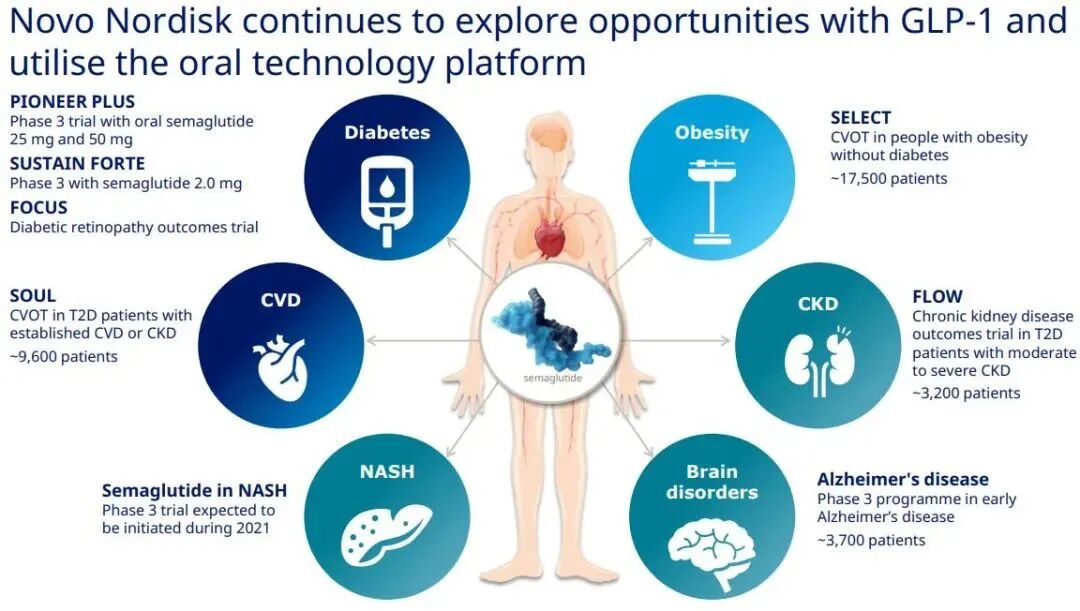
Growth in Novo Nordisk’s diabetes sales was driven principally by GLP-1 analogues. Its GLP-1 products generated approximately US$8.14 billion in 2021, with Ozempic (semaglutide) and Victoza (liraglutide, 1.8 mg) accounting for US$5.364 billion and US$2.396 billion respectively. In the clinical trends described by the manuscript, GLP-1 receptor agonists were viewed as having great market potential.
#02: Catching up: Lilly.
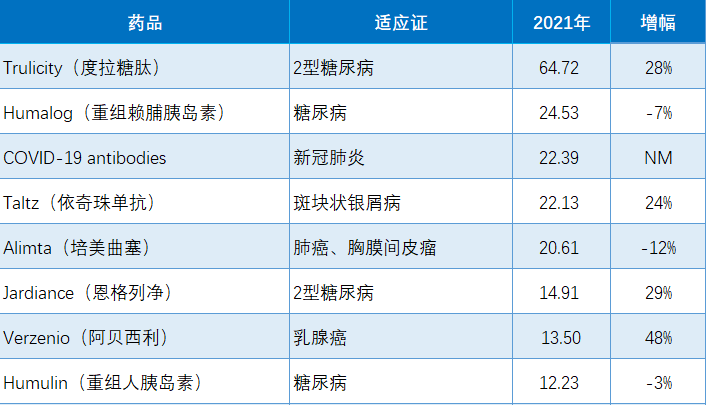
Lilly was formally established in Indiana, United States, in 1876. As the world’s second-largest diabetes pharmaceutical company, it recorded US$28.318 billion in total revenue in 2021, with diabetes medicines contributing US$13.188 billion, or 47%.
Trulicity (dulaglutide) generated US$6.472 billion in 2021, surpassing Novo Nordisk’s individual products to lead that year’s GLP-1 sales.
Dulaglutide, a key Lilly diabetes product, lowers fasting and post-meal glucose through several mechanisms, including promoting insulin secretion, reducing glucagon secretion and appetite, and slowing gastric emptying. It also significantly lowers glycated hemoglobin.
On 21 February 2020, the FDA approved a new indication for Lilly’s dulaglutide: reducing the risk of major cardiovascular events in adults with type 2 diabetes and established cardiovascular disease or multiple cardiovascular risk factors.
#03: Multiple approaches: Merck.
Merck, based in Kenilworth, New Jersey, is one of the world’s pharmaceutical giants, with a research pipeline spanning vaccines, cancer, diabetes, and other areas.
In 2021, Merck recorded total revenue of US$48.7 billion, with diabetes medicines contributing US$5.288 billion, or 10.86%. Its diabetes product Januvia entered the U.S. market in 2006 and became the fastest new medicine in history to reach annual sales of US$1 billion.
Januvia was the first DPP-4 inhibitor approved by the FDA, in 2006, and became the world’s second-best-selling diabetes medicine in 2013.
Januvia has particular eligible populations and medication risks; “high safety” cannot be generalized to every patient. As a DPP-4 inhibitor for type 2 diabetes, it enhances the physiological incretin mechanism involving GLP-1, reducing GLP-1 inactivation and regulating glucose. Its oral administration offers an advantage.

#04: A narrower portfolio: Sanofi.
Sanofi is headquartered in France, with a history tracing back to 1973. Compared with the other three giants, the manuscript describes its diabetes portfolio as narrower. Insulin was an important component, with Lantus its best-selling product, but the portfolio was not exclusively insulin: the GLP-1 product lixisenatide had received FDA approval in 2016.
In 2021, Sanofi’s total revenue was US$48.104 billion, of which diabetes medicines accounted for US$3.658 billion, or just 8%. Innovations by other companies could erode its diabetes market share in the following years.
Sanofi’s leading product Lantus, insulin glargine, was first approved in the United States in 2000. The manuscript’s year 2004 specifies no jurisdiction and should not be treated as its first global or U.S. approval. It was an important early basal insulin analogue and formerly one of the best-selling diabetes products.
Lantus can be used as basal insulin in eligible patients, generally once daily, with the regimen individualized. The manuscript’s statement that “more than 60% of patients achieve good control with one injection a day” gives no study conditions and must not imply that every patient needs no additional treatment. Its promotional “the only one in China” claim also lacks verifiable support in this review and is not retained as a conclusion.
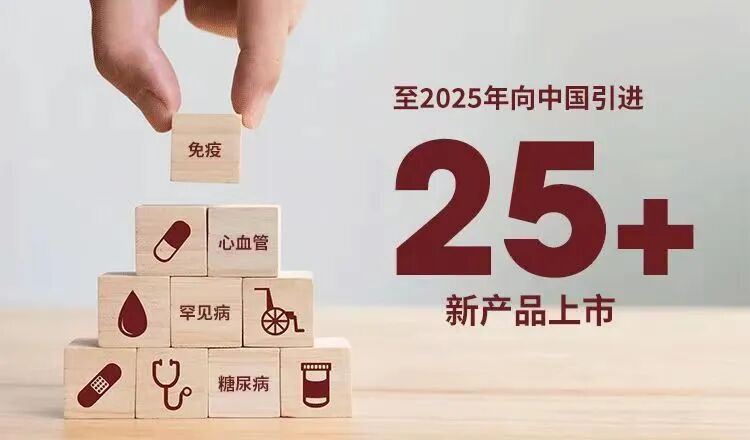
The indulgences of youth—late nights, alcohol, and milk tea—come with a hidden price for the body. Diabetes is one of those costs. Diabetes nevertheless includes different types and multiple genetic, metabolic, and environmental factors; not every patient’s illness can be blamed on personal indulgence.
The manuscript describes the burden in China as “one in eight adults and one in twenty young people,” but provides no survey year, age definition, or diagnostic measure; these are not presented as current statistics. Earlier-onset type 2 diabetes can involve longer exposure to disease and greater management burdens. The manuscript’s generalization that every patient under forty has faster metabolic decline and lower treatment success must not be treated as a prediction for each case.
Competition is fierce in the expanding diabetes-drug market, with pharmaceutical giants racing one another. They also face the risk of important patents expiring. How they will find solutions to the “patent cliff” remains to be seen!
Some material in this article comes from the internet. Please contact us for removal in the event of infringement.
Editorial note
Only necessary corrections were made during migration: the IDF figures are identified as referring to ages 20–79 in 2021; glucose after an oral test load is distinguished from ordinary post-meal glucose, and autoantibody testing from prevention or diagnosis. Universal meal-timing and action-profile rules for all insulin are not retained. NPH classification and sulfonylurea mechanisms are corrected, and non-insulin medicines are not assumed all to be oral or low-risk. Historical dates for three companies and Lantus’s first U.S. approval are also corrected. Financial and market figures remain historical manuscript data; individual sales statistics have not been reconstructed.
Supporting references
IDF Diabetes Atlas, 10th edition (2021, ages 20–79)
ADA2022 standards for diabetes classification and diagnosis
Chinese Medical Association: Supplementary HbA1c criterion in the 2020 guideline
ADA2022 standards for diabetes in pregnancy
Formal regular-human-insulin label
Formal NPH intermediate-acting insulin label
Formal premixed-insulin-lispro label
Glimepiride: Sulfonylurea-receptor and potassium-channel mechanism
Lantus: Initial U.S. approval in 2000 and individualized use
Novo Nordisk:1989 merger history
FDA:2016 approval of Sanofi’s GLP-1 product
Sources and editorial history
Restored from a complete historical article exported from the PhDSciNet Official Account.
Editorial revision: Only necessary corrections were made during migration: the IDF figures are identified as referring to ages 20–79 in 2021; glucose after an oral test load is distinguished from ordinary post-meal glucose, and autoantibody testing from prevention or diagnosis. Universal meal-timing and action-profile rules for all insulin are not retained. NPH classification and sulfonylurea mechanisms are corrected, and non-insulin medicines are not assumed all to be oral or low-risk. Historical dates for three companies and Lantus’s first U.S. approval are also corrected. Financial and market figures remain historical manuscript data; individual sales statistics have not been reconstructed.