
Historical interview: The following preserves the research experiences and personal views expressed in the original manuscript.
Historical experience note: This records personal experiences of buying food, medicines, and devices at the time, not current seller assessments, medicine-import rules, or disease statistics. Medicine suitability needs checking, oximeters do not replace clinical judgment, and reported deaths after infection do not establish causation.
The PhDSciNet Interview Series
Surviving the Sheep Pen, Part Two: A Strange Journey Through the Obstacles
Survival sometimes meant racing to buy groceries and medicines. Getting an order did not necessarily feel like a win; people wondered what quality would arrive.
In the sheep pen, each obstacle felt difficult, and reaching the finish was hard.
#1 Stage one: Racing to buy groceries and medicines
Informal difficulty rating: ★★★
John: I considered buying a Pfizer medicine and sending it to China, but mailing medicines seemed difficult, so I did not proceed.

Astro Boy: We asked about purchasing medicines abroad and sending them to China. The courier said they might be held by customs, so we did not send them. Meanwhile, many medicines were sold out in Canadian pharmacies. This is a historical conversation, not a statement of current import rules.
I thought two factors contributed. Canada had an RSV outbreak around the same time as the wave in China, with symptoms such as cough and fever. Fever medicines and cough medicines were scarce in Canada too. One shop posted a limit of one bottle of cough syrup per person. Supplies gradually returned, and at the time of the interview, products such as cough syrup and Tylenol were available at Costco again.

My family was short of medicines and test kits too. Fortunately, before COVID, the child had been seen at a hospital for rhinitis and received children's ibuprofen and cough medicine, which the family later had on hand. The adults had only one blister pack of six or ten fever tablets. Later, we could not buy more, or antigen tests. Eventually, we managed to get four tests through a community group order. This medicine history is not a recommendation to reuse a prior prescription without checking that it is suitable.
Delivery platforms were also overwhelmed. There may have been fewer couriers and insufficient supplies. At six in the morning I tried to reserve groceries on a partly masked platform in the original, but failed, then tried another supermarket delivery service. What I remember most was 500 grams of strawberries costing 87 yuan, which seemed very expensive.

Not Using It: We had no medicines locally, and classmates could not get them either. I heard that people queued for an hour without even getting close enough to see the pharmacy entrance. Online listings were either out of stock or offered direct shipment from Hong Kong. I bought cough medicine through one of those listings, but by the interview it still had not been dispatched.
Groceries were similar. Nearby supermarkets were closed and we had no vegetables. On different platforms, I either failed to order or ordered without receiving delivery. Takeaway was unavailable too. It was miserable. Eventually, a classmate brought two large bags of vegetables from a cooperative shop near their home, which helped a little.
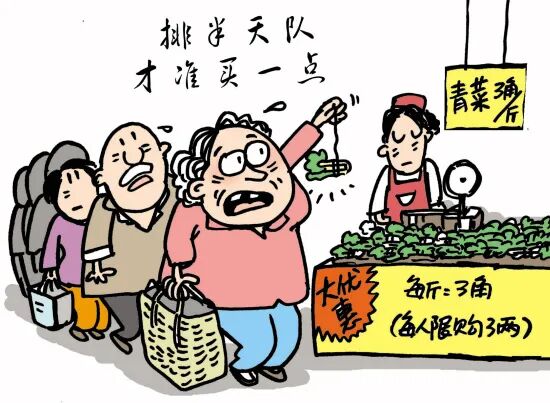
Antelope and Antlers: I remember one online marketplace releasing limited medicine supplies at ten each morning, including Lianhua Qingwen and fever medicines. I never obtained anything at exactly ten. Instead, I checked after ten-fifteen or so in case someone canceled an order.
Luckily, I obtained two boxes of fever medicine. My parents used only four tablets in total during their illness. That was their individual experience, not a dose recommendation or a prediction of how much medicine anyone else will need. Preparing a reasonable supply is different from excessive hoarding.
#2 Stage two: An order does not guarantee a satisfactory purchase
Informal difficulty rating: ★★★★
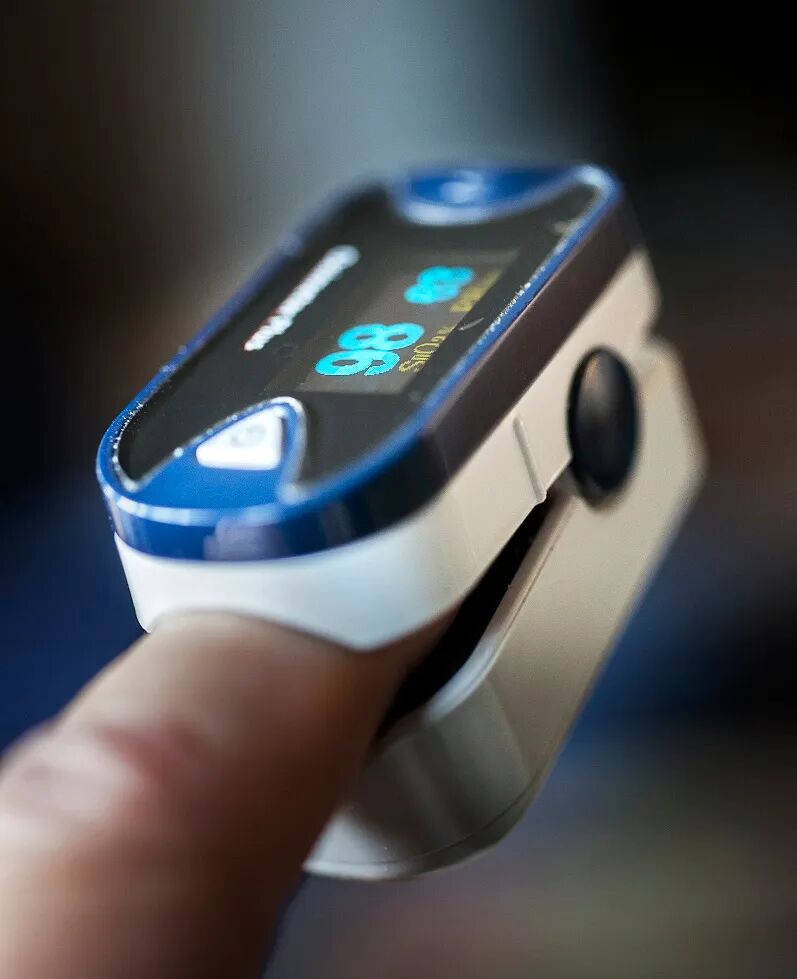
John: During my parents' recovery, I bought a pulse oximeter on an online marketplace. It was difficult to obtain: I had tried for days, and the listing warned of a long wait because supplies were limited. It arrived after four or five days, but I found it unusable.
I checked the reviews. Earlier reviews had been good, but many recent purchasers reported units that did not work, would not turn on, or seemed highly inaccurate. I was angry and left a very negative review. I felt some sellers had made poor choices and passed unnecessary problems to consumers, especially disappointing for a medical device.
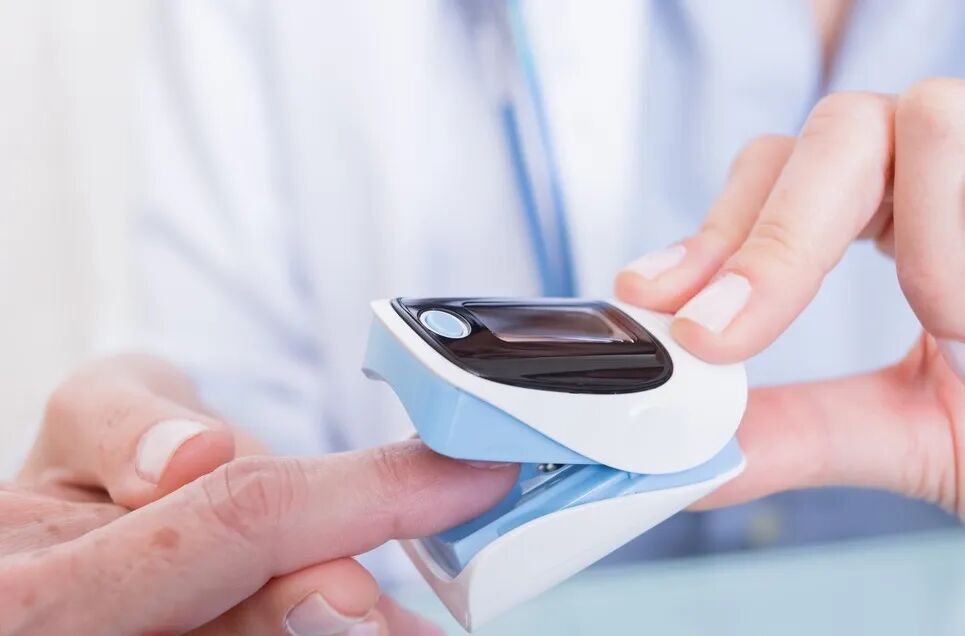
Blood-oxygen estimates can be useful for monitoring some patients, including older people, but pulse oximeters have accuracy limitations and should not replace assessment of symptoms or clinical care. In my purchase experience, the unit had good reviews and was expensive, yet did not work, with similar complaints from other buyers.
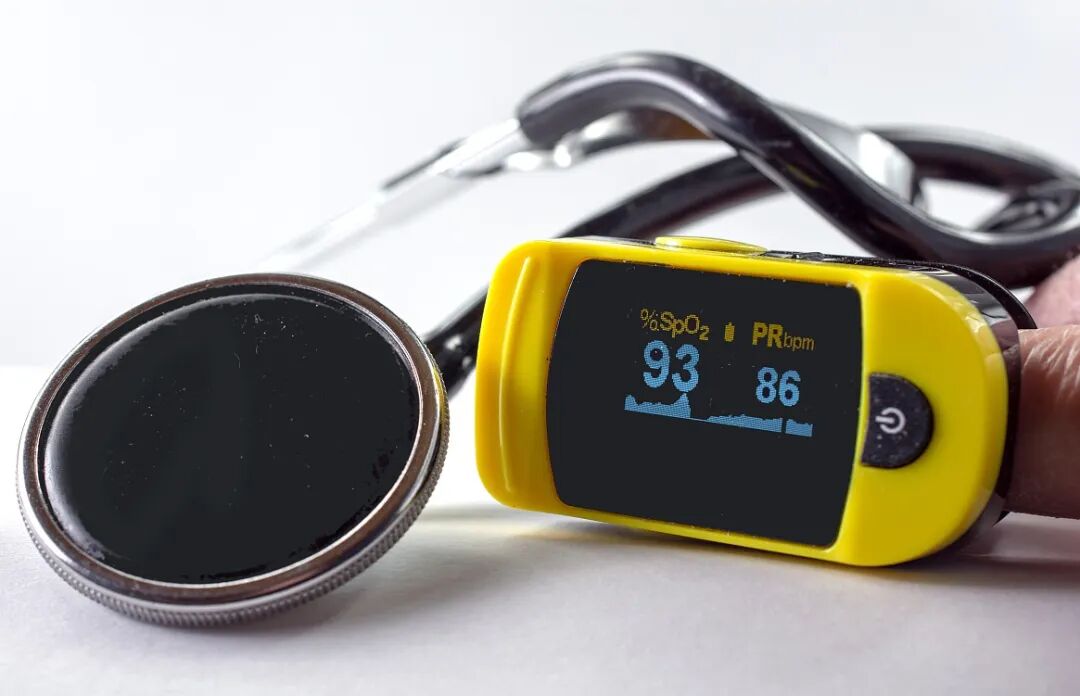
Not Using It: My parents also bought a finger-clip oximeter, and it broke the next day—the wire snapped. I was astonished at such a poor product at that price. I felt some sellers had made bad choices during a sensitive period; in that case, not shipping it would have been better.
Astro Boy: I think imbalance between supply and demand was the main issue. In those conditions, some sellers may have chosen profit over responsible behavior.
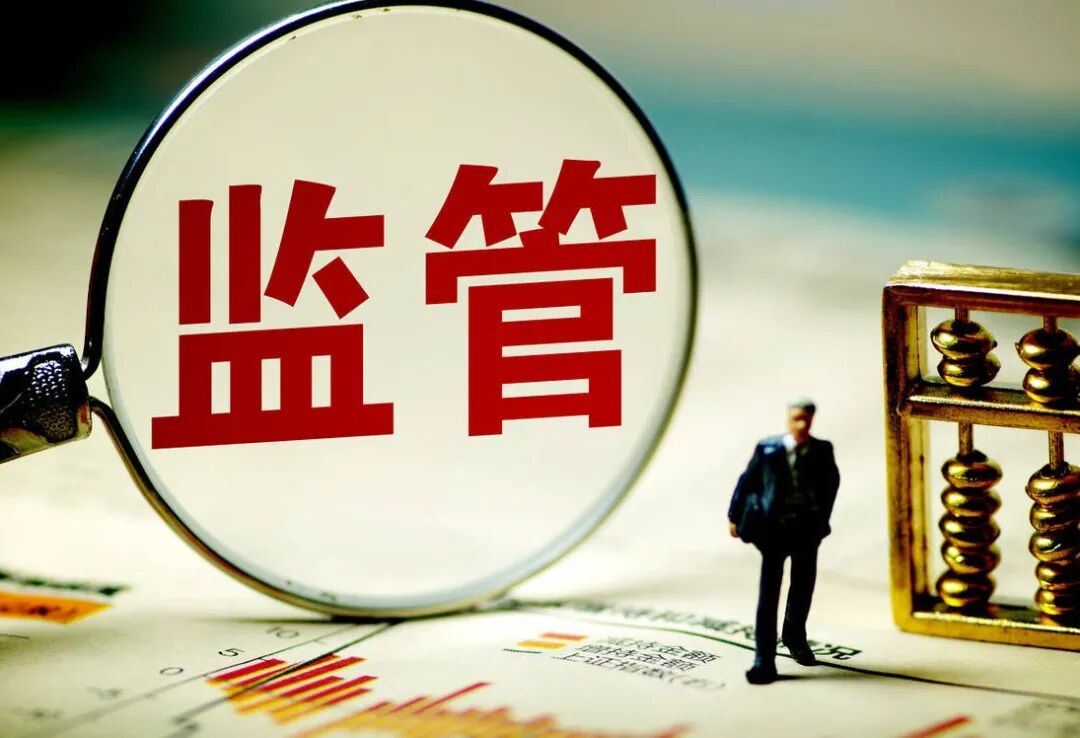
I would like stronger regulatory oversight and accountability. A bad review is a weak penalty, and if the cost of wrongdoing is too low, temptation may lead to repeat incidents. I think food and medicine safety oversight needs improvement.
#3 Stage three: Take care and remain cautious
Informal difficulty rating: ★★★
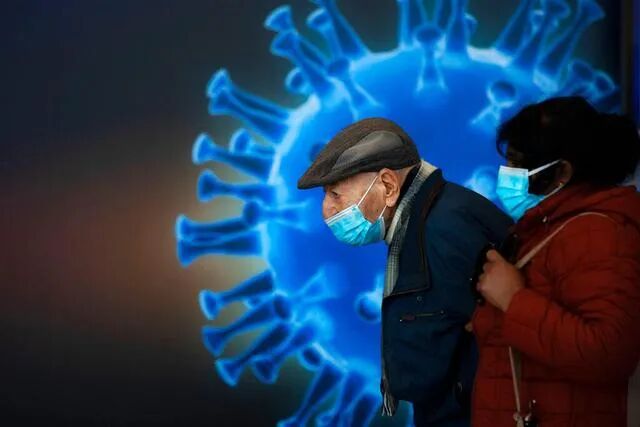
Not Using It: I saw what I believed were more than one hundred obituary notices for professors from several universities, including Tsinghua, Peking University, and Harbin Institute of Technology. That count and the causes were not independently checked here; an obituary does not establish a COVID-related death. My point was that the illness should not be dismissed and people need rest and appropriate care.
Astro Boy: I agree. Twenty days after infection, my child's mother still felt more tired than before and went to bed earlier.
Middle-aged and older people need particular care during recovery, including reducing the risk of another infection during travel and gatherings. The interview mentioned deaths of senior researchers and speculated about COVID complications, but it did not establish individual causes of death. Such cases should not be diagnosed from reports or anecdotes.
Everyone should pay close attention to their own health.
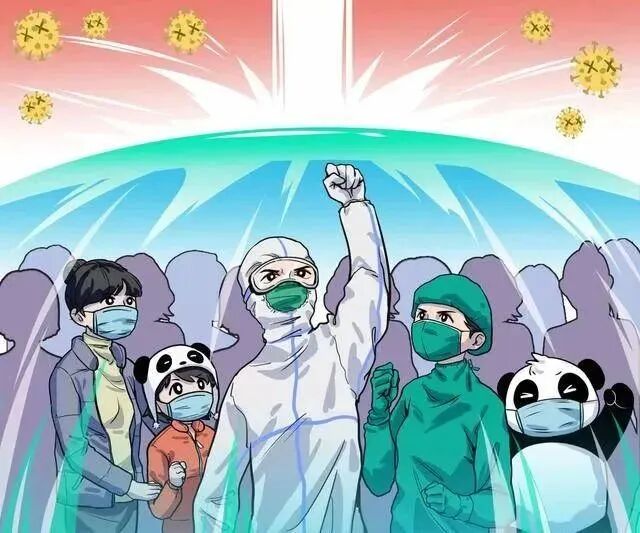
Antelope and Antlers: I heard of two people in their seventies or eighties who died after a reported brain hemorrhage a few days after a COVID diagnosis. This is a secondhand account and does not establish why the hemorrhage or death occurred. Older people may be at higher risk of serious illness and should receive appropriate attention.
#4 Stage three in the original heading: Near the finish, but precautions still matter
Informal difficulty rating: ★★★★
John: Although I have had repeated suspected infections, I personally have not felt a major effect on my daily life.
But my parents said some classmates felt infection had one benefit: they could go out freely afterwards because they had already had it. I do not think that is a good attitude. A previous infection does not prevent reinfection. A new positive result soon after illness can have several interpretations, so repeat positivity is not automatically the same as a new infection. Appropriate assessment and precautions still matter.

Not Using It: I feel people became more careful afterwards. At our workplace, people previously met without masks. Once everyone had been infected, they began wearing masks even in meeting rooms. At least there, people had become more aware.
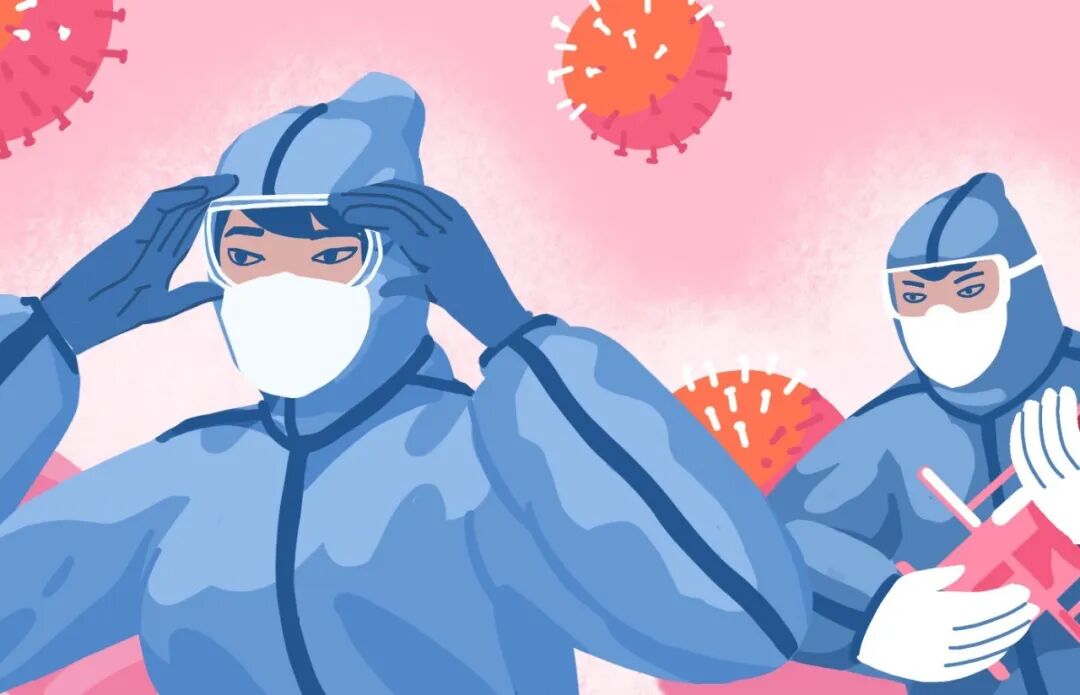
Astro Boy: People feel differently after infection. Those with severe symptoms may be frightened by the experience and take more precautions to avoid going through it again.
The interview discussed the approaching Lunar New Year, including travel, visits, trains, shopping, and cinemas. Those gatherings could present infection risks. The speaker recommended masks for necessary travel and crowded places as a way to help protect both oneself and others. This is the original seasonal context, not a newly announced current travel advisory.
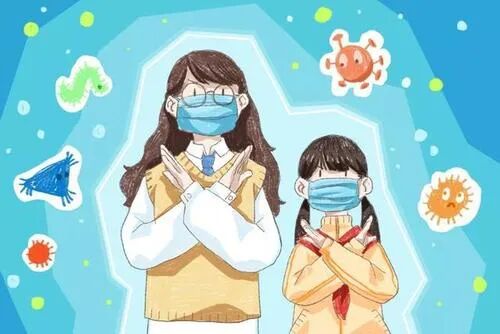
The end of one episode is not the end of the journey: Caring for health is lifelong.
The everyday sheep-pen experience may have been difficult or strange, but it also became an unforgettable memory.
We hope everyone who came through it enjoys health and days away from the sheep pen.
Contributors: John (约翰), Antelope and Antlers (羚羊与鹿角), Not Using It (我不用了), Astro Boy (阿桐木)
Editors: Fantuan (饭团), Calorie (卡路里), Honey Peach Oolong (蜜桃乌龙)
Audio editor: Honey Peach Oolong (蜜桃乌龙)
Interviewer: Honey Peach Oolong (蜜桃乌龙)
Recording: Honey Peach Oolong (蜜桃乌龙)
This article reflects the author's personal views, not those of this website. The original manuscript credits images to the internet and requests contact for removal if they infringe rights.
Restoration revision, 2026-10-10: Full experiences and credits are retained. Medicine quantities, import conversations, and oximeter readings are qualified; obituaries and secondhand accounts do not establish causes of death. Reinfection is distinguished from a new positive result shortly after illness. Original passages remain private, with no new dosage or treatment recommendations.
Supplementary references
- FDA: Pulse Oximeter Accuracy and Limitations
- CDC: Reinfection and Test Interpretation
- NHS: Suitability of Medicines for Children
Sources and editorial history
Restored from a complete historical article exported from the PhDSciNet Official Account.
Editorial revision: Restoration revision, 2026-10-10: Full experiences and credits are retained. Medicine quantities, import conversations, and oximeter readings are qualified; obituaries and secondhand accounts do not establish causes of death. Reinfection is distinguished from a new positive result shortly after illness. Original passages remain private, with no new dosage or treatment recommendations.