
Historical interview: The following preserves the research experiences and personal views expressed in the original manuscript.
Research restoration note: The following describes historical animal-research experiences. Monitoring frequencies, tumor volumes, and handling methods are not a general protocol. Animal research requires appropriate ethical review, veterinary oversight, and trained personnel, with continuing attention to replacement, reduction, and refinement.
The PhDSciNet Interview Series
Honoring Life: Small Bodies That Illuminate Science
In 1900, European scientists rediscovered Mendel's laws of inheritance after more than thirty years of relative obscurity. Researchers began testing inheritance in different species. Mice, as mammals, became one of those research models and entered a long history as laboratory animals.
Mice are widely used among laboratory mammals. Their small bodies have contributed to important scientific discoveries.
Open Heart: Biophysics, tumor research, and biological imaging. Mainly uses mice.
Broad Outlook: Biochemistry and tumor research. Mainly uses immunodeficient laboratory mice.
#1 Mice as important research models
Open Heart: I have only used mice and have not worked with other animal options. Drug research may include preclinical animal studies before human trials, but there is no universal sequence from mice to rabbits to dogs and then humans. Species are selected according to the question and applicable requirements, not a simple lower-to-higher hierarchy.
Mice are relatively convenient for genetic manipulation, small enough to handle, and share many biological features with humans. Imaging research can also use invertebrates such as fruit flies. The usefulness of a model depends on the particular question; it cannot be judged solely by a species' supposed evolutionary rank. Our aim is to obtain information relevant to human health while using an appropriate model.
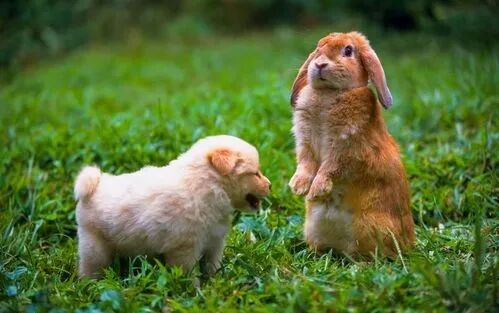
Broad Outlook: The 2002 mouse-genome work revealed many corresponding genes shared with humans. At the time, about 30,000 protein-coding genes were estimated in each species; those estimates were later revised downward to around 20,000–25,000. That does not mean 80% of all genes are completely identical. Mice are small, breed relatively quickly, have multiple offspring, and share aspects of mammalian organ structure. The interview also cited mice as more than 70% of laboratory animals in China; that historical proportion was not independently verified here.
Another reason concerns housing and microbial status, especially for immunodeficient models. Mice can be maintained in appropriately controlled facilities more practically than some larger species. Immunodeficient does not automatically mean germ-free, however; these are different concepts. Practical cost and relevance to the research question help explain model selection.
Shared genes can help researchers investigate gene function and cancer mechanisms. If changing a mouse gene affects tumor formation, it may suggest a question about the corresponding human gene, including a possible tumor-suppressor role. That still needs further evidence and cannot be transferred automatically to humans. I have only used mice myself.
#2 The lives of animals used in experiments
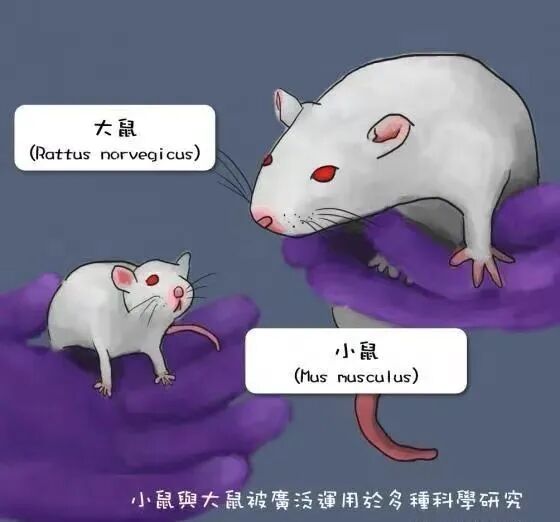
Purchased or bred: Where do laboratory mice come from?
Open Heart: We use nude mice, which have certain immune deficiencies. With a healthy mouse's strong immune response, injected tumor cells may not easily establish a tumor. The mice we purchase therefore have characteristics that help establish the model. Other genetically modified mice model conditions such as diabetes or dementia, depending on what the research requires.
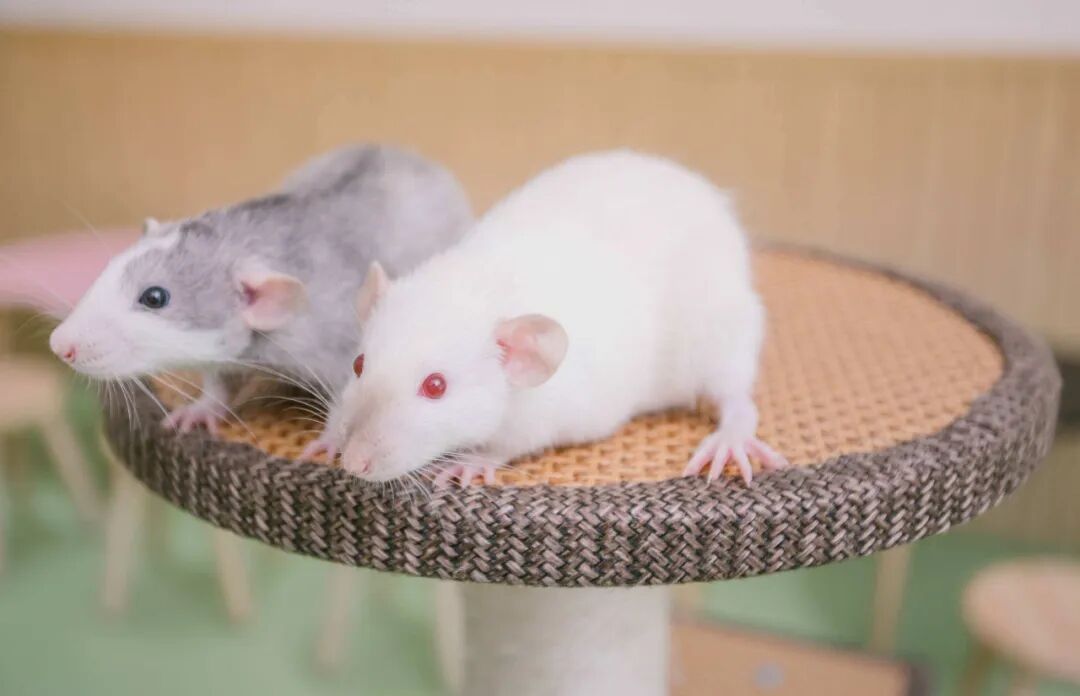
Broad Outlook: We use many mice, so our animal facility breeds them. It starts with animals purchased from other laboratories or companies and then breeds the required strains.
A relatively stable genetic background is important. Breeding colonies still need suitable management because genetic drift or new mutations can occur. Breeding animals are not kept breeding indefinitely; older males may be replaced as part of the colony's management.
At present, dedicated animal-facility staff breed the mice I use. When needed, they provide animals in separate cages. Under an approved protocol, we establish the model by placing the tumor beneath the mouse's skin, then assess drug treatment. This describes the interviewee's research, not instructions for conducting animal procedures.
Open Heart: We also use genetically modified mice. Our laboratory manager told me that breeding for twenty or thirty generations can be acceptable in some circumstances, but over longer periods reproductive productivity may decline and genetic or expression changes can occur.
Monitor animals and use humane endpoints to reduce suffering
Broad Outlook: Our animal-facility staff checked the animals roughly every two days and weighed them every two or three days. A sharp fall in weight could prompt a recommendation to end the experiment and reduce suffering. Those are the interviewee's historical facility arrangements, not a universal monitoring schedule.
Tumors grow gradually. In the historical protocol described by the interviewee, 2,000 cubic millimeters was a stated upper limit requiring an endpoint. This number is not a generally acceptable target: humane endpoints must consider the approved protocol, tumor site, the animal's condition, and veterinary assessment, and may require earlier intervention.
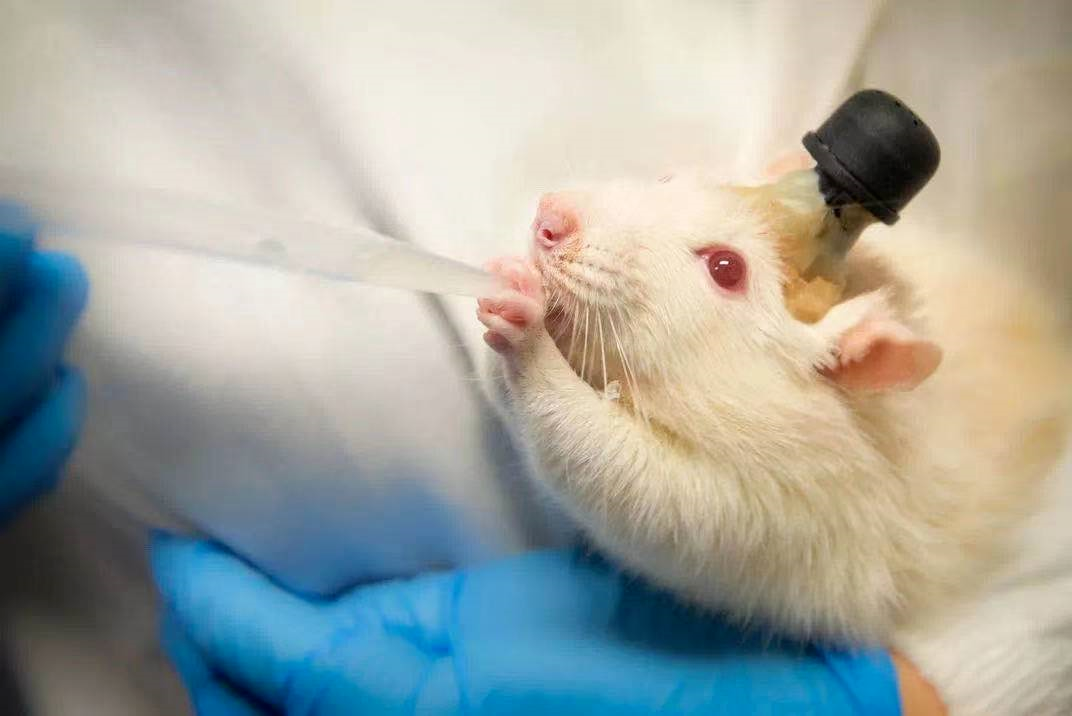
Open Heart: Our tumor studies had control and treatment groups. Controls did not receive the treatment, and their weight curve did not change as markedly as the treated animals'. In that experiment, I thought treatment contributed more to weight loss than the tumor itself. This observation is not a general conclusion about all tumors or treatments.
#3 Ethical principles behind research
The 3Rs and responsibility: Respect life and recognize its contribution
Open Heart: Before animal experiments, we had two main kinds of training: ethics and practical technique.
The ethics training discussed the 3Rs. Replacement means using an alternative to animals when it can answer the research question. Reduction means using no more animals than necessary for sound research. Refinement means improving procedures and care to minimize pain, suffering, and distress.
One example from ethics training stayed with me: a medical student posted animal-experiment photographs on a personal social account. In the interviewee's training context, this was described as a violation. Whether sharing an image is permissible depends on consent, institutional rules, and context; posting a research image is not automatically a universal ethics violation.
Other training concerned practical procedures, with staff teaching approved techniques such as anesthesia and euthanasia.

Broad Outlook: Our arrangements were similar: staff provided practical and ethics training before we worked with animals.
The 3Rs are widely recognized. The interview also discussed Responsibility as an additional principle: responsibility to animals and to public expectations. That can be a useful extension, but it is not a universally standardized replacement called the 4Rs. Responsible research should use animals only where justified and support their welfare.
For example, a friend told me that an animal facility at Tsinghua played music, intending to provide a comfortable environment. That was a reported anecdote, not evidence that music necessarily improves every animal's welfare. Husbandry needs to suit the species and circumstances.
From an ethical perspective, many arrangements have improved, although more remains to be done. Since animals' lives are used in research, we should act responsibly and seek to make their use scientifically meaningful.
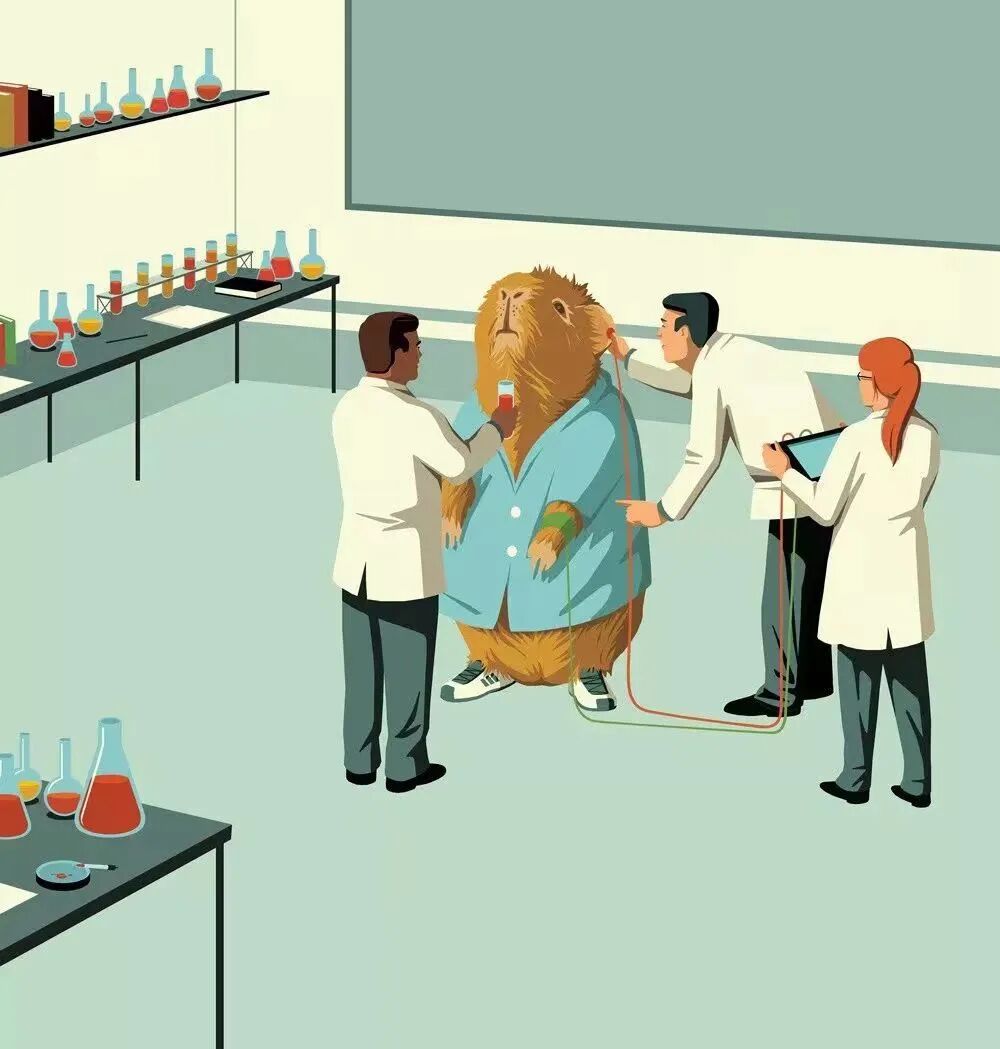
Good care throughout life and humane treatment at its end
Open Heart: During procedures, including our tumor-related work and surgeries, we first ensure that appropriate anesthesia is in effect before beginning the operations described in our protocol.
For a two-hour operation, for example, our protocol used a record sheet and observations every fifteen minutes: breathing and heart activity, skin color, and reflexes. Those observations were part of assessing the animal's condition and anesthesia, not a complete general-purpose anesthesia protocol.
After surgery, we used approved anti-inflammatory and pain-relieving medication, caring for the animals as required by the protocol.
For euthanasia, the interviewee described their facility's use of carbon dioxide followed by cervical dislocation to confirm death. This is a historical account, not an instruction that any such sequence is automatically humane or permitted. Methods require the applicable veterinary guidance, ethical approval, trained personnel, and assessment of the animal and conditions.
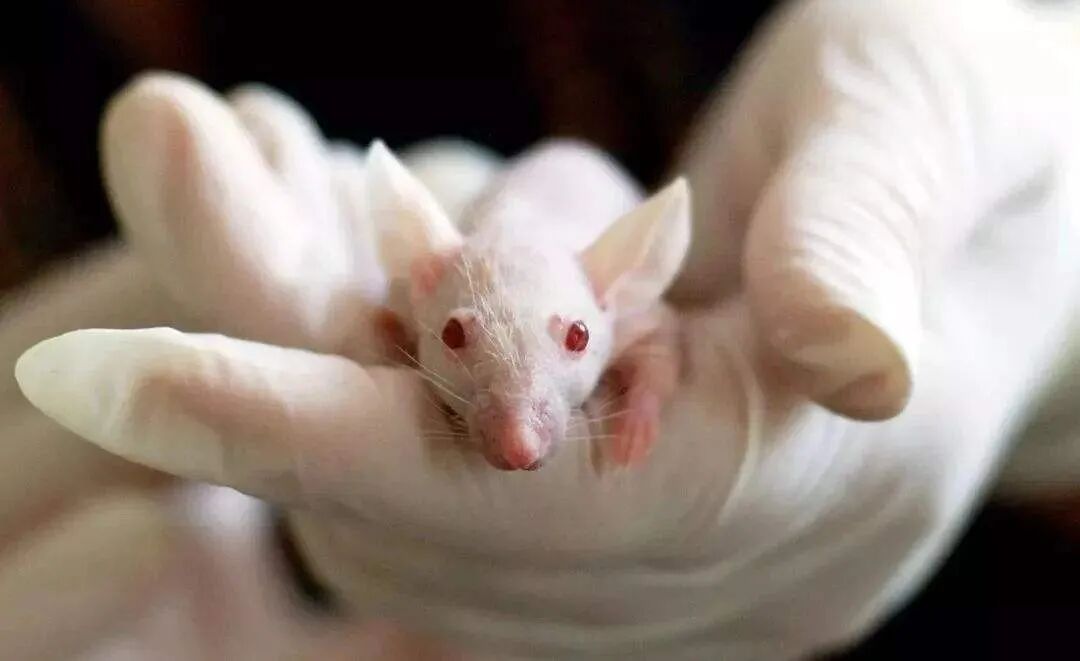
Broad Outlook: Our facility also used cervical dislocation under appropriate anesthesia and an approved protocol, then stored remains in a designated refrigerator for staff to handle centrally. Such arrangements are institution-specific, not a single universal global standard.
In work in China, I mainly used fetal mice—before birth, not before hatching—to study neurons. After birth, further neuronal development and differentiation have taken place, so developmental stage affects the tissue available. Handling also included putting remains into a designated refrigerator for later management by staff. I felt some arrangements in China were particularly thoughtful, such as the reported music in an animal facility, which I had not seen abroad. This is a personal comparison, not a general national welfare ranking.
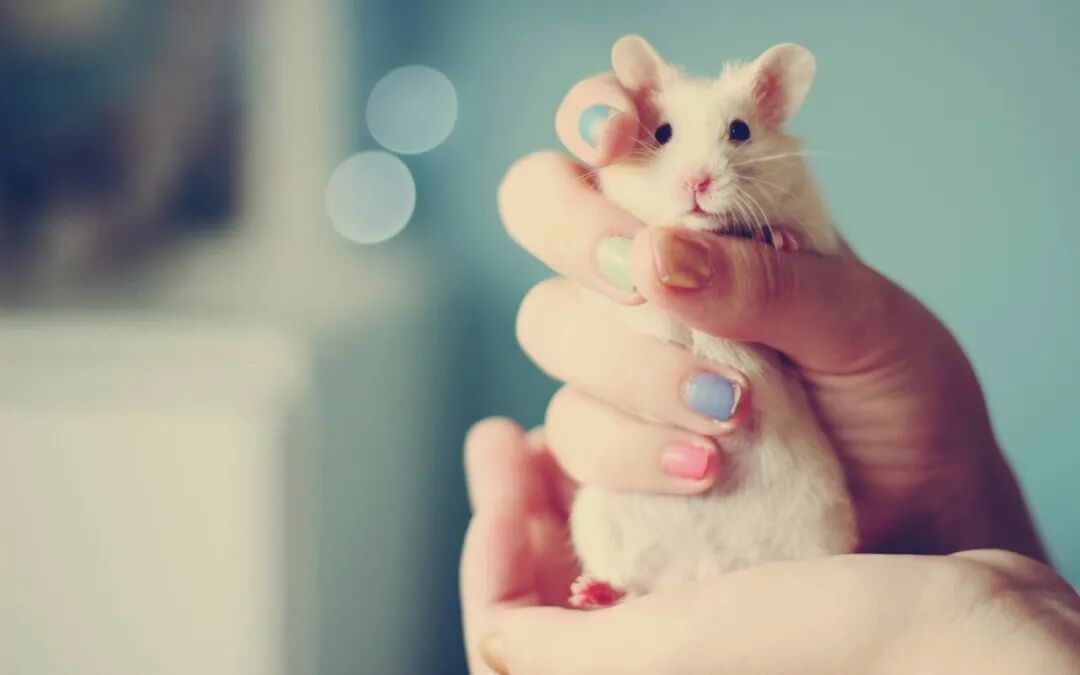
Humans and mice share many corresponding genes, while other organisms such as fruit flies also share conserved biological processes. Gene counts and similarity percentages depend on definitions and must not be equated with complete sequence identity. The original interview cited 183 of 219 physiology or medicine Nobel laureates up to 2019 as having work associated with animal studies; this is retained as a historical figure cited in the manuscript, not independently verified here.
The original cited insulin, penicillin, and polio and anthrax vaccines as examples of animal research contributing to disease prevention and treatment for humans and animals. Its statement about hundreds of millions of lives is retained as a broad description in the manuscript, not a quantified estimate independently verified here.
Animal models remain important for many research questions, while replacement methods should continue to be developed and used where suitable. Where animals are necessary, reduce numbers appropriately, minimize suffering, and respect their lives.
Contributors: Open Heart (胸怀), Broad Outlook (格局)
Editor: Calorie (卡路里)
Audio editor: Honey Peach Oolong (蜜桃乌龙)
Interviewer: Fantuan (饭团)
Recording: Honey Peach Oolong (蜜桃乌龙)
This article reflects the author's personal views, not those of this website. The original manuscript credits images to the internet and requests contact for removal if they infringe rights.
Restoration revision, 2026-10-10: All topics and credits are retained. Corrections address claims of 80% identical genes, a fixed preclinical species ladder, immunodeficiency meaning germ-free status, mice hatching, and a universal handling standard. Numbers and procedures are scoped to the original protocols; the 3Rs are the established framework and responsibility an additional perspective.
Supplementary references
- NHGRI: The 2002 Mouse Genome and Revised Gene Estimates
- NC3Rs: Replacement, Reduction, and Refinement
- NIH OLAW: Animal Protocol Review
- AVMA: Animal Euthanasia Guidelines and Professional Scope
Sources and editorial history
Restored from a complete historical article exported from the PhDSciNet Official Account.
Editorial revision: Restoration revision, 2026-10-10: All topics and credits are retained. Corrections address claims of 80% identical genes, a fixed preclinical species ladder, immunodeficiency meaning germ-free status, mice hatching, and a universal handling standard. Numbers and procedures are scoped to the original protocols; the 3Rs are the established framework and responsibility an additional perspective.