
Historical interview: the following preserves the research experiences and personal views expressed in the original manuscript.
Last time, we discussed bioactive peptides’ remarkable role in lowering blood pressure. Beyond that, they also show promising antibacterial, antimicrobial, anti-aging, and anti-inflammatory effects. A balanced diet can help us obtain bioactive peptides from food: eating well is the highest form of caring for our health!
A review of the previous issue: bioactive peptides
Bioactive peptides are amino-acid sequences with particular physiological functions. Dietary proteins are first digested in the gastrointestinal tract into amino-acid fragments and then absorbed. Usually, however, they are not completely broken down into individual amino acids; some sequences remain, known as peptides. Those with particular physiological functions are bioactive peptides, typically sequences of two to twenty amino acids.
Research on bioactive peptides covers many areas, including lowering blood pressure, antibacterial and antimicrobial effects, and anti-aging.
Bioactive peptides from outside the body
Where do exogenous peptides come from?
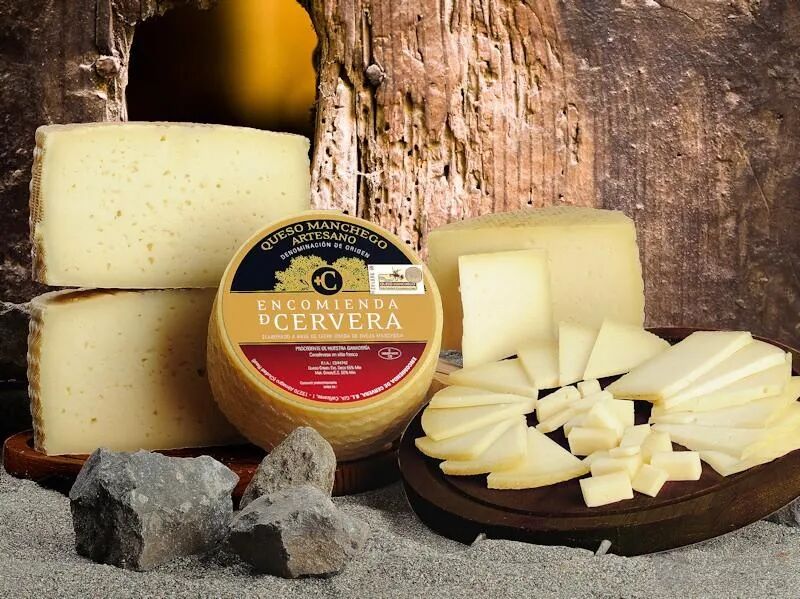
There are roughly three sources: gastrointestinal digestion, food processing and fermentation, and hydrolysis by external enzymes. First, the body’s own digestive enzymes produce them in the gastrointestinal tract. Second, food processing—for example, fermenting cheese or Spanish dry-cured ham left to develop over several weeks—uses many enzymes already present in meat and ultimately produces amino-acid sequences. Processing milk through pasteurization at certain temperatures can also release some. Third, currently the main approach, adding external proteins produces and prepares active peptides; some proteins from plants and microorganisms have a wider range of enzymatic cleavage sites.
Can peptides be designed artificially?
Yes. Continued research has improved our understanding of structure–activity relationships. Bioinformatics and proteomics can identify proteins containing a target peptide sequence and the combinations of enzymes needed to release it. With enough understanding, peptides with better activity and stability can be designed and synthesized. But we must consider whether the active peptide is intended as a food or drug ingredient. Since research generally treats them as food ingredients, there is currently not much work on designing peptide sequences or modifying existing ones.
Bioactive peptides in food
Where do hens from poultry farms go?
Eggs are consumed in greater quantities than other protein foods, even meat, and producing them requires many laying hens. In North America, commercial hens have a laying cycle of about one year, meaning roughly four hundred million hens are removed from farms annually.
In China, laying hens are popular, particularly older hens, which can become a delicious meal or nourishing chicken soup.
The situation is different in Western countries, where people eat eggs but not laying hens. As egg production declines, hens are replaced about yearly. Perhaps only five to ten percent, or fewer, reach supermarkets; most are disposed of by incineration, burial, or composting.
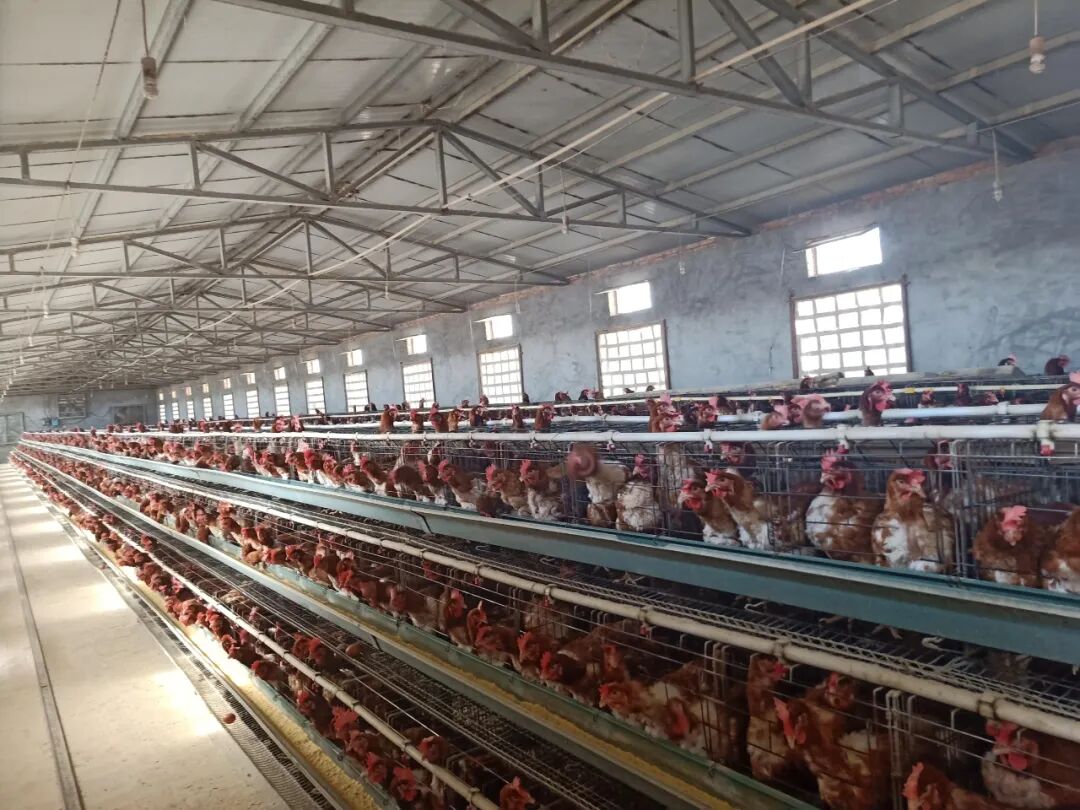
Farmers must pay extra to dispose of these retired hens, and large-scale incineration and composting can pollute the living environment. Hens still contain abundant protein, which can be appropriately processed—for example, chemically modified to prepare adhesives and other biomaterials, or treated with external enzymes to produce bioactive peptides.
For example, developing these peptides as functional-food ingredients could ease poultry waste-disposal pressures and provide farmers with extra income.
Can plants be used too?
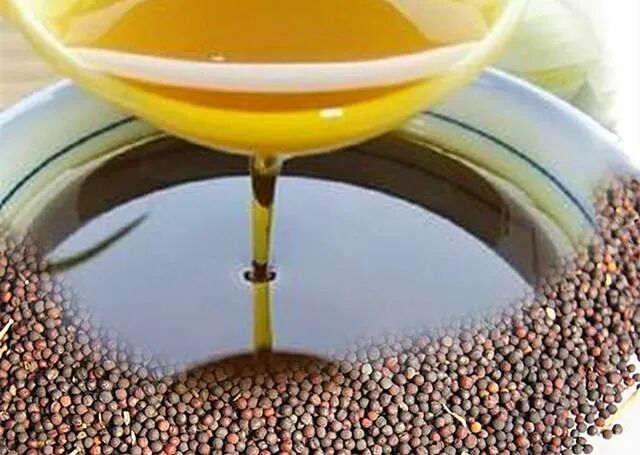
Yes, any protein-rich food can be used. Agricultural by-products include the hens we mentioned and canola meal, the residue left after extracting oil from the canola widely grown in Canada, which still contains much protein. Milk casein also contains particular amino-acid sequences, including VPP and IPP.
The yogurt discussed last time
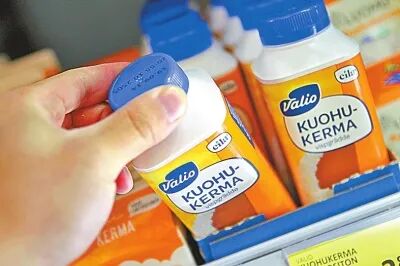
In products already on the market, such as yogurt, particular microorganisms added during fermentation produce a type of protease. It cuts milk-protein sequences at specific sites to release bioactive peptides. Two frequently studied food tripeptides are VPP and IPP, which we have found effective in blood-pressure reduction and diabetes-related research. Related products include Japan’s Calpis and Finland’s Valio.
Research evidence check: the manuscript provides no human trial results showing that VPP or IPP treats diabetes; this research summary should not be treated as an established clinical treatment conclusion.
A question: as amino-acid sequences, are active peptides not digested and metabolized by stomach acid?
Yes. Active peptides have a major weakness: they are easily digested and metabolized. Taken orally, they may have short half-lives in the gastrointestinal tract, during intestinal absorption, or within the body and blood vessels. Gastrointestinal enzymes can break them down relatively easily.
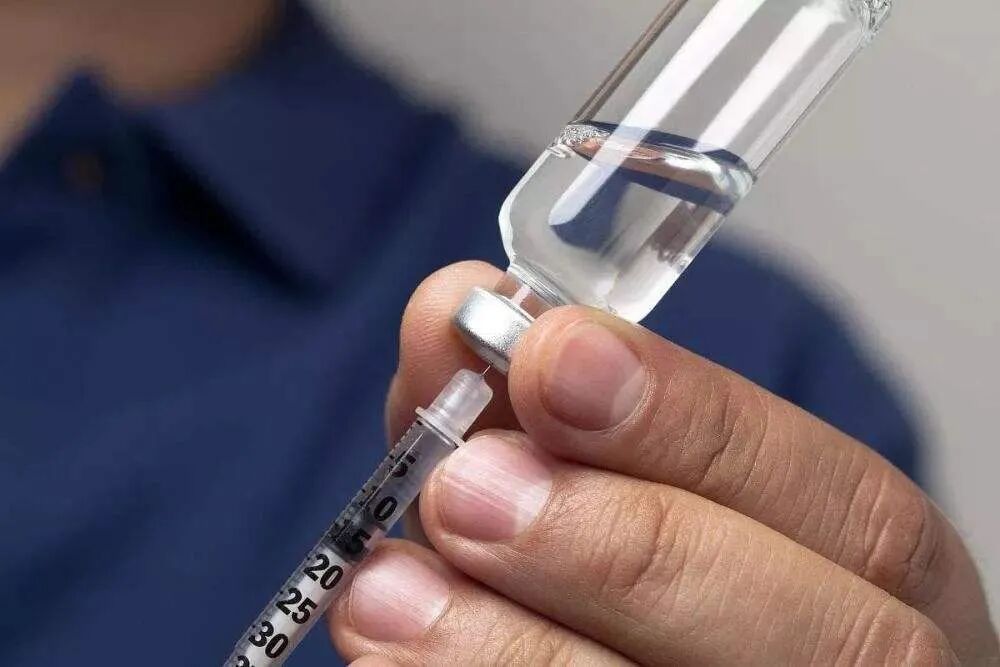
Insulin, which consists of several dozen amino acids, will certainly be digested in the gastrointestinal tract and emerge as fragments. Compared with the whole molecule, those fragments basically have no effect, so ordinary insulin cannot simply be used as an oral formulation. Injection is a common route, and the US FDA also approved an inhaled insulin formulation in 2014.
Many bioactive peptides work outside the body, but perhaps only a few percent truly perform physiological functions inside it. Those that do may resist gastrointestinal digestion, or may be larger peptides whose fragments become more active after digestive enzymes cut them.
Eating well matters
Include a wide variety of foods
We all know that diet should give more attention to nutrition and balance, yet in practice we still mainly eat what we like.
It is an emotional subject: people understand the reasoning but often do not act on it. Many, for example, cannot resist spicy snack strips.
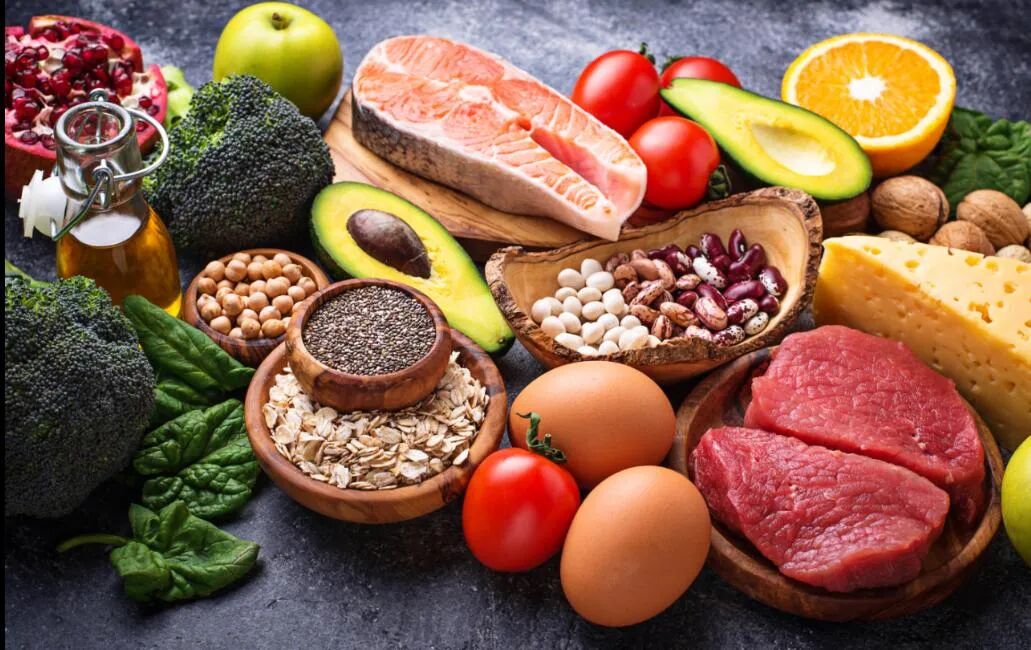
We should try to change our lifestyle: move more, sit less, keep a good mood, avoid excessive pressure, and reduce smoking and alcohol a little. Diet should also be balanced. One approach is DASH, Dietary Approaches to Stop Hypertension, which uses diet to prevent hypertension. It is widely recommended internationally and generally favors whole grains over refined foods, such as oats. Foods with abundant amino acids and dietary fiber can have noticeable effects on lowering cholesterol and improving diabetes.

Vegetables and fruit provide potassium, vitamins, and minerals. Calcium contributes to bones and many physiological functions, while vitamin D helps calcium absorption. The body maintains calcium balance through mechanisms involving bones, but vascular calcification and hypertension cannot simply be explained as “calcium deficiency releases bone calcium that deposits in vessels.” Calcium supplementation is not a general hypertension treatment.
Good-quality protein is particularly recommended, and seafood when circumstances allow. Seafood differs greatly from meat from land animals because it contains abundant omega-3 fatty acids, such as in salmon and tuna. Deep-water migratory fish like tuna have a particularly high proportion of omega-3 fats, especially long-chain DHA. Television advertisements often describe DHA’s benefits for children’s development and older people’s health.
Can bioactive peptides replace medicines?
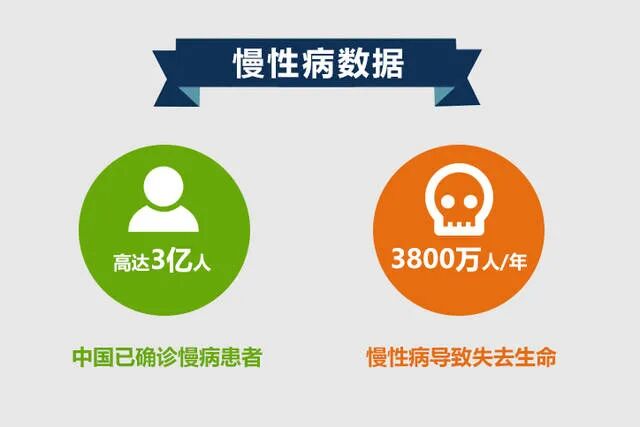
I am also thinking about that. They are currently developed mainly as functional nutritional ingredients, and I personally see them more as support that complements medicines rather than replacing them. Many threats to health are chronic diseases, including diabetes, inflammation, and hypertension, often linked to unhealthy lifestyles, especially diet—for example, eating too much sugar.
For comparison, the human food supply changed slowly during evolution. A million years ago, our ancestors ate leaves and grass and hunted in the wild, rarely encountering high-sugar foods. Our diet has changed too rapidly: relatively balanced combinations from nature have given way to refined modern foods. Our digestive and metabolic systems cannot keep up with such rapid changes, inevitably producing metabolic diseases.
Changing these conditions through particular food components such as active peptides alone would require returning collectively to the earlier natural diet, which is clearly unlikely in an industrial society.
Medicines and natural substances can both have adverse effects, and their half-lives vary; “natural” alone does not mean safer. The benefits and safety of vitamins, active peptides, and phytochemicals depend on the ingredient, dose, and circumstances of use. Over the long term, lifestyle and diet still matter. These substances can form part of an overall healthy diet, but do not replace necessary treatment.
Unhealthy, unbalanced diets have become major contributors to many chronic diseases. As Hippocrates, the father of medicine, put it, let food be your medicine rather than medicine your food. So please eat well and take good care of yourself!
Science contributor: Food Lover
Text editors: Fantuan, Calorie
Audio editor: Honey Peach Oolong
Interview: Fantuan, Calorie
Audio recording: Honey Peach Oolong
*This article expresses the author’s personal views and does not represent those of this website.
Additional sources checked
US Food and Drug Administration: Inhaled insulin approval record
US National Institutes of Health: Calcium
US National Institutes of Health: Dietary supplement evidence and safety
US National Institutes of Health: DASH eating plan
Sources and editorial history
Restored from a complete historical article exported from the PhDSciNet Official Account.
Editorial revision: The historical research discussion is retained. Statements on insulin administration, calcium–blood-pressure causation, and natural substances being free of adverse effects were corrected; food research is distinguished from established human treatment. The original experiments and dietary views are not a personal medication plan.