Historical interview: the following preserves the research experiences and personal views expressed in the original manuscript.
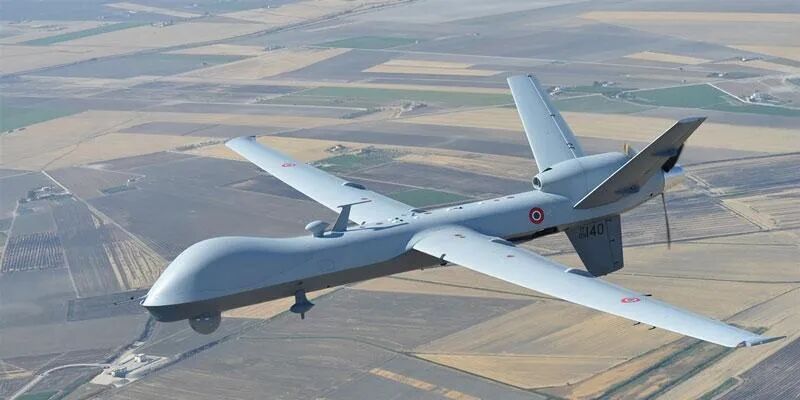
Military drones emerged as early as the First World War. With continuing advances in information technology, their development is changing rapidly. Flexible deployment, accurate intelligence, and the effective combination of reconnaissance and attack could give military drones a prominent role on future battlefields.
In this issue, let us explore military drones, sometimes called “killers in the sky,” and learn how they have become formidable on the battlefield.
Some basic facts about drones
What is a drone?
A drone is a mechanical device that uses ground-based remote control to fly without an onboard pilot, carrying out tasks directed by people or performed autonomously.
Classification by structure
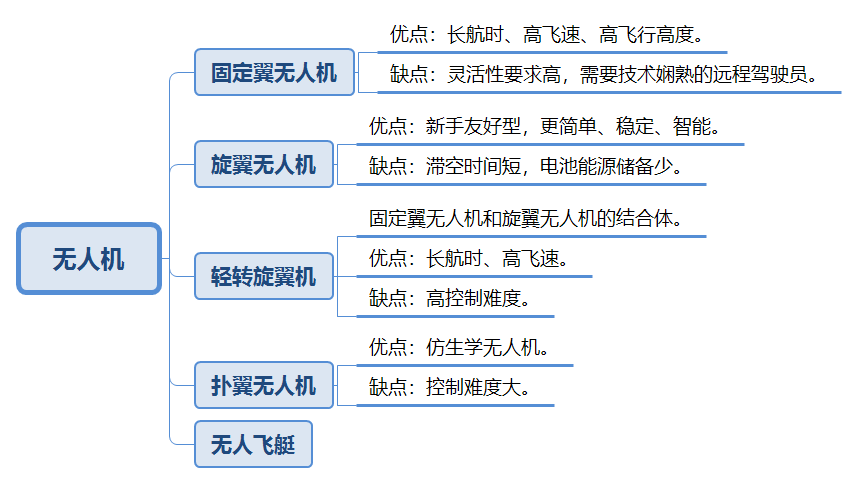
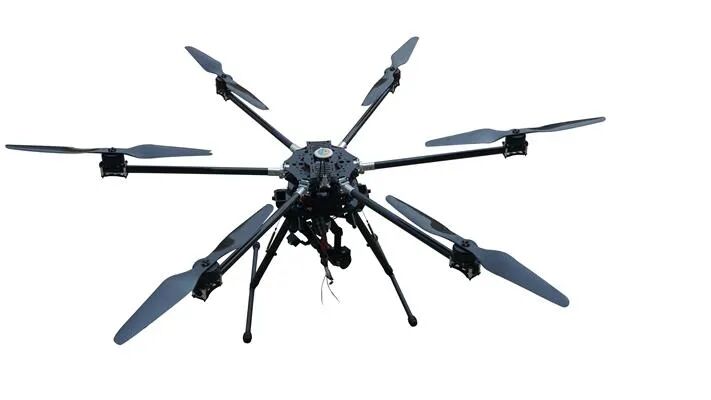
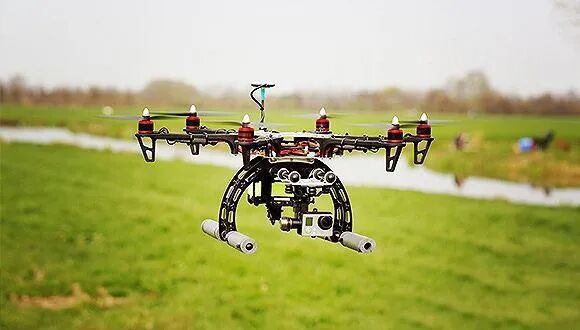
Structurally, drones can be divided into fixed-wing, rotary-wing, unmanned airship, and flapping-wing types. Fixed-wing and rotary-wing drones are the most common.
Fixed-wing drones primarily seek long endurance, high speed, and high altitude. Their greater demands on operational flexibility call for skilled remote pilots. Rotary-wing drones, by contrast, face limits on time aloft and battery energy; their flight is intended to be simpler, more stable, and more intelligent, making development increasingly beginner-friendly and reducing what pilots need to learn.
A newer direction is the tiltrotor aircraft, combining fixed-wing and rotary-wing drones. During takeoff it behaves as a rotary-wing drone and can take off and land vertically. Once stable in the air, a structural change makes it function as a fixed-wing drone, with the rotors providing propulsion and giving it the long endurance and high speed of that type. Changing configuration in flight makes control more demanding and difficult.
Do more wings make a drone more stable?
More rotors make a drone more stable but reduce its maneuverability. In an unexpected situation, for example, you might send a brief command to move one meter left; the speed of its response reflects its maneuverability. With more rotors, maneuverability is relatively worse—or worse at the same kinetic energy—while stability during hovering is better.
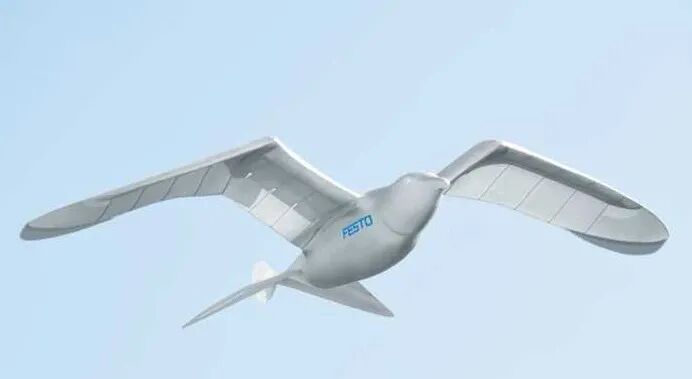
Flapping-wing drones: inspired by biology
A flapping-wing drone imitates the flight mechanisms of moths, butterflies, or birds. This technology is not yet very mature because the system changes dynamically during movement, making control extremely difficult. It also relies on indoor positioning and navigation, such as vision or infrared methods, making autonomous outdoor missions difficult, although flight displays may already be relatively developed.
Classification by use
Drones can be divided into military and civilian types. Military drones mainly perform battlefield tasks such as reconnaissance. They can serve as decoys for electronic countermeasures or communication relays, and can carry precision-strike firepower or perform attack-related tasks in military exercises.
Civilian drones are more familiar. Light shows and inspection of power lines use inspection or surveillance drones. Agricultural drones perform planting, pesticide application, and health monitoring. Weather observation, exploration, and surveying or mapping are other common civilian applications.
Advantages of drones on the battlefield
Compared with crewed aircraft, drones cost less and do not require expensive personnel training and maintenance. People are the most valuable resource in war; crewed aircraft must consider human safety and comfort, raising costs. Drones are smaller, and their design is not constrained by a pilot’s physiological limits, allowing demanding tasks.
Second, drones have lower requirements for ground support, making inspection and maintenance simpler.
Third, operators can control drones without entering the battlefield, providing greater safety. Crewed aircraft have high safety standards but still face a small chance of damage or destruction. A drone may simply be unrecoverable after an accident, without risking onboard personnel. People are, after all, the most valuable battlefield resource.
Fourth, drones require relatively little space for takeoff and landing. Many small ones can even be held or thrown for launch, helping personnel remain concealed and improving their survival chances.
Weaknesses in military use
One weakness is the lack of a person’s ability to respond to unexpected events. Strong signal interference on a battlefield may sever contact between the receiver and ground station or cause onboard electronics to fail, which can be fatal for the drone.
Second, drones offer little advantage against an opponent with strong air defenses and have relatively weak survivability.
Third, drones fly more slowly than crewed fighters and handle wind disturbance and air currents poorly. Strong winds or turbulence can make them deviate from their routes. Drones usually operate in the troposphere, unlike fighters operating in the stratosphere, exposing them to more weather phenomena and possible damage that affects their operation.
Are there good technical solutions to these weaknesses?
Improving battlefield survivability has always been a goal of drone research.
Two important research directions are improving stealth, resistance to interference, and the security and reliability of data links; and turning drones into expendable systems, such as loitering munitions or one-way attack drones. Their simpler structure and lower performance requirements allow them to be destroyed after a single use. This seeks greater military benefit by reducing the cost to one’s own side.
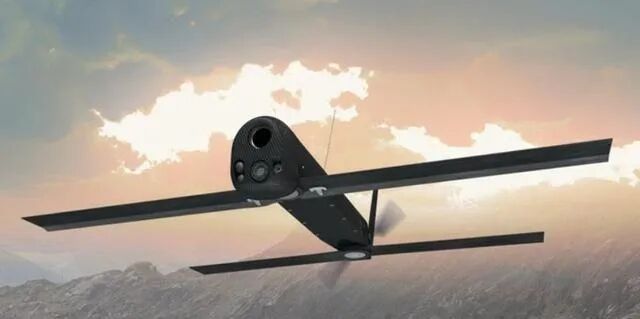
Examples of military drone use
Drones in the Azerbaijan–Armenia war
For example, Azerbaijan had a relatively complete drone system, with various types that gave it considerable advantages in the war with Armenia.
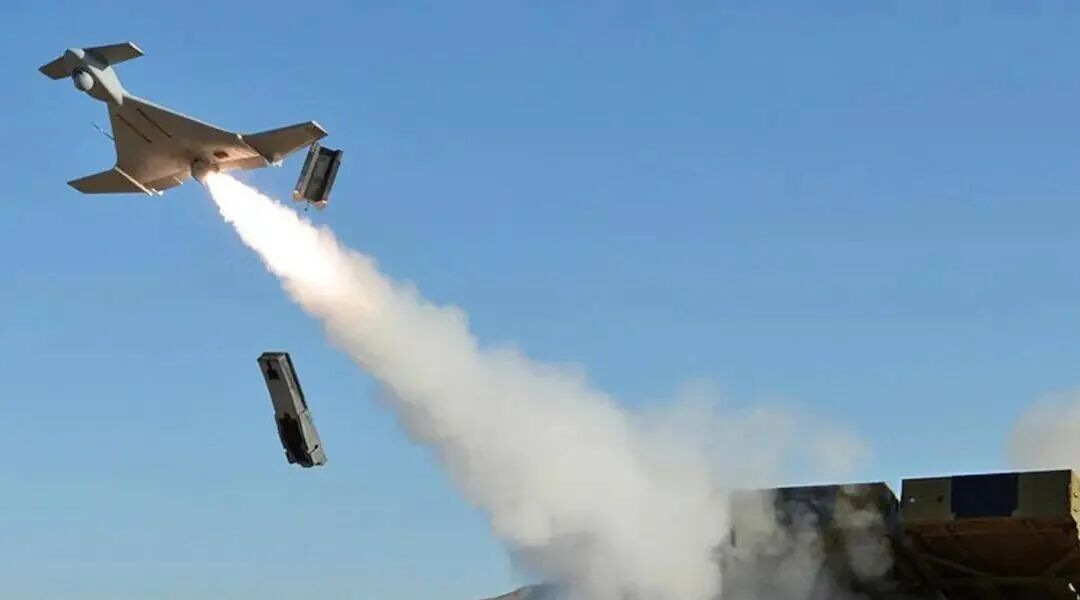
Its drones were mainly imported from Israel and Turkey, including one-way loitering munitions and tactical reconnaissance and strike drones equipped with small, precise munitions. The longer-range Harpy, whose name refers to a harpy, weighs 135 kilograms, has a 23-kilogram warhead, and can remain aloft for six hours. Its maximum flight distance can reach 1,000 kilometers, and its most notable reported result was destroying an Armenian S-300 missile system. Such a longer-range drone gives smaller countries a capability for operations at a distance.
Another type used by Azerbaijan is the SkyStriker, weighing about 35 kilograms with a five- to ten-kilogram warhead, two hours of flight, and a maximum range of 300 kilometers, often used in infantry operations. Its smaller Orbiter drone has a takeoff weight of about thirteen kilograms, a three-kilogram warhead, a maximum speed of 126 kilometers per hour, and endurance of up to two and a half hours. To replenish drones, Azerbaijan also copied the Orbiter-1K one-way attack drone, allowing it to replace battlefield losses itself.
Given drones’ low prices, Azerbaijan could retain an advantage even if it exchanged losses with Armenia. Their weights and ranges also suggest it had built a complete drone warfare system, with different types serving different functions and specialized drones for each role. Armenia consequently sustained severe losses.
This contactless, asymmetric style of combat may redefine modern warfare and offer lessons for China’s army and navy.
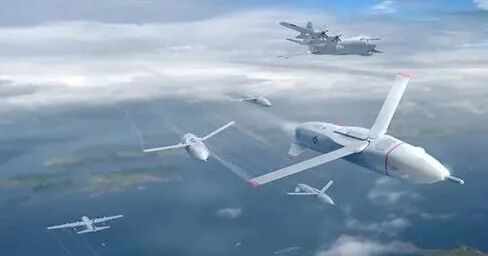
Drones in the Indo-Pacific region
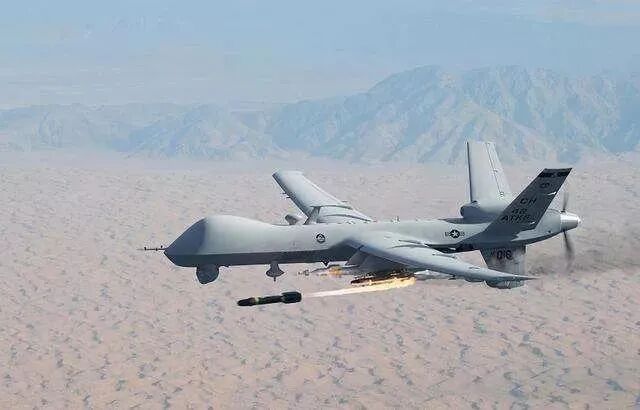
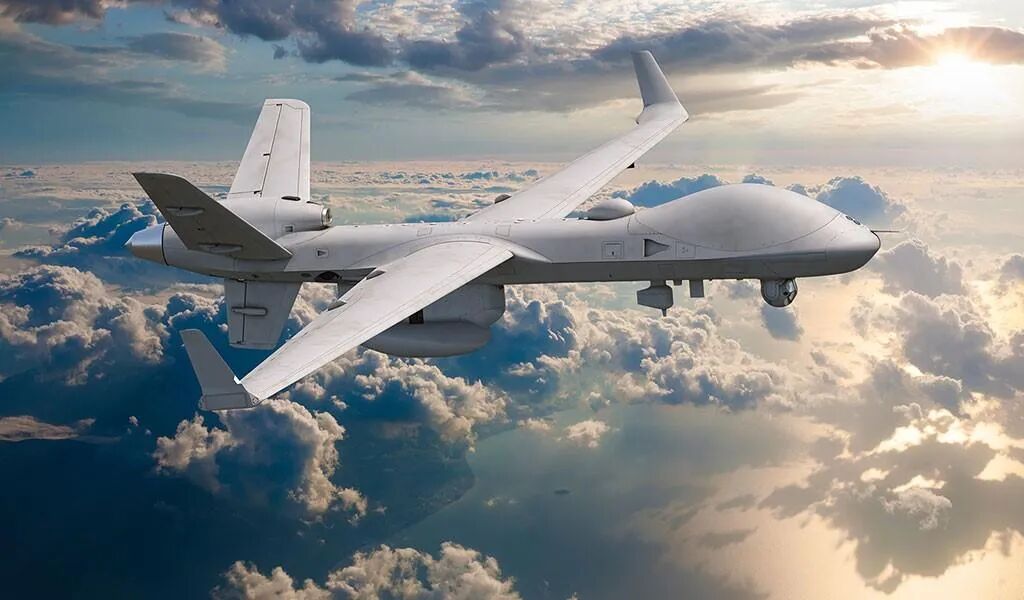
Fixed-wing drones are relatively expensive but more capable, with longer endurance and larger payloads. For example, in 2017 the United States exported twenty-two MQ-9B SeaGuardian drones to India under a contract totaling about US$2 billion, almost US$100 million each. With a flight radius reaching 7,000 kilometers, high altitude and speed, a wide attack area, and strong reconnaissance, the aircraft is particularly capable and worth its price.
Editorial check: the 2017 US–India official statement offered SeaGuardian sales for India’s consideration; it does not establish that twenty-two aircraft were delivered that year. The contract value and aircraft parameters in the interview are not confirmed by that statement and remain historical assertions.
This aircraft strengthened India’s maritime search capability and its maritime situational awareness in the Indo-Pacific region.
Key performance measures
The importance of payload capacity and endurance
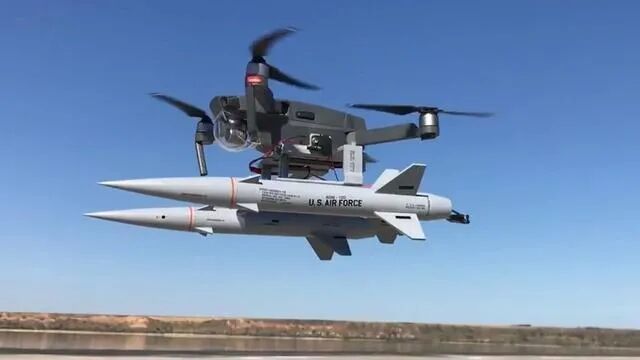
Payload capacity generally means the weight of ammunition. Weapons are generally considered part of the drone itself, so we do not count them as payload. Explosives, missiles, and machine-gun ammunition, for example, are what we call its payload capacity.
For example, air-combat missiles on familiar crewed helicopters basically weigh around ten kilograms. A payload capacity of five hundred kilograms could therefore carry about fifty short-range helicopter air-combat missiles, providing powerful fire support. The same payload capacity could carry two medium-range missiles with ranges around one thousand kilometers, posing a substantial threat.
A source of pride in China: the CH-5 drone
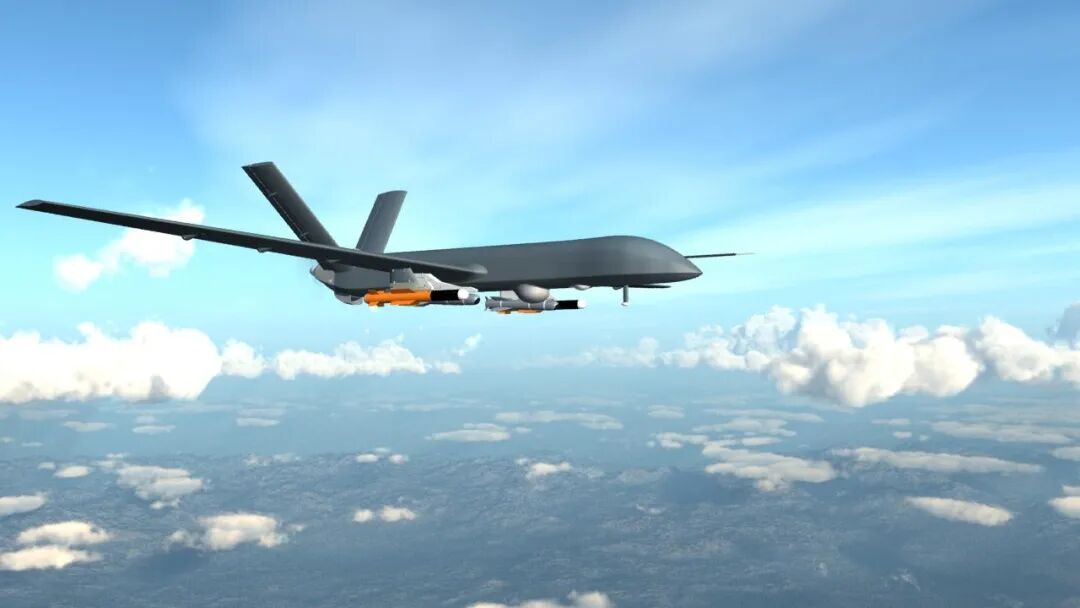
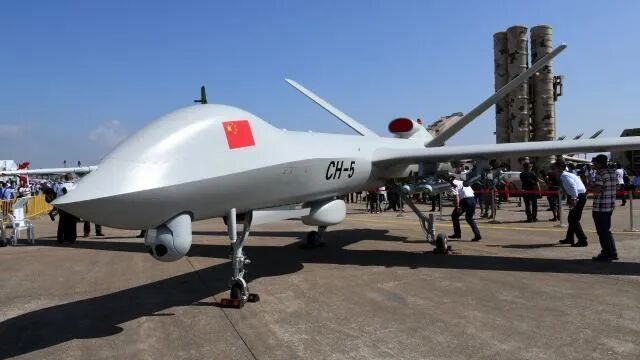
A few years ago, China introduced the CH-5, a large, mid-to-high-end reconnaissance-and-strike drone independently developed by the Eleventh Academy of China Aerospace Science and Technology Corporation. Its payload exceeds five hundred kilograms and it can fly continuously for more than forty hours. An evolved version can even reach 120 hours, implying a maximum flight distance above ten thousand kilometers. It can serve as a small, low-cost early-warning platform for joint ground monitoring, command and control, electronic reconnaissance and countermeasures, and integrated battlefield awareness.
The CH-5 has improved comprehensively, with endurance and payload capacity both much better than the US SeaGuardian.
Its range can reach ten thousand kilometers, yet its price may be less than half that of the SeaGuardian. Its payload is also excellent, making it slightly better in every respect.
Science contributor: Boiled Egg with Chili Sauce
Editor: Honey Peach Oolong
Interview: Fantuan, Calorie
Audio recording: Honey Peach Oolong
*This article expresses the author’s personal views and does not represent those of this website.
Additional sources checked
Sources and editorial history
Restored from a complete historical article exported from the PhDSciNet Official Account.
Editorial revision: The complete historical interview is retained. Tiltrotor and Indo-Pacific wording, the developer’s name, and the country in the Gremlins caption were corrected; a sale offer is distinguished from delivery. Aircraft parameters and comparisons remain statements made at the time, not current specifications or a rigorous comparative assessment.