
English translation of the original Chinese article. Publication dates and the extent of recovered text are preserved. Figures retain their original labels. Read the Chinese original.

Lecturer and master’s student supervisor, School of Law, Southwest University of Political Science and Law
Keywords: doping substances, Vastarel, suspension, criminal law
The Supreme People’s Court’s Interpretation on Several Issues Concerning the Application of Law in Criminal Cases Involving Smuggling, Illegal Business Operations and Illegal Use of Doping Substances meant that doping misuse would formally fall within criminal law from January 1, 2020. Many experts and scholars felt that a matter they had advocated for years was finally taking shape. In particular, the misuse of doping substances in sporting competitions at last had a basis in a judicial interpretation.
But if we look back at Sun Yang’s suspension controversy in 2014 and consider the provisions of this judicial interpretation—setting aside questions of temporal applicability—how should the people involved be assessed under criminal law?
A Recap of the Events:
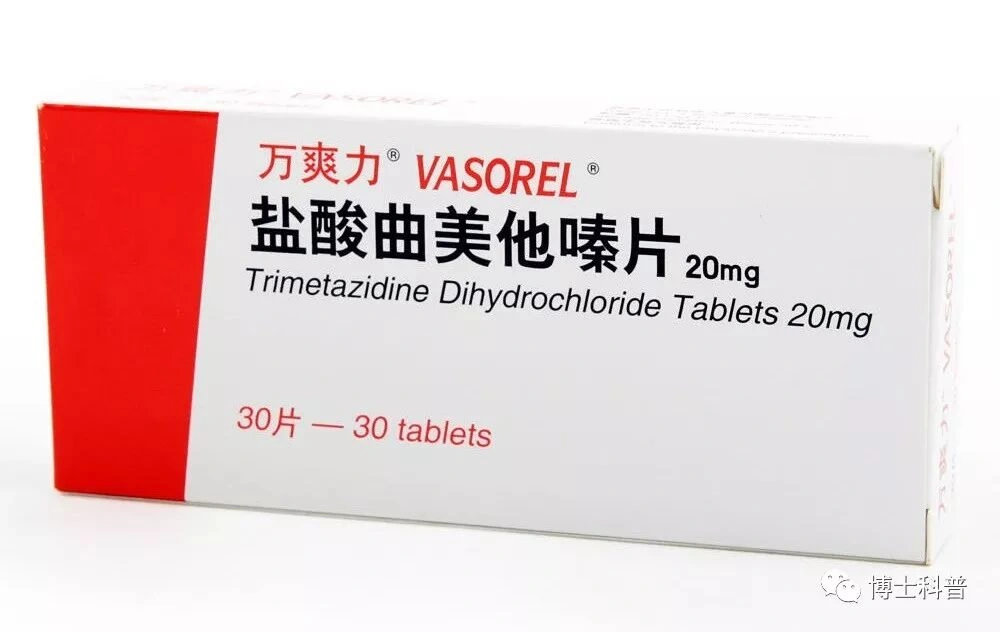
Sun Yang’s three-month suspension for taking a prohibited substance was one of the most explosive stories in Chinese sport in recent years. The medication implicated in his violation was a drug for heart problems commonly known as “Vastarel” (万爽力). It contained the prohibited ingredient trimetazidine, which was added to the prohibited list on January 1, 2014. Yet the Athletes’ Guide to Therapeutic Medication Use, issued by the relevant authorities in March 2014, still marked trimetazidine as “permitted”!
First, we need to clarify whether Vastarel falls within the category of doping substances. Originally, the term referred to drugs used to stimulate athletes in order to improve competitive performance. But substances used for doping in sport are not necessarily drugs that cause stimulation; trimetazidine in Vastarel is one example. The drug comes as film-coated tablets, white once the coating is removed, and is used for the preventive treatment of angina and as an adjunct for symptomatic treatment of vertigo and tinnitus. Its mechanism differs from what people generally understand as a “stimulant”: it does not stimulate the central nervous system, but mainly optimizes energy metabolism in the heart muscle and improves the body’s efficiency in using oxygen, providing more energy and improving athletic function. Consequently, substances classed as doping agents in sport are no longer identified solely by their effects; the term encompasses prohibited drugs as well. In fact, China’s food and drug regulator had long published the names of medicines containing substances on the doping list, divided into two categories: “Chemical medicines and biological products containing substances listed in the doping catalogue” and “Traditional Chinese medicines containing substances listed in the doping catalogue”. The instructions for Vastarel now include the words “Athletes should use with caution”. Vastarel therefore has the potential to be classified legally as a doping substance.
Next, let us consider whether Sun Yang should bear the adverse consequences of taking Vastarel because of the incorrect listing in the Athletes’ Guide to Therapeutic Medication Use. A familiar legal principle is “No culpability, no punishment”. In other words, if a person is not subjectively at fault, even serious consequences do not justify imposing criminal punishment. A simple example may make the reasoning clearer. Suppose you enjoy shooting wild birds with a hunting gun and are particularly keen on a long-feathered species whose name you do not know. Unsure whether the bird is a protected rare animal, you ask a government authority, and the official in charge tells you that you may hunt it. On one occasion, however, the police catch you hunting and formally arrest you for killing a protected rare animal. Although your objective conduct has caused a harmful result, you did not subjectively intend to kill a protected rare animal, because you had consulted the responsible authority and received an affirmative answer. Ultimately, therefore, you cannot be punished on the charge of killing a protected rare animal.
The same reasoning applies here. The Athletes’ Guide to Therapeutic Medication Use was jointly compiled by the Department of Science and Education of the General Administration of Sport and the administration’s Institute of Sports Medicine. It serves as a guide for national teams at different levels and provincial teams, and team doctors generally use it as their standard when prescribing medication. In other words, the existence of an officially issued guide provided a basis on which Sun Yang could rely when taking the relevant medication in accordance with it. When this problem arose, the adverse consequences should therefore not be attributed to Sun Yang.
Another fact emerged during the investigation: the route by which Sun Yang obtained the medication gradually became clear. He had collected it himself using his medical card, following recommendations from the Zhejiang medical team. This is evidently another important reason why Sun Yang should not bear the adverse consequences.
Finally, let us discuss whether those responsible for compiling the guide should bear legal responsibility. Article 6 of the Interpretation provides: “Where personnel of state organs, in exercising anti-doping administrative powers, abuse their powers or neglect their duties, causing a serious doping violation that gravely damages the nation’s reputation or produces a harmful social impact, and the conditions of Article 397 of the Criminal Law are met, they shall be convicted and punished for abuse of power or dereliction of duty.” In other words, if after 2020 the people responsible for compiling the guide were personnel of state organs, and their omissions caused a similar incident, they might also have to bear the corresponding criminal liability.
*This article expresses the author’s personal views, not those of this website. Other media outlets, websites or individuals who reproduce it must credit the source and bear their own responsibility for copyright and other legal matters. Authors who do not wish their work to be reproduced, or who wish to discuss reproduction fees, should contact us.
Images from the same-title WeChat manuscript
The following images come from the preserved WeChat manuscript with the same title and have been restored in their original order.
Additional illustrations have been recovered from the preserved WeChat manuscript with the same title and are grouped after the article. The archived text and existing editorial corrections have been retained.