
English translation of the original Chinese article. Publication dates and the extent of recovered text are preserved. Figures retain their original labels. Read the Chinese original.
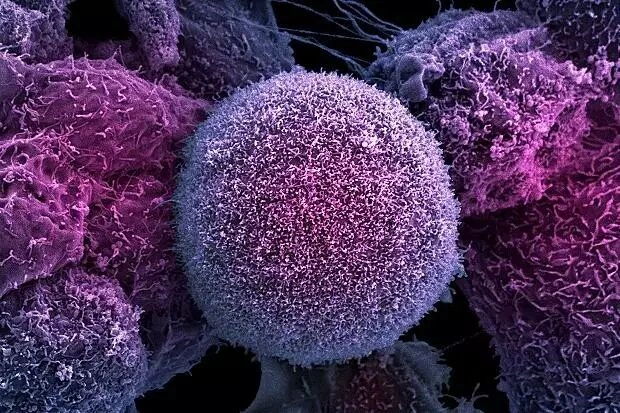
Hypoxia-inducible factors (HIFs) are a family of transcription factors that regulate the expression of relevant genes under low-oxygen conditions, helping cells adapt to changes in oxygen supply. What do they have to do with cancer? Be patient, my liege, and allow me to explain.
As scientific research develops, we have come to understand that cells become cancerous when genetic mutations cause their growth and reproduction to escape control. Both cancer cells and normal cells need nutrients and oxygen to grow and reproduce. Once cancer cells form in the body, they compete with normal cells for nutrients and divide and multiply day and night. When enough accumulate, they form a tumor visible to the naked eye. Tumor formation involves high cell density, but oxygen in the body is limited, producing a low-oxygen environment in tumor tissue.
Tumor hypoxia changes cell growth and metabolism and can prompt adaptive mechanisms; it does not by itself justify concluding that a patient will live longer. HIF-1, for example, is a heterodimer composed of HIF-1α and HIF-1β, also called ARNT. When oxygen is plentiful, oxygen-dependent hydroxylation of HIF-1α allows it to be recognized by a VHL-associated protein complex that promotes its degradation, so its levels are usually low. Under hypoxia, this degradation is inhibited, allowing HIF-1α to accumulate and bind HIF-1β to regulate the transcription of relevant genes. The HIF system participates in regulating genes such as vascular endothelial growth factor (VEGF) and erythropoietin (EPO), helping cells and the body respond to changes in oxygen supply. These adaptive responses may also promote tumor angiogenesis and survival, making HIF-related pathways a major focus of anticancer drug research.
Several drugs that inhibit HIF-1α activity have now been reported, some undergoing clinical trials, and we hope they will benefit human health. Although HIF-1α can act as an accomplice in the harm cancer cells cause, using it appropriately can also benefit humanity. In the next installment, we will tell the story of using HIF-1α to promote wound healing.
Additional References
The text was recovered from the matching article retained in the WeChat account, with the original website’s publication record retained. The old WeChat promotional layout has been removed. Available original illustrations have been restored.
Editorial revision note: Recovery revision dated 2026-10-10: Restored HIF’s identity as a transcription factor regulating gene expression, corrected the composition of HIF-1 and oxygen-dependent degradation, and removed the unverified judgment that hypoxia prolongs life. The drug-research progress described as “current” retains its historical 2017 context. The text contains no personal name, so the old website’s author field is retained.