Historical research curiosities: The manuscript’s humorous account of the 2022 Ig Nobel Prizes is preserved below. “This year” refers to its 2022 context, and the original publication date remains unverified. An award-winning study is not a general treatment or practical recommendation.
The 2022 Ig Nobel Awards: Laughter, Bewilderment, and Scientific Curiosities
Hello, lucky friends:
Welcome to the 32nd First Annual Ig Nobel Prize ceremony—forever “first annual”! All the winning scientists will now describe their research in technical language in 24 seconds, then explain it in seven words. Do not worry: each winner has only 60 seconds for an acceptance speech. If they go over time, they must stop—unless they want a little girl to chase them offstage.
Our prizes remain as generous as ever: a PDF that the winners must download and print themselves? Perhaps it can be folded into a box? And a Zimbabwean banknote worth a full ten trillion dollars—even though it is no longer in circulation …
Audience members, are your paper airplanes ready? Let us warmly welcome the winners to the stage!
Biology: The determination of constipated scorpions
Winners: Solimary García-Hernández and Glauco Machado.
Citation: For studying whether and how constipation affects scorpions’ mating prospects.

In the Ananteris balzani scorpions studied, the curved, raised “tail” is actually the last abdominal segments and includes the digestive tract and anus. When its tail is caught, this species, like a gecko, may shed it to escape. After the tail is lost, scar tissue seals the excretory opening and waste that can no longer be expelled accumulates. Eventually, the tailless scorpion dies of constipation after several months.
Can a tailless scorpion still take care of its “life’s big event” during this slow death from constipation? Will any other scorpion want to date a constipated one? Scientists from Brazil focused on these questions. Their study, conducted over several months, was published online in Integrative Zoology in 2021 and appeared in print in 2022.
The manuscript states that the authors collected 154 Ananteris balzani scorpions. Locomotion experiments found no immediate change in males’ or females’ maximum running speed after tail loss, but longer-term effects differed: males slowed down while females did not show the same decline. A separate reproductive experiment found no effect on male mating success; increased mortality and reduced fecundity meant that autotomized females produced approximately 35% fewer offspring than intact females. Being “still able to mate” is therefore not equivalent to having no effect on locomotion or reproduction.
Even if the rest of life must be spent constipated, being able to eat, run, and make love may be the tailless scorpion’s final act of determination!
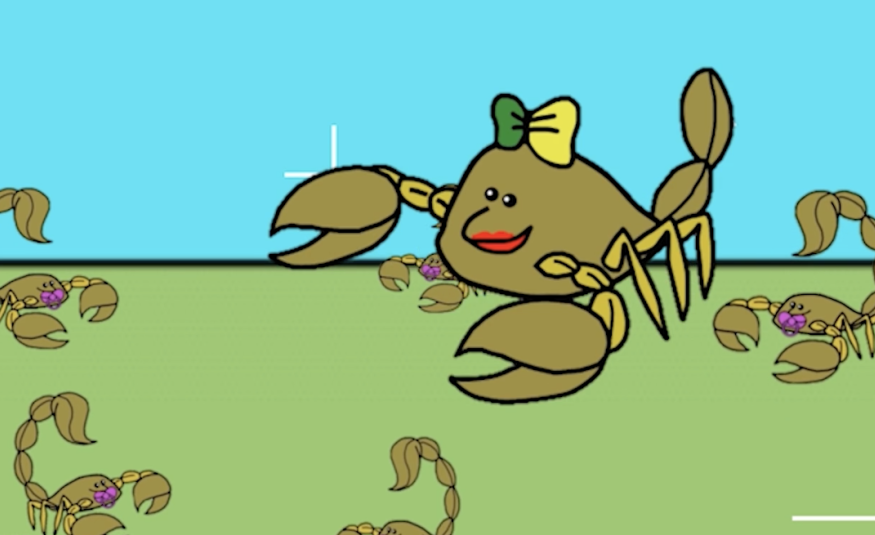
Literature: Why can’t legal documents speak plainly?
Winners: Eric Martínez, Francis Mollica, and Edward Gibson.
Citation: For analyzing the reasons legal documents are difficult to understand.
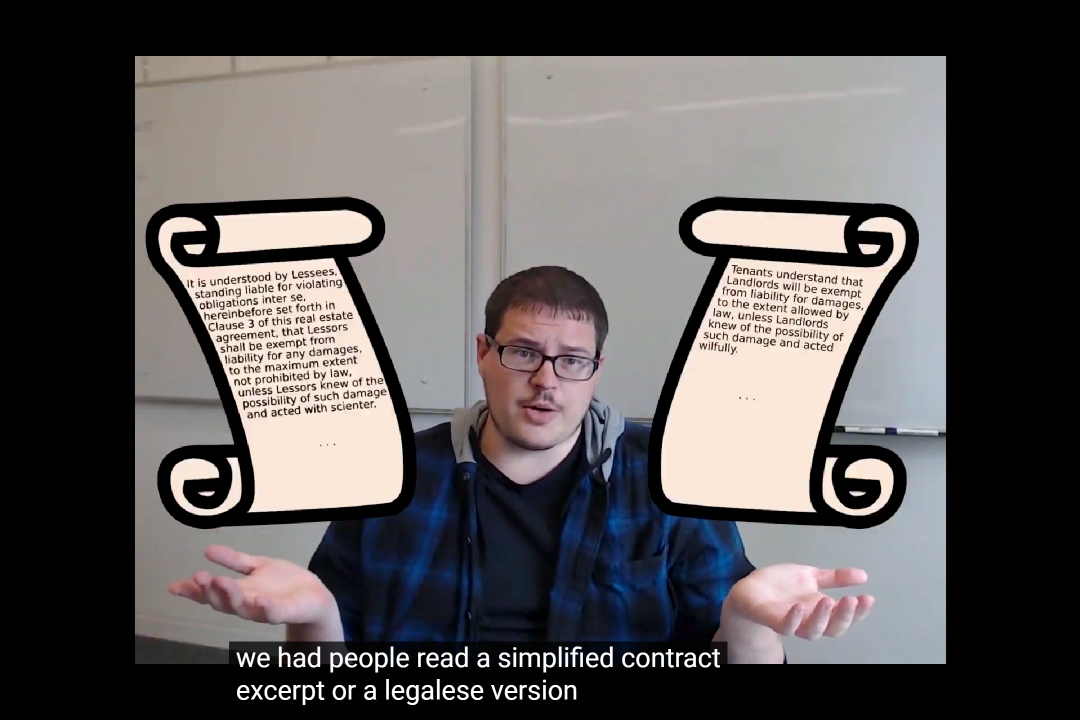
Legal contracts are often notorious for their incomprehensible jargon and tortuous sentence structure.
The three researchers receiving this year’s prize are specialists in language and cognition, and one is also a lawyer. They analyzed what makes legal documents obscure. The answer is not difficult concepts, but poor writing.
Analyzing a database of legal contracts and court documents from 2018 to 2020 and comparing it with a database of standard English documents, they found that legal writing favours all-capital words, uncommon vocabulary, the passive voice, and technical terms packed into long, complex sentences. The result is hard to understand and remember.
They added another possibility: lawyers may simply not realize that their language is too complicated for ordinary readers.
Physics: Ducklings “riding the waves”
Winners: Frank Fish, Zhi-Ming Yuan, Minglu Chen, Laibing Jia, Chunyan Ji, and Atilla Incecik.
Citation: For their research into why ducklings swim in a line.
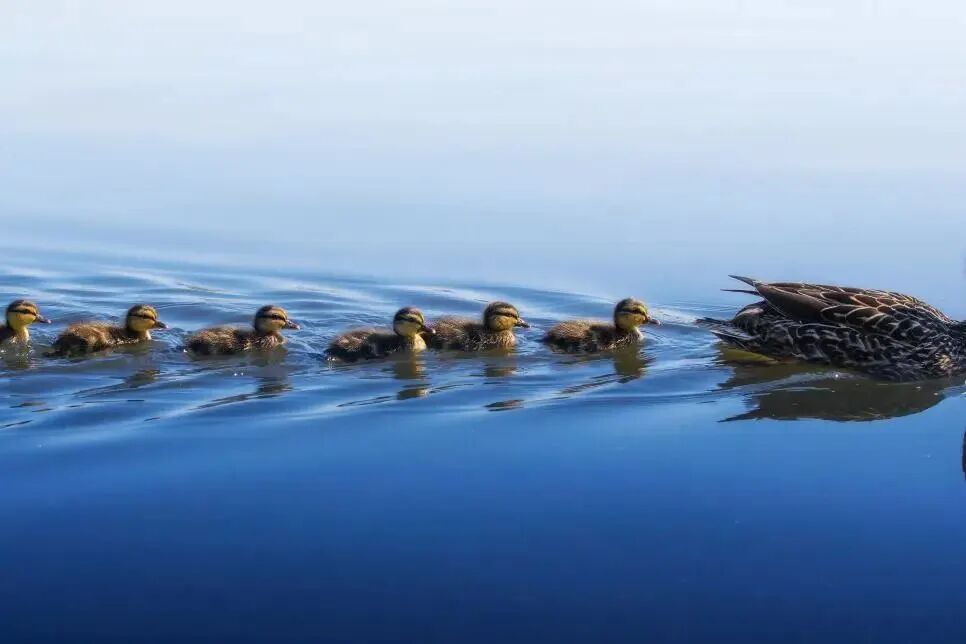
Single file has always been the standard formation for a duckling swimming team. Why do paddling ducklings not move freely and show off their fancy manoeuvres?
Why ducklings favour single-file swimming is still being studied, but a benefit of that formation is becoming clear: it saves effort.
The winners found that when a duckling in a single-file formation occupies the optimal position behind its mother, wave resistance becomes a forward thrust that “pushes” it along. More subtly, the ducklings in the formation can sustain this effect. The first and second ducklings behind the mother are pushed forward and can swim with less effort. From the third duckling onward, the net wave force on an individual gradually approaches zero—not all hydrodynamic resistance or muscular effort—producing a dynamic balance.
The physics of paddling ducklings tells us: there is no effortless peaceful life—there is simply a lead duck bearing the burden for you.
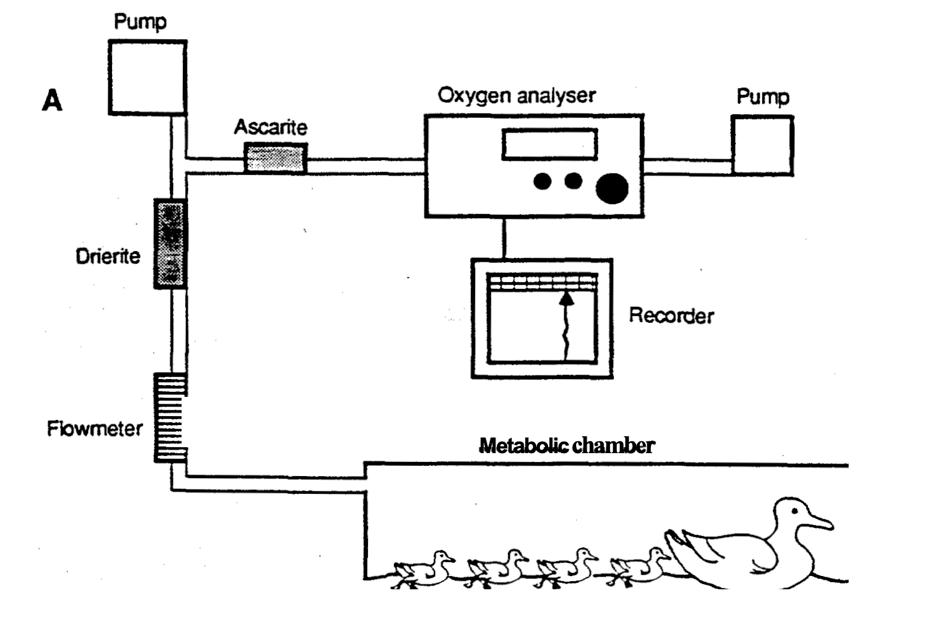
Applied cardiology: My heart rate is in sync with yours
Winners: Eliska Prochazkova, Elio Sjak-Shie, Friederike Behrens, Daniel Lindh, and Mariska Kret.
Citation: For finding an association between physiological synchrony and attraction during first dates.

Can your heart flutter at first sight? Do two people in love really have an electrical response in their hearts?
To study how this feeling arises, the researchers recruited 140 participants and brought them to two dating booths. They sat at opposite ends of a table, separated by a plastic screen. The screen briefly opened, and after several short conversations participants decided whether they wanted to date the other person. Heart rate, skin conductance, and other signals were measured during the process.
The results showed no significant relationship between attraction and smiling, laughter, or eye contact. But synchronized rises and falls in heart rate and skin conductance were associated with changes in attraction. Even the two people’s heartbeats synchronized across the space between them! This physiological synchrony is a statistical association, not proof of heart signals travelling between people through the air or a diagnostic test of love.
Perhaps this is the sound of a fluttering heart?
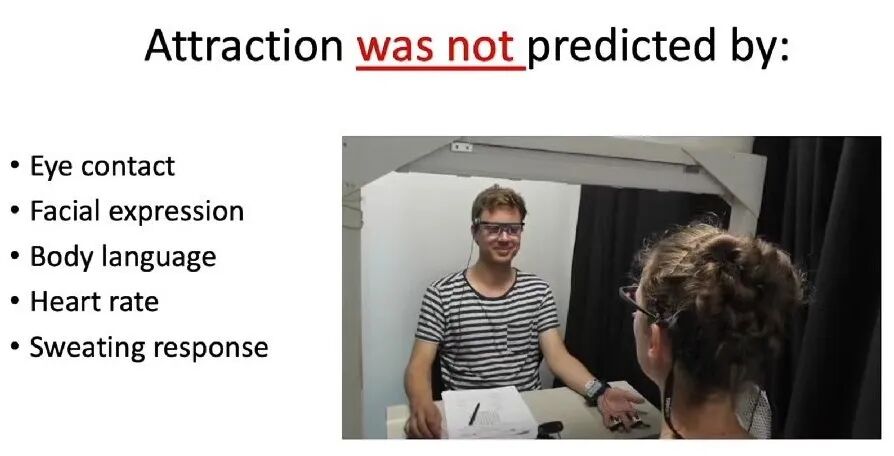
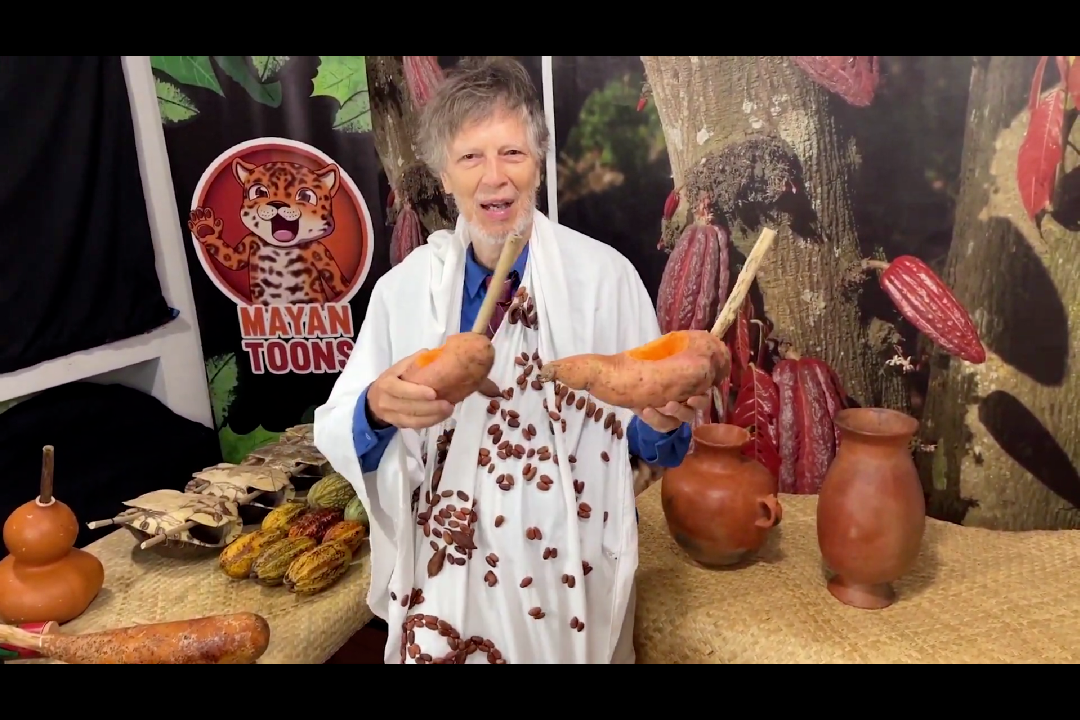
Art history: Maya enemas—quite intoxicating
Winners: Peter de Smet and Nicholas Hellmuth.
Citation: For a multidisciplinary study of ritual enema scenes on ancient Maya pottery.
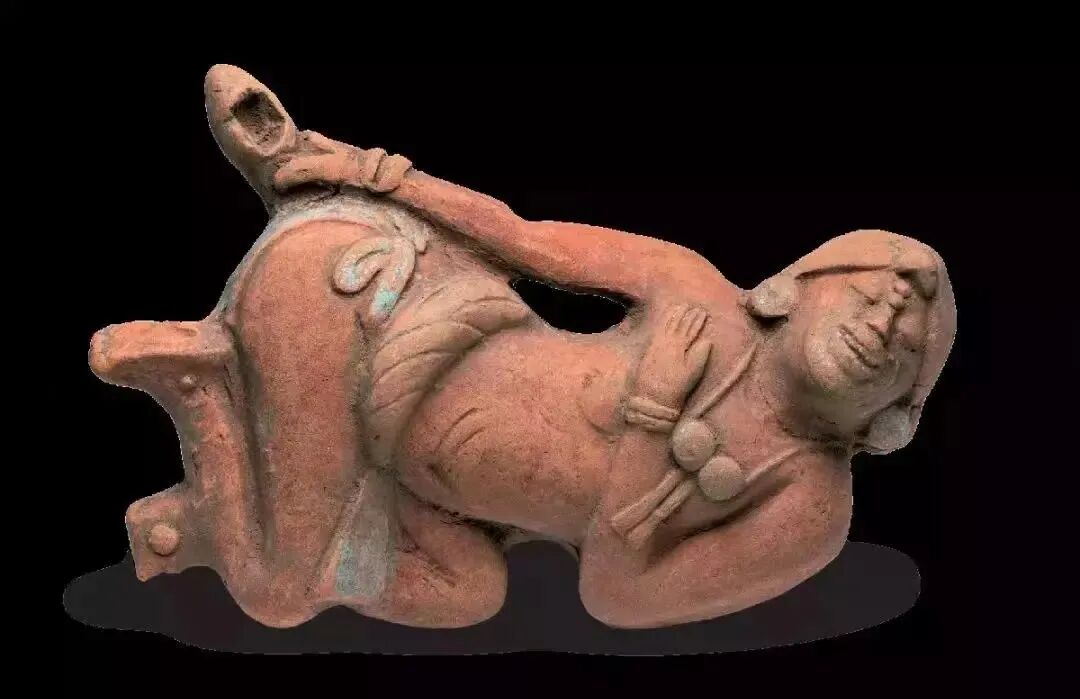
Were the enema scenes on ancient Maya pottery depicting medical treatment or religious ritual?
The two art-history winners analyzed these scenes in a 50-page paper, examining possible procedures and meanings. They concluded that the enemas were not medical treatment but part of a religious ritual, possibly involving fermented alcoholic drinks introduced into the intestines.
The surprising part: after analyzing the images and writing on the pottery, the winners compiled a list of suspected pharmacological substances and experimented with an enema themselves! They concluded that alcohol could be readily absorbed through the rectum.
This scientist, who “led by example,” called for further research with larger samples and a wider range of doses. So far, no courageous successors have answered the call …
Economics: Success belongs to the luckiest
Winners: Alessandro Pluchino, Alessio Emanuele Biondo, and Andrea Rapisarda.
Citation: For mathematically explaining why success often goes not to the most talented people, but to the luckiest.

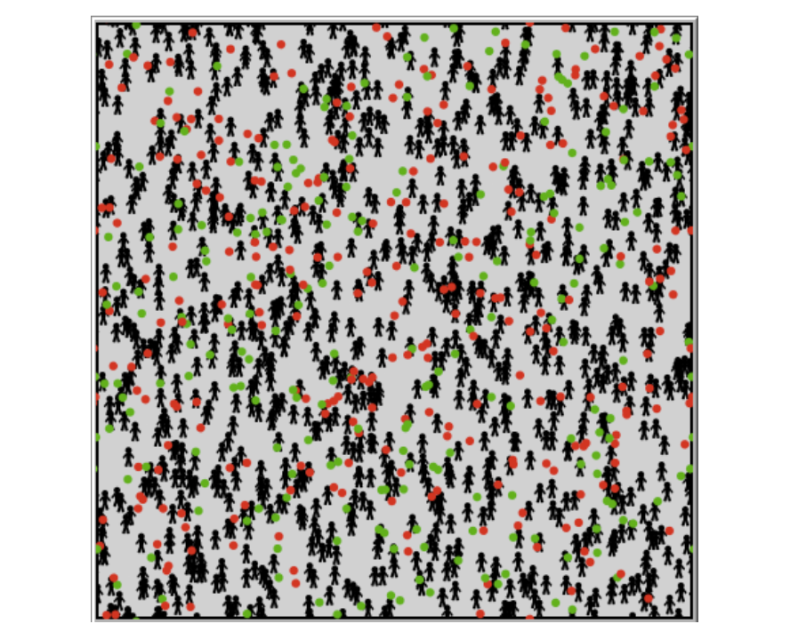
Does success depend on effort or talent? To quantify the importance of luck, the winners designed a model simulating the rise and fall of a population over a 40-year working life.
The model contains 1,000 agents with different levels of ability—intelligence, skills, and so on—randomly distributed in a square world. In each simulation, the agents encounter lucky events, shown as green circles, and unlucky events, shown as red circles, moving around the square along random trajectories. The simulation lasts 40 years, with events moving every six months.
The simulation showed that after 40 years of working life, 20% of people held 80% of the wealth. Those with the most money were not the most talented, but ordinary people who had enjoyed good luck.
Success may favour the luckier, but any ordinary person who works hard and seizes opportunities could become that fortunate one!
Peace: Is that gossip true?
Winners: Junhui Wu, Szabolcs Számadó, Pat Barclay, Bianca Beersma, Terence Dores Cruz, Sergio Lo Iacono, Annika Nieper, Kim Peters, Wojtek Przepiorka, Leo Tiokhin, and Paul Van Lange.
Citation: For an algorithm that helps gossipers decide when to tell the truth and when to lie.

Gossip reflects our curiosity about other people’s private lives. But it can also involve embellishment, fabrication, or false accusations, turning into rumours that hurt innocent people. When spreading gossip, when do people tell the truth and when do they lie?
Using a behavioural signaling-theory model, the winners developed an algorithm to identify when people would pass on honest gossip and when they would lie. The model has three roles: the gossiper, the recipient, and the target of the gossip.
They concluded that this depends on the marginal costs and benefits of spreading gossip—in other words, personal interests. Gossipers tend to remain honest when their interests do not conflict with the recipient’s. But when the two are competitors, the gossiper is more likely to lie.
People adjust their gossip strategies to their own interests. So, however much gossip is out there, we should consume it thoughtfully!
Safety engineering: A dummy moose in a crash test
Winner: Magnus Gens.
Citation: For developing a moose crash-test dummy.
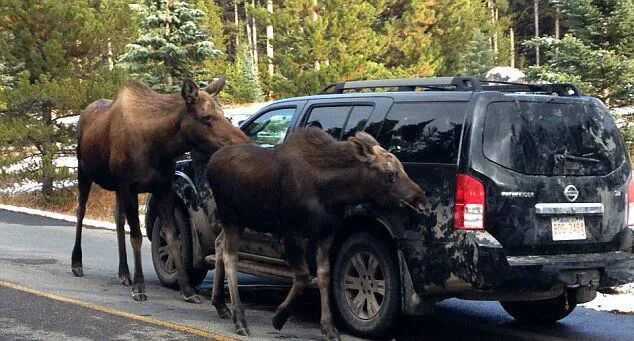
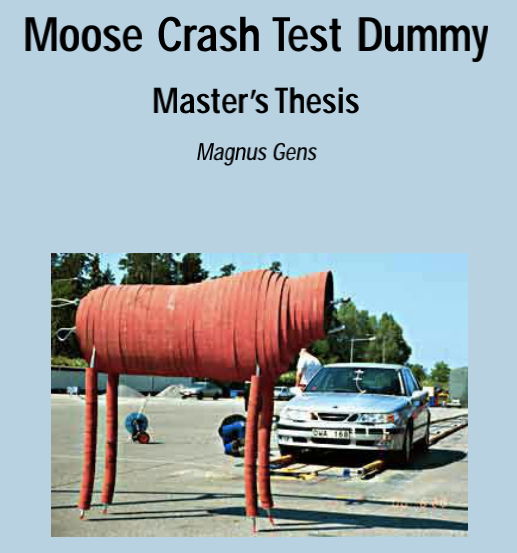
In Sweden, home to hundreds of thousands of moose, people driving through the countryside frequently collide with large wild animals—approximately 13 such collisions a day.
The winner therefore decided to build a dummy moose for car manufacturers to use in crash tests. To make the research as accurate as possible, Gens had a moose killed and examined its anatomy while it was still warm, along with how that anatomy behaved in a collision. He found that a moose’s centre of mass actually passes over the hood: its legs are struck first and immediately break, causing the body to rotate.
After 3D modeling, Gens made the crash-test moose from 116 rubber plates held together with steel components. Its density and mass distribution closely resembled a real moose’s, except that it had no head …
Medicine: Is ice cream the perfect partner for chemotherapy?
Winners: Marcin Jasiński, Martyna Maciejewska, Anna Brodziak, Michał Górka, Kamila Skwierawska, Wiesław Jędrzejczak, Agnieszka Tomaszewska, Grzegorz Basak, and Emilian Snarski.
Citation: For observing less oral mucositis when ice cream was used for oral cryotherapy during certain chemotherapy procedures; it did not replace chemotherapy drugs.
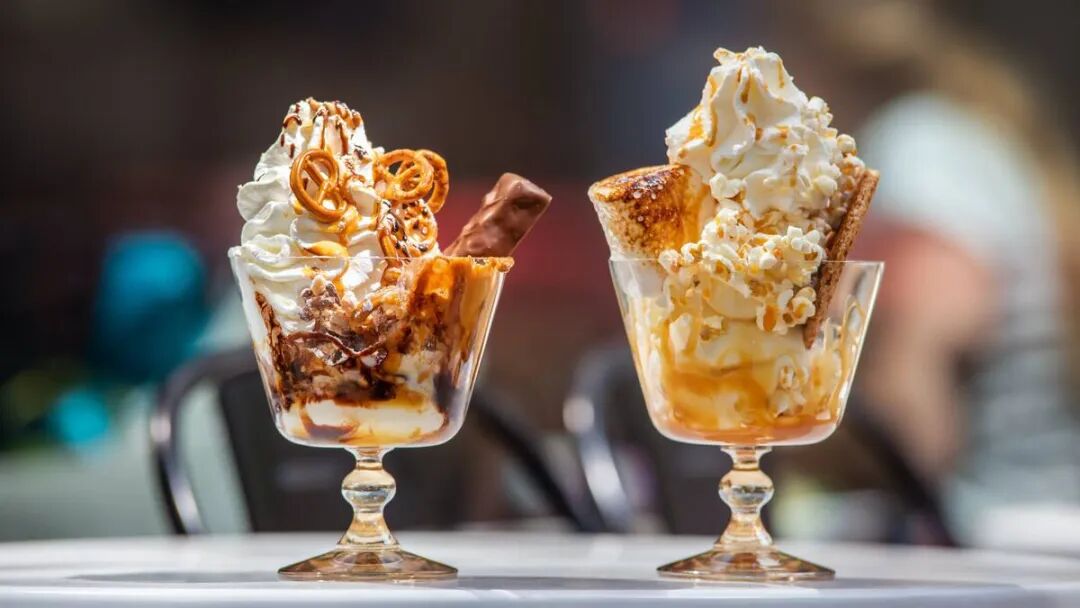

Cancer patients receiving chemotherapy or radiotherapy may develop oral mucositis because treatment damages epithelial cells in the gastrointestinal tract and makes them vulnerable to infection. One preventive measure in certain suitable chemotherapy regimens is oral cryotherapy: sucking ice cubes. Patients do not always fully comply, however, because it can be uncomfortable. Doctors therefore sometimes offer ice cream, particularly to children. The treating team must determine its suitability for the specific regimen; ice cream must not independently be substituted for treatment.
The research team found that there was no literature providing scientific evidence that eating ice cream could reduce the risk of oral mucositis in adults after chemotherapy, so they decided to fill that gap.
This award-winning retrospective study analyzed 74 adults receiving high-dose melphalan conditioning followed by autologous hematopoietic stem-cell transplantation. It was neither a pediatric trial nor a randomized comparison of ice cream with ice chips. Oral mucositis occurred in 15 of 52 patients receiving ice-cream cryotherapy (approximately 28.85%) and in 13 of 22 who did not (59.09%). This observation under specific conditions suggests a protective association, not a recommendation to eat ice cream during every chemotherapy regimen.
Engineering: The most efficient way to turn a knob?
Winners: Gen Matsuzaki, Kazuo Ohuchi, Masaru Uehara, Yoshiyuki Ueno, and Goro Imura.
Citation: For studying the most efficient way to turn a knob with one’s fingers.

Older people with limited mobility may find knobs and tap handles easier to use than levers. The team therefore considered a universal knob design important, particularly for instruments with rotary controls.
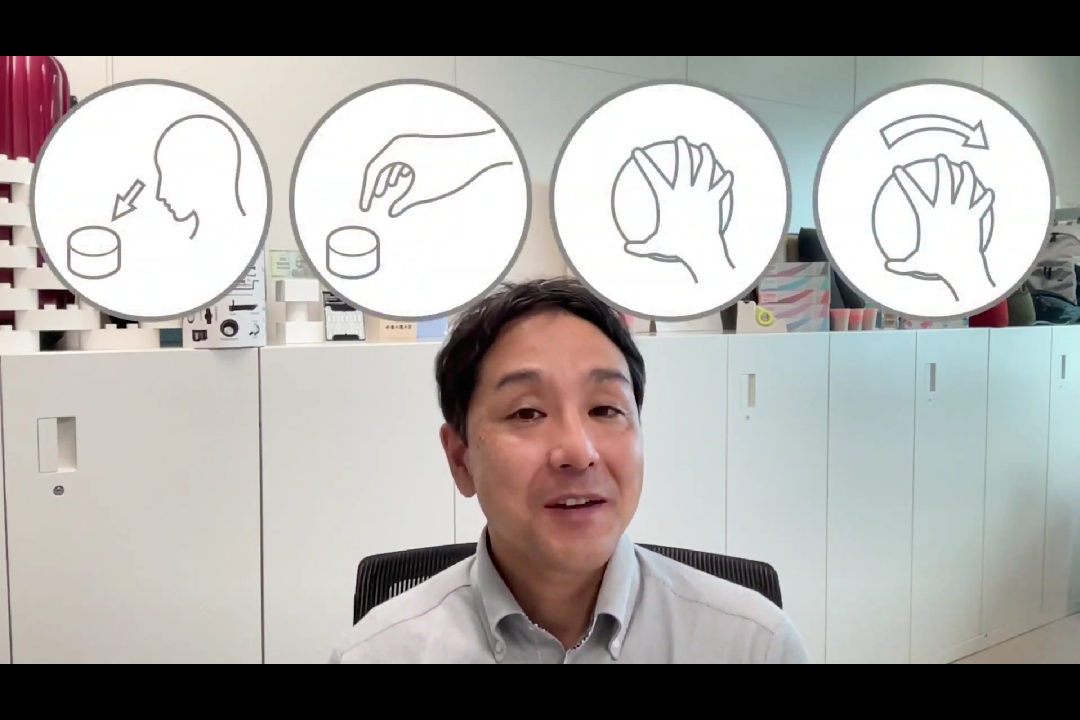
They examined the relationship between the number of fingers used and the diameter of a knob to determine how many fingers are suitable for different sizes. The 32 participants were students aged 19–20. Researchers fixed 45 wooden test knobs, ranging from 7 to 130 millimetres in diameter, to a table and asked participants to turn each clockwise with their right hand.
The thumb and index finger were used most often. As knobs grew wider, people began to use other fingers: three fingers for diameters of 10–11 millimetres, four at around 23–26 millimetres, and five at 45–50 millimetres.
In plain language, the bigger the knob, the more fingers people use. That may sound obvious, but perhaps it can inspire manufacturers’ designs?
Thank you to the winning teams for their entertaining presentations. Our store of strange knowledge seems to have grown again!
Finally, friends, let us send our sincere congratulations to all ten winning teams. And if you did not take home a prize this year, do not be sad or discouraged. We wish you better luck next year!
One last thing: to any trillionaires, billionaires, or—if that is all we can get—billionaires passing by, please donate a little money to us!
Goodbye, goodbye ~
— The Not-Quite-Professional Unofficial Ig Nobel Prize Committee
Some material in this article comes from the internet. Please contact us for removal in the event of infringement.
Editorial note
Minimum migration corrections clarify the scorpion species and short-term, long-term, and sex-dependent effects; distinguish wave forces from total drag in the duckling model; and retain heart-rate synchrony as an association. The ice-cream section is limited, following the original paper, to a retrospective observation in adults receiving high-dose melphalan before autologous transplantation, without claims of drug replacement or demonstrated pediatric benefit. Self-experiments, the wealth model, and humorous fundraising remain historical narrative, not present instructions or fundraising invitations.
Supporting references
Official 2022 Ig Nobel winners and original studies
Tailless scorpions: Short- and long-term locomotion experiment
Tailless scorpions: Sex-dependent reproductive costs
Original paper on wave-riding and wave-passing by ducklings
Original paper on physiological synchrony during first dates
Ice-cream oral cryotherapy: Retrospective study of 74 adults
Sources and editorial history
Restored from a complete historical article exported from the PhDSciNet Official Account.
Editorial revision: Minimum migration corrections clarify the scorpion species and short-term, long-term, and sex-dependent effects; distinguish wave forces from total drag in the duckling model; and retain heart-rate synchrony as an association. The ice-cream section is limited, following the original paper, to a retrospective observation in adults receiving high-dose melphalan before autologous transplantation, without claims of drug replacement or demonstrated pediatric benefit. Self-experiments, the wealth model, and humorous fundraising remain historical narrative, not present instructions or fundraising invitations.