A historical founding statement from 2016, preserving the ideas and plans expressed at the time.
2016-10-28 16:58
University of Waterloo, Canada
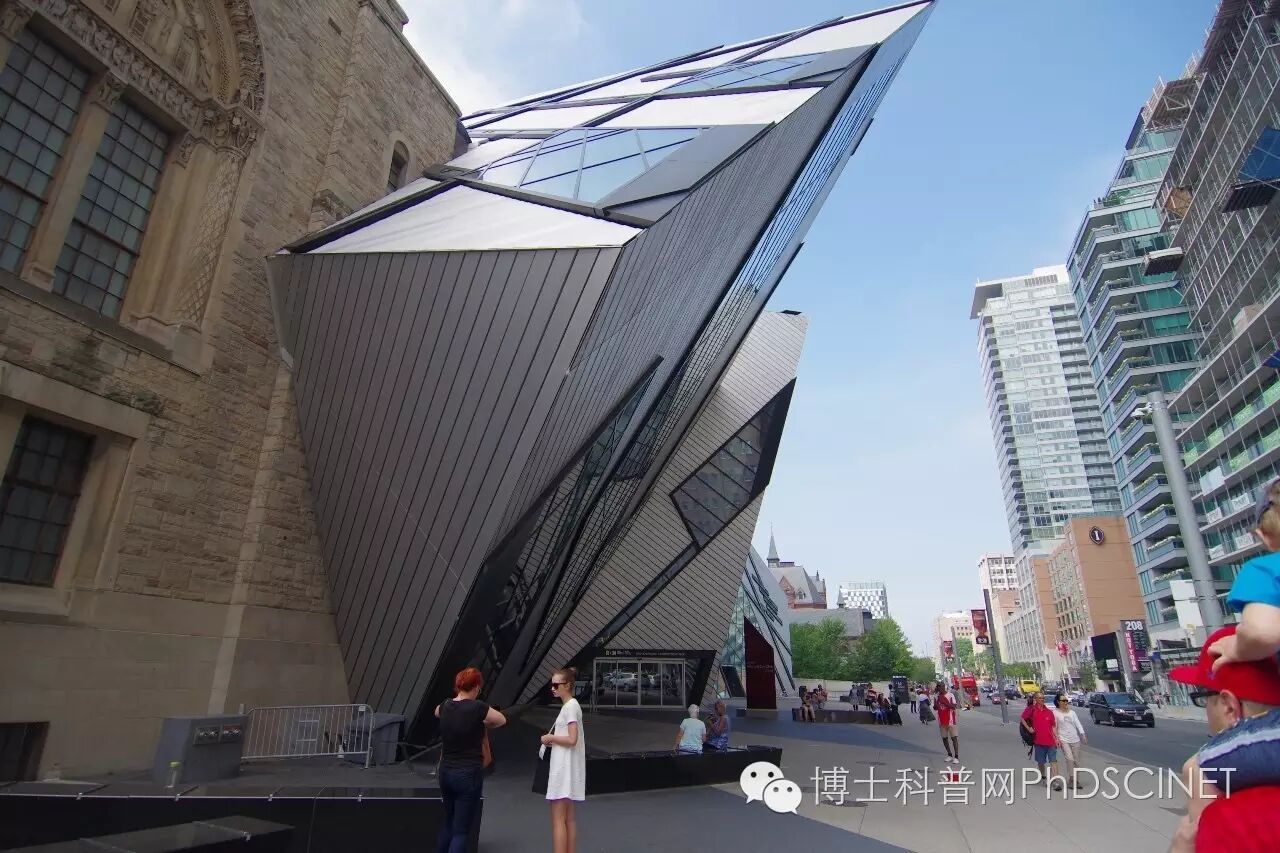
(Exterior of the Royal Ontario Museum, Canada. Photograph by the PhDSciNet team.)
When I was very young, a friend asked what I wanted to do when I grew up. I excitedly described a way of life: building a small city whose ecosystems were all supported by advanced technology. We would have sophisticated water-circulation systems, efficient solar-energy collection, beautiful ecological farms, advanced recreational and fitness equipment, and medical systems like those in science-fiction films. Then we would invite the people closest to us and our best friends to live together. Perfect, with a capital P.
Growing up, I suddenly realized that we do not possess such superpowers. Even after completing a doctorate, we still understand only a little—just one tiny point on the map of the unknown world. We are so small that it is impossible to imagine how to build the ecosystem of our childhood dreams. I can only smile faintly: how innocent we were as children.
More frustratingly, after completing a PhD you often find yourself unable to explain to most people what you actually did for those four years. While I was studying at the Shanghai Institute of Materia Medica, a friend visited my laboratory one weekend.
Friend: What are you doing?
Me: An experiment.
Friend: What kind of experiment?
Me: Observing the mechanical properties of cell membranes.
Friend: Why?
Me: Because… (countless words omitted)
Friend: What is a cell membrane?
Me: …
That was when I began to wonder: is there a way to help my friends better understand what I do?
I imagine you have also been asked, while talking with family, relatives, or friends, what your scientific research is about. We often get it over with in a few simple, everyday sentences, although they may not really understand. That can feel discouraging. Perhaps we need to summarize our work properly and explain it in the simplest way, so that more people can understand us—or at least so that our parents know what we did during our four or five years as doctoral students.
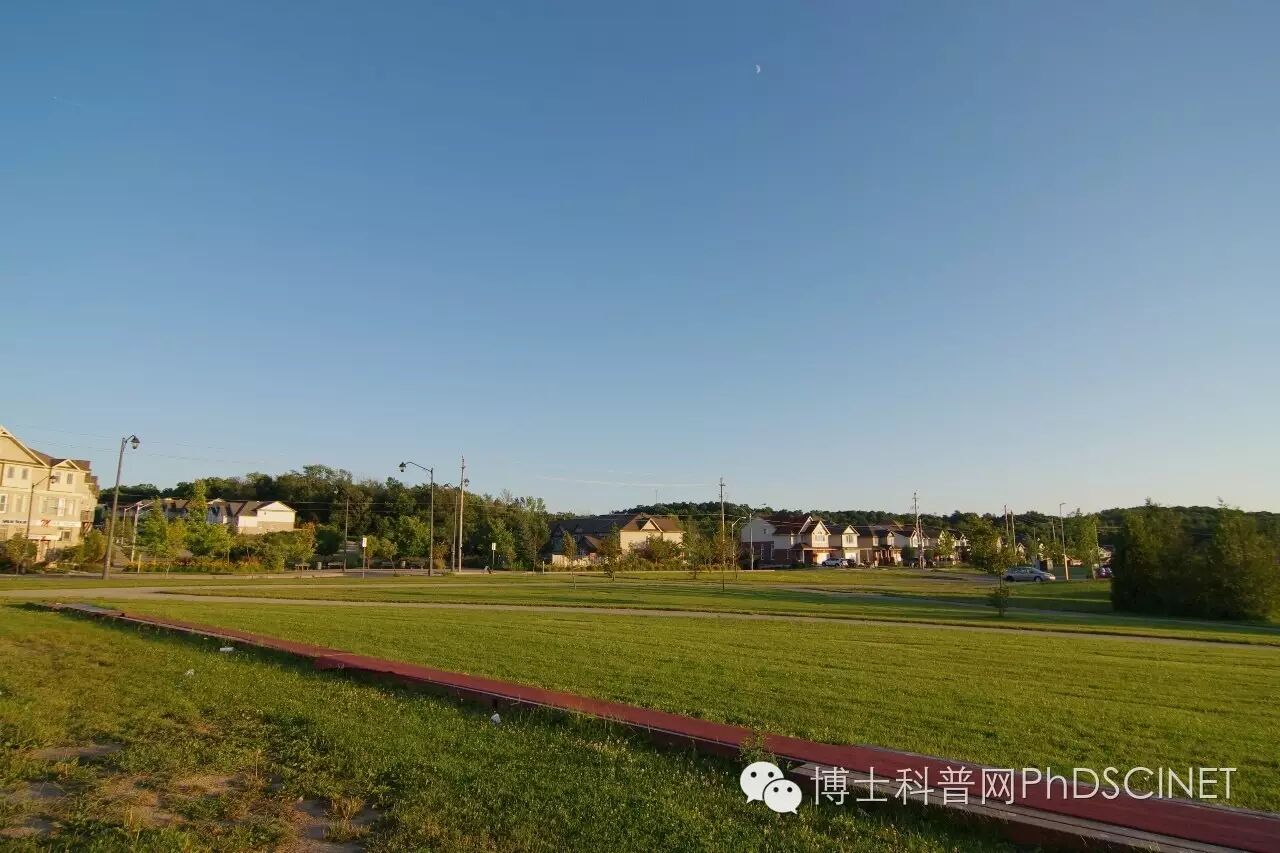
(Scenery around Waterloo, Canada. Photograph by the PhDSciNet team.)
Having recently finished my doctoral thesis, I feel this especially strongly. How many people will read those hundreds of pages? Your supervisor is one; you yourself are another. The members of your examination committee may not read every page very carefully. If you are lucky, someone else might browse it and consult your methods. In the end, however, few people know what your thesis contains, or even its title. Is there a good way to share our theses in an accessible form with our parents, the friends we treasure, and secondary-school and university students?
That was the first time the idea of a “popular science article” came into my mind. But it was only a passing thought.
It was followed by a memory from my university days: in the student union, we prepared introductions to different disciplines for recruitment visits to local secondary schools. Back then, we did not really understand what our own subjects involved, and merely copied and pasted descriptions. Now, with four or five years of doctoral experience, two or three years of master’s study, and four years as undergraduates, we can communicate much better with these students and give them background information and guidance for choosing university courses. Many university students will later consider a master’s or a PhD. Small science stories can nurture their interest, deepen their understanding of a field, and help them choose a university. What takes us only a little effort can bring our difficult specialist knowledge to people who really need it.
Most of the time, our doctoral friends are busy with their own work, live in different cities, and have all sorts of reasons for staying out of touch. As we get older, we really do speak less often. I suspect many of us have friends with whom we rarely communicate, yet whose friendship remains extraordinarily strong. We treasure those friendships. Still, busy lives and living in different cities or even countries mean that we contact one another less, and sometimes lose touch altogether.
“Popular science articles” and “connection”: those two ideas suggested something we could do. We could contact our classmates and bring together doctoral friends willing to write about science, turning years of professional experience into accessible articles.
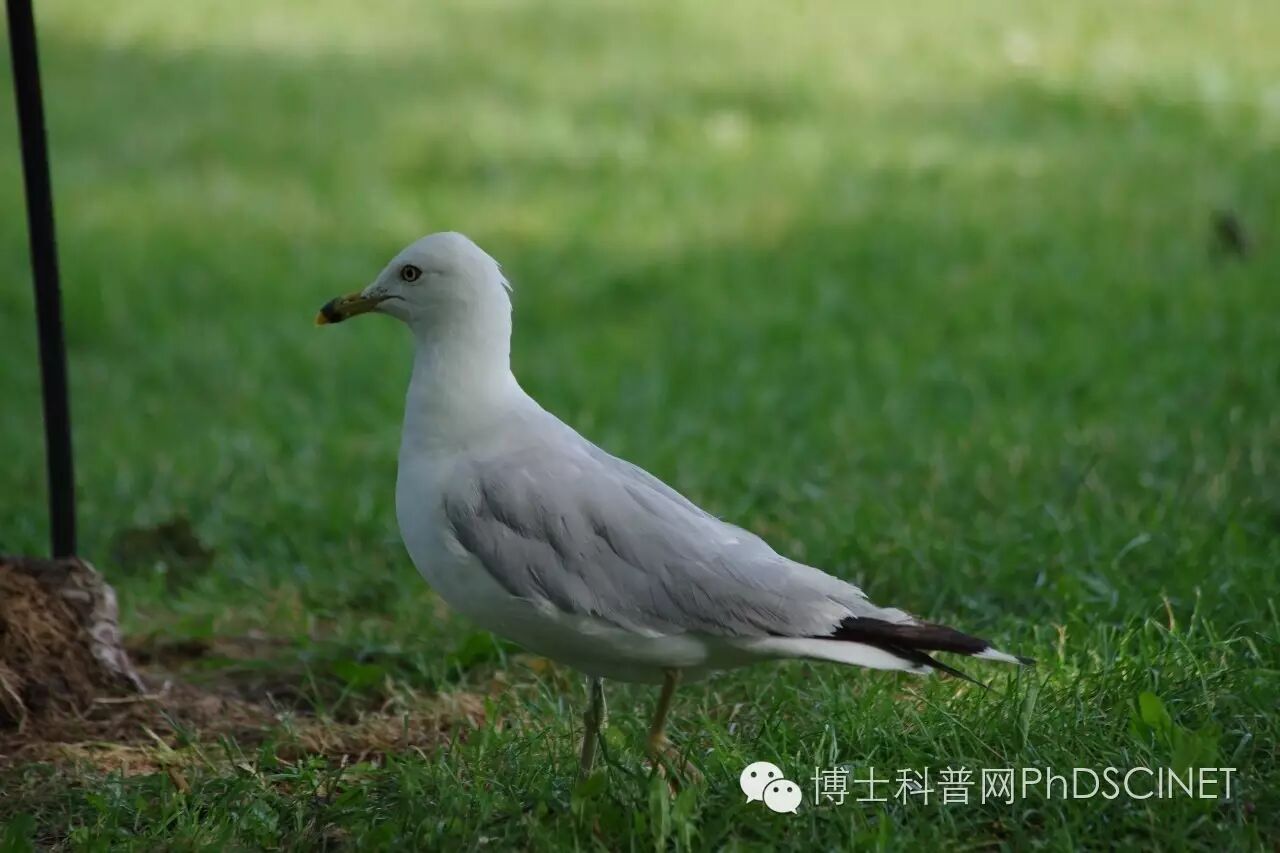
(A ring-billed gull on the shore of Lake Ontario, Canada. Photograph by the PhDSciNet team.)
Most importantly, we can share the specialist knowledge accumulated over many years in an accessible way with secondary-school and university students, helping them grow and contributing to science education in China. In the author’s view at the time, science education in China still had considerable room to develop. Professor Rao Yi had long been working in this area, but many science websites were too specialized, their articles too long, their readership limited, and their coverage unsystematic. It would be meaningful to spend a little time summarizing our theses and work to support science education. Introducing current research to secondary-school students could give them a more concrete understanding of possible fields of study; sharing it with university students could help them plan future master’s and doctoral studies. This work could also indirectly help research advance.
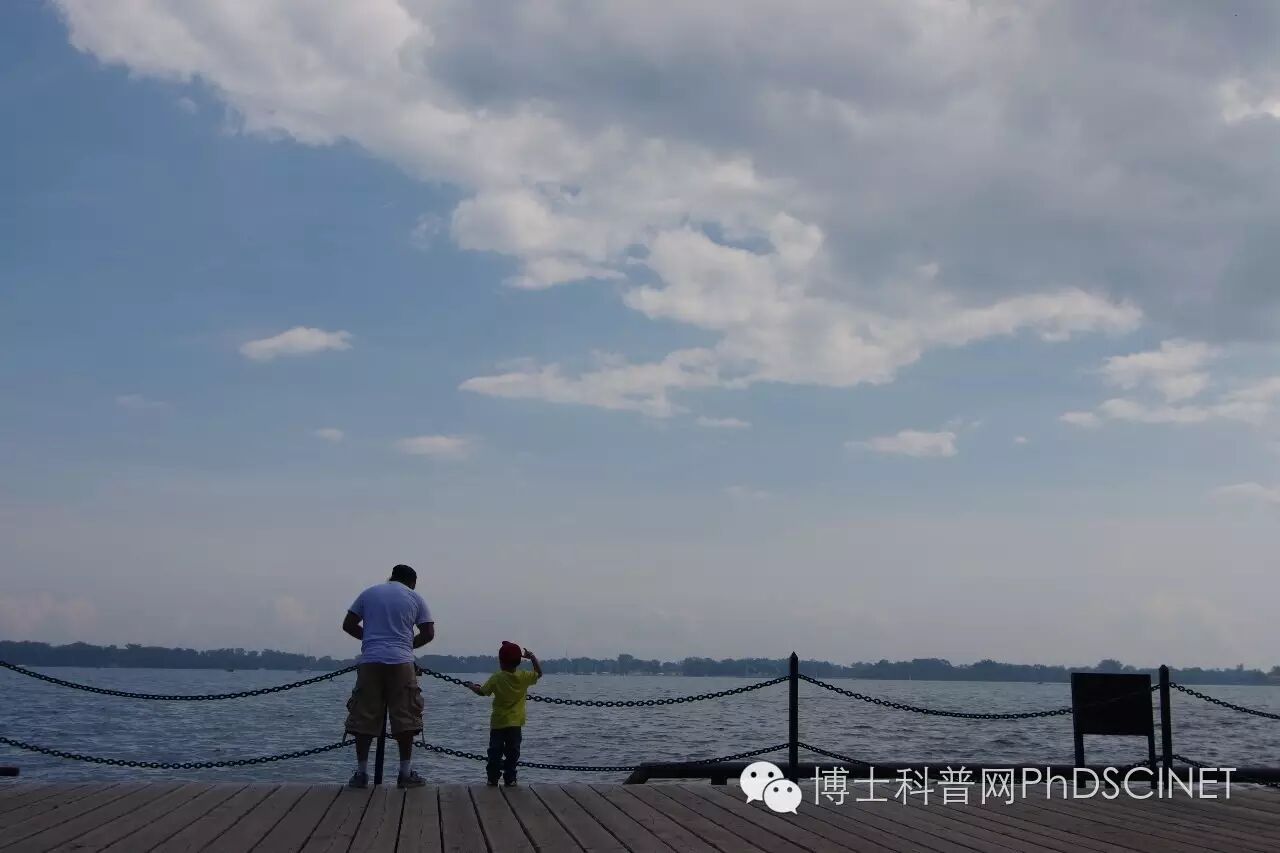
(Life and scenery along Lake Ontario, Canada. Photograph by the PhDSciNet team.)
Secondly, when we turn four or five years—or even longer—of accumulated experience into accessible writing, it offers new information to the general public and something more personal to our family and friends. Reading it again in old age might bring back our youth: so that person raised laboratory mice during their PhD! When your grandchildren pick up the book, they may suddenly understand: my grandparents used to grow crops! Writing about science is not our profession, but these contributions can strengthen our connections and let us work together again, as we did when we were classmates. We may not be able to coauthor a paper in Science, Nature, or Cell, but we can turn our specialist knowledge into a small science story in a beautifully made magazine or on a website.
I expect that we will encounter some challenges along the way:
A. Our thick doctoral theses contain enough material for many science articles, or very long ones. Many classmates do not have a background in writing, and popular science is not easy to write. That is all right: write what you most want to write, with no word limit. We especially welcome multiple articles, but participation is entirely voluntary. We have set up a dedicated WeChat Official Account to help everyone with science writing.
B. We have selected eight broad areas, which may be adjusted later to reflect the articles we receive: computer science; chemical engineering, analytical chemistry, and energy; medicine, disease, and health; environmental engineering; biomedical engineering; physical science and technology; civil engineering, transportation, and communications; and economics and law. Do not worry about where your article belongs: we will classify it according to its content. An article by a chemical-engineering researcher might, for example, be placed under environmental engineering.
C. Friends who have spent a long time abroad may feel that their Chinese has become less fluent. That is all right: you can write in English. If you write in Chinese, we will ask friends to help polish and edit it.
D. We have decided to spend a year building writing experience and improving our writing system. After that year, we will select articles from everything we have produced. You will receive a beautifully made book containing my story and yours.
E. If you are interested in text editing or image editing, we would welcome your help during the writing process.
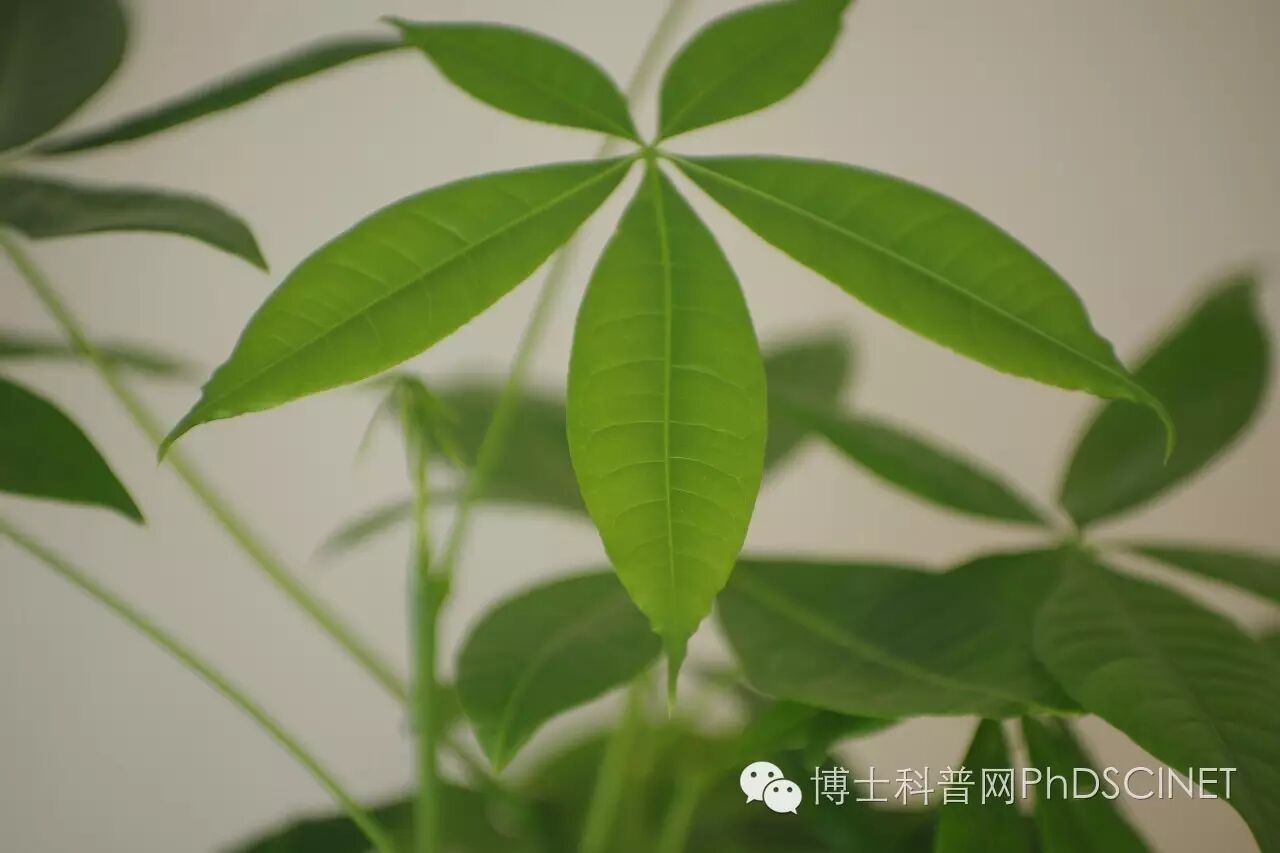
(A young money tree, Pachira aquatica. Photograph by the PhDSciNet team.)
Our ultimate goals:
A. We expect to launch our website and WeChat Official Account next February, promoting everyone’s science articles and helping more people understand our work.
B. After the website and the public-facing Official Account, rather than the writing-guidance account, have launched, we hope everyone will help spread the word and invite a selected group of talented friends and classmates to join us.
C. One year from today, a beautifully made collection of memories will arrive in your mailbox.
D. We hope our magazine, website, and Official Account can help more secondary-school and university students learn about timely science.
E. Our science-writing community will gradually welcome new members. Our website and magazine will help more secondary-school and university students and make the most of the knowledge accumulated through our theses and doctoral experiences.
Sources and editorial history
Restored from a complete historical article exported from the PhDSciNet Official Account.