
English translation of the original Chinese article. Publication dates and the extent of recovered text are preserved. Figures retain their original labels. Read the Chinese original.
林晶晶
Department of Hydrogeology, School of Environmental Studies, China University of Geosciences (Wuhan)
Keywords: geology, travel, waterfall formation, Yichang in Hubei Province
Silver-shimmering rivers, landforms in countless shapes, sparkling lakes and springs, and fantastical caves are all wonders sculpted by nature, continually drawing visitors from around the world. Geology may not be familiar to many people, but all these beautiful or magnificent natural landscapes are, in fact, geological phenomena whose formation can be explained through geology. When you visit a scenic destination, beyond admiring its beauty and taking selfies or group photographs, have you tried to get closer and understand it? Let us explore the breathtaking wonder of waterfalls together!
How Waterfalls Form
In geology, a waterfall is a vertical drop in a stream as it passes through areas such as faults or depressions. Most smaller waterfalls form naturally from the structure and shape of the land. An elevated basalt plateau, for example, can form a hard platform, with a waterfall where a river spills over its edge. This is how waterfalls over basalt in Northern Ireland have formed.
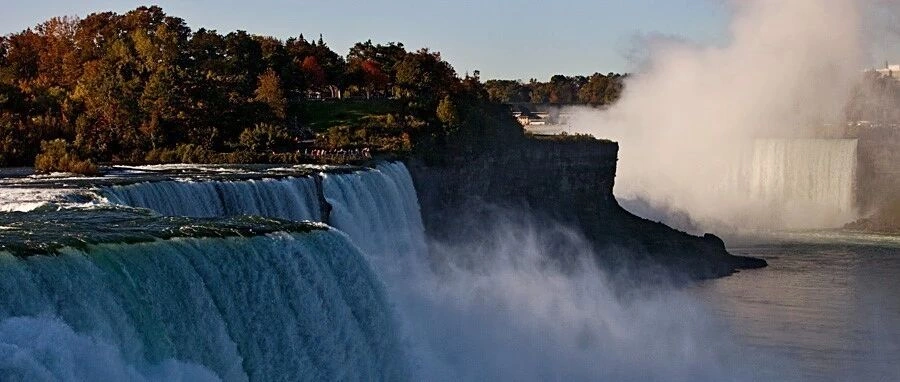
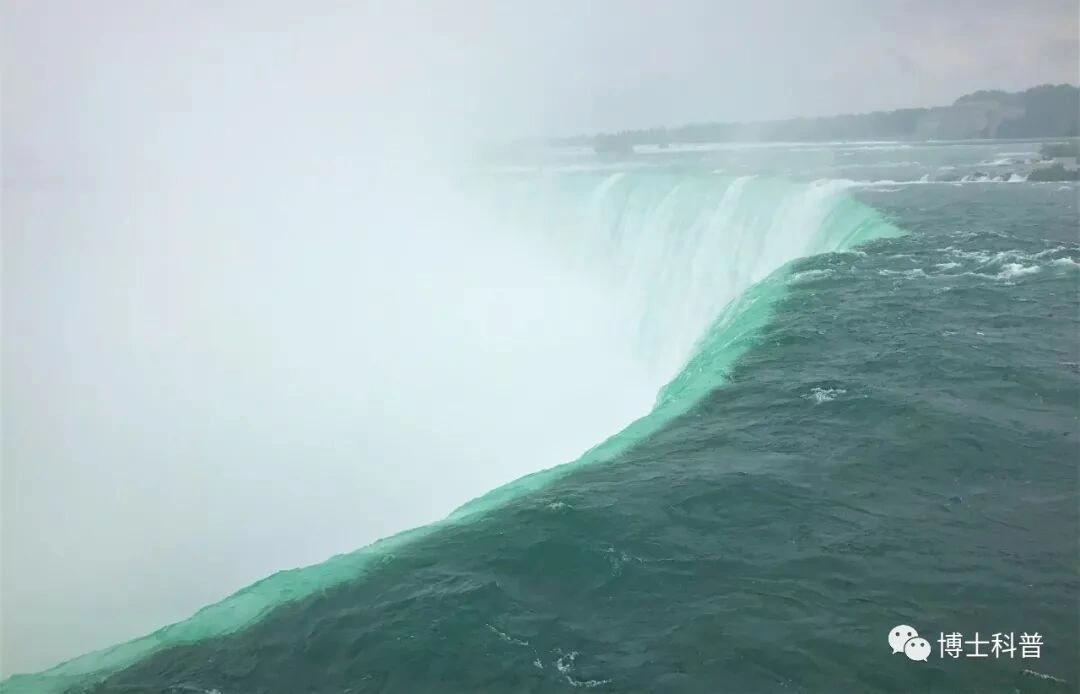
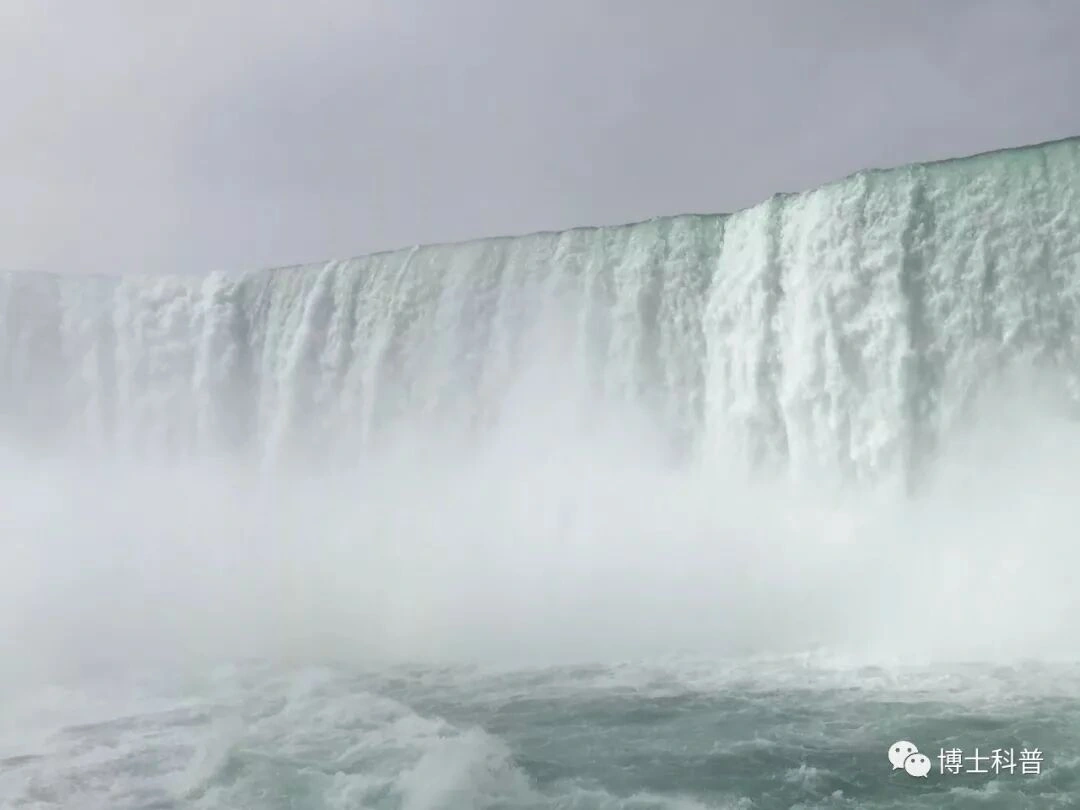
Differences in the hardness of the rocks over which water flows are a common cause of waterfalls. Take the world-famous Niagara Falls as an example. Its water comes from Lake Erie, which formed when a five-million-year-old ice field covering the area above the falls melted; the lake began overflowing about 12,000 years ago. When the ice melted, it exposed the Niagara Escarpment, made up of several different horizontal rock layers. The upper layer is extremely hard dolostone, resistant to erosion by external natural forces. Below it lie softer sandstone and shale, which erode easily. Over the years, the falling lake water scoured the vulnerable shale and sandstone. Turbulent flow at the foot of the falls rapidly eroded these layers, leaving the dolostone overhanging. Water pouring over the steep cliff thus formed the awe-inspiring Niagara Falls.
Other types of waterfall formation also occur, though less commonly. Large masses of molten rock once pushed up from beneath Earth’s crust. Over time, the rock slowly hardened, eventually forming a wall across a river channel. The river drops vertically along this rock wall to form a waterfall. Huangshi Falls in China formed in this way.
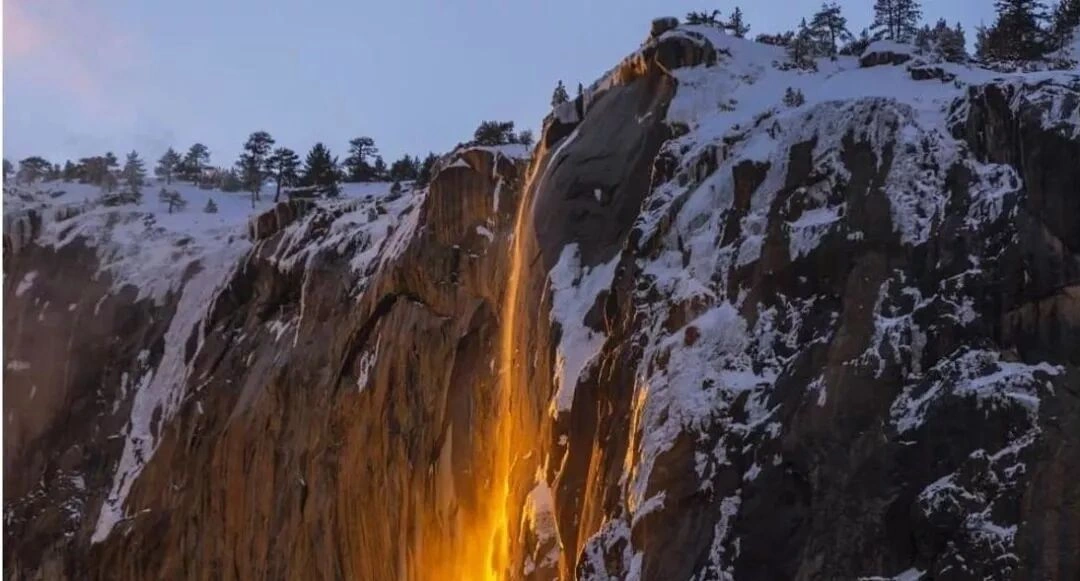
Figure 1: The spectacular Niagara Falls. Figure 2: The “firefall” in Yosemite National Park, California.
Firefall
This does not mean lava cascading down during a volcanic eruption, but a rare natural optical spectacle: an effect created when sunlight strikes a waterfall at a particular angle. The conditions are extremely demanding: (1) the waterfall must have plenty of water; (2) the sky must be completely cloudless; and (3) the setting sun must be at exactly the right angle to the waterfall.
Horsetail Fall, in Yosemite National Park in California, United States, is described as the only “firefall” discovered in the world at the time of this article. It is fed by snowmelt from the mountains. The snow generally melts in December and January, and by late February the waterfall may already have run dry. The firefall spectacle therefore lasts only a few days each year, usually in the evenings of February. The setting sun must shine on plentiful water flowing over the 300-metre-high Horsetail Fall, illuminating the red and orange mist at just the right moment to create this magnificent scene.
*This article expresses the author’s personal views, not those of this website. Other media outlets, websites or individuals who reproduce it must credit the source and bear their own responsibility for copyright and other legal matters. Authors who do not wish their work to be reproduced, or who wish to discuss reproduction fees, should contact us.
Images from the same-title WeChat manuscript
The following images come from the preserved WeChat manuscript with the same title and have been restored in their original order.
Additional illustrations have been recovered from the preserved WeChat manuscript with the same title and are grouped after the article. The archived text and existing editorial corrections have been retained.